
Walk into any grocery store and you’ll probably feel like you’re just running a quick errand. The aisles are bright, the music is pleasant, and everything seems laid out conveniently. That feeling, it turns out, is very much by design. Grocery stores are well-oiled machines that run efficiently and specifically according to many factors, including a fair amount of shopper psychology. Everything from how specific grocery items are stocked on the shelves to when items are marked down is not chosen at random. It’s intentional and specifically designed to save, and make, money.
Former grocery workers who have spent time in the aisles, back rooms, and behind the registers have seen exactly how it operates. Their insights reveal a fascinating world of retail strategy that most shoppers never recognize. From the moment you grab a cart to the final checkout, these subtle tricks are working on your subconscious in ways you’d never expect. Here are fourteen of the most common ones.
1. Oversized Shopping Carts That Make Your List Look Tiny
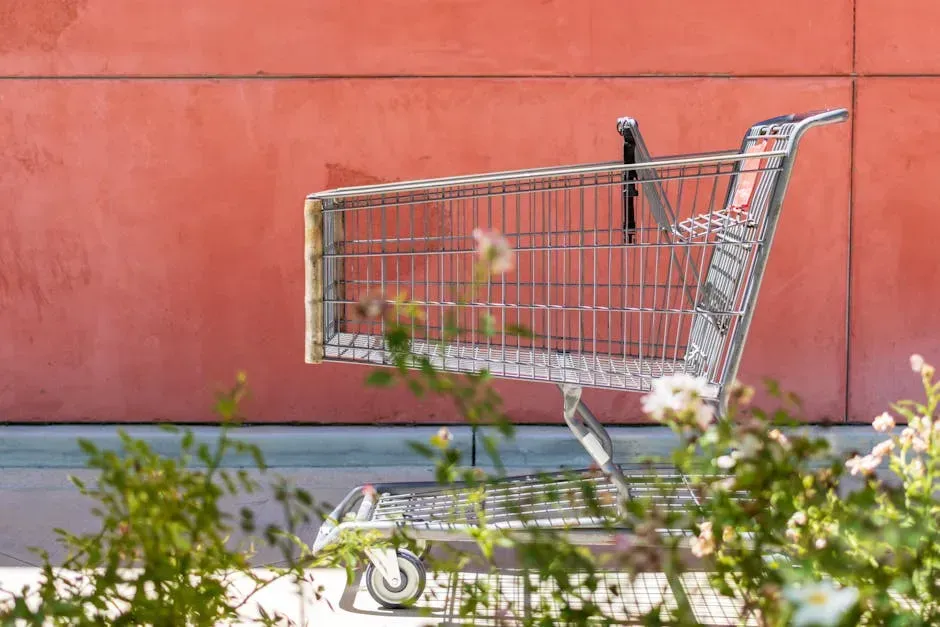
1. Oversized Shopping Carts That Make Your List Look Tiny (Image Credits: Pexels)
Shopping carts were designed in the late 1930s to help customers make larger purchases more easily, and since then the sizes of shopping carts have increased massively. Store managers know exactly what they’re doing when they stock oversized carts at the entrance. Those massive carts create a psychological effect where your modest grocery list suddenly looks tiny rattling around in all that space.
Marketing consultant Martin Lindstrom ran an experiment where people were given shopping carts that were double the usual size. Those with the bigger carts bought roughly forty percent more than those with smaller ones. This is because your cart looks emptier, making you more likely to fill it with impulse buys and treats. Choosing a hand basket when you only need a few items is one of the simplest ways to spend less.
2. Staples Buried at the Back of the Store
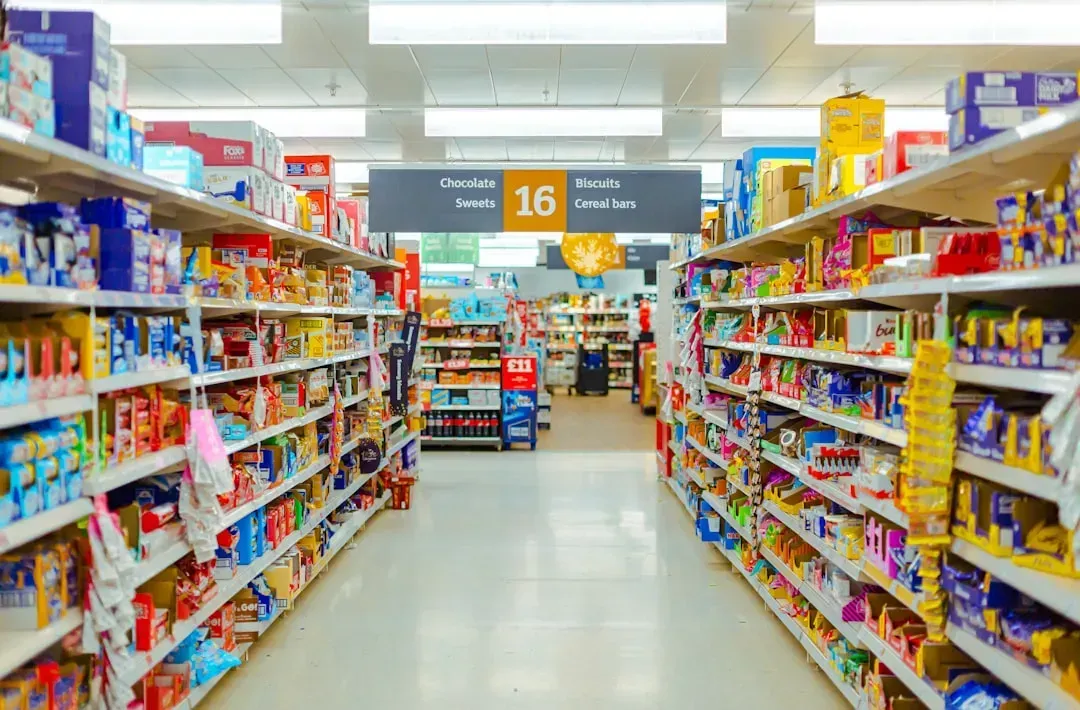
2. Staples Buried at the Back of the Store (Image Credits: Unsplash)
Essential groceries most commonly placed on shopping lists, such as eggs, milk, fruit, and vegetables, are separated and strategically set around the store to force a full-length walk of the supermarket, leading shoppers to be more likely to pick up higher-margin items such as specialty foods and premium products. Dairy sections are located as far from the entrance as possible, giving shoppers time to discover additional items they may not have intended to buy. This isn’t accidental laziness in store design. It’s a calculated move to extend your time wandering through tempting aisles.
A loss leader is a pricing strategy where a product is sold at a price below its market cost to stimulate other sales of more profitable goods. The strategy works because a customer who goes into a grocery store to buy an inexpensive item like bread or milk may decide to buy other grocery items along the way. The longer the journey, the more you see, and the more you spend.
3. The Slow Music Trick That Makes You Linger
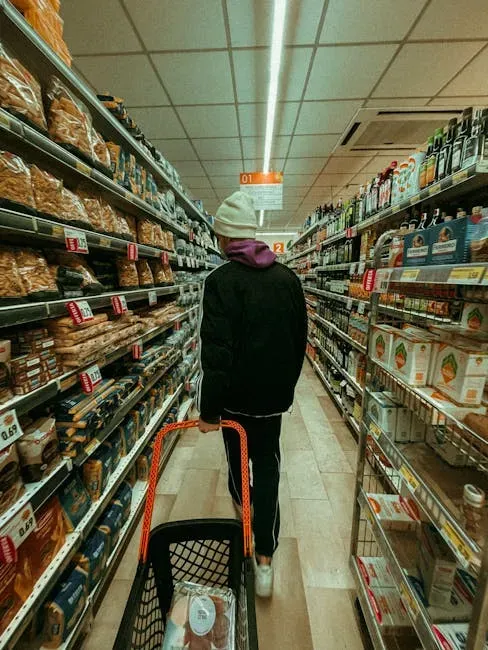
3. The Slow Music Trick That Makes You Linger (Image Credits: Pexels)
Former employees reveal that stores play a fairly mild mix of music, from classic to current, but nothing heavy, specifically to relax customers, slow them down, and encourage them to spend more time in the store. The tempo is not accidental. It’s calibrated.
Professor Ronald E. Milliman’s study “Using Background Music to Affect the Behavior of Supermarket Shoppers” found grocery stores that played slow music increased their sales by nearly forty percent. Many grocery chains pay careful attention to the music they play. Music that’s too fast can cause consumers to speed up their shopping, while slower music can influence them to take their time and purchase more products.
4. Produce at the Entrance to Prime Your Mood
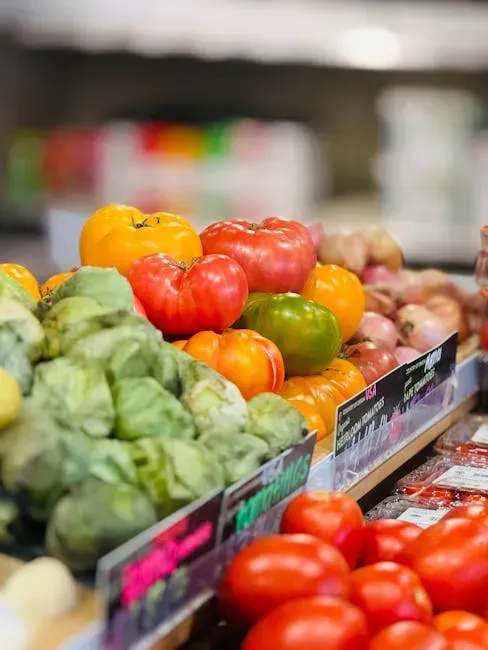
4. Produce at the Entrance to Prime Your Mood (Image Credits: Pexels)
As a shopper enters the store, they are at once greeted with the mood-lifting scent of fresh flowers and fruits, as well as vibrant colors. This primes the consumer for their upcoming shopping experience, as grocery stores know that those who are happier tend to spend more money. This psychological effect is called “implicit priming,” where a person is first exposed to one stimulus and later reacts to a similar stimulus without consciously knowing why.
The placement of the produce section at the front of the supermarket is a deliberate design decision that exploits the cognitive bias known as the “primacy effect.” Items you encounter first shape your perception of the entire store. You feel like you’ve entered somewhere fresh, healthy, and welcoming before you’ve even reached the cereal aisle.
5. Scent Marketing That Steers You Toward the Bakery
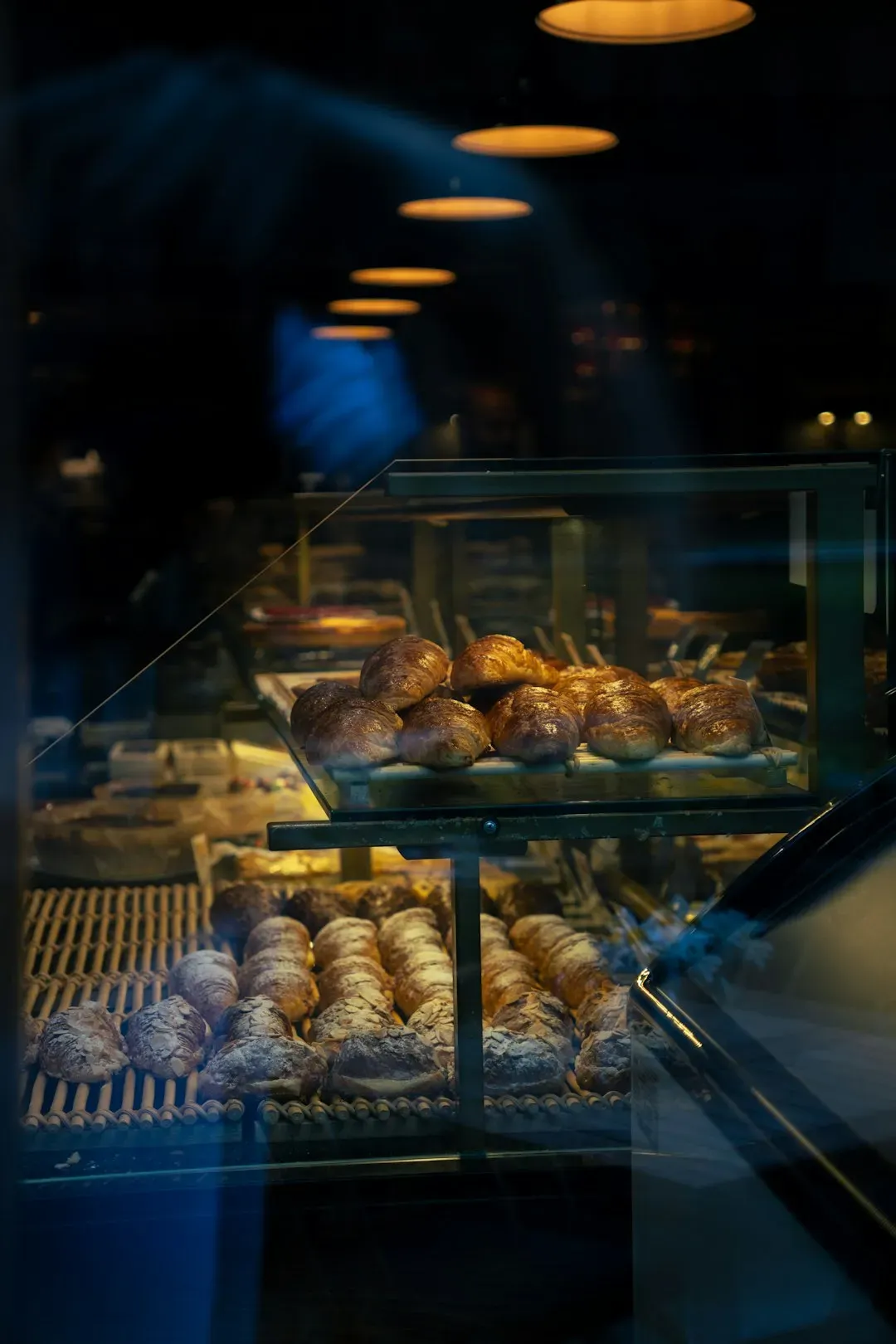
5. Scent Marketing That Steers You Toward the Bakery (Image Credits: Unsplash)
Stores often use scents to encourage you to buy certain products. Sometimes those scents go hand-in-hand with samples, such as when you can smell sausage cooking from the meat section, and sometimes grocery stores use machines to pump scents such as apple pie or chocolate chip cookies through the air, drawing you toward the bakery section. It’s called “scent marketing,” and yes, it works.
Grocery stores deliberately position their bakery sections to spread enticing aromas throughout the aisles, but many of those “freshly baked” goods are not made from scratch on site. These items often arrive as frozen, pre-made dough or par-baked products that employees simply bake off in ovens. In many, especially larger, grocery stores, a majority of the baked goods sold actually arrive frozen. The smell is entirely real. The from-scratch story, less so.
6. Eye-Level Shelving Reserved for High-Profit Brands

6. Eye-Level Shelving Reserved for High-Profit Brands (Image Credits: Pixabay)
Former employees report that stores place their most profitable items right where your eyes naturally land, while cheaper alternatives or store brands hide on bottom shelves. The shelf position you see most naturally is essentially premium advertising real estate, and brands pay for it.
The supermarket shelf is typically divided into four tiers: stoop level, touch level, eye level, and reach level. Supermarkets know that “eye level is buy level” and they have companies pay premium prices for it. Brands and manufacturers are often willing to devote up to half of their promotional budgets on securing featured display space, including eye-level shelf placement. Crouching down to check the bottom shelf is genuinely one of the smarter things you can do in a grocery store.
7. The Right-Turn Trap Near the Entrance
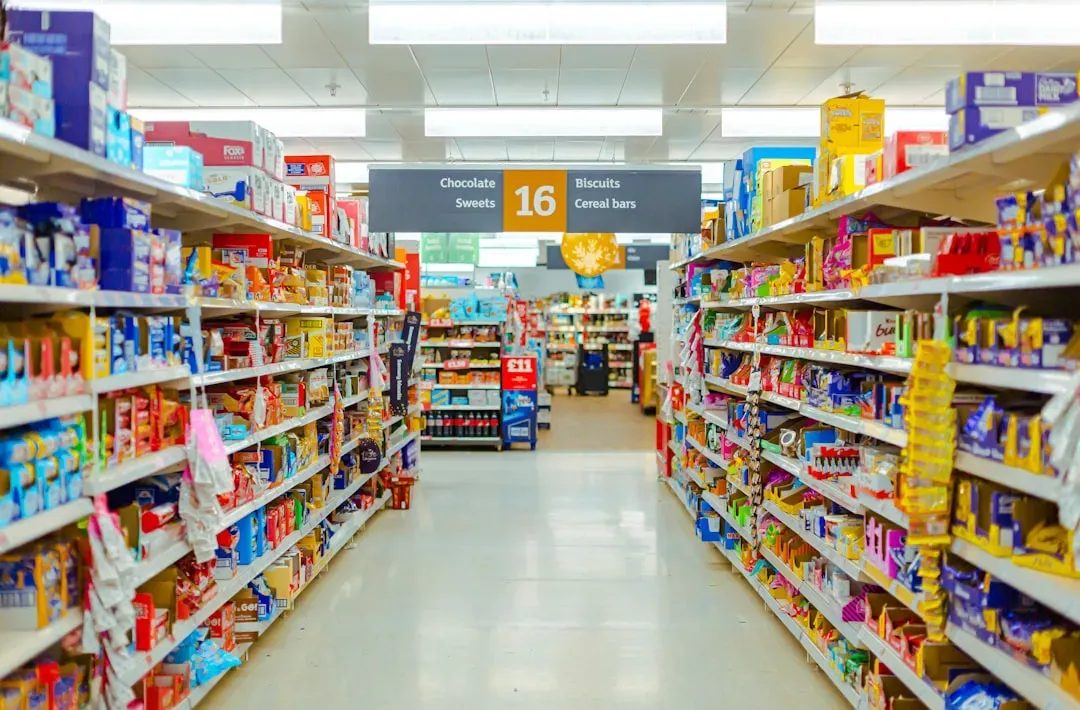
7. The Right-Turn Trap Near the Entrance (Image Credits: Unsplash)
Studies show that the vast majority of customers automatically turn to the right when they enter a store. Research indicates that upon entering, most shoppers instinctively turn right, and supermarkets capitalize on this by placing high-demand items or promotional products in that zone.
Americans “read” the world left to right. Our eyes are always leaning to the right side, toward the natural progression of the “story.” So that’s where supermarkets often put the items you’re most likely to buy. The items placed on the right just inside the entrance aren’t there by coincidence. They’re positioned to catch your first, freshest moment of attention.
8. Confusing Unit Pricing That Stops You Comparing
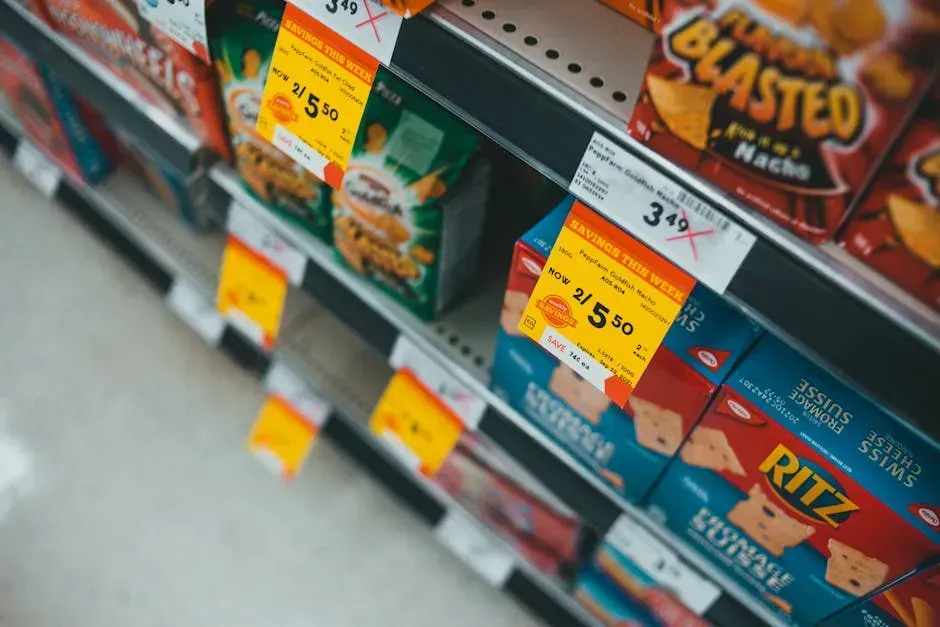
8. Confusing Unit Pricing That Stops You Comparing (Image Credits: Pexels)
Stores intentionally make unit pricing inconsistent. One product shows price per ounce, while the competing brand right next to it displays price per pound or per item. Former grocery workers admit this isn’t accidental laziness. It’s a deliberate strategy to stop you from easily comparing which product gives you the best value. Your brain has to work overtime doing mental math conversions, and most shoppers just give up and grab whatever looks cheapest on the surface.
The truly sneaky part is that premium brands often appear cheaper because they’re listed per smaller units, while generic brands show larger unit measurements that look more expensive at first glance. Pulling out your phone’s calculator to do the actual math often reveals surprises.
9. Charm Pricing and the ".99" Illusion
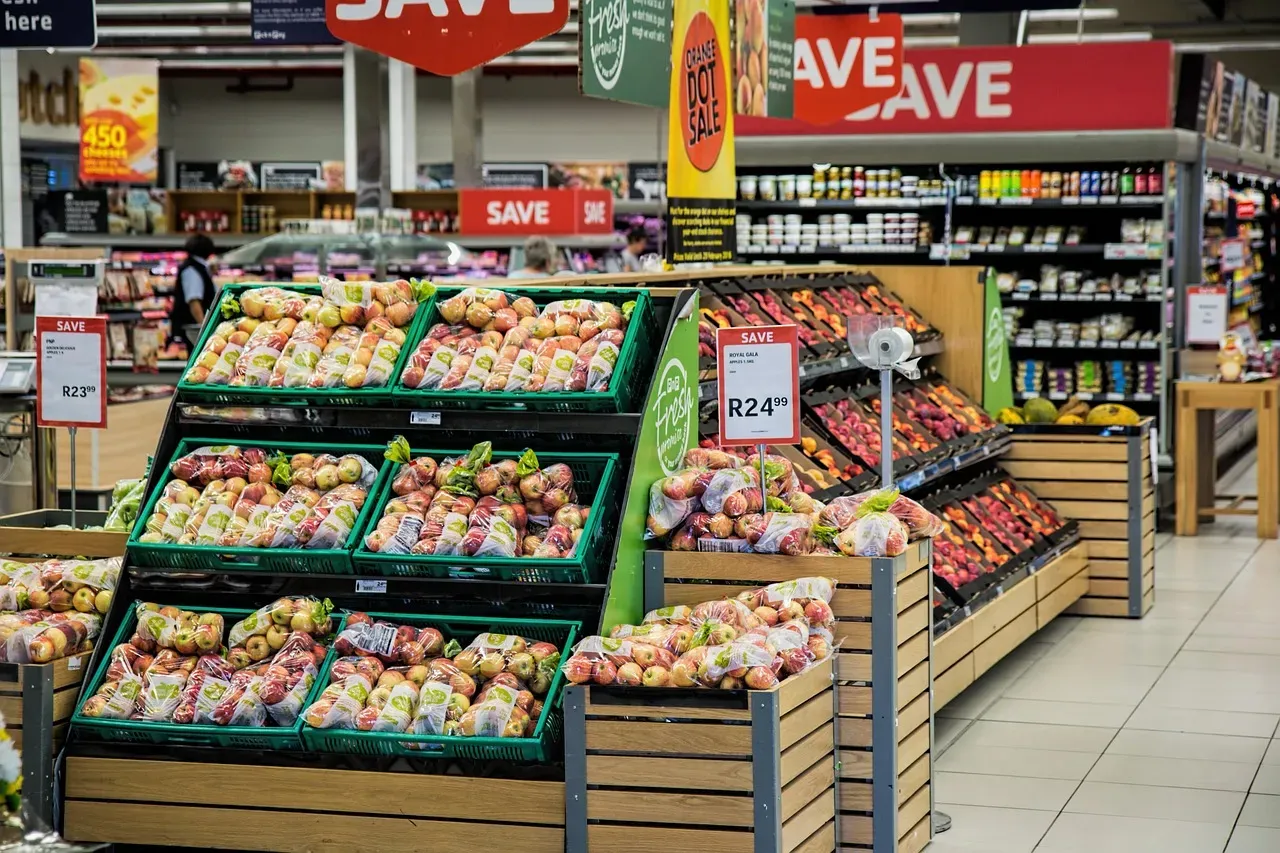
9. Charm Pricing and the ".99" Illusion (Image Credits: Pixabay)
It is standard practice for the supermarket to use the “left-digit effect” when pricing a product. This is the psychological concept behind pricing strategies that end in .99 instead of a full dollar. Consumers tend to process prices from left to right, and the first digit has a greater impact on their perception of the price. By setting a price at $1.99 instead of $2.00, the left-digit effect makes the price appear significantly lower in the consumer’s mind, even though the difference is just one cent.
This tactic, known as “charm pricing,” creates the perception of a better deal. It’s one of the oldest tricks in retail, and it still works reliably on almost everyone. Our brains just don’t process prices as precise numbers. We process impressions.
10. The Spray-Misted Produce That Looks Fresh but Spoils Faster
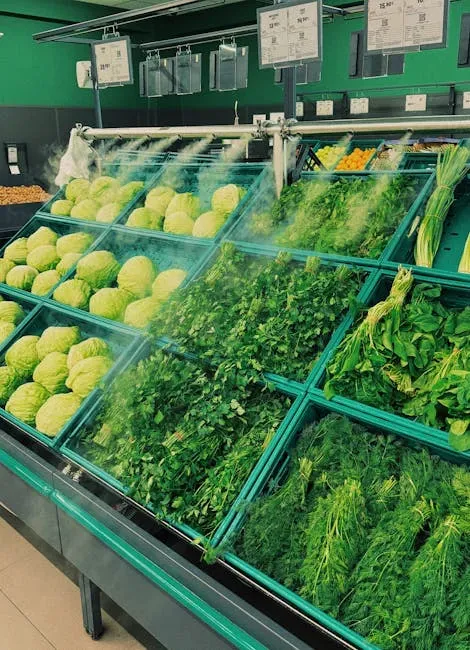
10. The Spray-Misted Produce That Looks Fresh but Spoils Faster (Image Credits: Pexels)
Lighting is chosen to make fruits and vegetables appear at their brightest and best, and the periodic sprays of fresh water that douse the produce bins are all for show. Though used to give fresh foods a deceptive dewy and fresh-picked look, the water actually has no practical purpose. In fact, it makes vegetables spoil faster than they otherwise would.
Fruits are typically picked while still unripe and sent to warehouses containing pressurized rooms filled with ethylene gas to induce the ripening process. The wax coating on your apples isn’t natural either. For many years, everything from apples to limes and pineapples has been dipped, sprayed, or brushed with a glossy, preservative coating that replaces the natural wax removed during initial picking and washing. Former produce workers reveal that much of what you consider fresh has been artificially enhanced for appearance and shelf life.
11. The FIFO Rule That Keeps Older Product at the Front
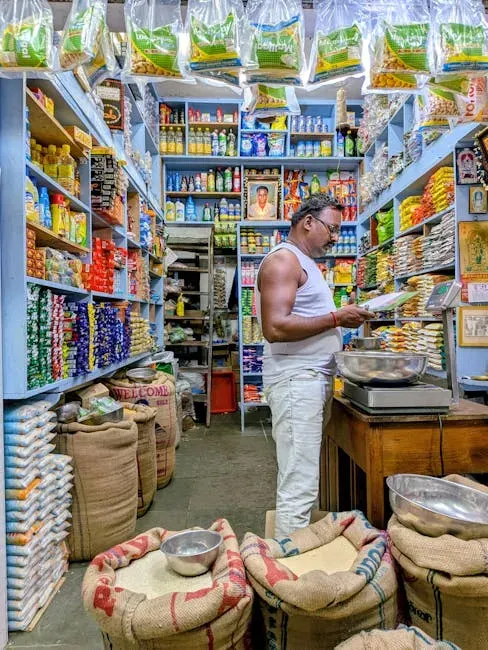
11. The FIFO Rule That Keeps Older Product at the Front (Image Credits: Pexels)
In retail and especially with produce, there is a practice called F.I.F.O., or “First In First Out.” When restocking a shelf, employees place the newer product behind the older product. This makes sense because shoppers will most likely grab the closest item first and not check the best-by dates on anything beyond that.
It’s not a deceptive policy in itself. Stores genuinely need to move older stock before it expires. Still, the result is that the average shopper consistently ends up with the oldest product available. Reaching toward the back of any refrigerated shelf almost always gives you a longer-dated item, and former store staff confirm this is common knowledge inside the industry.
12. Secret Markdown Schedules Employees Know by Heart
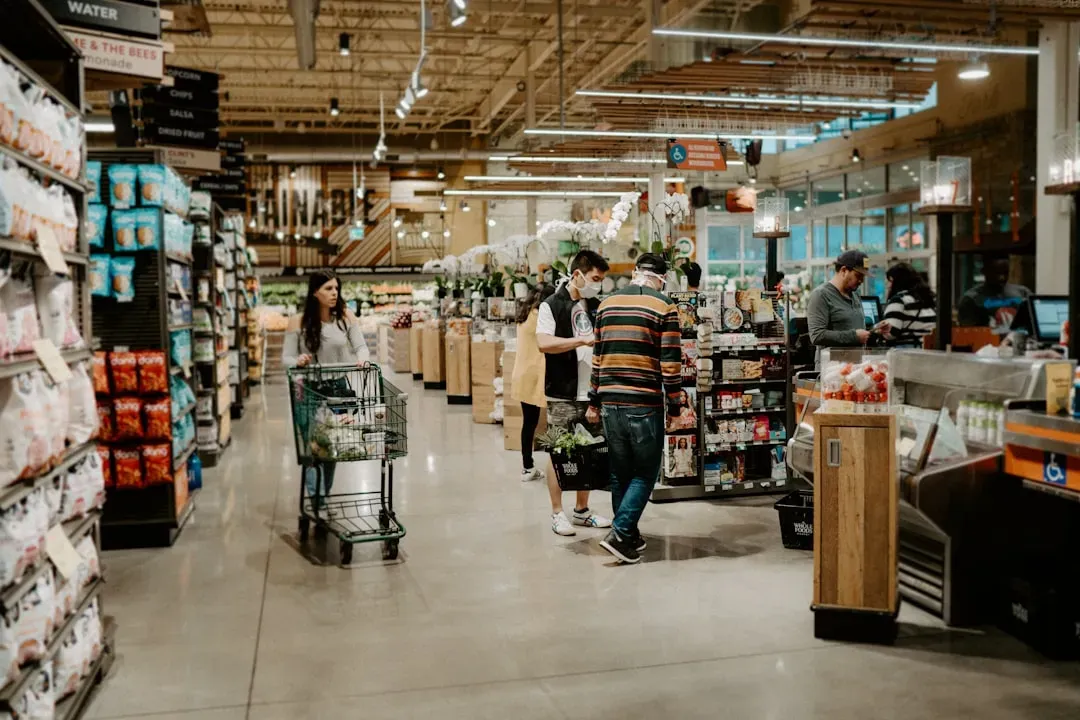
12. Secret Markdown Schedules Employees Know by Heart (Image Credits: Unsplash)
Most grocery stores mark down meat three to five days before the sell-by date, typically in the early morning or evening. Markdowns often happen on specific days of the week depending on the store, with many chains offering the best discounts on Mondays, Wednesdays, and Sundays. These markdown schedules help stores minimize waste while offering shoppers significant savings of roughly thirty to fifty percent on quality meat products.
Most stores have two primary markdown times: early morning between 7 and 9 AM when staff first evaluates inventory, and evening between 7 and 9 PM for final daily markdowns. You can simply ask a department employee what time of day they do their markdowns. Be sure to ask someone from that specific department, since the meat and dairy sections may have different schedules.
13. Checkout Lane Impulse Zones Targeting Your Tired Brain
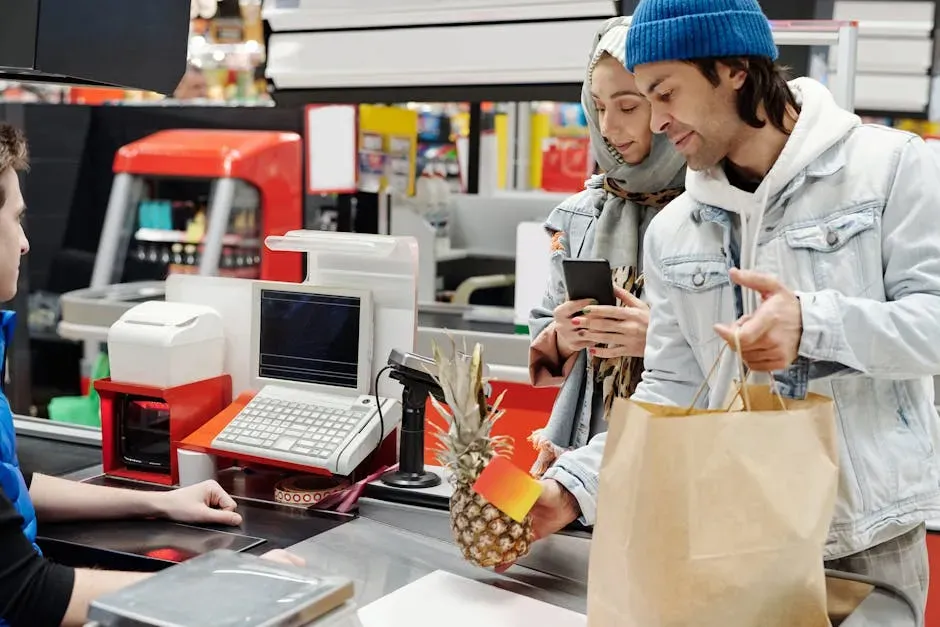
13. Checkout Lane Impulse Zones Targeting Your Tired Brain (Image Credits: Pexels)
In a mock-up supermarket study, researchers found that after around 23 minutes, customers began to make choices with the emotional part of their brain rather than the cognitive part. After 40 minutes, the time taken for a typical weekly shop, the brain gets tired and effectively shuts down, ceasing to form rational thoughts. All of this leaves shoppers ripe for poorer quality spending decisions as they weave through the middle aisles past the 23-minute mark.
Once the shopper has been effectively moved through the store, they head to the checkout queue. An abundance of sweets and chocolate sitting on the queue shelving look more appetizing than ever. This is yet another scheme used by stores to draw the consumer into a final round of spending. At this point, the shopper’s capability to make rational decisions has been diminished. As a finale, the checkout lines are lavishly lined with cheap, small, hard-to-resist products that easily influence the shopper.
14. Loyalty Cards That Build a Detailed Profile of Your Life

14. Loyalty Cards That Build a Detailed Profile of Your Life (Image Credits: Pexels)
A Consumer Reports investigation uncovered that Kroger grocery stores collect extensive customer data and use it to make detailed inferences, including using an “income predictor,” an estimate about a customer’s income level. More than 95 percent of customer transactions at Kroger are tied to a loyalty card. Kroger leverages customer data into a lucrative business, and its “precision marketing” division sells customer data to other companies for marketing and advertising purposes. That alternative profit business now represents more than 35 percent of the company’s net income.
Kroger alone earned over half a billion dollars selling personal shopper information to data brokers in 2024 and could make even more from shopper profiles going forward, accounting for a substantial share of the company’s total revenue, according to a Consumer Reports investigation. Albertsons, Safeway, Target, Walmart, CVS, and virtually every major retailer run the same playbook. The discount you get at checkout is real. The profile being built every time you swipe is equally real, and considerably more valuable to the store than the few cents you saved on cereal.