
Home values rarely collapse overnight. More often, the slide starts quietly, with small shifts that individually seem unremarkable but together tell a story worth paying attention to. Whether you’re a longtime homeowner or someone currently shopping for a property, knowing what to look for at the neighborhood level can make the difference between a sound investment and a costly mistake.
As of early 2026, roughly one in three of the nation’s 300 largest housing markets had recorded a year-over-year price decline, which means the conditions for neighborhood-level deterioration are more widespread than many buyers and sellers realize. The warning signs below are grounded in real estate research and observable patterns that repeatedly precede value declines across markets of all sizes.
1. Rising Crime Rates and Visible Signs of Disorder

1. Rising Crime Rates and Visible Signs of Disorder (Image Credits: Pexels)
Rising rates of vandalism, theft, or burglaries are immediate red flags for any homeowner. Safety is a fundamental requirement for a desirable neighborhood, and crime statistics are readily available to prospective buyers. The connection between crime and property values is one of the most consistently documented relationships in real estate research. Research consistently shows that where crime rates go up, property prices go down.
An uptick in visible signs of crime like graffiti or broken car windows creates an environment of anxiety and instability. Buyers will understandably avoid areas with worsening safety records regardless of home prices. Increased crime rates almost always correlate with falling property values. Even the perception of rising crime, shaped by visible disorder, can be enough to reduce buyer demand and suppress sale prices across an entire block or zip code.
2. Widespread Property Neglect and Deferred Maintenance
2. Widespread Property Neglect and Deferred Maintenance (Image Credits: Pexels)
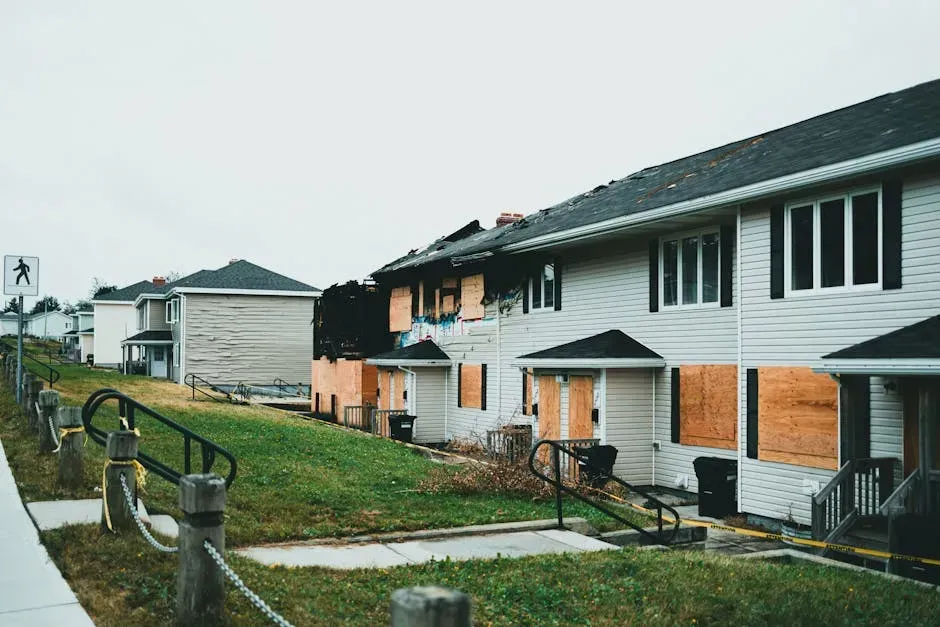
When multiple homeowners stop maintaining their properties, it affects the entire street. Overgrown lawns, peeling paint, and accumulated debris suggest a shift in the community standard of living. This lack of pride in ownership can stem from economic hardship or an increasing number of absentee landlords. What makes this warning sign particularly dangerous is how quickly it compounds. One or two neglected homes might not move the needle, but a pattern of deferred maintenance across a block sends a clear signal to appraisers and buyers alike.
When estimating a home’s value, real estate professionals look at comparable properties on the market. When the values of those comparable homes fall, your property can get washed away in the tide even if you do everything right, and it takes only one derelict property to ruin a block. When maintenance costs rise but property values fall, owners often postpone repairs, creating a snowball effect of deterioration. That cycle, once established, is genuinely difficult to reverse without coordinated community effort or outside investment.
3. Homes Sitting on the Market for Extended Periods
3. Homes Sitting on the Market for Extended Periods (Sustainable Economies Law Center, Flickr, <a href="https://creativecommons.org/licenses/by-sa/2.0/" target="_blank" rel="noopener">CC BY-SA 2.0</a>)
When houses stay listed for extended periods, it often indicates a lack of buyer interest in the area. A consistent pattern of homes lingering unsold suggests that the neighborhood is losing its appeal compared to competing areas. Buyers closely monitor days on market and use this metric to negotiate lower prices. This sluggish activity eventually forces sellers to reduce their asking prices, which drives down the comparable sales values for all surrounding homes.
2025 saw more homes on the market with price cuts than any March in the prior decade. While that reflected broader national pressure, neighborhoods showing persistently high days-on-market numbers tend to fare worse than surrounding areas during any cooling cycle. If properties are lingering on the market longer than usual, it’s often a sign that buyer interest is waning, and there may be an oversupply of homes. A single slow season is normal. Months of stagnation are not.
4. A Growing Concentration of Foreclosures
4. A Growing Concentration of Foreclosures (Image Credits: Pexels)
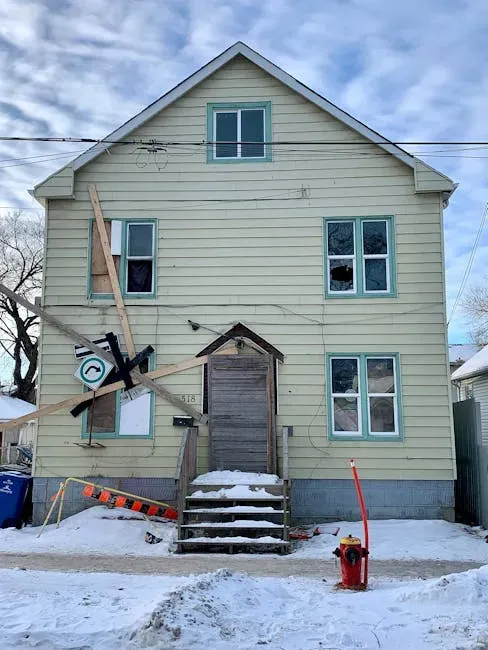
A rising number of foreclosed properties is a serious warning sign for any community. Bank-owned homes are typically sold at significant discounts to offload them quickly. These distressed sales heavily impact the appraisal values of neighboring properties by lowering the baseline for recent comparable transactions. The math here is straightforward and unforgiving. Appraisers rely on recent comparable sales, and a discounted foreclosure sale becomes part of that data set whether neighboring homeowners like it or not.
Studies have shown that living within a quarter-mile radius of a foreclosed home can cause a roughly four percent decline in property values. Neighboring home values are proven to drop an average of one percent for every seven percent the foreclosed home value drops, according to RealtyTrac data. Foreclosed homes are often neglected, and their deteriorating appearance negatively affects the visual appeal of the entire street. A concentration of foreclosures signals economic distress within the community itself.
5. Declining Local School Quality

5. Declining Local School Quality (Image Credits: Pexels)
When families shop for homes, they’re rarely buying just a house – they’re buying access to a neighborhood, a community, and most importantly, a school district. In markets across the country, homes near highly rated schools command premiums of ten to fifty percent or more, even for buyers who don’t have children yet. This premium cuts both ways. When school quality falls, that premium erodes, and it can do so faster than most homeowners expect.
Research from the National Bureau of Economic Research found that every dollar a community spends on public schools increases home values by twenty dollars. Meanwhile, properties near schools rated eight or higher on platforms like GreatSchools sell faster and command higher prices than homes in districts rated below five. Research from the Hamilton Project confirms that higher-poverty districts saw larger declines in school enrollment, and that pattern tends to reinforce itself over time. When a local school loses students steadily year over year while city-wide enrollment holds steady, it’s one of the clearest data points that families are quietly voting with their feet.
6. A Rapid Shift Toward Rental Properties and Vacant Storefronts
6. A Rapid Shift Toward Rental Properties and Vacant Storefronts (Image Credits: Unsplash)
A sudden influx of single-family homes being converted into rental properties can alter the neighborhood dynamic. While rentals are a necessary part of the housing market, a high concentration often leads to a more transient population. The research backs up what many longtime homeowners have observed anecdotally. Increasing the share of single-family rentals has among the largest negative effects on neighborhood home price indices, causing roughly a five percent decrease.
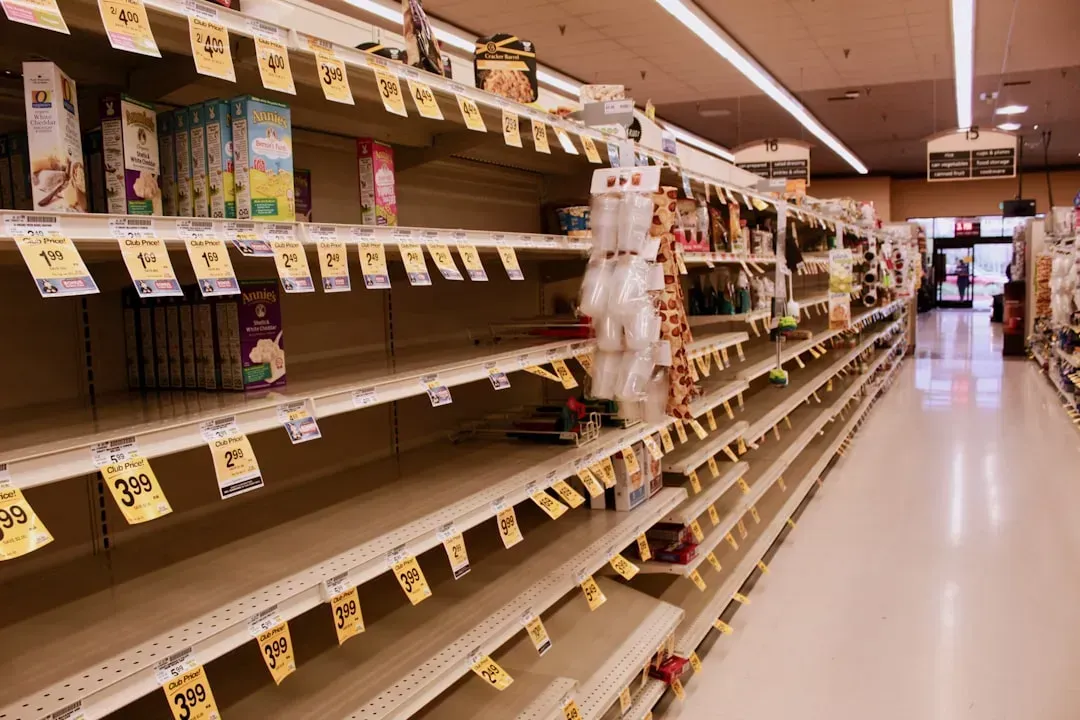
The health of local commercial districts is closely tied to residential property values. When local businesses close and storefronts remain empty for long stretches, it points to a struggling local economy. A thriving neighborhood supports shops and restaurants, while a declining one cannot sustain them. The lack of nearby amenities makes the area less attractive to potential homebuyers who prioritize convenience and community hubs. Empty commercial spaces also create an atmosphere of neglect that spills over into residential perception.
None of these six warning signs operates in isolation. A single foreclosure or one closed coffee shop doesn’t define a neighborhood’s trajectory. What matters is the pattern, the direction, and how many of these signals appear at the same time. Catching two or three of them together in a neighborhood where you already own, or are considering buying, is worth taking seriously before the market makes the decision for you.