
Trust isn’t something you can announce or campaign for. Most people who genuinely earn it never seem to be trying. They just behave a certain way, consistently, and over time others around them notice. Trust, at its core, is the belief that someone can be relied on to do what they say they will. Simple as that sounds, it turns out to be rare.
What separates the truly trusted from the merely likeable isn’t charm or status. It’s a handful of habits, practiced quietly and without fanfare. Some of them are surprisingly small. Here are fourteen that research and human experience consistently point to.
1. They Listen More Than They Speak

1. They Listen More Than They Speak (Image Credits: Pexels)
Active listening transforms conversations from transactional exchanges into opportunities for deeper connection and alignment. People who are trusted tend to be genuinely present when others talk, not scanning the room, not rehearsing their own response, but actually receiving what’s being said.
Interrupting, talking over others, or allowing side conversations undermines the trust that active listening builds. These behaviors, even when unintentional, communicate impatience. The person who waits, absorbs, and then responds thoughtfully signals that you matter to them. That signal builds trust faster than almost anything else.
2. They Do What They Say They Will Do

2. They Do What They Say They Will Do (Image Credits: Pexels)
Trust is built over time through consistent actions and reliable communication. When we follow through on our promises, meet deadlines, and consistently communicate honestly and openly, trust begins to grow. It sounds mundane because it is. There’s no secret here, just follow-through.
The problem is that most people underestimate how closely others track this. People remember who showed up and who didn’t, who delivered and who made excuses. Consistency and reliability play a significant role in fostering trust, and by delivering on promises consistently and honoring commitments promptly, we create an atmosphere of dependability which helps strengthen relationships.
3. They're Predictable in Their Behavior

3. They're Predictable in Their Behavior (Image Credits: Pexels)
Predictability gets a bad reputation, as though it signals a lack of spontaneity. In reality, it’s one of the most trust-generating qualities a person can have. The more others can predict what you will say and do, the easier it is for them to trust you.
This doesn’t mean being rigid or boring. It means your values and your conduct align, day in and day out. People feel safe around someone whose reactions they can reasonably anticipate. Unpredictability creates anxiety; behavioral consistency creates confidence in a relationship.
4. They Admit When They're Wrong
4. They Admit When They're Wrong (Image Credits: Unsplash)
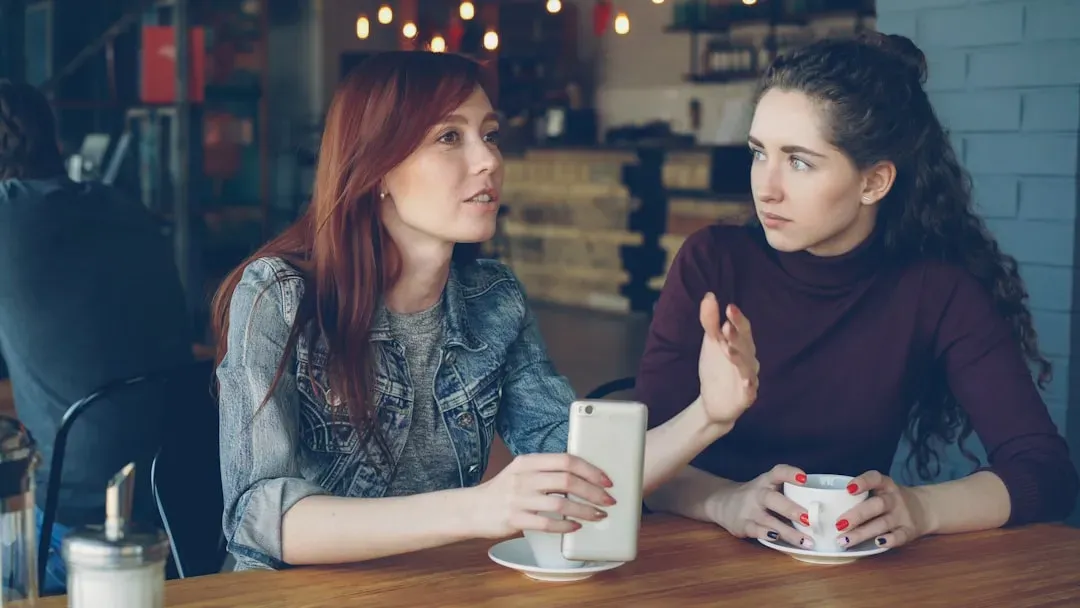
Nobody trusts perfection, because nobody believes in it. The person who can say “I got that wrong” without deflection or spin earns far more credibility than someone who defends every misstep. Trustworthiness is the most significant predictor of trust and has a significant impact on people’s levels of trust.
Owning a mistake is actually a display of confidence, not weakness. It signals that you care more about accuracy and the relationship than about your ego. That’s a rare and noticeable quality. People unconsciously file it away and extend more trust as a result.
5. They Keep Confidences Without Being Asked

5. They Keep Confidences Without Being Asked (Image Credits: Unsplash)
When someone shares something sensitive, a trusted person doesn’t need to be reminded to keep it private. They just do. The absence of gossip is one of the clearest trust signals there is, partly because it’s so uncommon.
Trust is not a static or singular construct. It is multifaceted, dynamic, and shaped by interpersonal, institutional, and systemic factors. At the personal level, one of those systemic factors is simply whether people feel safe sharing with you. Consistent discretion builds that safety over time, even when nothing dramatic is being discussed.
6. They Show Genuine Interest in Others

6. They Show Genuine Interest in Others (Image Credits: Pexels)
Building rapport involves finding common ground with others and creating a comfortable space for conversation. By showing genuine interest in what someone has to say and actively listening to their thoughts and feelings, we demonstrate our commitment to building that rapport.
There’s a big difference between being polite and being interested, and people can feel that difference. Remembering a detail from a previous conversation, asking a real follow-up question, or noticing when something seems off with someone, these small acts accumulate into a reputation for caring. And people trust those who care about them.
7. They Don't Exaggerate

7. They Don't Exaggerate (Image Credits: Pexels)
Trusted people tend to speak with precision. They say “I think” when they’re not sure, “I don’t know” when they lack information, and they resist the temptation to inflate a story for effect. Over time, this restraint means that when they do make a strong claim, people believe it.
Existing trust research has disproportionately focused on what makes people more or less trusting, and has largely ignored the question of what makes people more or less trustworthy. One clear answer sits in calibrated honesty: people who neither undersell nor oversell the truth become the ones others turn to when accuracy matters.
8. They Take Responsibility Without Blame-Shifting

8. They Take Responsibility Without Blame-Shifting (Image Credits: Pexels)
When something goes wrong in a group or project, the trusted person doesn’t scan for someone else to point at. They assess what role they played, name it clearly, and focus on what comes next. Guilt-proneness predicts trustworthiness through a sense of interpersonal responsibility as the underlying mechanism.
This kind of accountability is visible and contagious. Others notice when someone doesn’t deflect, and they remember it. It creates the impression, usually accurate, that this is someone you can count on to handle hard situations with maturity.
9. They Validate Before They Advise
9. They Validate Before They Advise (Image Credits: Pexels)
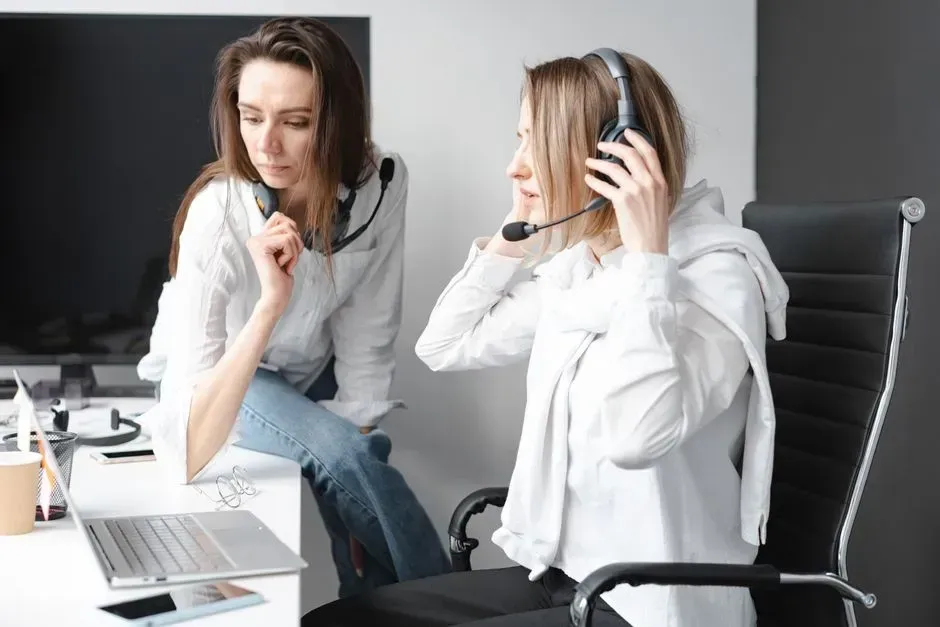
Being a thoughtful listener, asking questions, seeking clarification, and encouraging others to share their perspectives reinforces relationships and enables others to feel more comfortable sharing again in the future. Trusted people understand this intuitively. Before offering a solution, they first acknowledge what’s been shared.
This matters because most people, when they’re frustrated or uncertain, don’t primarily want advice. They want to feel understood first. The person who asks one more clarifying question before launching into suggestions earns a kind of trust that the fast-advice-giver rarely does.
10. They Are Transparent About Their Limitations

10. They Are Transparent About Their Limitations (Image Credits: Pexels)
Knowing what you don’t know, and saying so openly, is underrated. The expert who acknowledges the edge of their expertise becomes more credible, not less. It tells everyone in the room that what they do claim to know is probably reliable.
Trust is not a static or singular construct. It is multifaceted, dynamic, and shaped by interpersonal, institutional, and systemic factors. Several core elements contribute to the cultivation of trust, including transparency, respect, autonomy, and empowerment. Transparency about limitations is a direct expression of that first element.
11. They Give Credit Freely

11. They Give Credit Freely (Image Credits: Pexels)
The person who credits others publicly, without hesitation and without keeping score, signals that they’re not playing a zero-sum game. This matters enormously for trust. People feel safe contributing around someone who won’t quietly appropriate their ideas or downplay their work.
Research published in the Journal of Organizational Behavior found that team members were significantly more likely to adopt and follow those who visibly practiced positive habits themselves. This effect was particularly strong for habits related to communication and continuous learning. Generosity with credit is exactly the kind of visible habit that shapes how people perceive your character over time.
12. They Stay Calm Under Pressure

12. They Stay Calm Under Pressure (Image Credits: Unsplash)
When things are chaotic or stakes are high, one of the most trust-generating things a person can do is remain steady. Not detached, not dismissive, just grounded. These strategic practices build self-trust and stabilize your nervous system. That inner stability projects outward in ways people instinctively read and respond to.
A calm presence under pressure communicates competence and emotional maturity, both of which are central to trustworthiness. People don’t just feel safer around a calm person. They also make better decisions, which reinforces the trust cycle further.
13. They Are Consistent Across Contexts

13. They Are Consistent Across Contexts (Image Credits: Unsplash)
Some people are warm in one-on-one settings but dismissive in groups. Others are generous with friends but cold with colleagues. Those inconsistencies erode trust, often without anyone naming exactly why. Sustainable habits align with personal identity. Trusted people don’t have a “work version” of themselves that behaves fundamentally differently from their private one.
When your behavior stays recognizable across different environments, you signal integrity at a deep level. People understand, even if they can’t articulate it, that what they see is what there is. That’s a rare quality, and it sits at the center of why certain people are trusted wherever they go.
14. They Follow Up
14. They Follow Up (Image Credits: Pexels)
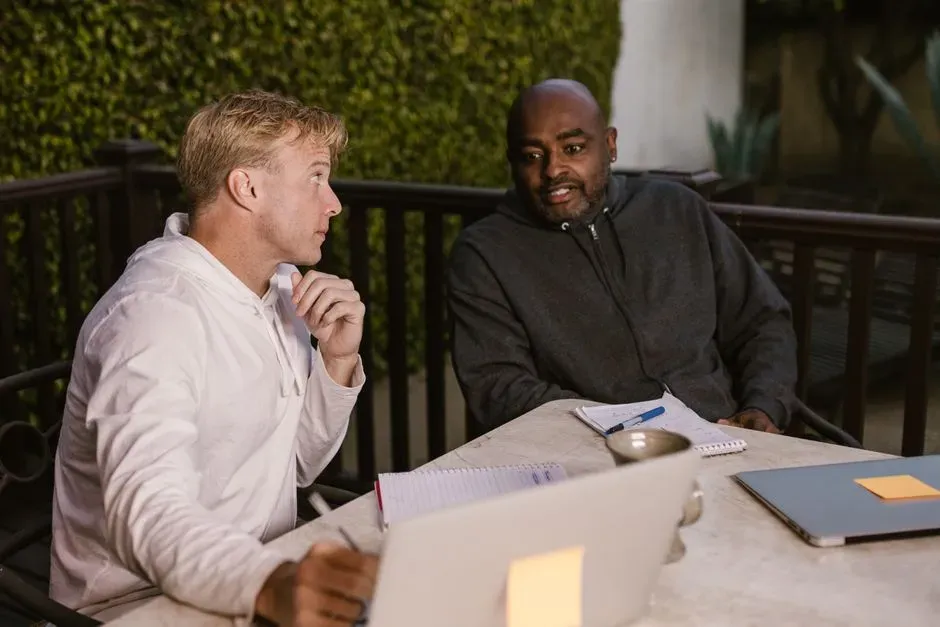
The follow-up is one of the most undervalued trust-building actions available to anyone. Checking in after a difficult conversation, sending the resource you mentioned, circling back to ask how something went, these small acts confirm that the original interaction wasn’t just performance.
Research on listening to employees found that the perception of being listened to is significantly greater among those whose leader then took an action. When leaders act on what they heard, this builds trust and greater psychological safety, and their employees are more likely to raise suggestions or share ideas again in the future. The same logic applies in any setting, personal or professional. Action after conversation is the thing that seals trust in a way that words alone cannot.
None of these fourteen habits require a personality overhaul. Most of them are quiet, structural adjustments to how you show up in everyday interactions. Our habits shape lives more deeply than most people realize, with research from Duke University showing that habits drive roughly two fifths of our daily behaviors. That means even a small shift in a habitual behavior, practiced consistently, will eventually define how others see and rely on you.
Trust, it turns out, is mostly built in the ordinary moments, not the grand ones.