
Kids are always watching, even when it seems like they're too busy with a toy or a screen to notice anything. Child psychologists have spent decades tracking how small, everyday moments, the ones parents barely think twice about, shape a child's sense of safety, self-worth, and future relationships. Some of these habits are obvious once you hear them named. Others are surprisingly easy to fall into without realizing the damage they can do.
1. Fight in destructive, unregulated ways

1. Fight in destructive, unregulated ways (Image Credits: Pexels)
Not all arguing is harmful, but the style of the fight matters enormously. The fights that have the greatest negative impact on children are characterized by high levels of verbal or physical aggression. Research from a three year study of more than 300 families found that the intensity of the fighting in front of the kids and the lack of repair attempts is more impactful than just the number of fights the parents have.
The good news is that disagreement itself isn’t the villain. When children witness healthy conflict resolution, they can actually benefit, learning valuable problem-solving skills that help them navigate relationships later in life. A 2024 study covered by NBC News even found that kids benefit from seeing their parents disagreeing and even being mildly angry, since it gives them a lesson on how you can come to a mutually acceptable solution through compromise. The line is calm versus cruel, not disagreement versus silence.
2. Involve kids in fights that are actually about them
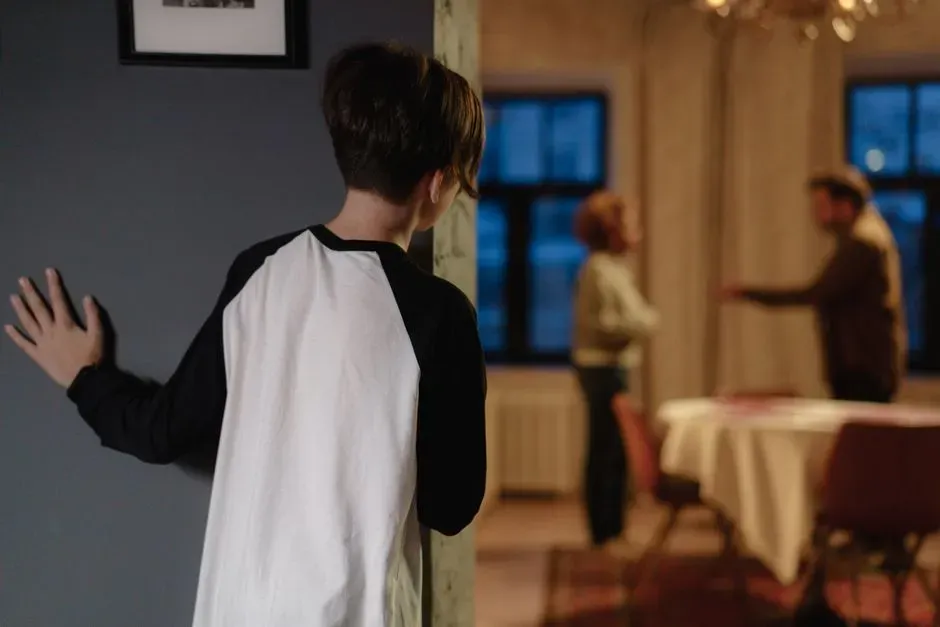
2. Involve kids in fights that are actually about them (Image Credits: Pexels)
Arguments that pull children into the middle tend to leave the deepest marks. Even more so if the row is about children, for example where children blame themselves or feel at fault for the arguments. Great parents keep custody schedules, discipline disagreements, and school decisions between the adults, then present a united front once a decision is made.
When a child overhears their name in a heated exchange, they tend to internalize it as a personal failing rather than a normal parenting disagreement. When a child feels tension between parents, they’ll internalize their emotions and often blame themselves. That misplaced guilt can quietly follow a kid for years if it’s never corrected.
3. Use name-calling or harsh, disrespectful language

3. Use name-calling or harsh, disrespectful language (Image Credits: Pexels)
Language is one of the fastest things children absorb, for better or worse. Kids repeat what they hear, and yelling or using unkind words can shape how they speak to others and handle conflicts. If harsh words become the default tone at home, they often show up later in how a child talks to friends, siblings, or teachers.
Child psychologists interviewed by Parade note that they are fans of authoritative parenting, and you probably won’t find them turning a blind eye to certain behaviors, like name-calling and extreme clinginess. Modeling calm correction instead of insults teaches kids that frustration doesn’t require cruelty.
4. Compare siblings or classmates out loud
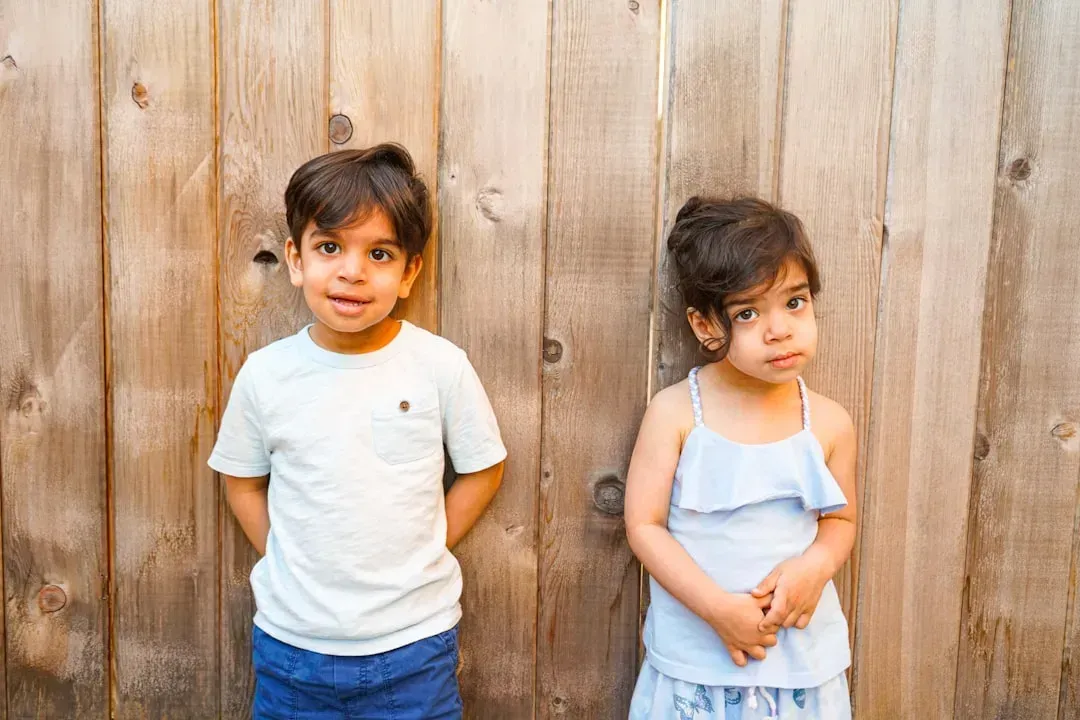
4. Compare siblings or classmates out loud (Image Credits: Unsplash)
Comparison feels harmless in the moment, but it lands differently on the receiving end. Research from Brigham Young University found that a parent’s belief about their kids has a greater impact on their lives than many think, following a study on how parents’ opinions of their kids in comparison to other siblings affect the children’s behavior in the future.
Developmental psychologist Alexander Jensen, who led that research, put it plainly: “When parents make those vocal comparisons, I think it is harmful to kids. Siblings are going to compare themselves enough as it is; they don’t need their parents to add to it.” Even well-meaning comments like praising one child’s grades in front of another can quietly plant resentment or self-doubt.
5. Stay glued to their phone during shared moments
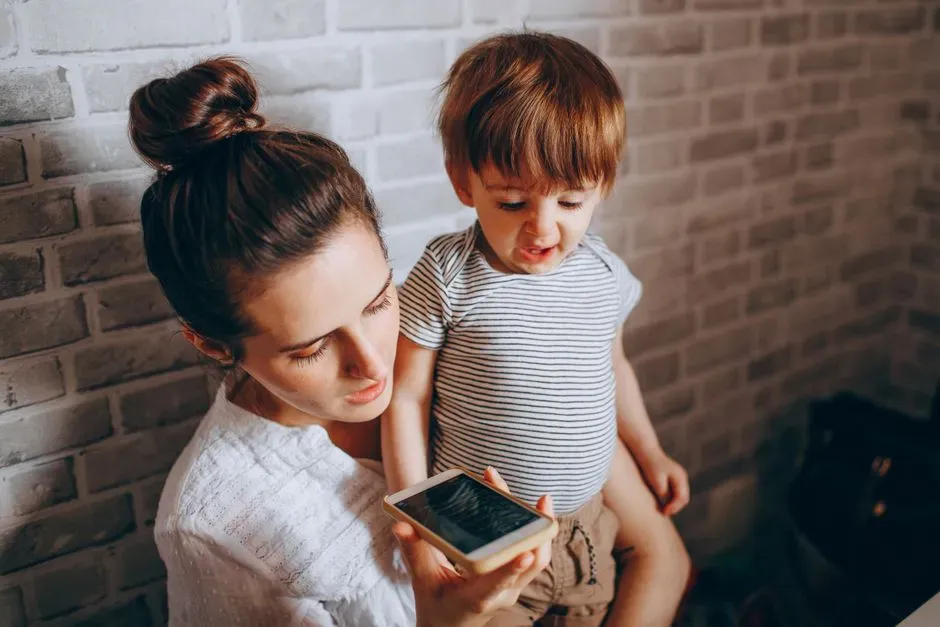
5. Stay glued to their phone during shared moments (Image Credits: Pexels)
Phones have become the background noise of modern parenting, and kids notice more than adults expect. A UC Santa Barbara study found that the parents’ use of smartphones in front of their kids can hurt their emotional intelligence, their ability to manage their own emotions and understand the emotions of others around them.
Communication professor Robin Nabi summed up the concern this way: “We know how easy it is for parents to be absorbed in their own phones, which could limit the interaction and feedback they give to their children.” Great parents don’t ban phones entirely, but they carve out screen-free windows, especially during meals and one-on-one time, so kids get uninterrupted attention.
6. Get drunk or drink heavily

6. Get drunk or drink heavily (Image Credits: Unsplash)
Alcohol at home doesn’t just affect the parent drinking it. According to findings from the Institute of Alcohol Studies, parents can behave unpredictably, argue more, and glamorize alcohol to their kids after getting tipsy, while the kids can get embarrassed or receive less attention.
Even moderate drinking isn’t automatically off the hook. Even low-level drinking may negatively affect children’s well-being. A parent can enjoy a glass of wine socially without issue, but visible intoxication in front of kids sends a confusing message about self-control and safety.
7. Smoke or vape near their children

7. Smoke or vape near their children (Image Credits: Pixabay)
Secondhand exposure is a well-documented physical risk, not just a modeling issue. Passive smoking, where kids inhale cigarette smoke due to proximity to a smoking adult, exposes children to diseases like asthma and pneumonia, with smoke exposure known as a leading cause of sudden infant death syndrome.
The long-term risks compound over time as well. It can also cause lung cancer and heart attacks as a result of repeated exposure. Great parents who smoke or vape take it outside, away from kids entirely, rather than assuming a closed window is enough protection.
8. Discuss serious financial stress in frightening terms

8. Discuss serious financial stress in frightening terms (Image Credits: Pexels)
Money worries are real, but the way they’re voiced matters. Experts note that parents should avoid discussing financial struggles in front of their children, as it can create feelings of anxiety and insecurity about their family’s stability.
Kids don’t need every budgeting decision explained to them, but they also shouldn’t be shielded from all financial reality. A calm, age-appropriate mention that the family is saving up for something is very different from a panicked conversation about unpaid bills within earshot of a six year old.
9. Publicly tease, shame, or mock their child

9. Publicly tease, shame, or mock their child (Image Credits: Unsplash)
What feels like a lighthearted joke to an adult can land as humiliation to a child. It may seem funny to tease your child in front of others, but it may hurt them from within, and the kid can grow up with negative thoughts and fear for certain things in life, or maybe lack of confidence.
The advice from child development specialists is straightforward on this one. Do not make fun of your kids publicly or shame your kids, as it can have a negative impact on their life. Private, gentle correction almost always works better than a public laugh at a child’s expense.
10. Speak negatively or gossip about other people

10. Speak negatively or gossip about other people (Image Credits: Pexels)
Kids absorb attitudes toward other people just as readily as they absorb vocabulary. As one parenting resource puts it, kids learn by example when it comes to speaking negatively about others.
A parent who regularly criticizes neighbors, coworkers, or extended family in front of their child is quietly teaching that gossip and judgment are normal social currency. Great parents tend to save venting about other adults for conversations well out of earshot, saving the child from inheriting grudges that aren’t theirs.
11. Treat a child like a mini adult
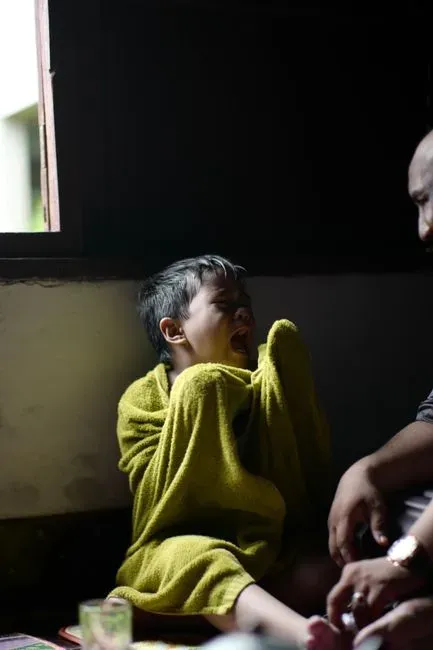
11. Treat a child like a mini adult (Image Credits: Pexels)
It’s tempting to expect a young child to reason or regulate emotions the way an adult would, but that expectation backfires. Psychologists who specialize in child development are firm on this point: children are children, not mini-adults, and it’s essential to remember that and treat them accordingly, especially regarding emotions and behavior.
That means allowing space for the messy parts of childhood rather than punishing them as if they were adult misbehavior. As one licensed psychologist explains, kids “are allowed to have bad moods, complain and throw tantrums.” The healthier response is natural consequences and patient teaching, not treating every meltdown as a character flaw.
12. Overshare adult topics they aren't ready for
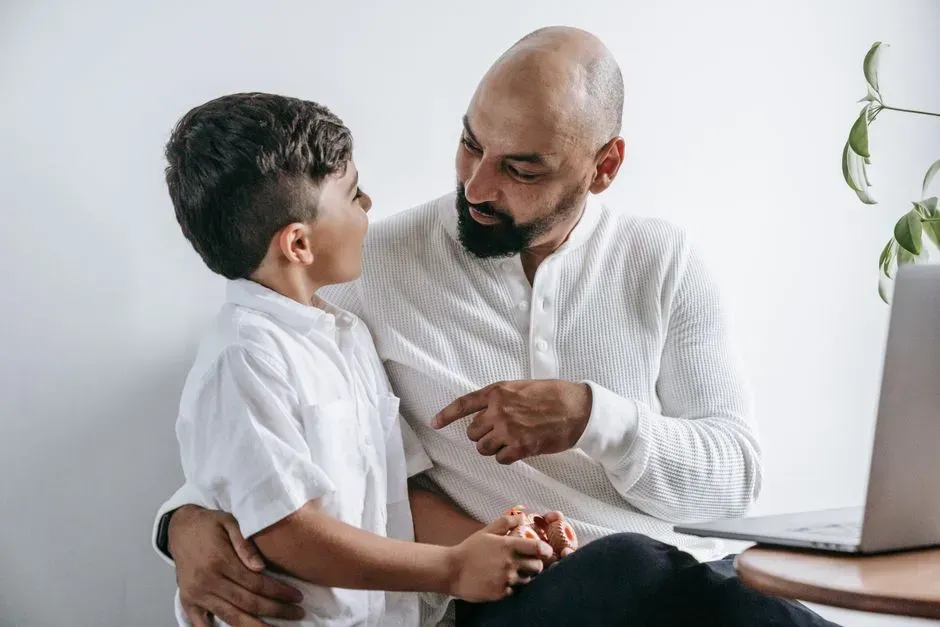
12. Overshare adult topics they aren't ready for (Image Credits: Pexels)
There’s a meaningful difference between honesty and oversharing. Psychology-based guidance suggests parents should protect a child’s emotional well-being by steering clear of harmful discussions, including topics such as past traumas, controversial politics, and parental sacrifices, which should remain private.
None of this means pretending life is perfect. It simply means filtering complex adult context, custody disputes, workplace drama, or graphic details of a family tragedy, until a child is old enough to process it without absorbing unnecessary fear.
13. Bring workplace burnout home unfiltered
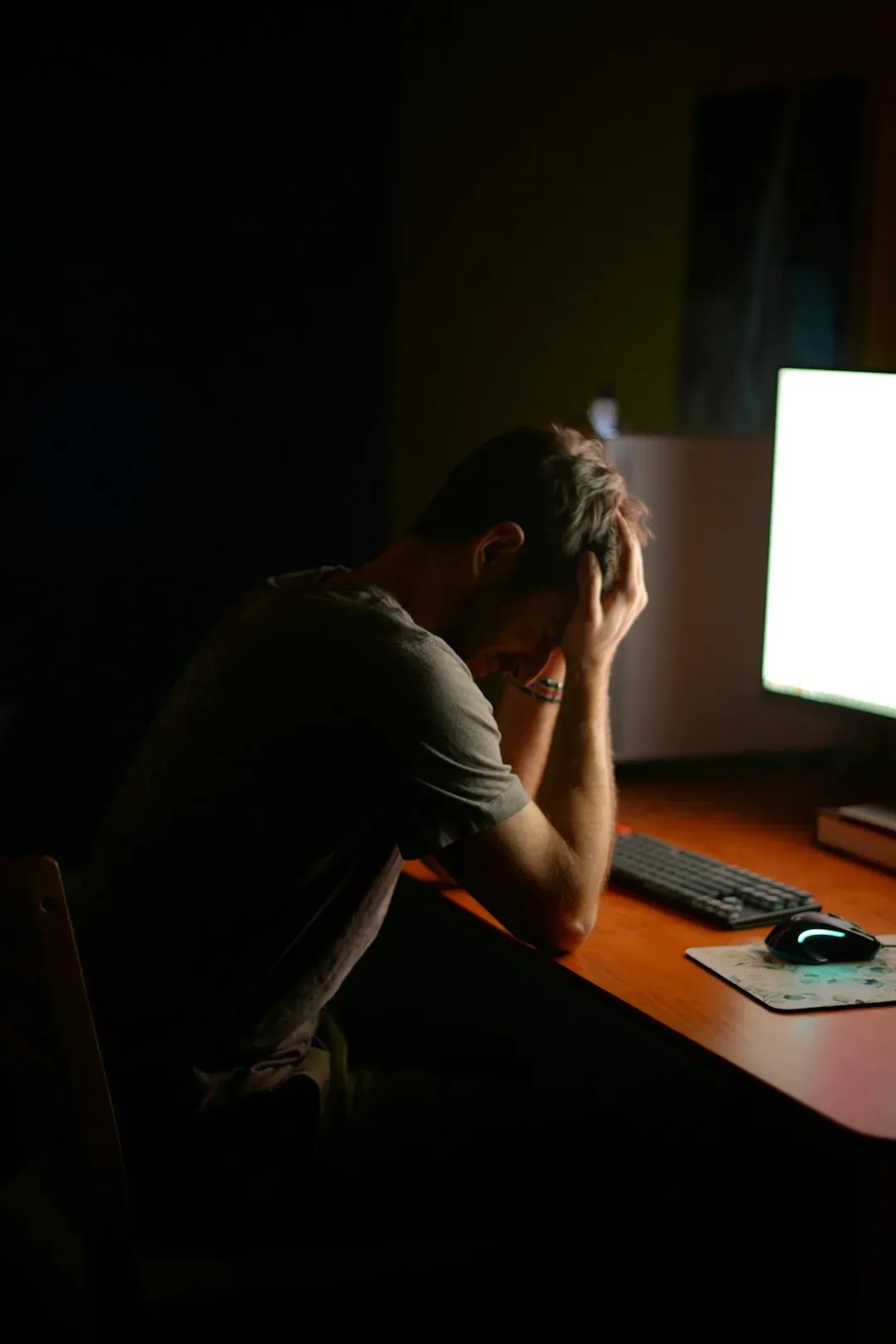
13. Bring workplace burnout home unfiltered (Image Credits: Unsplash)
Work stress has a way of leaking into family life if it isn’t managed. Clinical psychologist Robyn Koslowitz, cited by the American Psychological Association, suggested that because shame only compounds burnout feelings, the key is to share your experiences in a nonjudgmental atmosphere rather than dumping raw frustration onto the household.
Left unchecked, that leaked stress doesn’t stay contained to the parent experiencing it. Research cited in the same coverage found that discussing these types of stresses will only make a child more susceptible to stress, impacting their mental health for the worse. Great parents find outlets, whether that’s a support community or a therapist, before frustration spills into the living room.
14. Show up drunk, aggressive, or unpredictable in public
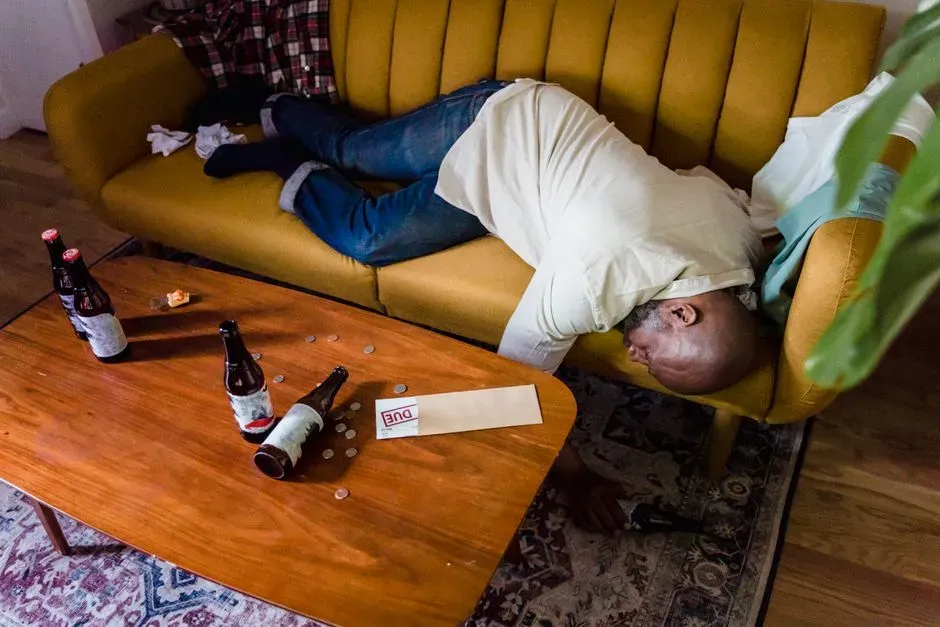
14. Show up drunk, aggressive, or unpredictable in public (Image Credits: Pexels)
Consistency is one of the quiet gifts good parenting gives a child, and unpredictable behavior chips away at it fast. When a parent’s mood or judgment shifts unpredictably in front of a child, whether from alcohol, stress, or anger, it removes the sense of safety a child relies on to feel secure in their environment.
Children exposed to this kind of instability tend to become hyper-alert to adult moods, always scanning for warning signs rather than simply being kids. Predictable, steady behavior, even during hard days, is one of the simplest ways parents protect a child’s nervous system from chronic low-grade stress.
15. Dismiss or mock a child's fears and emotions
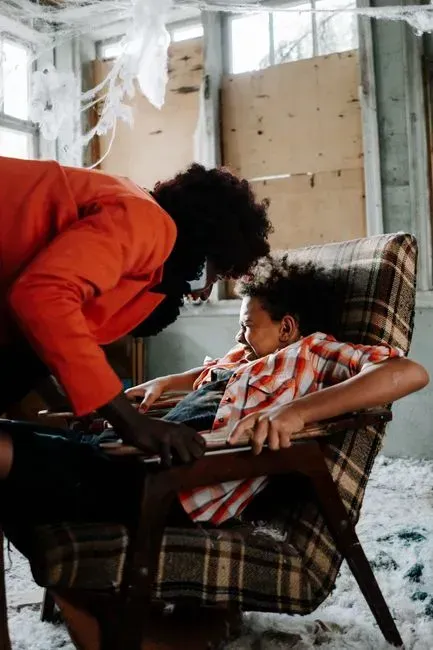
15. Dismiss or mock a child's fears and emotions (Image Credits: Gallery Image)
Fear that gets laughed off doesn’t disappear, it just goes underground. Teasing a child about being scared of the dark, a doctor’s visit, or a new experience can quietly erode their confidence rather than toughen them up.
Child psychologists generally recommend acknowledging a fear before addressing it, rather than brushing past it with a joke. A child who feels heard when they’re anxious learns to trust their own emotions, while a child who’s mocked often learns to hide them instead, which tends to resurface as anxiety or withdrawal later on.