
Scroll through any parenting forum in 2026 and you’ll notice something odd. The advice that felt cutting-edge just a few years ago is now getting a second, more skeptical look. Parents aren’t necessarily rejecting everything wholesale, but a quiet recalibration is happening in kitchens and group chats across the country, driven less by trend-chasing and more by lived experience, new research, and a handful of high-profile cautionary tales.
The gentle parenting rebound

The gentle parenting rebound (Image Credits: Pixabay)
For much of the last decade, gentle parenting was the default advice on social media, promising calmer households through validation and negotiation instead of punishment. Today, a parent is likely to crouch beside a tantruming child, acknowledge their frustration, and offer a choice between two acceptable options instead of issuing a command. It worked for plenty of families, but a growing number are now describing something closer to exhaustion than connection.
As the movement moves further into 2026, there’s a palpable shift, a growing unease, and an undeniable phenomenon known as the gentle parenting backlash. Even prominent voices in the space are distancing themselves from the label. Psychologist Dr. Becky Kennedy, founder of the parenting platform Good Inside, rejects the “gentle parenting” name entirely and instead calls her method “sturdy parenting,” combining firm boundaries with emotional connection, essentially love with limits. Many parents are landing somewhere similar, keeping the empathy but reintroducing the word no.
Sharenting every milestone online

Sharenting every milestone online (Image Credits: Pexels)
Posting a baby’s first steps or a toddler’s cake-smeared birthday face used to feel like harmless documentation. Yet studies show that three in four parents using social media platforms have posted content about their kids online, which can expose children to cyberbullying and identity theft. That math is starting to worry people who once thought nothing of it.
In 2025, a growing number of parents began rethinking how much they share about their children online, with privacy concerns, digital safety, and long-term emotional impacts all part of the conversation. Part of the shift comes down to consent. As one researcher working on children’s digital privacy put it, “Everything that parents post is visible online and stays on the internet forever.” Some families are switching to private accounts or family group chats instead, quietly stepping back from the public feed.
Handing kids an AI companion chatbot

Handing kids an AI companion chatbot (Image Credits: Pexels)
AI chatbots designed to feel like a friend, not just a search engine, have moved from novelty to normal shockingly fast. A 2025 survey by Internet Matters found that 64 percent of children used AI chatbots for everything from homework help to emotional advice and companionship. Among teens specifically, a Common Sense Media report revealed that 72 percent have used AI companions at least once, with over half reporting regular use.
The concern isn’t hypothetical anymore. Several high-profile cases in 2024 and 2025 involved children becoming deeply emotionally dependent on chatbot companions, with some cases linked to self-harm. Lawmakers have started responding in kind: California passed SB 243, a first-of-its-kind law regulating AI companions, prompting Character.AI to announce a ban for users under 18. Plenty of parents aren’t waiting for regulation to catch up, choosing instead to keep these apps off their kids’ phones altogether.
Screens as the default babysitter
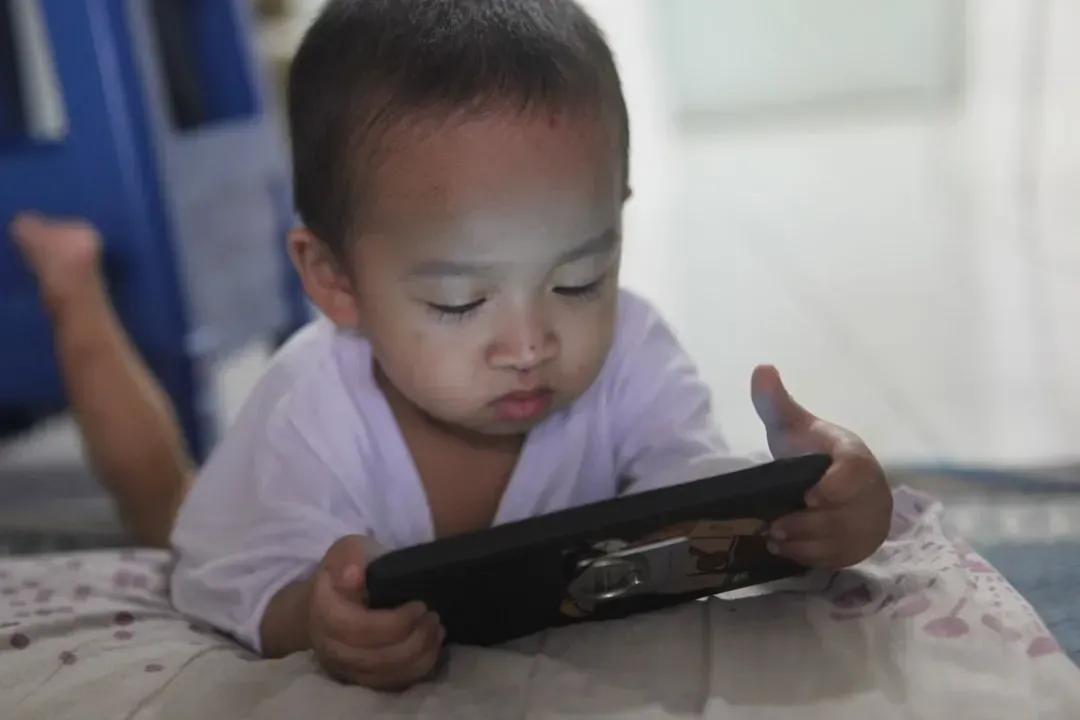
Screens as the default babysitter (Image Credits: Unsplash)
Handing a toddler a tablet during a grocery run has become almost reflexive for a lot of households. Caregivers reported that by two years old, four in ten children already have their own tablet. That number alone has made some parents pause and reconsider what “just for a few minutes” actually adds up to over a week.
Official guidance is shifting too, which adds to the uncertainty. In January 2026, the American Academy of Pediatrics retired its decade-old framework built around hourly screen limits, moving toward a policy that considers the broader context of media use rather than lumping all screen time together. Meanwhile, Australia became the first country to ban social media for users under 16 in December 2025, with Denmark, France and the UK announcing similar restrictions. Watching those laws unfold has made some American parents rethink screen habits at home well before their kids reach the social media years.
Family vlogging and the kidfluencer economy

Family vlogging and the kidfluencer economy (Image Credits: Pexels)
Filming your kids for a YouTube channel or TikTok account once looked like a fun side hustle. That image took a serious hit after the Ruby Franke case. The popular YouTube family vlogger was arrested after her 12-year-old son, with duct tape stuck to his ankles and wrists, ran to a neighbor’s house asking for food and water, and she was later convicted on child abuse charges and sentenced to up to 30 years in prison.
The fallout reshaped how lawmakers and parents alike view putting children in front of a camera for profit. In 2024, Illinois became the first state to expand its child labor laws to cover child influencers and vloggers, with California and Minnesota following the same year and Utah passing similar legislation in 2025. Illinois now requires vloggers who feature children to set aside a portion of earnings into a trust for the minor, while Minnesota prohibits children under 14 from engaging in content creation work. Plenty of parents who once filmed everything are now keeping their kids’ faces off camera entirely.
Round-the-clock digital surveillance

Round-the-clock digital surveillance (Image Credits: Pixabay)
GPS trackers, location-sharing apps, and kid-focused smartwatches promised peace of mind for anxious parents. Roughly four in ten parents with a child 12 or younger say their child uses a voice assistant like Siri or Alexa, and 11 percent say their child uses a smartwatch. These tools are common now, but not everyone is convinced they’re doing what parents hoped.
The worry isn’t just about screen exposure at a young age. It’s about what constant tracking teaches kids about trust, both in themselves and in the adults around them. Some parents who leaned hard into monitoring apps during the pandemic years are now scaling back, worried that treating a child’s every move as data to be checked undermines the independence they’re supposed to be building.
Overscheduled, resume-building childhoods
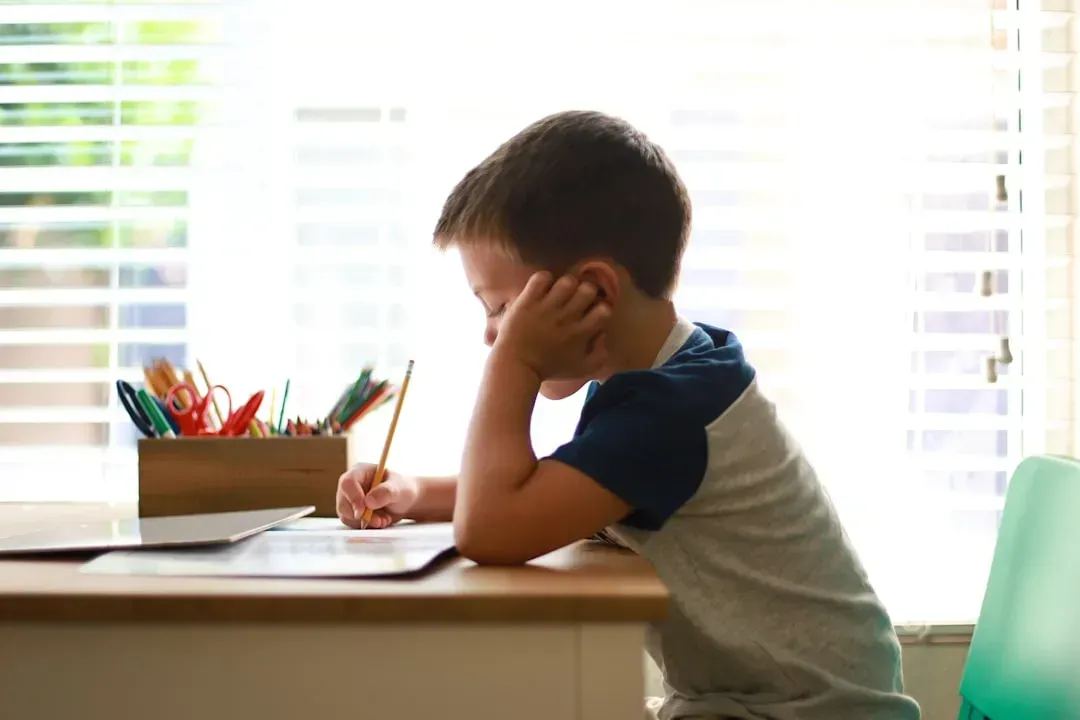
Overscheduled, resume-building childhoods (Image Credits: Unsplash)
Stacking a child’s calendar with travel soccer, coding camp, violin lessons, and tutoring has long been sold as giving kids a competitive edge. Increasingly, though, parents are questioning whether that packed schedule actually serves the child or mostly serves parental anxiety about falling behind. Pediatricians and family therapists have spent years flagging unstructured free play as essential for problem-solving and emotional regulation, and that message finally seems to be landing with more families.
What’s changing isn’t necessarily the activities themselves, but the volume and the motive behind them. Some parents are deliberately leaving evenings and weekends open, choosing one or two activities their child actually asked for instead of a curated portfolio designed to impress future college admissions officers. It’s a small shift, but it reflects a broader tiredness with childhoods that look more like a job than a childhood.
Trophies and praise for everything
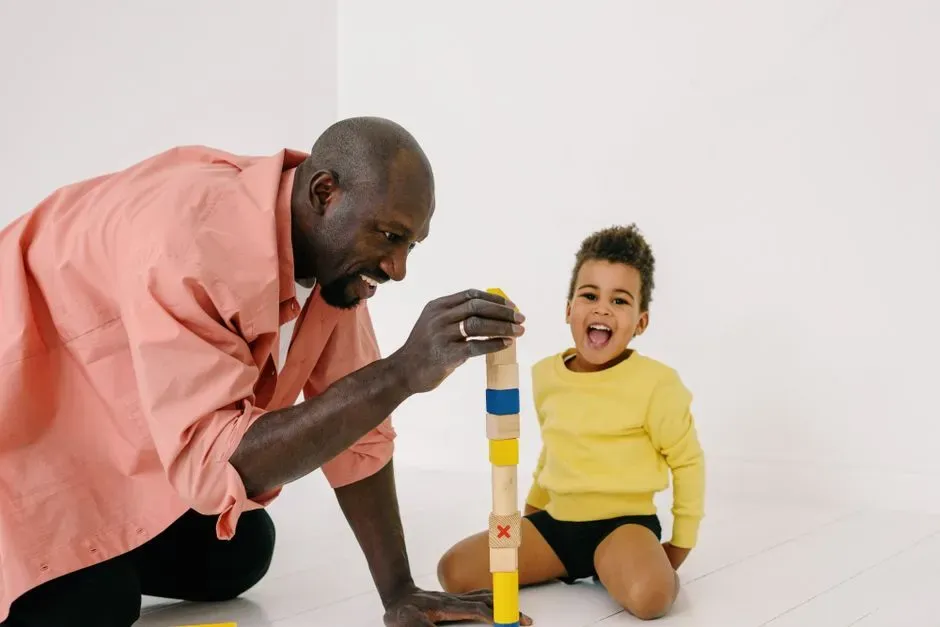
Trophies and praise for everything (Image Credits: Pexels)
The instinct to praise every attempt, win or lose, took hold as a way to protect self-esteem, but a fair number of parents are now second-guessing it. Constant, undifferentiated praise can flatten a child’s sense of what actually took effort versus what was just showing up. Positive discipline experts increasingly emphasize teaching over unconditional praise, treating behavioral missteps as opportunities for learning rather than reasons for shame or automatic reward.
Some families are swapping blanket praise for specific, honest feedback and letting natural consequences do more of the teaching. Rather than arbitrary rewards or punishments, some parents are letting the situation itself teach the lesson, such as a child feeling cold after refusing to wear a coat, within safe limits. It’s a smaller, quieter shift than the others on this list, but for a lot of parents it marks a return to letting kids sit with the actual outcome of their choices instead of softening every edge.