
Good neighbors aren’t born, they’re made through a series of small, deliberate choices. Most people don’t intend to be difficult – they simply get caught up in the rhythms of their own lives and forget how closely those rhythms intersect with the people living just next door, across the fence, or down the hall.
The habits that define a truly well-mannered homeowner aren’t grand gestures. They’re quiet, consistent acts of consideration. Being a respectful, civil neighbor to those who live around you matters more than most people realize – neighborly etiquette is key to maintaining a positive relationship with those in your neighborhood, and it can highly impact your quality of life. Here’s a close look at what well-mannered homeowners consistently avoid doing.
1. Letting Noise Bleed Past Reasonable Hours

1. Letting Noise Bleed Past Reasonable Hours (Image Credits: Unsplash)
Most noise ordinances require neighbors to quiet down at 10 p.m., which is a pretty generous time, considering some neighbors will have small children. Well-mannered homeowners treat that threshold as a firm ceiling, not a soft suggestion. Parties, music, and even loud television sets can carry surprisingly far, especially through open windows in warm weather.
Quieting down doesn’t just mean shutting down the party. You might be having a night in and not realize that your movie is blasting and your windows are open. Especially if you have guests over or are just a loud talker in general, make sure your windows are shut if you aren’t going to bed right away. The thought that counts here is simple awareness.
2. Throwing a Party Without a Heads-Up
2. Throwing a Party Without a Heads-Up (Image Credits: Pexels)
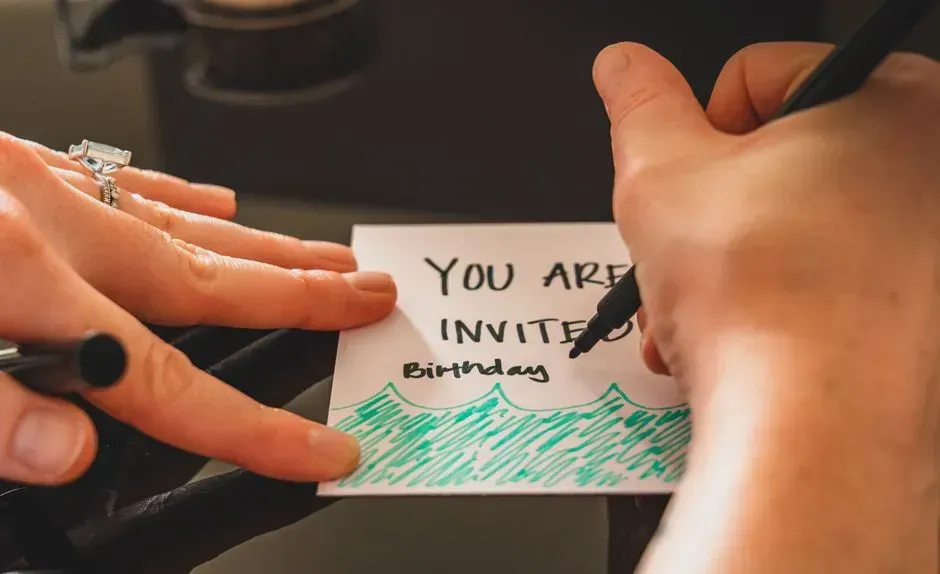
Try to give your neighbors the same notice about your party that you give to the guests on your list. This way, you can negotiate with them about noise and times ahead of time, and it also gives them the option to make arrangements so that they don’t experience noise or parking issues. It’s a small courtesy that almost always lands well.
While speaking with them, you may want to invite them to join. If they seem like they’d enjoy it or if the event is casual enough, it’s a nice gesture to extend them an invitation and may soften them up a bit. Not every neighbor will take you up on it, but the offer itself builds goodwill that pays dividends long after the party ends.
3. Blocking Driveways or Hogging Street Parking

3. Blocking Driveways or Hogging Street Parking (Image Credits: Unsplash)
Neighbors who block driveways, park illegally, or leave abandoned vehicles can create both inconvenience and conflict. Well-mannered homeowners are mindful of how their vehicles affect the people around them, particularly on streets where space is limited. When parking spaces are limited, tensions may rise over assigned spots or blocking someone else’s car.
If you’re parking on the street, try to leave room for others. Don’t take others’ designated spots or block their driveways. It sounds obvious, yet parking-related friction remains one of the most common neighborhood complaints. Consistently considerate parking habits cost nothing but a moment of attention.
4. Letting Their Dog Become the Neighborhood Problem

4. Letting Their Dog Become the Neighborhood Problem (Image Credits: Pexels)
As the owner, you are required to keep your dog under control at all times, and you are liable for any damage to person or property. Obey town or city leash laws, and watch out at home for incessant barking. A dog that barks for hours while its owner is away is one of the fastest ways to erode goodwill in a neighborhood.
Your neighbors will be the ones to suffer more than anyone because they hear all of the loud noises and don’t reap any of the snuggle benefits. Dogs aren’t the only animal to warn your neighbors about. When getting any new pet, it’s important to give a heads-up to those who may be somewhat affected. Responsible pet ownership is, at its core, a form of neighborly respect.
5. Letting Trash Bins Sit Out for Days
5. Letting Trash Bins Sit Out for Days (Image Credits: Pexels)
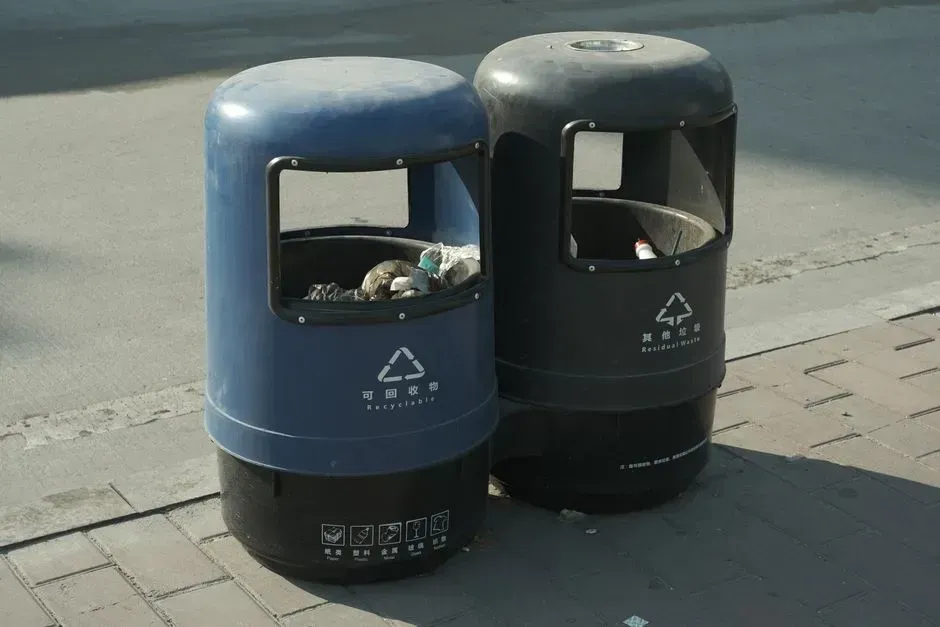
One of the simplest ways to practice good trash can etiquette is to put your bins out on time and not too early. Most municipalities have specific pickup days and times, and setting your cans out too soon can create clutter and attract pests. As a general rule, place your bins on the curb the evening before pickup and retrieve them as soon as possible afterward, ideally within 24 hours.
After pickup, store your bins neatly, either behind your home, in a garage, or along the side yard if allowed. A row of cans sitting in front of houses all week can make a neighborhood look cluttered and unkempt. It’s one of those details that people notice more in the breach than in the observance.
6. Ignoring Their Property's Curb Appeal
6. Ignoring Their Property's Curb Appeal (Image Credits: Unsplash)
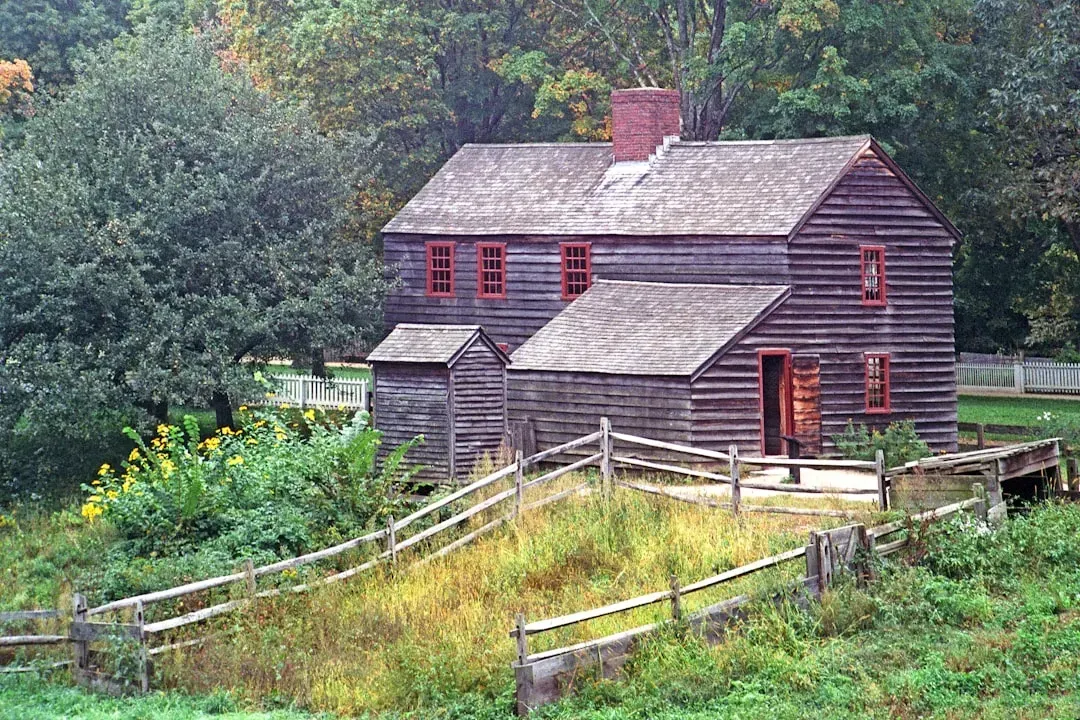
Regularly mowing your lawn, trimming hedges, and removing debris keeps a well-kept yard that reflects positively on you and your neighborhood. Addressing any external repairs promptly, such as broken fences or overhanging branches, helps prevent disputes and maintain safety. A neglected exterior affects everyone nearby, not just the homeowner.
Poor property maintenance – neglecting property upkeep and leading to unsightly conditions or safety hazards – is a recognized source of neighbor conflict. Well-mannered homeowners understand that their property is, in a real sense, part of a shared visual environment. Keeping it reasonably tidy is a form of ongoing courtesy.
7. Starting Home Renovations Without Warning Anyone
7. Starting Home Renovations Without Warning Anyone (Image Credits: Pexels)
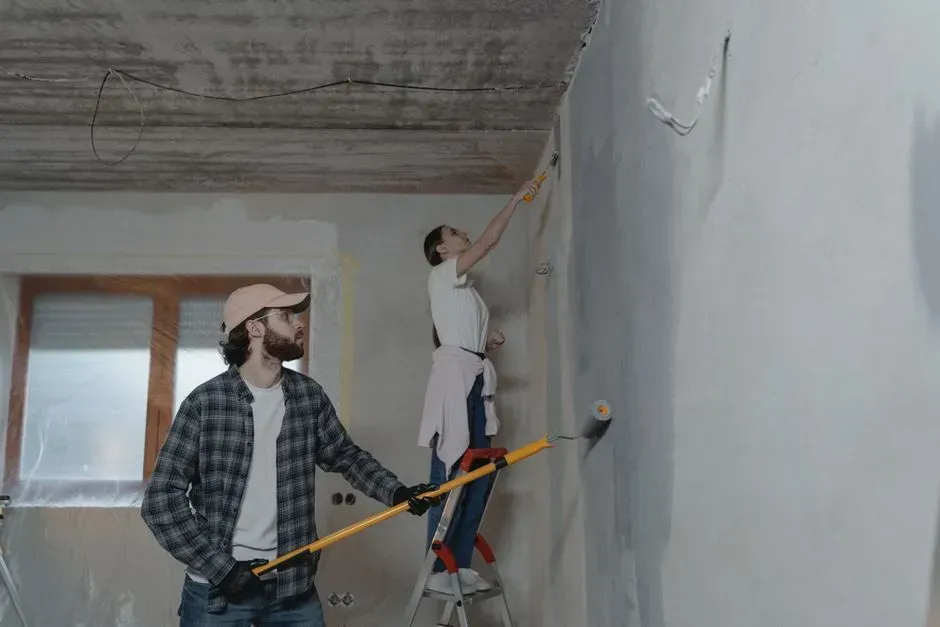
If you’re going to have work done on your home, you should let your neighbors know before it happens. The most obvious reason is noise. Particularly for those who work from home, a heads-up will allow them to plan accordingly. Remote and hybrid work arrangements are now extremely common, making construction warnings more important than ever.
The other reason is the proximity to their home. Neighbors may have to sacrifice street parking for large construction vehicles. Especially in apartment living, they may need to squeeze by construction workers and their supplies on their way in the door. A brief conversation or a simple note ahead of time can prevent a week of avoidable frustration.
8. Encroaching on Property Boundaries

8. Encroaching on Property Boundaries (Image Credits: Unsplash)
Boundary disputes occur when neighbors disagree about where one property ends and another begins. Issues can arise from fences, driveways, gardens, or even sheds crossing property lines, and such conflicts often create long-term tension if not addressed early. Well-mannered homeowners take the time to know their actual property lines before beginning any project near them.
If you plan to share costs on a fence, make sure you discuss who will have the finished side, which is the side with fence boards covering the fence posts. This is a prime scenario where knowing your property lines comes in handy because you’ll need to know where the boundaries exist before putting up the fence. Getting a professional survey done before any major project is a smart investment that protects relationships as much as it protects property.
9. Installing Blinding Outdoor Lighting
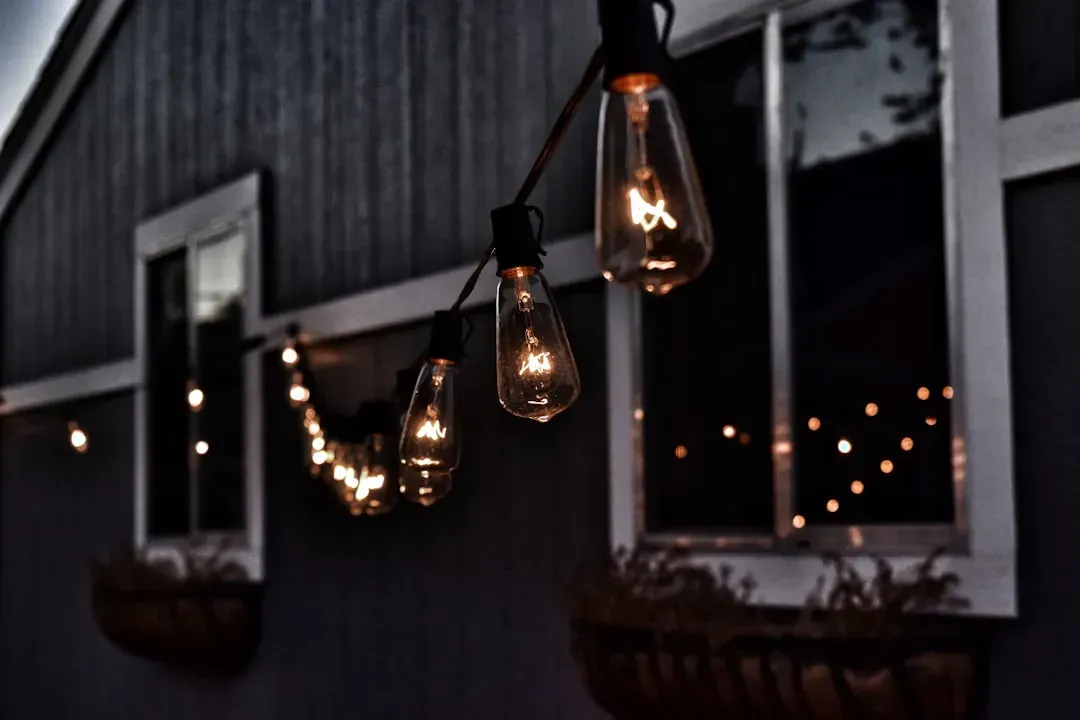
9. Installing Blinding Outdoor Lighting (Image Credits: Unsplash)
When you install outdoor lighting, including holiday lights, make sure to consider your neighbor’s point of view. Security lights angled toward a neighbor’s bedroom window, or decorative lighting left running all night, can genuinely disrupt sleep and daily life. Light pollution from security lighting or other sources is recognized as a private nuisance that can interfere with neighbors’ quiet enjoyment of their property.
Well-mannered homeowners angle spotlights downward onto their own property, use motion-activated fixtures rather than always-on floodlights, and consider the timing of any decorative lighting. It’s not about living in the dark – it’s about directing light thoughtfully so it serves you without spilling over into someone else’s bedroom.
10. Using Power Tools at Unreasonable Hours
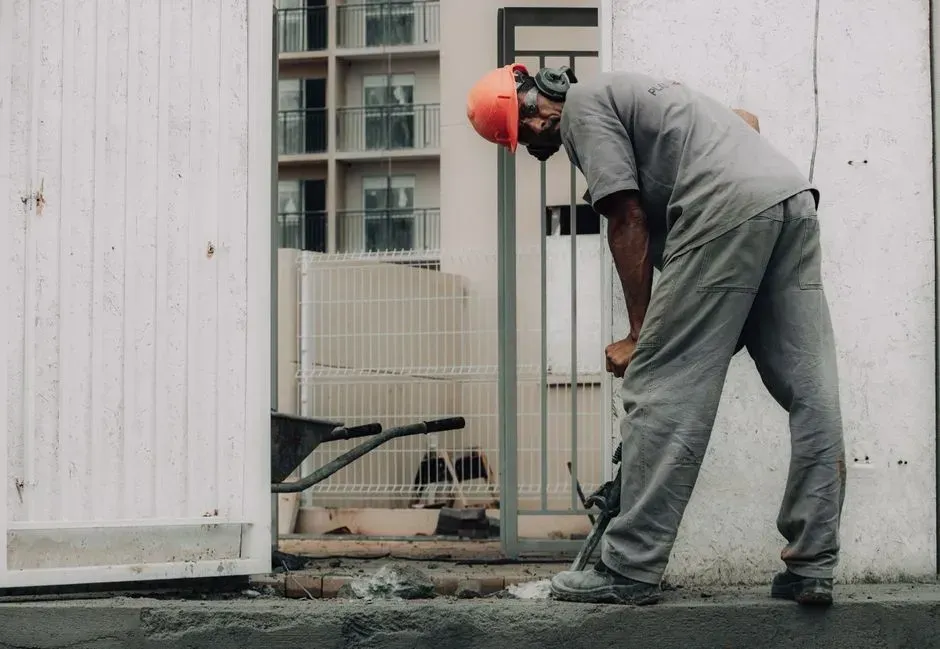
10. Using Power Tools at Unreasonable Hours (Image Credits: Pexels)
Limiting the use of lawn mowers, leaf blowers, power tools, and the like to reasonable times or when permitted by town ordinances is a basic expectation of good neighborly conduct. The problem isn’t the tools themselves – it’s the timing. A leaf blower at 7 a.m. on a Saturday carries a very different social weight than the same tool used at noon on a weekday.
Late-night activities like construction, music, TV, or parties – and even running or exercising in multi-floor units or dwellings with shared walls – can all become sources of noise disputes. Checking local ordinances for permitted hours of power tool use takes about five minutes and eliminates a very avoidable source of friction.
11. Gossiping or Venting About Neighbors Online
11. Gossiping or Venting About Neighbors Online (Image Credits: Pexels)
Neighborhood apps, Facebook groups, and community message boards have replaced the backyard fence of older days, becoming the main way neighbors share information. These can be a great tool, as long as you remember your manners online as well. Venting frustration online about a specific neighbor – even without naming them directly – can easily be traced back and cause real damage to a relationship.
Neighborhood apps and community message boards have become the primary way neighbors share information, and they can be useful tools as long as you remember to keep your manners in check online. The whole point of these groups is to promote community and camaraderie, so make sure your posts and comments are positive and productive. What gets posted in a neighborhood group rarely stays contained to that group.
12. Confronting Neighbors Aggressively Over Issues

12. Confronting Neighbors Aggressively Over Issues (Image Credits: Pexels)
If there’s an issue, handling conflict in a peaceful manner is crucial to maintaining a good relationship with neighbors. Your best bet is to meet face to face and discuss the issue in person – it’s easy for messages to get misinterpreted when trying to resolve through text or email, and that can make a simple problem become a bigger one.
If you have an issue with a neighbor, go directly to that person and discuss it in an adult manner. If you can’t see eye to eye, at least respectfully agree to disagree. Escalate only after having given a chance to respond. Well-mannered homeowners treat a direct, calm conversation as the first and preferred option – not a last resort.
13. Leaving Overflowing or Unsecured Trash
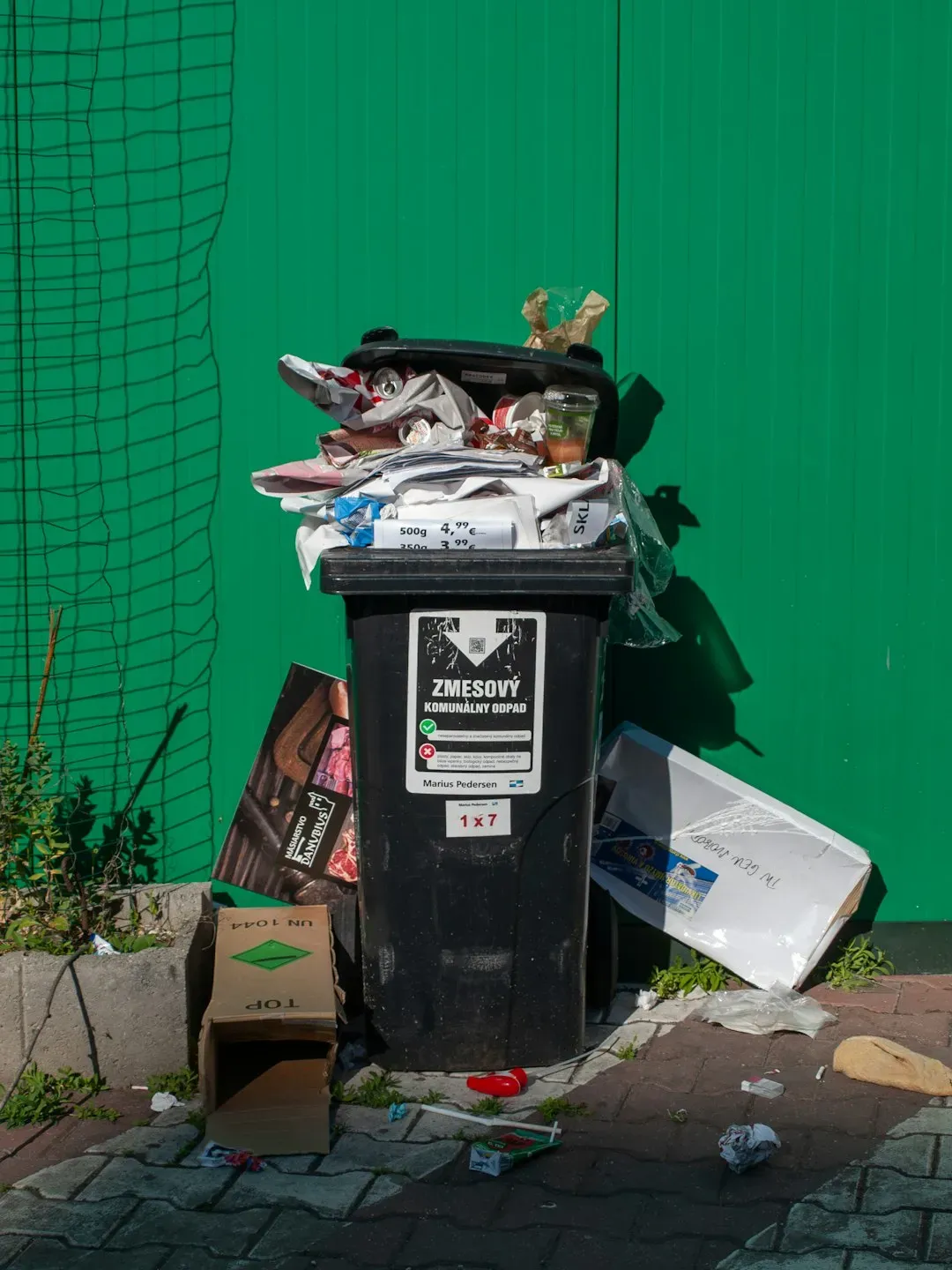
13. Leaving Overflowing or Unsecured Trash (Image Credits: Unsplash)
Nobody enjoys the smell of rotting garbage or the sight of overflowing bins. Keeping lids tightly closed helps contain odors, deter animals, and prevent litter from blowing into streets or yards. An overflowing bin on a windy day can scatter trash across multiple neighbors’ properties in a matter of minutes.
Loose trash can easily blow into a neighbor’s yard or street. Always bag garbage tightly, close the lid securely, and consider using bungee cords or clips in windy areas. This prevents both litter and wildlife problems. It’s a small act of care that sends a clear message about how much you respect the shared space around you.
14. Letting Vegetation Overgrow onto Neighboring Property
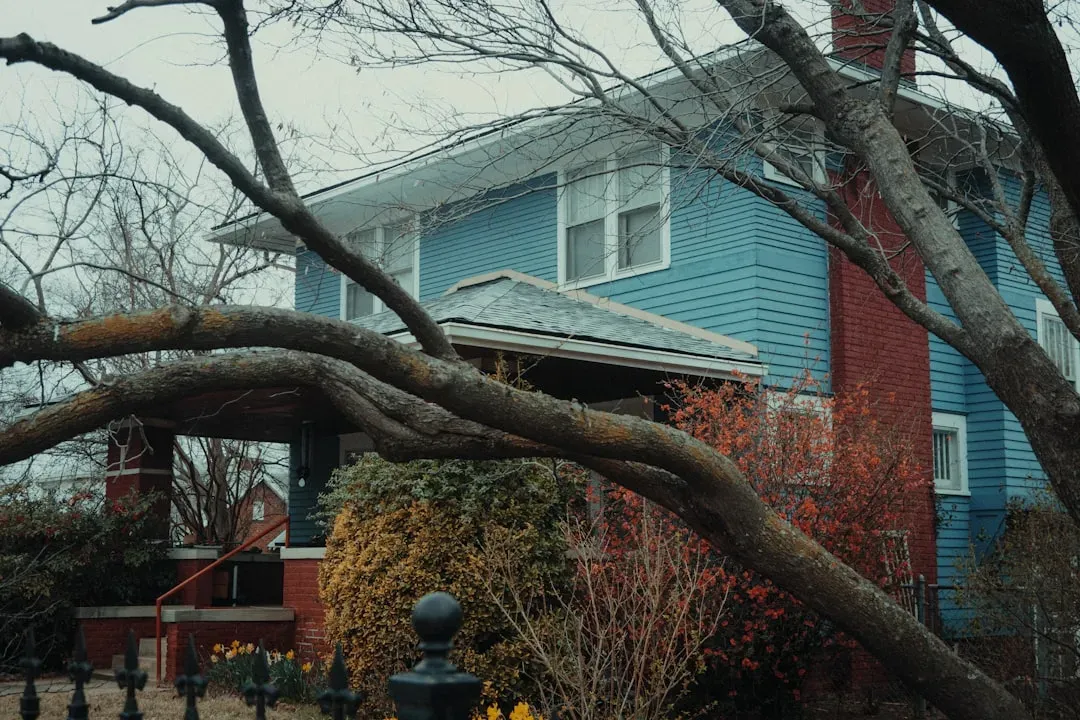
14. Letting Vegetation Overgrow onto Neighboring Property (Image Credits: Unsplash)
Branches, roots, or plants from a neighbor’s property crossing onto yours can cause damage and impact your enjoyment of your land. Well-mannered homeowners monitor their trees, hedges, and shrubs regularly and trim anything approaching the property line before it becomes someone else’s problem. Overhanging tree limbs create potential liability if they fall and cause damage, while invasive root systems can damage foundations, plumbing, or hardscaping.
Addressing external issues such as broken fences or overhanging branches promptly helps prevent disputes and maintain safety. Trees that look perfectly stable from one side can be dangerously weighted from another. Staying on top of vegetation maintenance isn’t just polite – it’s a genuine liability concern that well-mannered homeowners take seriously.
15. Showing Up Unannounced at All Hours
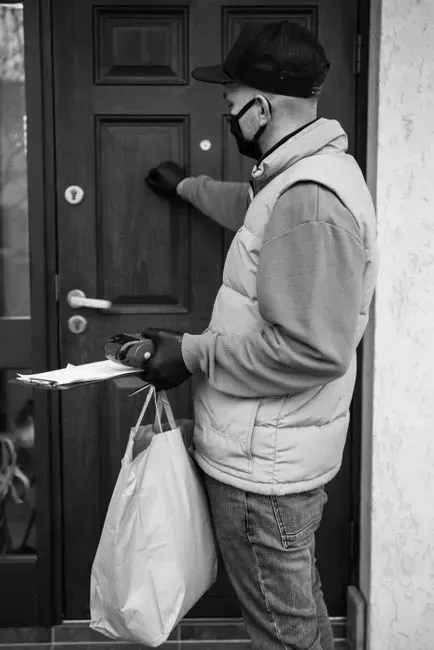
15. Showing Up Unannounced at All Hours (Image Credits: Pexels)
In this day and age, an unexpected knock on the door can make many people uneasy. Obviously, most people don’t have the number of everyone in their neighborhood. However, once you meet them, it may be a good idea to exchange phone numbers. A quick text or call before dropping by respects the other person’s time and privacy in a way that an unannounced knock simply doesn’t.
Certain rules may seem like common sense, like not being loud in the middle of the night, but other rules are newer, like sending a text before you show up at their door. Social norms around home visits have genuinely shifted over the past decade or so. Well-mannered homeowners have adapted to that shift rather than ignoring it.
16. Ignoring a Neighbor Who Clearly Needs Help

16. Ignoring a Neighbor Who Clearly Needs Help (Image Credits: Pexels)
Being a good neighbor means taking others into account when making decisions that could impact them. Small gestures like offering help when needed or checking in on elderly neighbors can go a long way in fostering positive relationships within the community. Neighborly courtesy isn’t only about avoiding negative behaviors – it also includes noticing when someone nearby is struggling.
Being respectful, kind, and extending a helping hand to those who live around you go a long way. Getting involved with your neighborhood by attending block parties and other events is a great way to meet your neighbors, get on good terms, and maybe even form lasting friendships. The quietest form of good manners is simply paying attention – knowing who lives around you and being willing to show up when it matters.
Neighborly manners rarely require dramatic effort. They’re built from dozens of small, repeatable habits: keeping the noise down, managing trash properly, respecting property lines, and treating conflicts with calm rather than confrontation. Most of what separates a difficult neighbor from a well-regarded one comes down to consistent awareness of how one’s choices ripple outward. That awareness, practiced daily, is what makes a neighborhood feel like a community rather than just a collection of houses.