
Respect in a relationship doesn’t always look like a grand declaration. It doesn’t arrive with flowers or a heartfelt speech. More often, it lives in the quiet spaces between conversations, in the way someone pauses before speaking, adjusts their plans without resentment, or sits with you through discomfort without trying to fix it.
In healthy relationships, respect is often reflected in the small, everyday ways partners interact with each other. How support is offered matters as much as the support itself. If you’ve been wondering whether your partner truly holds you in high regard, even when they don’t say it plainly, these six signs are worth paying attention to.
1. They Ask What Kind of Support You Need Instead of Assuming
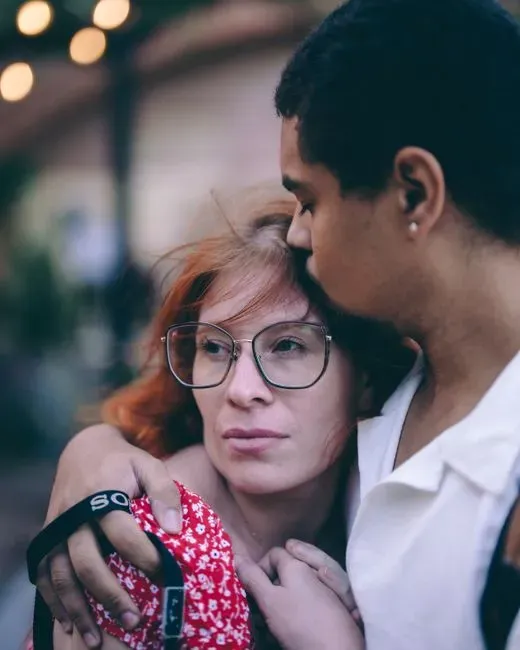
1. They Ask What Kind of Support You Need Instead of Assuming (Image Credits: Pexels)
When someone is sharing their frustrations or challenges, the natural instinct for many people is to offer solutions or try to “fix” the problem in some way. While it comes from good intent, it can feel dismissive or overwhelming to the person who is trying to process their feelings. A partner who resists that impulse and simply asks what you need first is doing something quietly profound.
A partner who pauses to ask whether you want advice or just a listening ear shows respect for your autonomy as well as your emotional needs. Research published in the Journal of Social and Clinical Psychology explored why some forms of help boost morale while others unintentionally make people feel worse. Across multiple studies, researchers found that nondirective support was linked to higher hope and optimism, while directive support was linked to greater depression and loneliness, even after accounting for other measures of social support.
2. They Disagree With You Without Attacking Who You Are
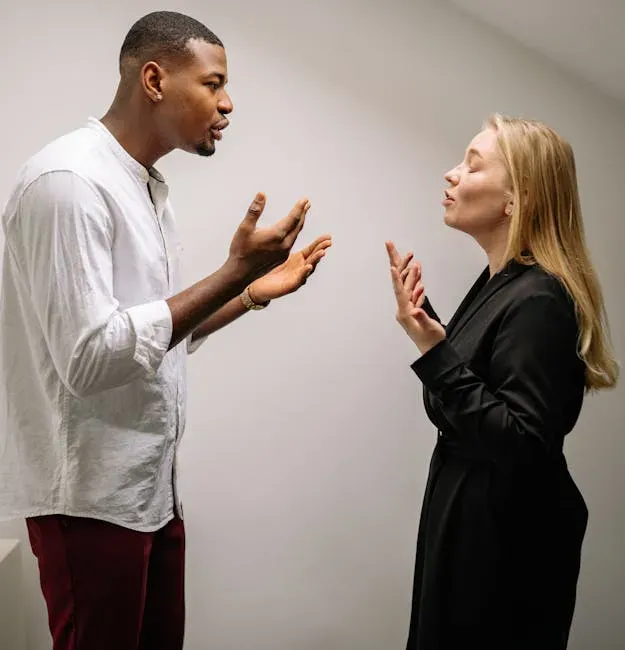
2. They Disagree With You Without Attacking Who You Are (Image Credits: Pexels)
If your partner criticizes your character instead of your behavior, the disagreement stops being constructive and starts eroding respect. There’s a meaningful difference between a partner who says “that plan didn’t work” and one who implies you’re careless or foolish for suggesting it. The way someone handles conflict is one of the clearest windows into how they actually see you.
Research revealed that four specific interaction patterns, when present during conflict, predicted relationship dissolution with over 90 percent accuracy across a six-year follow-up period. A partner who can voice a disagreement without attacking your character demonstrates that they value you as a person. It is a sign of deep respect because they do not put you down just to “win” the argument.
3. They Let You Make Your Own Choices Without Quietly Undermining Them

3. They Let You Make Your Own Choices Without Quietly Undermining Them (Image Credits: Pexels)
A partner who respects you will support your decisions. This means they trust your judgment and believe in your ability to make the best choices for yourself. This can show up in small ways, like not second-guessing a career move you’ve thought through carefully, or in larger ones, like encouraging a goal that doesn’t directly benefit them.
Self-Determination Theory, one of the most robust frameworks in motivational psychology, identifies autonomy as a core human need. When that need is supported within a relationship rather than suppressed by it, the research consistently shows better outcomes: higher well-being, stronger motivation, more genuine engagement with the relationship itself. People who feel free to remain themselves inside a relationship tend to invest more in it, not less.
4. They Actually Change Course When You Raise a Concern

4. They Actually Change Course When You Raise a Concern (Image Credits: Pexels)
Saying “I hear you” is easy. Adjusting behavior afterward is the part that carries real weight. In a 2020 study, psychologists followed nearly 320 couples and found that when both partners felt their voice truly mattered and could genuinely impact the other, relationship quality stayed high and emotional security deepened over the years.
When both partners experience mutual influence, the psychologists found that relationships not only feel fairer, but they actually are more stable and loving. Individuals report less anxiety about their partner’s commitment, and small conflicts are less likely to snowball into chronic gridlock. A partner who adjusts course based on your input isn’t being passive. They’re showing you that your perspective actually lands with them.
5. They Manage Their Own Emotional Storms Without Pulling You Into Them
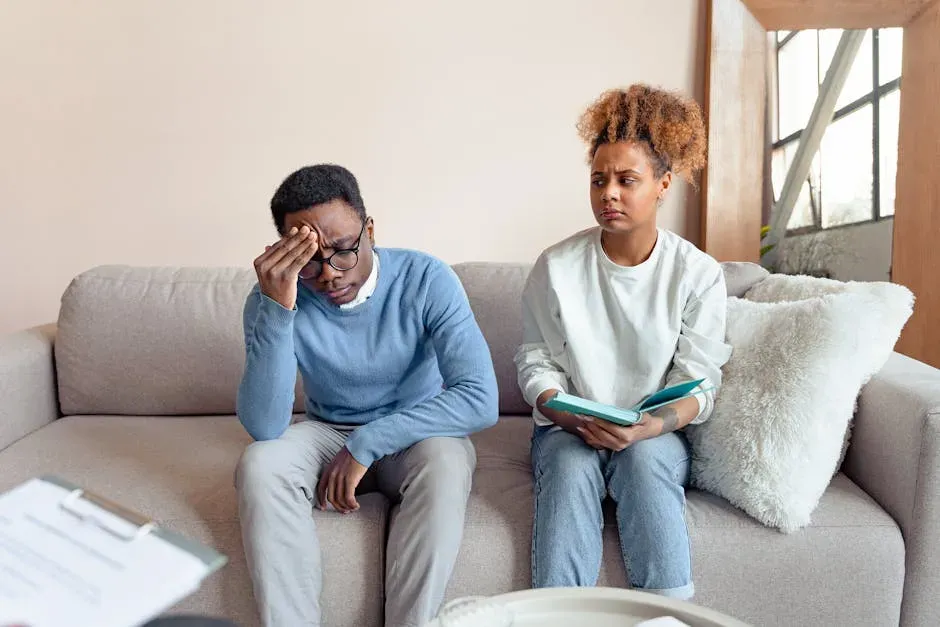
5. They Manage Their Own Emotional Storms Without Pulling You Into Them (Image Credits: Pexels)
Some people, when upset or stressed, can unintentionally shift the burden onto their partner by blaming them, venting aggressively, or expecting them to “fix” their feelings. While it’s natural to seek support, relying on your partner to carry or solve your emotional struggles can create tension and recurring conflict. The difference lies in whether they lean on you or lean against you.
When your partner handles their own emotions instead of unloading them on you, it shows that they respect you. This way, you don’t feel like you have to constantly “fix” their mood. It’s a small but powerful way of showing care and proof that they value not just their own feelings, but yours, too. Emotional self-regulation, research consistently shows, is one of the quieter markers of a mature and respectful partner.
6. They Build a Steady Culture of Appreciation Rather Than Cataloging Your Faults

6. They Build a Steady Culture of Appreciation Rather Than Cataloging Your Faults (Image Credits: Pexels)
Appreciation enhances relationship quality, and gratitude creates upward spirals of relationship health. This isn’t just something that feels good in the moment. It shapes the entire tone of how two people relate to each other over time. A partner who notices what you do right, not just what goes wrong, is building something durable.
Gottman calls it building a culture of appreciation and respect. This means actively scanning for what your partner does right instead of cataloging what they do wrong. It means expressing gratitude, admiration, and fondness regularly and specifically. Respect in a relationship often lives in the small gestures. While they might be easily overlooked, their impact is deeper than you might realize. In the long run, they act as predictors of how safe and valued you feel in your relationship.
Respect that goes unspoken isn’t lesser respect. Sometimes it’s the most embedded kind, woven into daily choices so thoroughly that it’s easy to overlook. Recognizing these patterns for what they are, not just habit or personality, but a consistent regard for who you are, changes how you experience the relationship entirely.