
Most people walk into a relationship led by that unmistakable feeling of spark. The racing heartbeat, the effortless conversation, the sense that this person just gets you. Chemistry is real, and nobody’s dismissing it. The problem is that it tends to be a terrible long-term forecaster.
Unlike the emotional cocktail of chemistry, compatibility doesn’t hit you all at once. It’s a natural alignment of lifestyle choices and values between two individuals – something that quietly proves itself over months and years rather than over a single electric evening. Couples therapists see this distinction play out in their offices every week. Here are the nine compatibility markers they consistently point to as the real foundation of a lasting relationship.
1. Shared Core Values, Not Just Shared Interests

1. Shared Core Values, Not Just Shared Interests (Image Credits: Unsplash)
Shared values and life goals strongly predict relationship satisfaction over time. Couples who align on major life decisions such as career priorities, family planning, financial management, and lifestyle preferences maintain higher satisfaction levels over the long term. A mutual love of hiking or the same taste in films is pleasant, but it won’t hold a relationship together when the hard decisions arrive.
Similar views on family, career priorities, financial management, and what constitutes a meaningful life matter deeply. A partner who shares your core values will naturally support the decisions that matter most to you. Therapists often note that couples who seem mismatched on the surface can thrive when their deeper values are aligned, while couples who appear perfectly matched can fracture when those deeper beliefs diverge.
2. The Ability to Repair After Conflict

2. The Ability to Repair After Conflict (Image Credits: Unsplash)
In decades of lab studies, Gottman found that repair attempts predict long-term relationship success even more than conflict style or compatibility. This is one of the more counterintuitive findings in relationship research: it’s not how often you fight that determines the health of a relationship, it’s how quickly and skillfully you come back from it.
Repairing early and often, a couple learns mutual growth, intimacy, and understanding. Conflict and early emotional repair can actually deepen a couple’s intimacy and closeness. Therapists look for whether both partners are willing to take responsibility and re-establish connection after a rupture, rather than letting wounds calcify into resentment.
3. Compatible Communication Styles

3. Compatible Communication Styles (Image Credits: Pexels)
Communication compatibility determines how effectively a couple can resolve conflicts, share emotional experiences, and maintain connection during challenging periods. Two people can care deeply for each other and still speak entirely different emotional languages. One partner may need to process out loud; the other may need silence before they can engage meaningfully.
Couples who maintain open, honest, and respectful communication patterns during conflicts are more likely to follow stable or recovery patterns in their relationships. Therapists pay close attention to whether partners actually feel heard during disagreements, not just whether they’re technically talking to each other. There’s a significant difference between the two.
4. Emotional Regulation and Maturity

4. Emotional Regulation and Maturity (Image Credits: Unsplash)
The most important things to look for in a life partner aren’t chemistry or shared hobbies – they’re qualities like emotional regulation, the capacity to repair after conflict, kindness under stress, shared values, and the ability to truly see you. Emotional maturity shows up not in the easy moments, but in how someone handles the moments that genuinely test them.
The Four Horsemen refer to destructive communication patterns identified by Gottman: criticism, contempt, defensiveness, and stonewalling. These behaviors, especially contempt, are strong predictors of relationship failure if left unchecked. A partner who is emotionally regulated won’t eliminate conflict, but they’ll engage with it in ways that don’t leave lasting damage.
5. Alignment on Children and Family Structure
5. Alignment on Children and Family Structure (Image Credits: Unsplash)
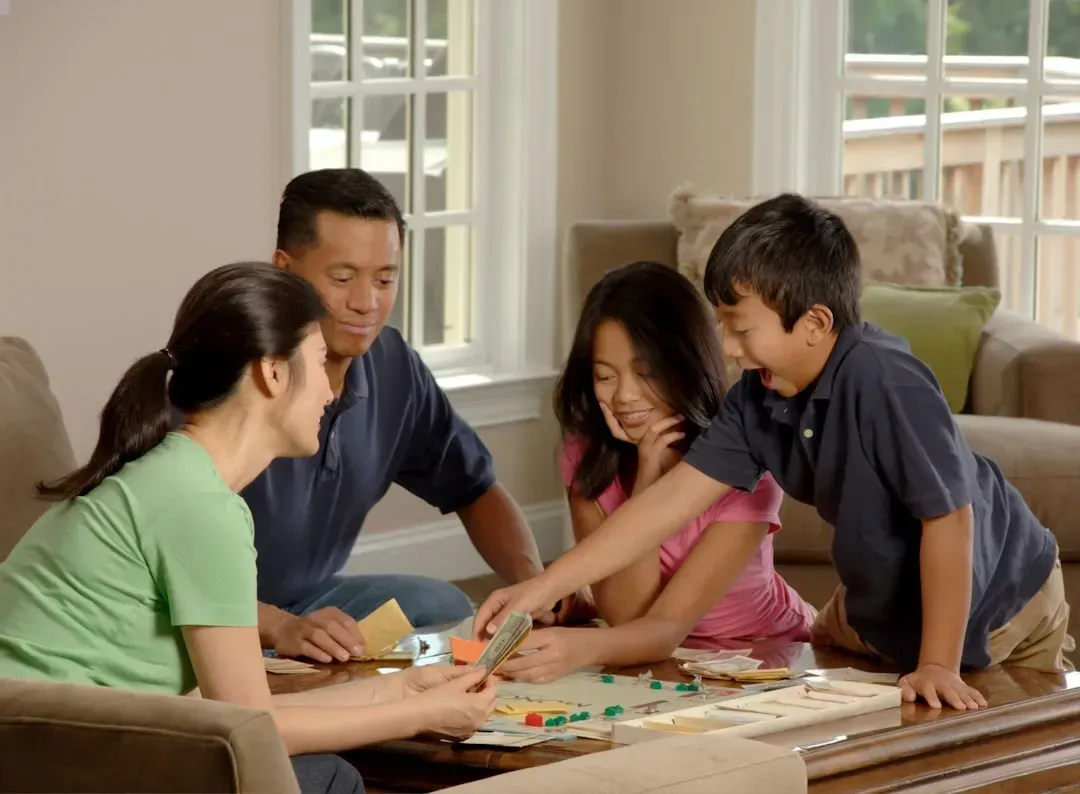
Few incompatibilities are as decisive as disagreeing on whether to have children. One longitudinal study following 96 couples for ten years found that every single relationship where one partner wanted children and the other did not ended before the children were six years old. That’s a striking result, and one that couples therapists know well.
This category extends beyond the children question itself. Views on how to raise children, how much time to spend with extended family, and what role family obligations play in daily life all fall under this umbrella. When couples discover major value differences after the honeymoon period, satisfaction often drops rapidly unless they develop effective compromise strategies.
6. Financial Compatibility

6. Financial Compatibility (Image Credits: Pixabay)
Financial compatibility is not about comparing bank accounts. It is about having shared values when it comes to spending, saving, and managing money. Two people can have completely different incomes and very different spending styles but still be financially compatible. The conversation about money is really a conversation about priorities, security, and what a good life looks like.
Transparency around money represents a crucial aspect of financial compatibility. This includes willingness to discuss debts, financial goals, spending patterns, and money-related fears or anxieties. Partners who can communicate openly about financial matters can work together toward shared goals rather than working at cross-purposes. Therapists often note that money arguments are rarely about money itself; they’re about power, fear, and competing visions of the future.
7. Attachment Style Awareness

7. Attachment Style Awareness (Image Credits: Pexels)
Chemistry and compatibility activate distinct neural systems. Chemistry reflects dopaminergic activity driven by novelty and unpredictable reward schedules. Compatibility, by contrast, involves prefrontal cortex evaluation of shared values and emotional regulation. In practical terms, this means the most exciting early attraction isn’t always pointing toward the most compatible partner.
The neurological signature of anxious attachment – the cortisol spikes, the hypervigilance, the intermittent reinforcement pattern – can feel indistinguishable from passion. The relationship that makes you most anxious can register as the relationship you want most. Therapists look for whether partners have some self-awareness about their own attachment patterns, because that awareness is what makes growth possible.
8. Mutual Support of Individual Goals and Dreams

8. Mutual Support of Individual Goals and Dreams (Image Credits: Pexels)
Research shows that couples who focus on building friendship, managing conflict constructively, and supporting each other’s dreams have the highest rates of relationship satisfaction decades into marriage. The word “supporting” is doing real work here. It means active engagement with a partner’s ambitions, not simply tolerating them from a distance.
While initial attraction matters, long-term happiness depends much more on daily kindness, shared values, and mutual respect. The healthiest relationships involve two people who are individually whole choosing to share their lives together, rather than two people trying to complete each other. Therapists consistently find that couples who champion each other’s separate growth tend to experience less resentment and more genuine connection over time.
9. Social Network Integration

9. Social Network Integration (Image Credits: Pexels)
The level of support couples receive from their social networks affects relationship stability and satisfaction. Couples whose families and friends support their relationship experience less external stress and more encouragement to work through difficulties. This might seem like an external factor, but it has a measurable effect on how couples weather rough patches.
Research by Sprecher found that couples with integrated social networks – where partners share friends and both partners are accepted by each other’s families – show greater stability over time. This doesn’t mean every family dinner needs to be a celebration, but persistent hostility from important people in each other’s lives creates a constant undercurrent of tension that many couples underestimate. Therapists often ask early on: does your partner’s world have room for you in it, and does yours have room for them?
Chemistry might be what draws two people to the same table. What keeps them there, through the mundane and the difficult alike, is something quieter and more durable. Research continues to show that couples who are compatible tend to experience greater relationship satisfaction and stability. Compatibility creates a foundation of trust, understanding, and mutual respect, particularly during challenging periods. The nine signs above aren’t romantic in the Hollywood sense, but they’re the ones that tend to still be standing long after the initial spark has settled into something steadier.