
Packing lunches five days a week gets old fast, especially when the same turkey sandwich starts feeling like punishment for everyone at the table. Kids notice restaurant food and snack brands long before they can spell them, and that recognition is exactly why copycat lunchbox meals have become such a popular shortcut for busy parents. Instead of buying pricey packaged versions or driving through a fast food line, you can recreate the flavors kids already love using ingredients from a regular grocery run. The following nineteen ideas borrow inspiration from familiar restaurant and snack brands, then translate them into something that survives a backpack, a locker, and a few hours before lunchtime.
1. Homemade Lunchables tray
1. Homemade Lunchables tray (Image Credits: Unsplash)
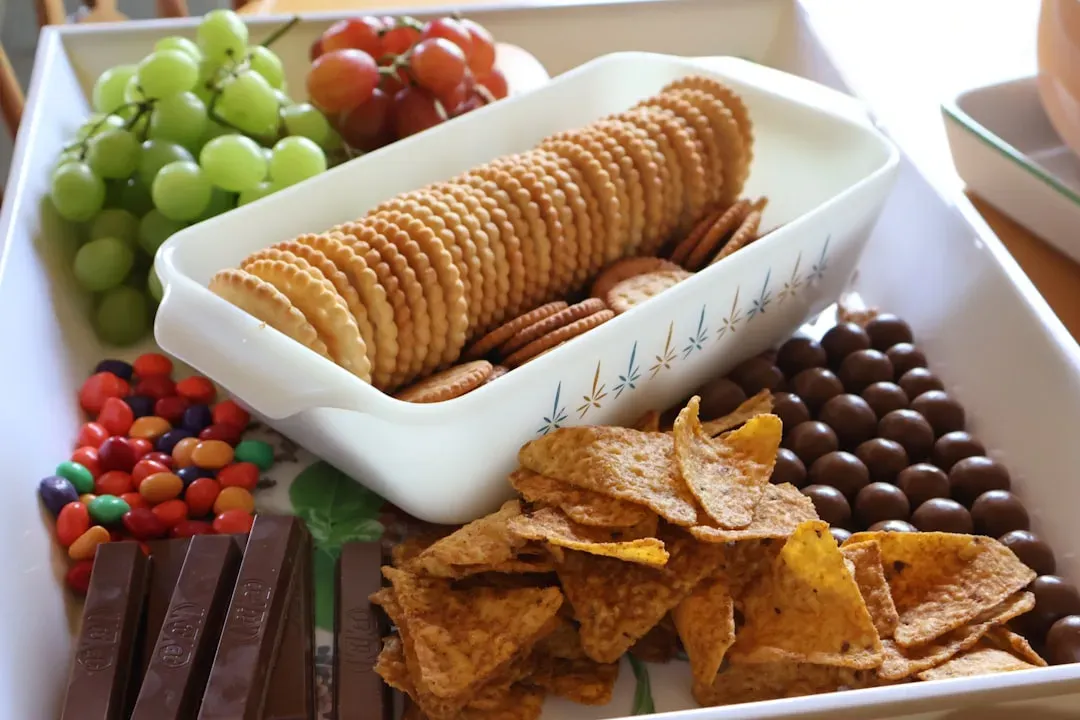
The original Lunchables kit built its reputation on portion control and assembly, not complicated cooking, which makes it one of the easiest things to copy at home. A simple version uses sliced deli meat, cheese squares, and round crackers arranged in a divided container, letting kids build their own mini sandwiches at the table. Swapping in higher quality meat and cheese also quietly improves the nutrition profile compared to the shelf-stable original.
Parents can rotate the meat and cheese pairing weekly, using turkey and cheddar one day and ham and Swiss the next, so it never feels repetitive. Adding a few grapes or baby carrots on the side rounds out the tray without much extra effort. This version costs less per serving than the packaged kind and skips the sodium-heavy processed meat found in many store versions.
2. Copycat Chick-fil-A nuggets
2. Copycat Chick-fil-A nuggets (Image Credits: Pexels)
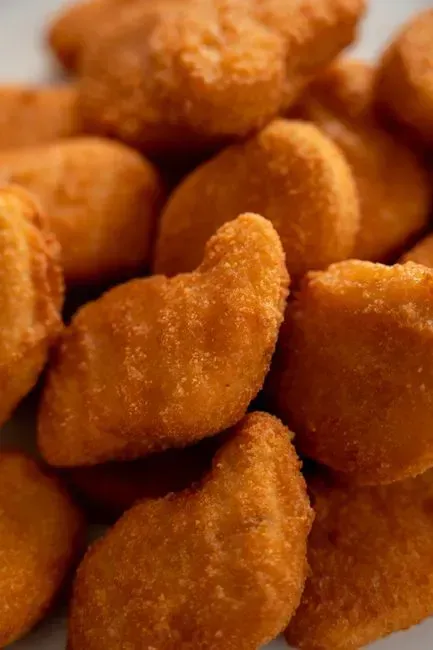
Chick-fil-A’s breaded chicken nuggets are one of the most requested fast food items among school-age kids, and the seasoning blend is fairly easy to approximate at home. A basic marinade of buttermilk or pickle juice, followed by a light breading with powdered sugar and paprika mixed into the flour, gets close to that signature slightly sweet crunch. Baking or air frying instead of deep frying keeps the mess down while still producing a crisp exterior.
Batch cooking on a Sunday and freezing the nuggets in individual portions turns this into a genuine time saver for the week ahead. A small container of honey mustard or barbecue sauce on the side completes the illusion for kids who know exactly what the real thing tastes like. Reheating in a toaster oven the morning of school keeps the texture much closer to fresh than a microwave would.
3. Panda Express orange chicken bites
3. Panda Express orange chicken bites (Image Credits: Pexels)
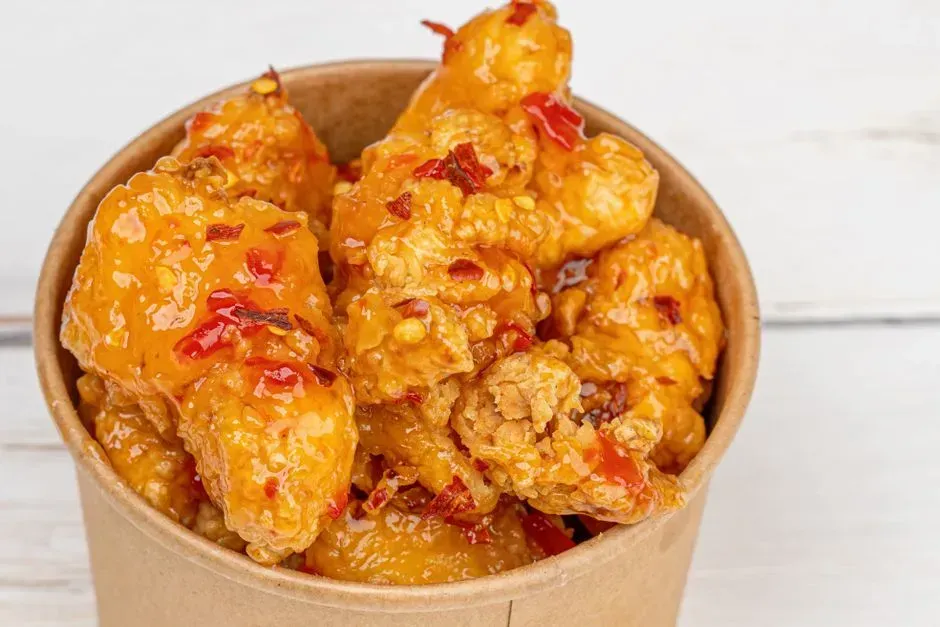
Orange chicken is consistently one of the best selling items at Panda Express, and a lunchbox-sized version scales down nicely into bite-size pieces that are easier for kids to eat cold or at room temperature. The sauce relies on orange juice, soy sauce, rice vinegar, and a touch of brown sugar simmered until it thickens and clings to the chicken. Cutting the chicken into smaller pieces than the restaurant serving also makes it more manageable in a lunchbox without utensils becoming a struggle.
Pairing the chicken with cold rice and a scoop of steamed broccoli mirrors the classic plate without requiring reheating equipment at school. Making a double batch of sauce ahead of time and storing it separately means the chicken can be tossed together the morning of, keeping everything from getting soggy overnight. This version also allows parents to control sugar content, which tends to run high in the restaurant original.
4. Starbucks-style egg bites
4. Starbucks-style egg bites (Image Credits: Unsplash)
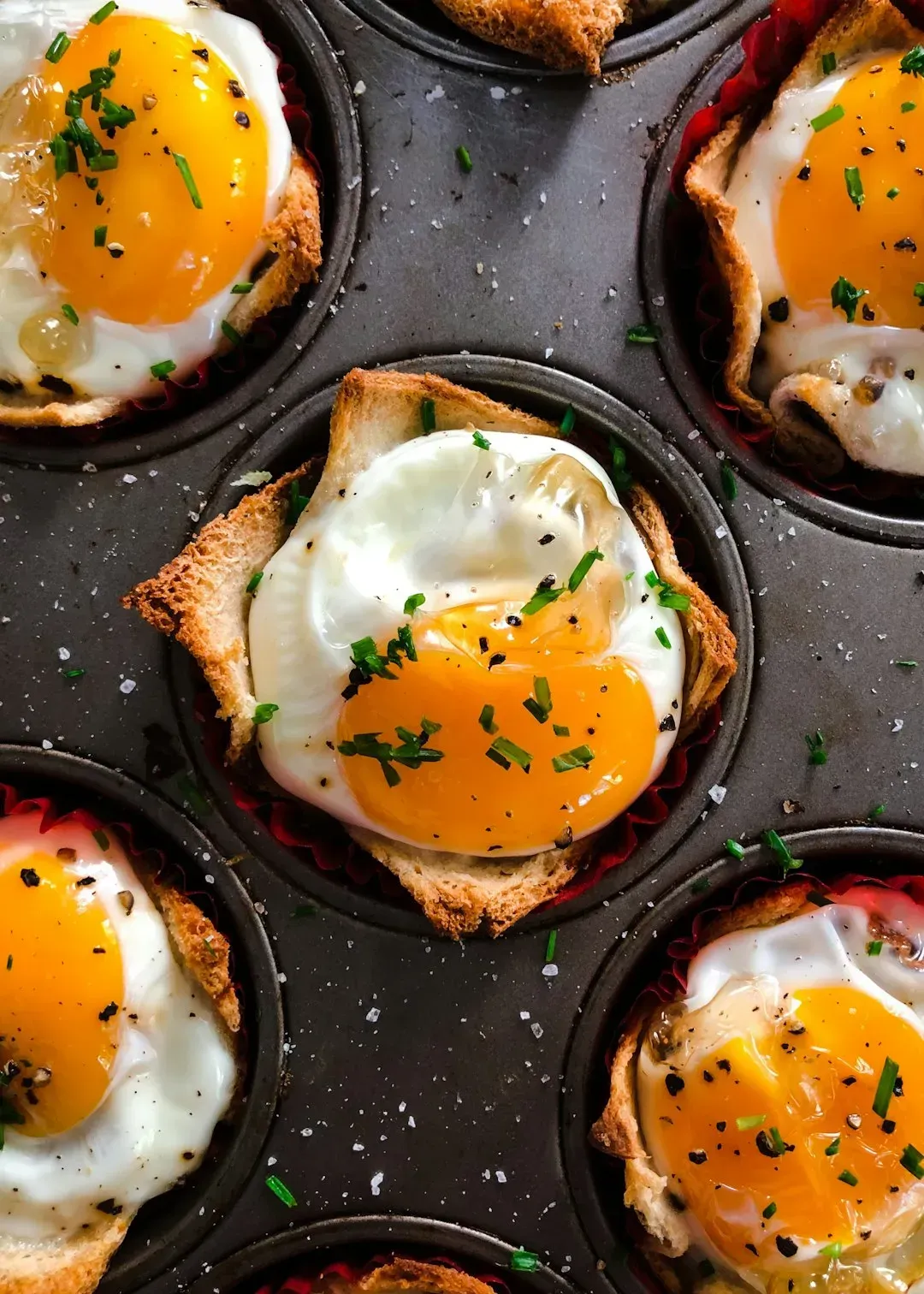
Starbucks popularized the sous vide egg bite format, and the texture is surprisingly easy to replicate using a muffin tin and a water bath in the oven. A blend of eggs, cottage cheese, and a bit of shredded cheddar produces that same soft, custardy consistency rather than the drier texture of a typical baked egg muffin. Bacon or spinach can be folded in depending on what a particular child prefers that week.
These freeze well and reheat quickly, making them a strong option for mornings when there is no time for elaborate prep. Two or three egg bites alongside a piece of fruit roughly matches the protein content of the retail version, without the higher price tag that comes with buying them individually. Because they are portioned in a muffin tin, portion control is essentially built into the recipe.
5. Chipotle burrito bowl, mini version
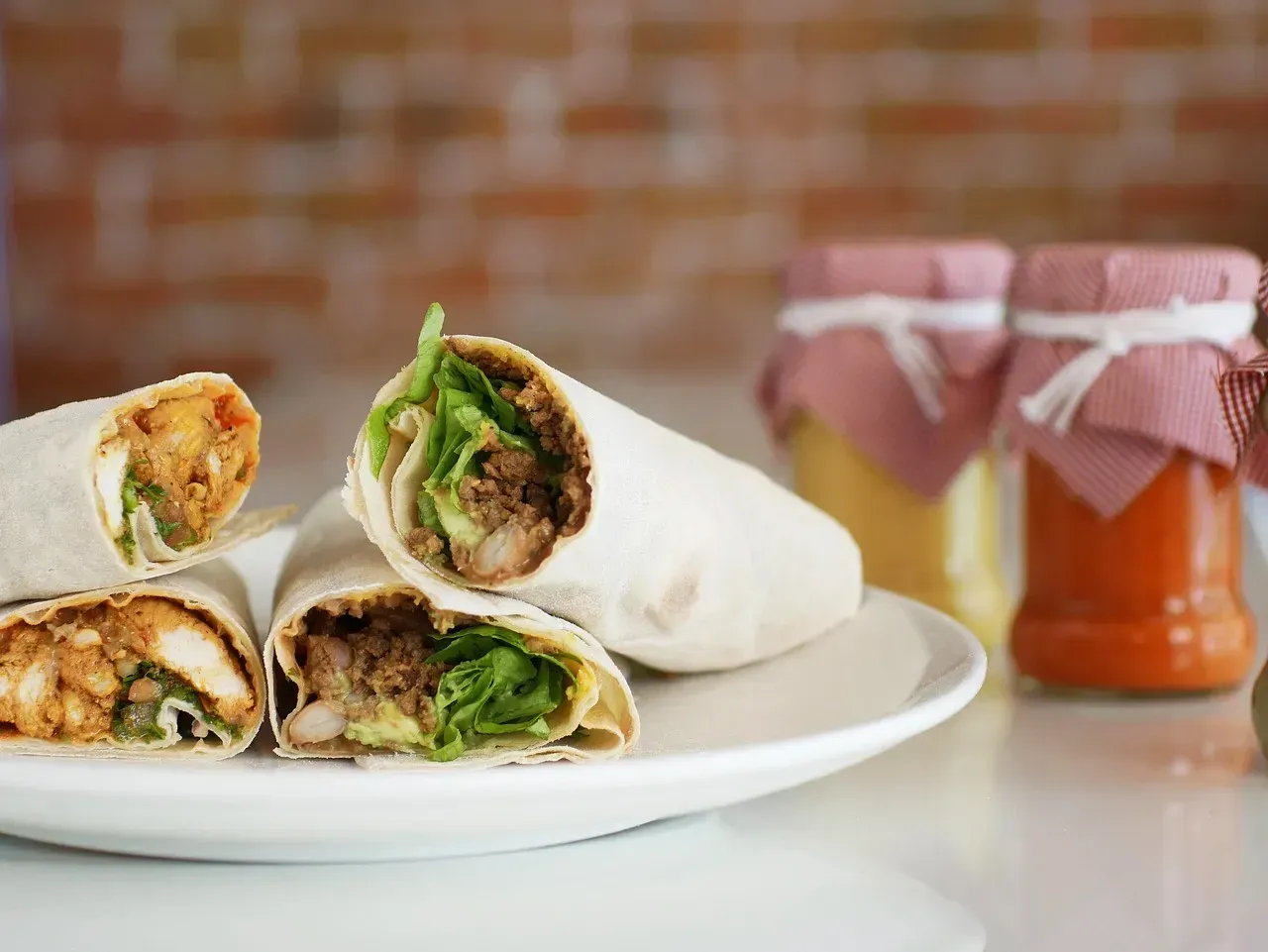
5. Chipotle burrito bowl, mini version (Image Credits: Pixabay)
Chipotle’s build-your-own bowl format translates naturally into a compartmentalized lunchbox, since the components are meant to be assembled fresh rather than cooked together. A base of cilantro lime rice, seasoned ground beef or shredded chicken, black beans, and a small tub of guacamole covers the essentials without needing a full assembly line. Packing the toppings separately in small containers keeps everything from turning mushy by lunchtime.
Kids can mix their own bowl at the table the same way they would at the counter, which tends to make them more willing to eat the vegetables included. A squeeze of lime juice added right before eating brightens the whole thing and cuts through the richness of the beans and cheese. This version also costs a fraction of an actual Chipotle order, which matters for families packing lunch five days a week.
6. Trader Joe's mandarin orange chicken remix
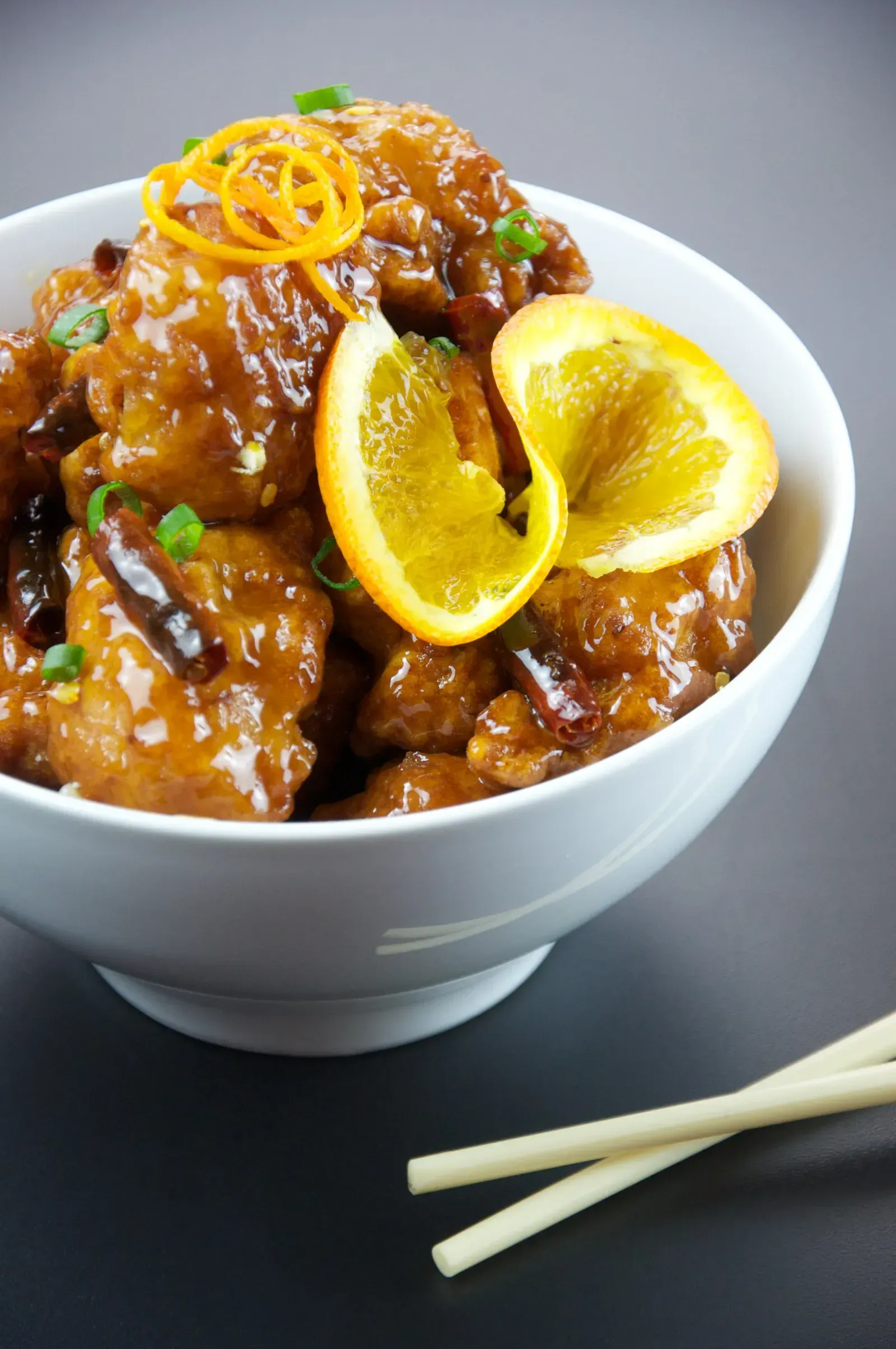
6. Trader Joe's mandarin orange chicken remix (Flickr, <a href="https://commons.wikimedia.org/w/index.php?curid=11138608" target="_blank" rel="noopener">CC BY 2.0</a>)
Trader Joe’s frozen mandarin orange chicken has a loyal following, and it happens to be one of the simplest items on this list to recreate from scratch or even just prep ahead using the actual product. For a homemade version, the same orange glaze used for Panda Express-style chicken works well here too, though Trader Joe’s leans slightly more citrus forward. Keeping a bag of it in the freezer and simply reheating a portion in the morning is also a completely legitimate shortcut for busy weeks.
Adding a handful of edamame or steamed green beans on the side balances the sweetness of the sauce with something more neutral. Packing the chicken slightly warm in an insulated container keeps it from becoming rubbery by lunchtime, which is the main complaint kids have about reheated chicken in general. This option works particularly well for weeks when there is genuinely no time to cook from scratch.
7. Subway-style sandwich kit
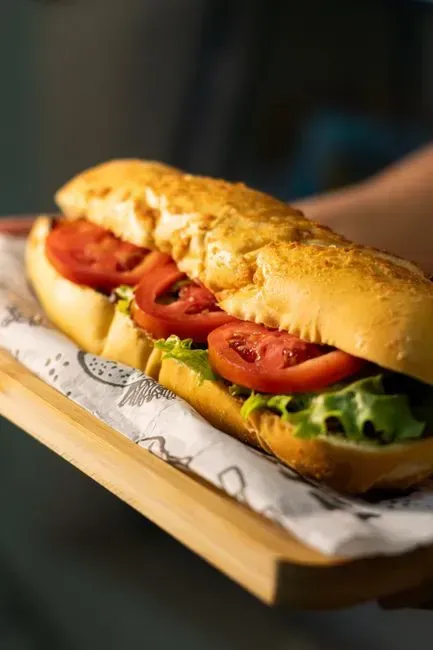
7. Subway-style sandwich kit (Image Credits: Pexels)
Rather than making a full sandwich that gets soggy by noon, a Subway-inspired kit separates the bread, meat, cheese, and vegetables so kids assemble it right before eating. A small roll or hoagie bun, turkey or ham slices, provolone, and a container of lettuce and tomato covers the basics of a classic sub. A tiny cup of mayonnaise or Italian dressing on the side lets kids control moisture themselves.
This approach solves the single biggest complaint about packed sandwiches, which is that bread turns to mush after sitting for several hours. It also gives kids a small sense of control over their food, which can genuinely increase how much of the lunch actually gets eaten. Rotating between turkey, ham, and occasionally a veggie option keeps the format from feeling stale despite using the same basic structure each week.
8. Happy Meal-style nuggets and fries
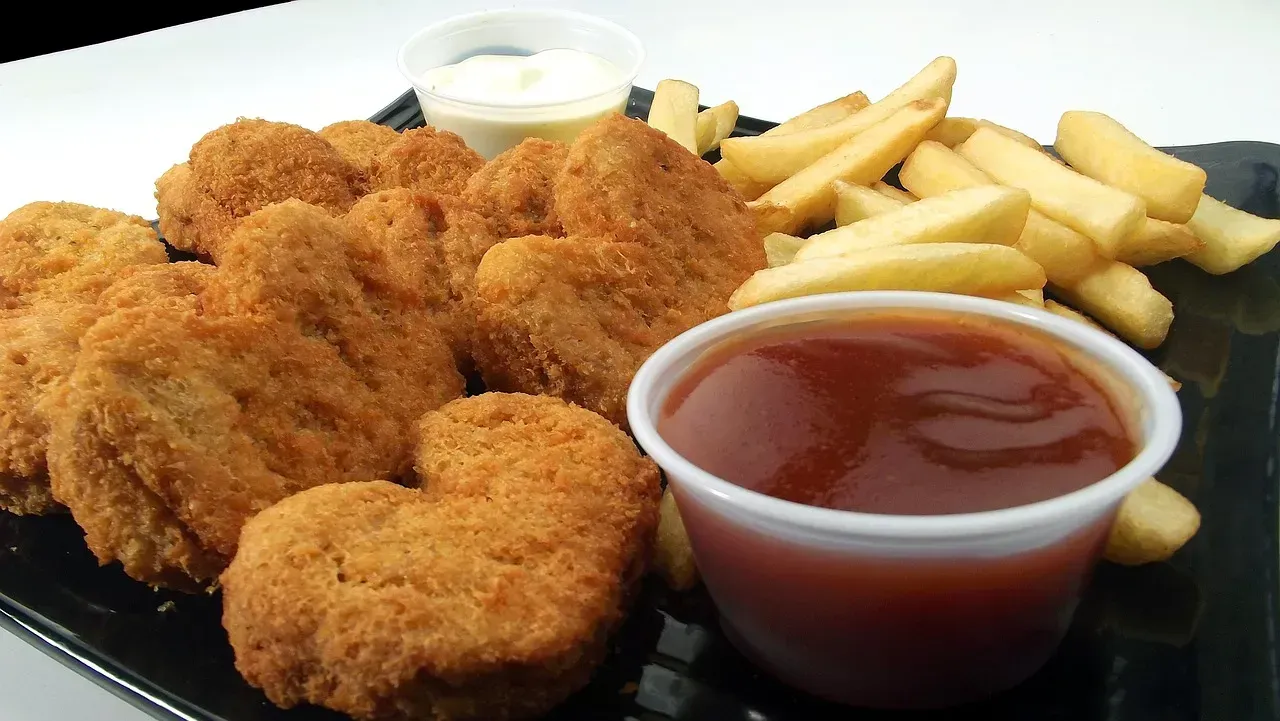
8. Happy Meal-style nuggets and fries (Image Credits: Pixabay)
McDonald’s Happy Meal has been a fixture of American childhood for decades, and its chicken nugget and fries combination is easy enough to approximate using frozen versions of both or a homemade nugget recipe. The trick to good copycat fries is soaking cut potatoes briefly before baking, which removes excess starch and helps them crisp up rather than turning soft. Air frying frozen fries also gets closer to that fast food texture than a standard oven bake.
A small cup of ketchup and a handful of apple slices rounds out the meal in a way that mirrors the actual Happy Meal structure without the drive-through trip. This version lets parents control the oil and sodium levels, which tend to be considerably higher in the fast food original. Packing the fries in an insulated thermos designed for hot foods helps preserve some crispness through the morning.
9. Mini Crunchwrap Supreme
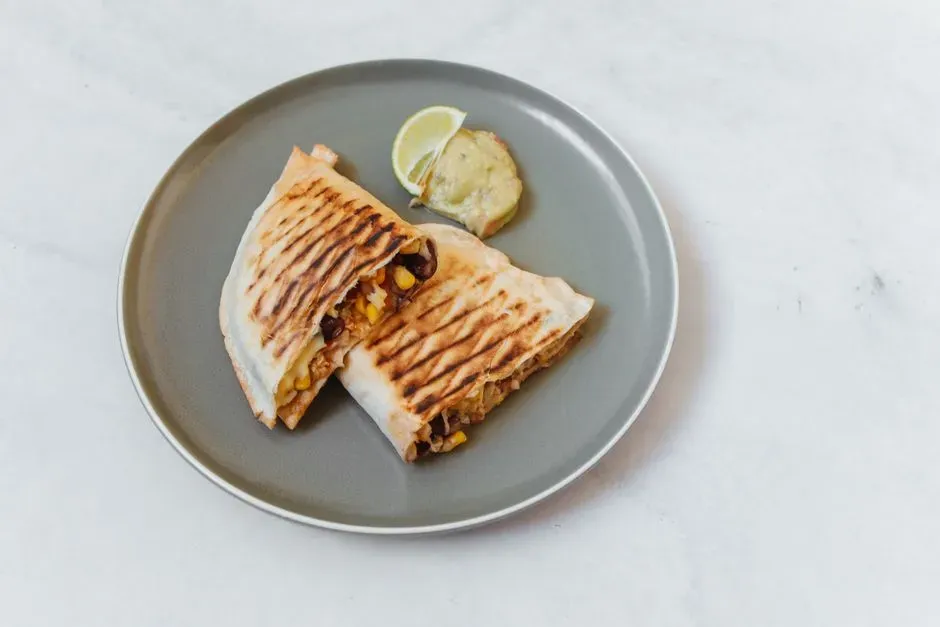
9. Mini Crunchwrap Supreme (Image Credits: Pexels)
Taco Bell’s Crunchwrap Supreme has a cult following, and a scaled-down version works surprisingly well as a lunchbox item because it holds together better cold than most tacos do. A flour tortilla filled with seasoned ground beef, a crunchy tostada shell, cheese, and a bit of sour cream gets folded into the signature hexagon shape and lightly toasted before packing. The layered structure actually helps it stay intact through a backpack in a way that a loose taco simply cannot.
Cutting it in half before packing makes it easier for younger kids to handle without everything falling apart on the first bite. A small side of shredded lettuce and diced tomato in a separate container lets kids add freshness themselves right before eating. This version tends to surprise parents with how close it gets to the original, mostly because the tostada shell provides that same crunch layer.
10. Panera-style mac and cheese
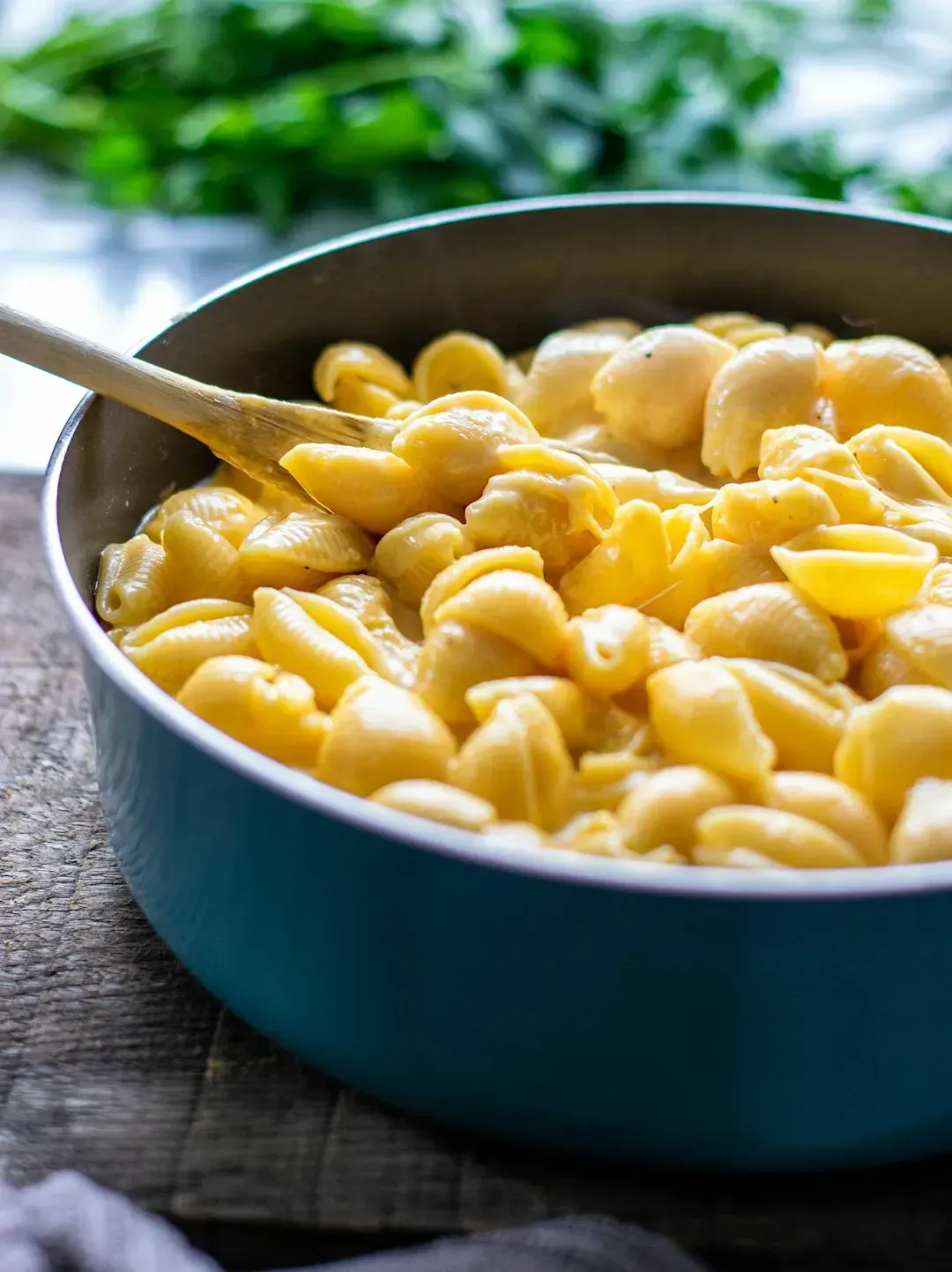
10. Panera-style mac and cheese (Image Credits: Unsplash)
Panera’s mac and cheese built a reputation on being genuinely rich rather than watery, largely because it relies on a real cheese sauce rather than a powdered mix. A basic roux made with butter, flour, and whole milk, combined with sharp cheddar and a bit of Parmesan, gets close to that same creamy consistency. Packing it in a wide mouth thermos keeps it warm enough to stay appetizing by lunchtime rather than congealing the way it can in a cold container.
Adding a few breadcrumbs on top before serving mimics the slightly baked texture some kids specifically look for. This homemade version also skips the preservatives found in shelf-stable macaroni products, while still delivering that same comfort food appeal. A side of steamed broccoli tucked into the same thermos gives it a bit more nutritional balance without changing the core appeal.
11. Personal pan pizza, Pizza Hut style
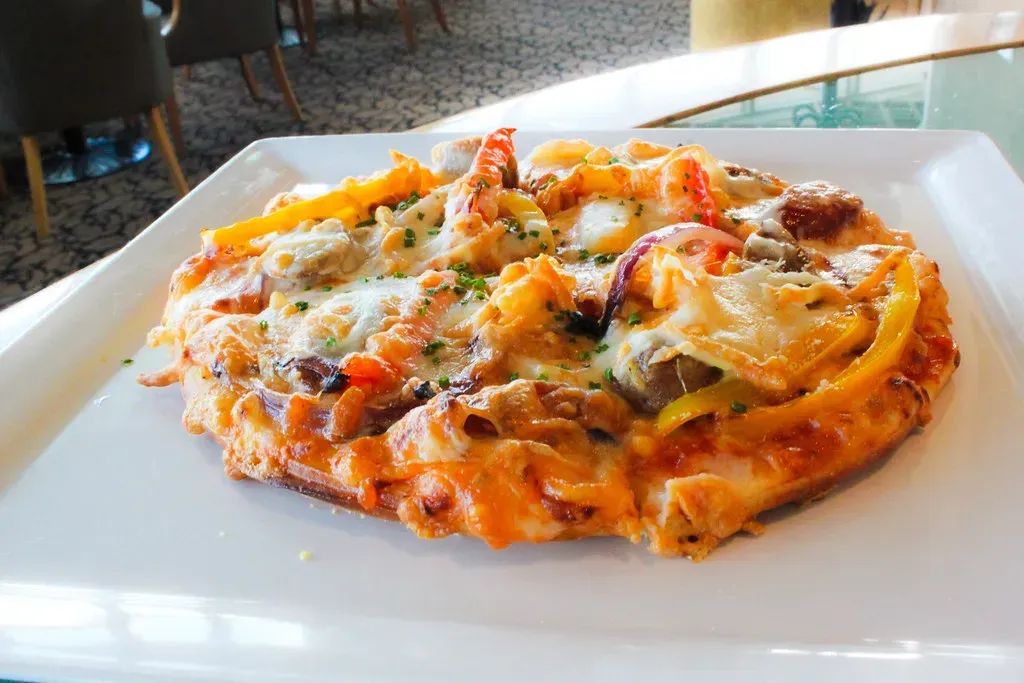
11. Personal pan pizza, Pizza Hut style (ppacificvancouver, Flickr, <a href="https://creativecommons.org/licenses/by/2.0/" target="_blank" rel="noopener">CC BY 2.0</a>)
Pizza Hut’s Personal Pan Pizza became something of a childhood milestone reward in many households, and it happens to translate well into a make-ahead lunchbox item. Using pre-made mini pizza crusts or English muffins as a base, then topping with sauce, mozzarella, and pepperoni, produces a close approximation that reheats reasonably well. Baking these in batches on the weekend and freezing individual portions turns this into one of the more efficient options on this list.
A toaster oven reheat in the morning gets the cheese bubbling again without making the crust soggy the way a microwave often does. Packing it in a container with some ventilation prevents condensation from building up and softening the crust before lunchtime. This option consistently ranks as a favorite among younger kids specifically because of its association with celebrations and rewards.
12. Costco food court pizza slice
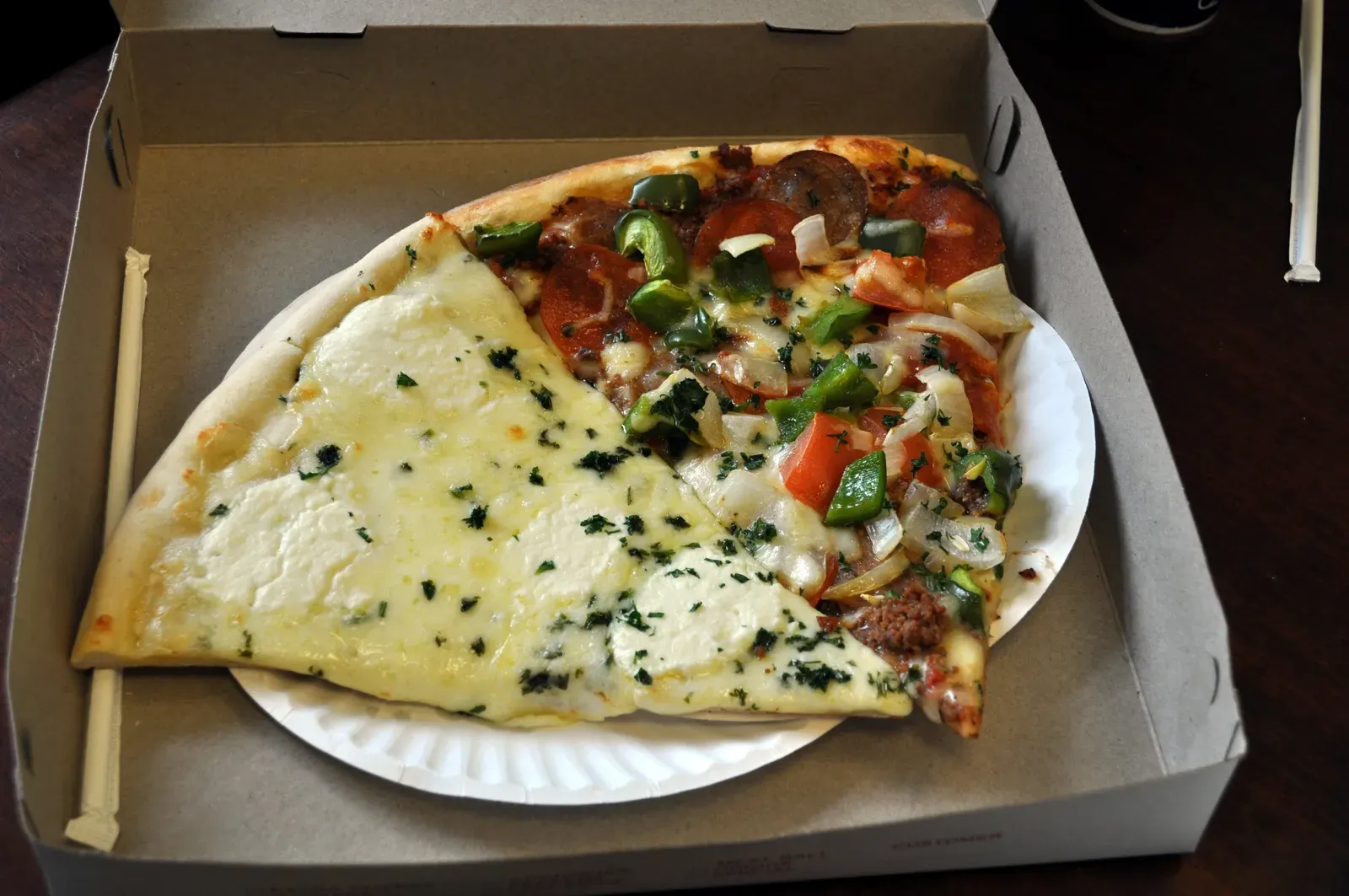
12. Costco food court pizza slice (White Slice and Supreme Slice, <a href="https://commons.wikimedia.org/w/index.php?curid=50393623" target="_blank" rel="noopener">CC BY 2.0</a>)
Costco’s food court pizza has developed something of a devoted fan base for its oversized slices and generous cheese coverage, and a homemade version scaled down for lunchboxes is not difficult to pull off. A thicker crust than typical homemade pizza, combined with a heavier than usual layer of mozzarella, gets closer to that specific texture. Baking the pizza slightly longer than usual helps the crust hold its structure once it cools to room temperature.
This version costs considerably less per slice than an actual food court trip, especially once multiplied across a school week. Cutting slightly smaller squares rather than traditional wedges also makes it easier for a lunchbox container to accommodate without folding. A side of dipping sauce, whether marinara or ranch depending on preference, adds a bit of variety without much additional effort.
13. In-N-Out animal style fries, kid version
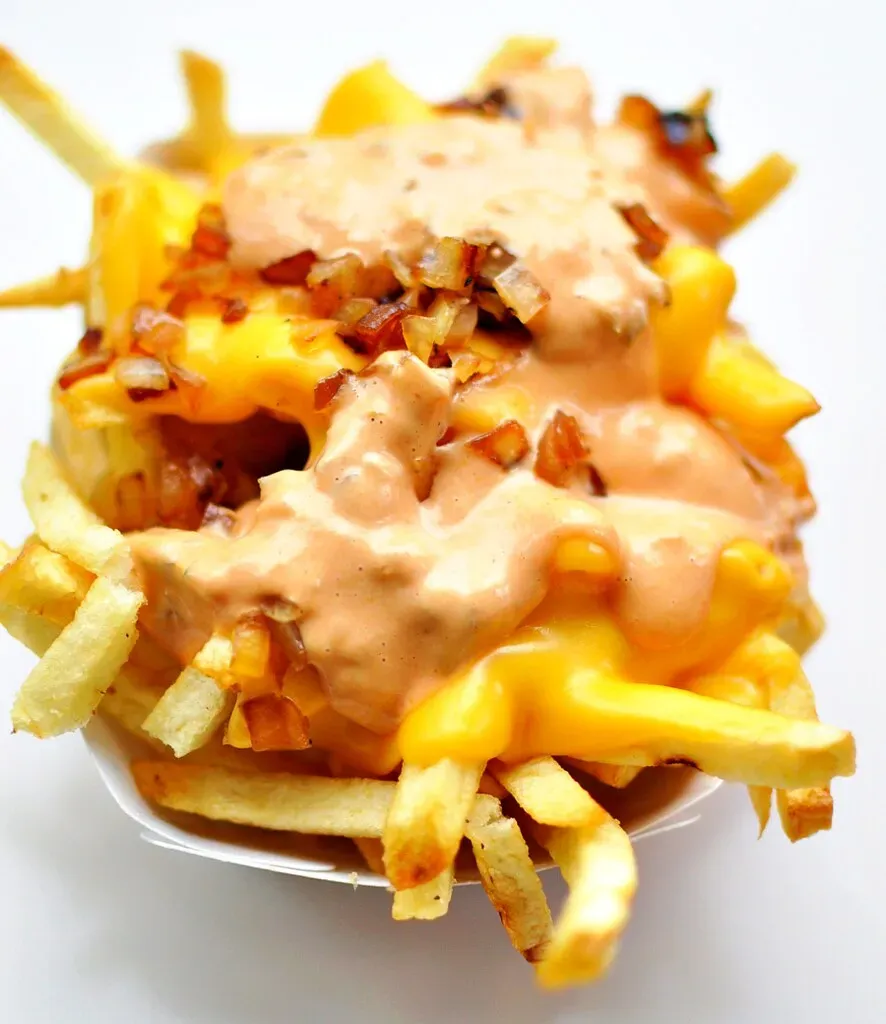
13. In-N-Out animal style fries, kid version (punctuated, Flickr, <a href="https://creativecommons.org/licenses/by/2.0/" target="_blank" rel="noopener">CC BY 2.0</a>)
In-N-Out’s animal style fries, topped with cheese, grilled onions, and a special sauce, have a strong following on the West Coast, and a toned-down version works fine as an occasional lunchbox treat. A simplified sauce made from mayonnaise, ketchup, and a bit of pickle relish gets reasonably close without requiring an exact recipe match. Cooking the onions ahead of time and storing them separately keeps the fries from getting soggy before lunch.
This is best packed in an insulated container specifically designed for warm foods, since the appeal depends heavily on the fries staying at least somewhat crisp. A smaller portion than the restaurant serving works better for a lunchbox anyway, since the topping-to-fry ratio matters more than sheer volume. This one tends to work best as an occasional rotation item rather than a weekly staple, given the richness of the toppings.
14. Wendy's chili, thermos style
14. Wendy's chili, thermos style (Image Credits: Gallery Image)
Wendy’s chili has remained largely unchanged on the menu for decades, and its combination of ground beef, beans, and tomatoes makes it one of the more straightforward fast food items to recreate at home. A simmered mixture of ground beef, kidney beans, diced tomatoes, and a blend of chili powder and cumin gets close to that familiar flavor profile. Packed in a wide mouth thermos, chili actually holds its temperature better than most lunchbox items, staying warm for several hours.
A small side of shredded cheese and crackers lets kids customize their bowl the way they might at the actual restaurant. This homemade version also allows for easy substitutions, such as ground turkey instead of beef, without sacrificing much of the flavor kids recognize. Chili freezes exceptionally well too, making it a practical make-ahead option for busier weeks.
15. KFC-style popcorn chicken
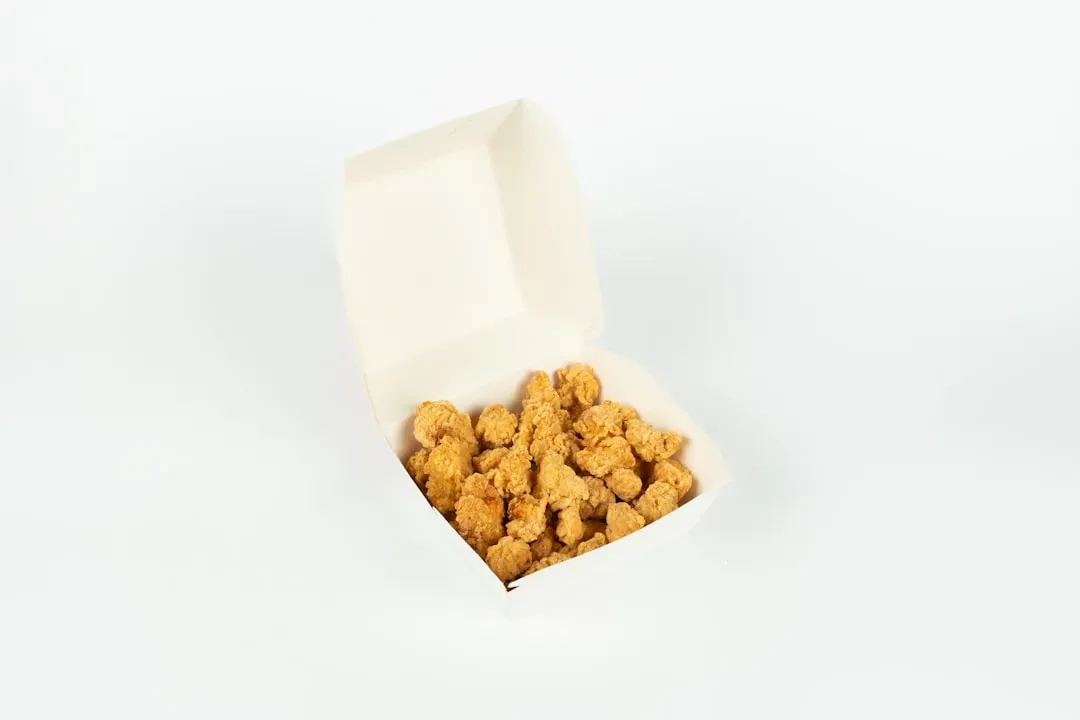
15. KFC-style popcorn chicken (Image Credits: Unsplash)
KFC’s popcorn chicken combines small bite-size pieces with a heavily seasoned, extra crunchy coating, and that bite size format happens to work particularly well for lunchboxes since there is no cutting required. A seasoned flour coating with paprika, garlic powder, and a bit of cayenne, applied to small chicken pieces before baking or air frying, gets close to that signature flavor. Double coating the chicken, meaning dipping it in egg wash and flour twice, produces the extra crunch that defines the original.
These freeze well after cooking, making batch prep on a weekend a genuinely efficient strategy for the week ahead. A small container of honey or ranch dressing on the side completes the experience for kids who already know exactly what they are expecting. Because the pieces are bite-size, they also tend to reheat more evenly than larger cuts of chicken.
16. Olive Garden breadsticks and pasta
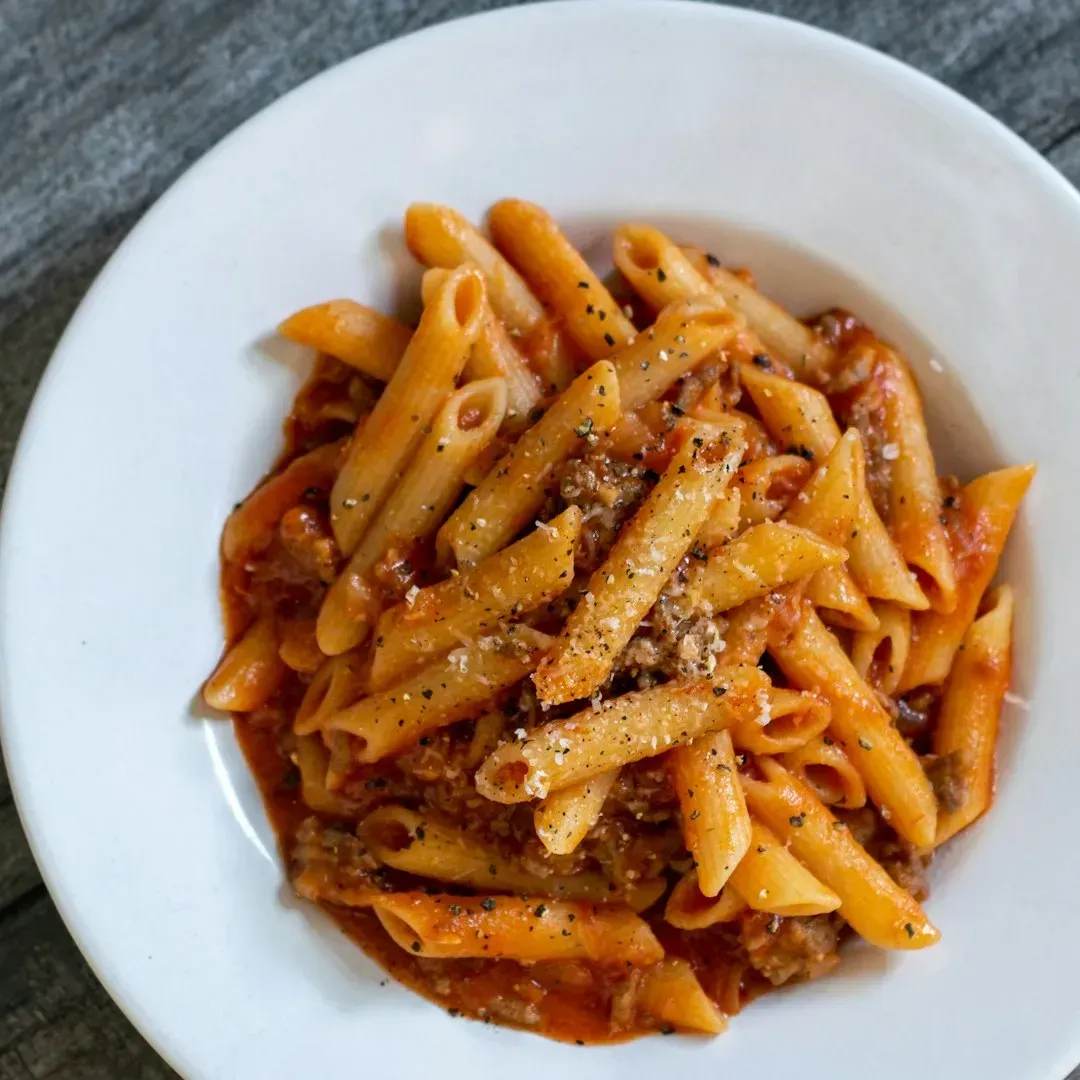
16. Olive Garden breadsticks and pasta (Image Credits: Unsplash)
Olive Garden’s unlimited breadsticks and simple marinara pasta have become something of a comfort food benchmark, and both elements hold up reasonably well in a lunchbox format. A basic garlic butter brushed over baked breadsticks, combined with a simple pasta and marinara packed separately, mirrors the classic combination without much complexity. Keeping the pasta and sauce in a warm thermos while packing the breadsticks separately at room temperature preserves the texture of both.
A sprinkle of Parmesan added just before eating rather than during packing keeps it from clumping or going soggy overnight. This combination tends to be filling enough to work as a standalone lunch without needing many additional sides. Homemade breadsticks also allow parents to control the amount of butter and salt, which run fairly high in the restaurant version.
17. Chick-fil-A mac and cheese
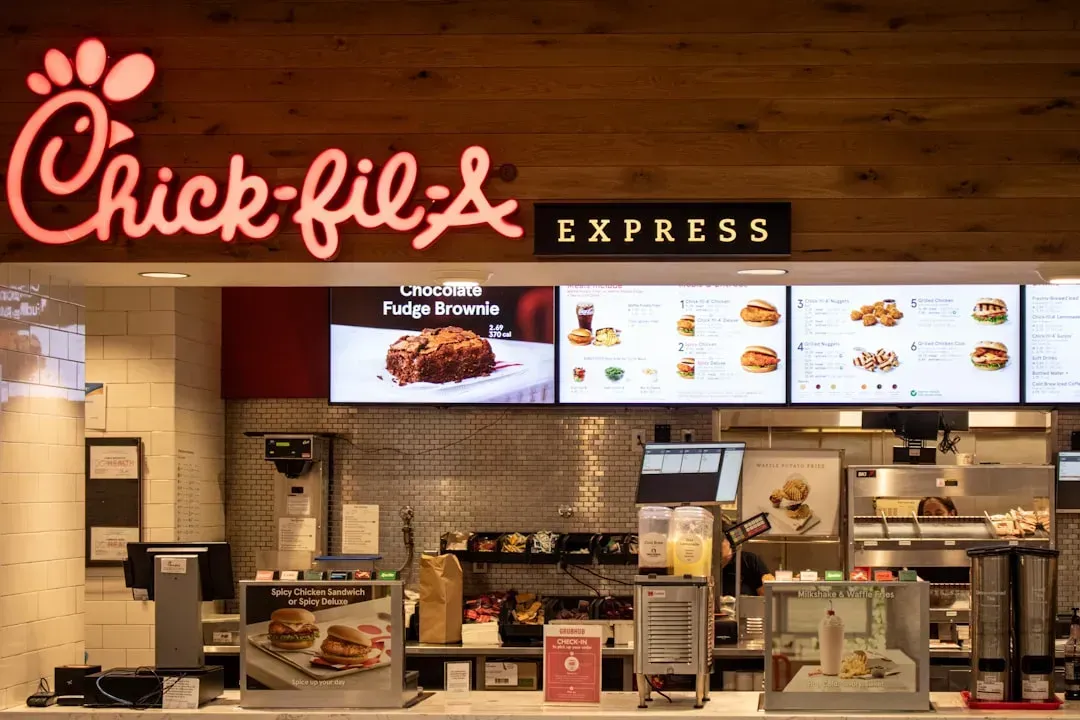
17. Chick-fil-A mac and cheese (Image Credits: Unsplash)
Chick-fil-A’s mac and cheese has built a reputation as one of the better fast food versions available, largely due to its blend of cheeses rather than relying on a single type. A combination of cheddar, Colby, and a touch of Parmesan in a basic cream sauce gets reasonably close to that layered cheese flavor. Baking it briefly with a light breadcrumb topping before cooling slightly replicates the texture found in the actual side dish.
This works well in a thermos designed for warm foods, since the cheese sauce tends to firm up if it cools completely before lunchtime. Pairing it with a small fruit cup rounds out the meal without competing with the richness of the main dish. This version, like several others on this list, allows for a noticeably lower sodium content compared to the fast food original.
18. Dunkin' bagel bites
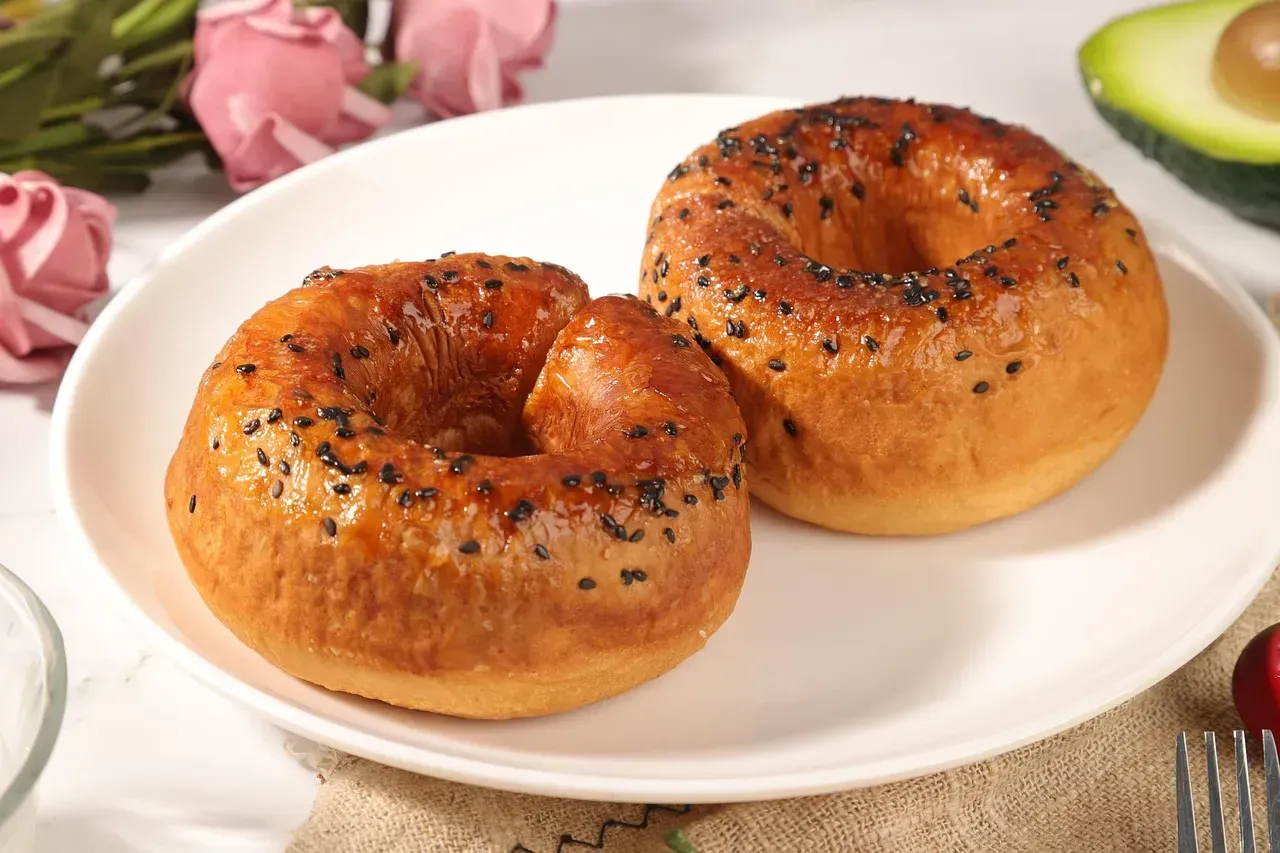
18. Dunkin' bagel bites (Image Credits: Pixabay)
Dunkin’s bagel offerings, particularly with cream cheese, are a common breakfast-turned-lunch item for kids who prefer something simple and familiar. Cutting a plain or everything bagel into smaller bite-size pieces and packing cream cheese separately keeps the bagel from getting soggy in the container. Toasting the bagel lightly before cutting also helps it hold its texture longer once packed.
Adding a few slices of turkey or a hard-boiled egg on the side turns this from a snack into a more complete lunch. This option works particularly well for kids who eat slowly, since bagel bites tend to stay appetizing at room temperature far longer than a full sandwich would. Rotating between plain, cinnamon raisin, and everything varieties keeps this simple format from becoming repetitive.
19. Sonic-style mini corn dogs
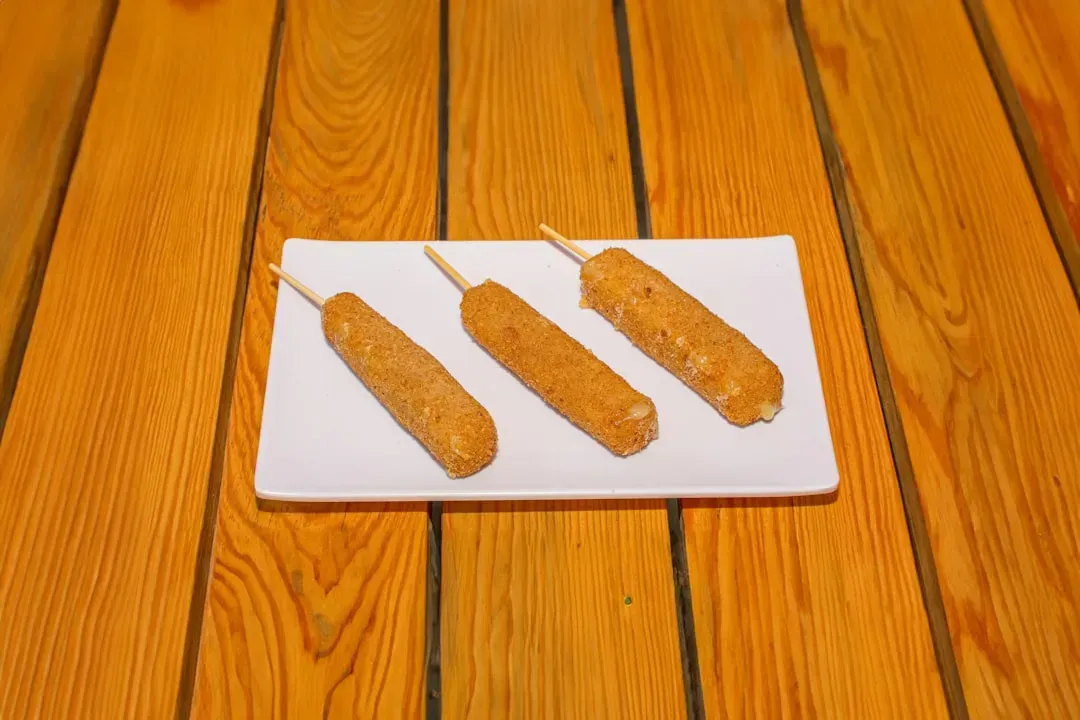
19. Sonic-style mini corn dogs (Image Credits: Unsplash)
Sonic’s corn dogs, along with the drive-in’s broader reputation for classic American fast food, make the mini version a natural fit for a lunchbox rotation. Using small cocktail-size hot dogs dipped in a slightly sweet cornmeal batter and baked rather than fried keeps the mess down while still producing a decent crunch. Baking on a stick, or simply cutting the hot dogs after cooking, depends mostly on what is easier to pack that particular morning.
A small container of ketchup or mustard on the side completes the classic pairing kids already expect from the format. These freeze and reheat well, making batch cooking on a weekend a reasonable time-saving strategy heading into a busy school week. Because they are bite-size, mini corn dogs also tend to generate less food waste than a single full-size corn dog that a younger child might not finish.
Packing lunches this way does not require replicating every ingredient a restaurant uses, since the goal is familiarity rather than precision. Rotating through a handful of these ideas across a month keeps school lunches from feeling repetitive while giving parents more control over sodium, sugar, and portion sizes than store-bought or drive-through versions typically allow. Batch cooking several of these on a weekend, then freezing individual portions, tends to be the difference between this being a sustainable weekly habit and an occasional treat reserved for less hectic days.