
Every parent has a moment they'd rather forget. A raised voice, a slammed door, a threat blurted out in frustration that never had any real teeth behind it. These moments happen because parenting is exhausting and nobody gets a manual, but that doesn't mean every instinctive reaction deserves a repeat performance.
Some discipline habits stick around simply because they were passed down, not because they actually work. Researchers have spent decades studying what happens to children on the receiving end of these patterns, and the findings keep pointing in the same direction. Here are four habits that show up again and again in homes everywhere, along with what the evidence actually says about them.
1. Spanking and physical punishment
1. Spanking and physical punishment (Image Credits: Flickr)
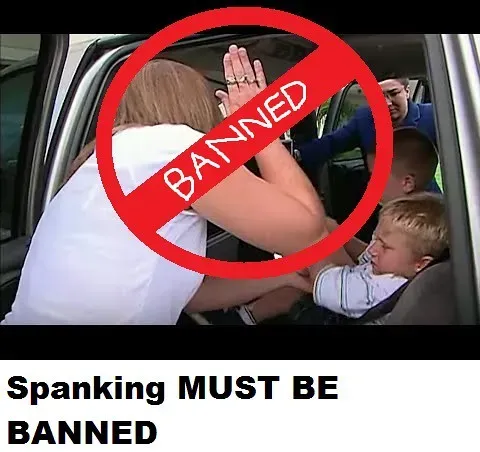
Spanking remains one of the most studied and most contested discipline practices in the world. Researchers estimate that up to 40 percent of U.S. families spank their children, and 1.2 billion children worldwide are physically punished at home. Many parents lean on it because it was how they were raised, and because in the moment, it seems to stop the behavior.
A wave of research published during the past year is strengthening what scientists have demonstrated over the past several decades: Spanking doesn't work, and it may cause lasting harm to kids. The most recent comprehensive report on spanking was published in 2025 by the World Health Organization, and combining evidence available globally, it found overwhelming scientific evidence that physical punishment carries multiple risks of harm and has no benefits for children, parents, or societies. A Harvard-led brain imaging study went further, finding that spanking alters children's brain response in ways similar to severe maltreatment and increases perception of threats. A 2022 review of dozens of studies backed this up, since researchers found that in 94 percent of the studies, there were significant associations between physical punishment and behavioral problems, delayed cognitive development, and poorer emotional well-being.
2. Yelling and shouting as a go-to response

2. Yelling and shouting as a go-to response (Image Credits: Pexels)
Raising your voice feels almost automatic when a child ignores you for the fifth time in a row. It's human, and most parents have done it. The trouble is that yelling rarely produces the calm, respectful behavior parents are actually hoping for.
A study covered by ABC News found that shouting at, denigrating or verbally threatening kids can be just as damaging as physical abuse. Longer-term research backs this up in a striking way. A University of Pittsburgh study that followed nearly a thousand families over two years found that yelling regularly to children as a form of discipline holds many risks for their psychological development, and daily crying out as part of the educational style could predict the onset of behavioral problems in adolescents aged 13 or depressive symptoms at age 14. What makes this harder to shrug off is that a warm, loving relationship doesn't cancel out the damage, since researchers saw that the warmth of parents did not reduce the psychological impact of screams, meaning the mark left by the screams can't be cleared with a hug or a loving gesture. A separate 2003 study found that in households with frequent yelling, children can end up with lowered self-esteem, an increase in aggression toward others and higher rates of depression.
3. Public shaming, including on social media

3. Public shaming, including on social media (Image Credits: Unsplash)
This is a newer twist on an old habit, and it has grown alongside smartphones and social platforms. Parents film a child's punishment, a haircut, a forced apology, a sign held up in public, and post it online hoping to teach a lesson or curb bad behavior. Psychologists who study this trend are consistently unimpressed by the results.
Research published in the Journal of the American Academy of Psychiatry and the Law found that suffering severe humiliation has been shown empirically to plunge individuals into major depressions, suicidal states and severe anxiety states. The core problem is that shaming targets the child's identity rather than the behavior itself, and humiliation doesn't teach children to respect their parents, but rather to fear and avoid them. Once a video is online, parents also lose any say over who sees it or how it's used, which is part of why parents have no control over who views the video and the kind of comments it may attract, and it may cause children to feel stigmatised in their everyday lives. Child development experts generally point toward the same alternative, since natural consequences are much more effective than punishments in shaping behaviors, and when there is not a safe or reasonable natural consequence, logical consequences work instead.
4. Empty threats and consequences you never follow through on

4. Empty threats and consequences you never follow through on (Image Credits: Pexels)
This one is almost universal. A parent warns that dessert is cancelled, screen time is over for a week, or the car is turning around, and then nothing actually happens. It feels harmless in the moment, maybe even like a small mercy, but it quietly erodes something important.
A recent national poll on parenting found that a large share of parents lean on this tactic regularly, and many parents have also threatened to leave an activity or place, take away toys or not get dessert, while nearly half of parents polled have used bribes. A pediatrician involved in that research put it plainly, noting that empty threats undermine trust and credibility and aren't usually effective, while positive reinforcement and consistent discipline are more likely to shape long term behavior. Psychology professor Nancy Darling has studied this pattern closely and explains that any empty threat teaches a child that they can get away with things, drawing attention to the punishment and teaching them to be sneaky, lie, and avoid getting caught. Consistency matters more than severity here, since empty threats undermine your authority as a parent, and make it more likely that kids will test limits.
None of these four habits make someone a bad parent. They're common precisely because they're understandable reactions to stress, fatigue, and a lack of better tools in the moment. What the research consistently shows is that swapping them for calmer, more consistent approaches, whether that's a steady consequence, a lower voice, or simply following through on what was said, tends to build the kind of trust and cooperation most parents are actually after in the first place.