
Snacking gets a bad reputation, but the truth is more nuanced than "snacks are bad." What actually matters is the mix of fiber, protein, and fat in whatever you're reaching for between meals. Some foods that look perfectly innocent, like a bag of pretzels or a handful of dried fruit, can send blood sugar climbing faster than an actual candy bar, while other snacks that seem indulgent can barely move the needle at all.
The difference comes down to how quickly carbohydrates break down into glucose and how much of a buffer your body has to slow that process. Below are eight snacks that tend to keep blood sugar steady, followed by three that quietly do the opposite, often catching people off guard.
1. Almonds and Other Raw Nuts
1. Almonds and Other Raw Nuts (Image Credits: Unsplash)
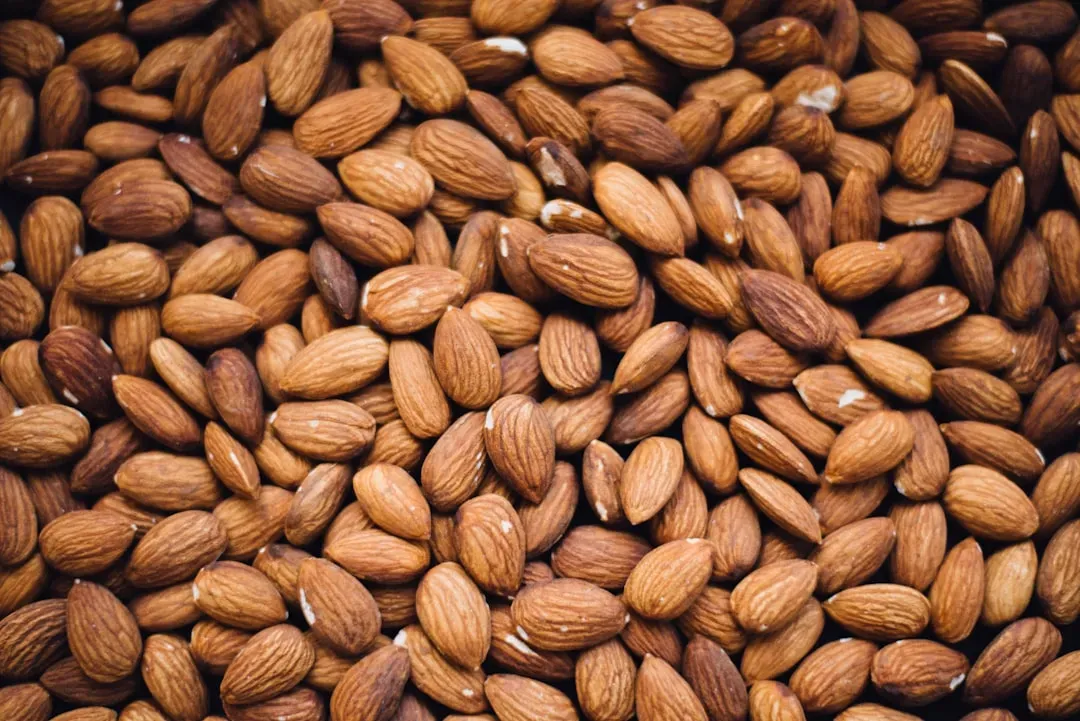
Almonds are one of the most reliable snacks for blood sugar stability because they contain almost no digestible carbohydrate relative to their fat and protein content. A one-ounce serving delivers roughly six grams of protein and around fourteen grams of mostly unsaturated fat, both of which slow gastric emptying and blunt the glucose response from anything eaten alongside them. Research on nut consumption has repeatedly linked regular intake to improved insulin sensitivity over time, not just a flat response in the moment.
Walnuts, pistachios, and cashews offer similar benefits, though cashews lean slightly higher in carbohydrate. The key is sticking to plain, unsalted, unroasted varieties when possible, since heavily processed nut snacks sometimes include added sugars or oils that change the equation. A small handful, roughly a quarter cup, is usually enough to feel satisfied without overdoing calories.
2. Plain Greek Yogurt With Berries
2. Plain Greek Yogurt With Berries (Jose C Silva, Flickr, <a href="https://creativecommons.org/licenses/by/2.0/" target="_blank" rel="noopener">CC BY 2.0</a>)
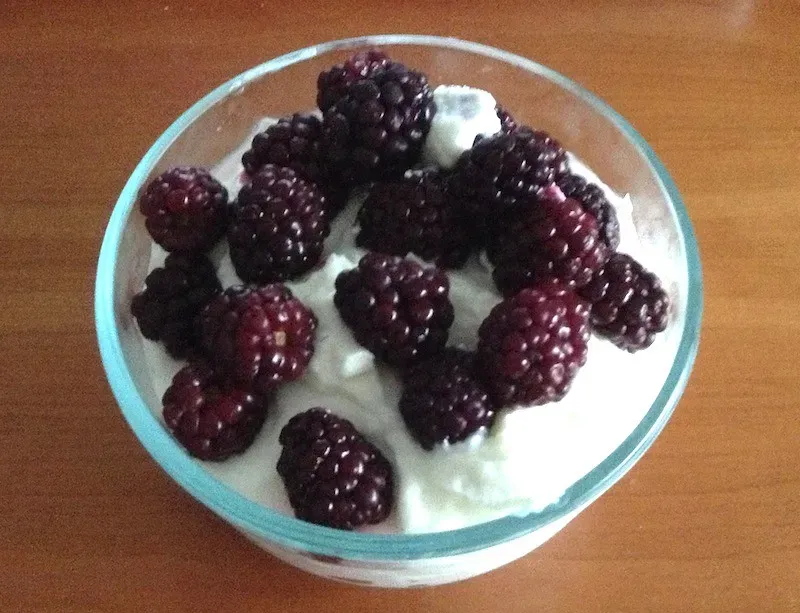
Plain Greek yogurt is strained to remove much of the whey, which concentrates protein to around fifteen to twenty grams per cup while keeping carbohydrate relatively low. That protein density is what makes it such a steady snack, since protein triggers insulin release in a slower, more controlled way than pure sugar does. Pairing it with a small handful of berries adds fiber and antioxidants without introducing the sharp glucose spike that a flavored, sugar-sweetened yogurt would.
Berries specifically stand out among fruits because they're lower in overall sugar and higher in fiber than options like grapes or bananas. Blueberries and raspberries in particular have a glycemic load low enough that they barely register compared to fruit juices or dried fruit. The combination of protein and fiber here creates what nutrition researchers sometimes call a "second meal effect," where blood sugar stays more stable even after the next meal.
3. Hummus With Raw Vegetables
3. Hummus With Raw Vegetables (Image Credits: Unsplash)
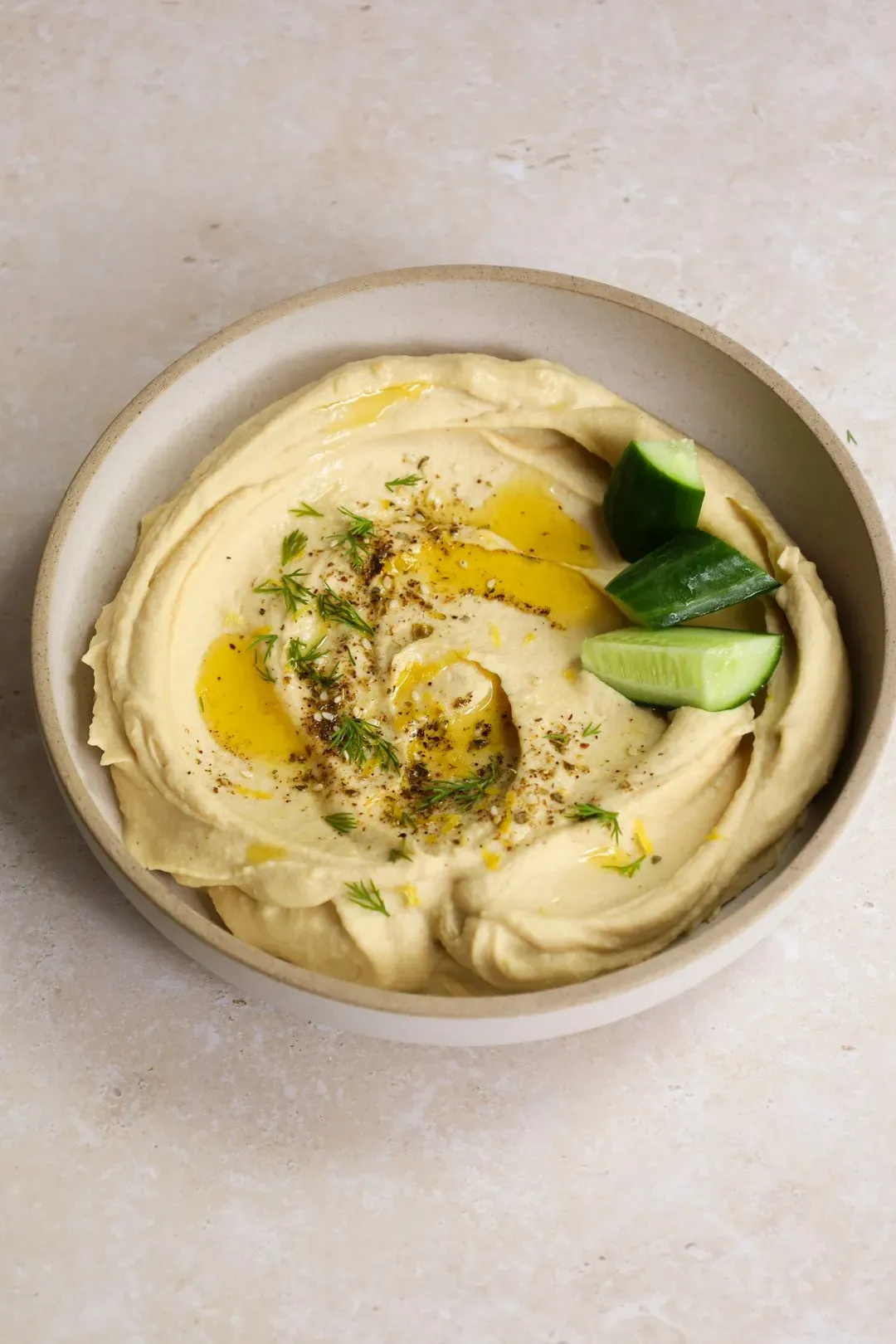
Hummus is made primarily from chickpeas, which are a legume rich in both soluble fiber and plant protein. That fiber slows digestion significantly, which is part of why chickpeas and other legumes consistently show up in studies as foods with a low glycemic index, generally under 30 on the standard scale. Pairing hummus with raw vegetables like cucumber, celery, or bell pepper adds volume and crunch without adding meaningful carbohydrate.
This snack also tends to be more filling than its calorie count suggests, largely because of the fiber and modest fat content from the tahini and olive oil typically used in hummus recipes. People who eat legumes regularly tend to show better long-term glucose control, according to a body of observational research spanning several decades. It's a snack that works well for an afternoon slump without the crash that often follows sugary alternatives.
4. Hard-Boiled Eggs
4. Hard-Boiled Eggs (Image Credits: Unsplash)
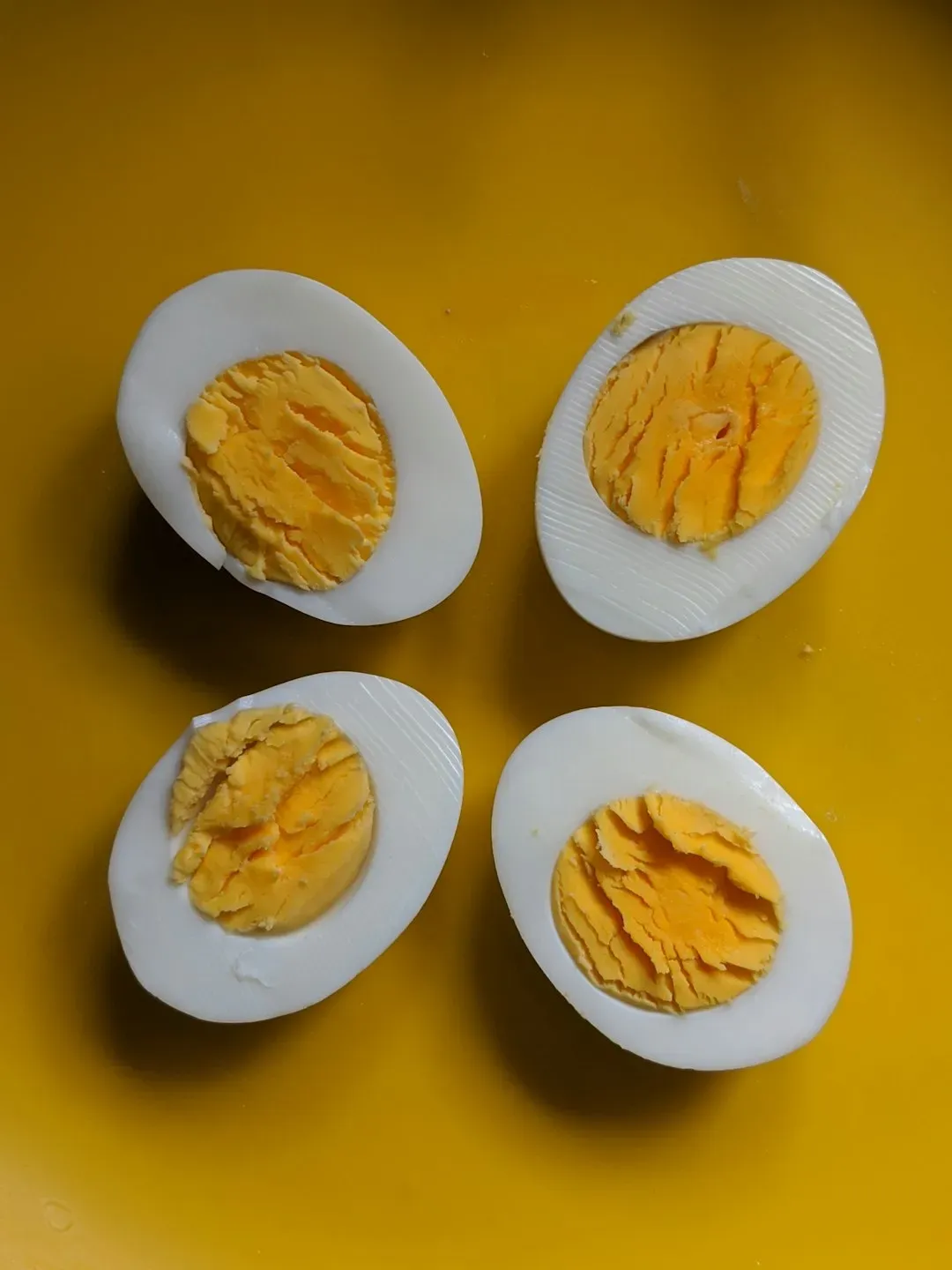
Eggs contain essentially zero carbohydrate, which makes them about as blood-sugar-neutral as a snack can get. A single large egg provides about six grams of high-quality protein along with fat and choline, a nutrient involved in cell signaling that many people don't get enough of. Because there's no sugar to digest, eggs don't produce a glucose spike at all, and the protein and fat actually help moderate the response to anything eaten around the same time.
Hard-boiled eggs are also practical, since they can be prepared in batches and kept in the refrigerator for several days. Some people pair one or two with a small piece of fruit for added fiber and micronutrients, which still keeps the overall glycemic impact low. It's a simple, unglamorous snack, but it's consistently effective.
5. Apple Slices With Natural Peanut Butter

5. Apple Slices With Natural Peanut Butter (Image Credits: Unsplash)
Apples on their own have a moderate amount of natural sugar, but they also contain pectin, a soluble fiber that slows sugar absorption in the gut. Adding a tablespoon or two of natural peanut butter, meaning one without added sugar, introduces protein and monounsaturated fat that further slows the release of glucose into the bloodstream. Together, this combination tends to produce a much gentler blood sugar curve than the apple would on its own.
The fat and protein in peanut butter also help extend satiety, which matters because rapid hunger return is often a sign of a snack that spiked and then crashed blood sugar. Almond butter or sunflower seed butter work as reasonable substitutes for those with peanut allergies. Choosing a firmer apple variety, like Granny Smith, slightly lowers the sugar content compared to sweeter varieties like Fuji or Gala.
6. Cottage Cheese With Cinnamon

6. Cottage Cheese With Cinnamon (Image Credits: Pixabay)
Cottage cheese is another high-protein, low-carbohydrate option, often delivering somewhere between eleven and fourteen grams of protein per half-cup serving. That protein load makes it one of the slower-digesting dairy snacks available, which translates to a flatter glucose response. Some early research has also suggested that cinnamon may modestly improve insulin sensitivity, though the effect size in human studies has been inconsistent and shouldn't be overstated.
Even without relying on cinnamon's potential benefits, the combination works simply because it's low in sugar and high in protein. Some people add a few walnuts or a small amount of fruit for texture and flavor variety. It's a snack that tends to be underrated, possibly because cottage cheese doesn't have the trendy reputation that Greek yogurt has picked up in recent years.
7. Roasted Chickpeas
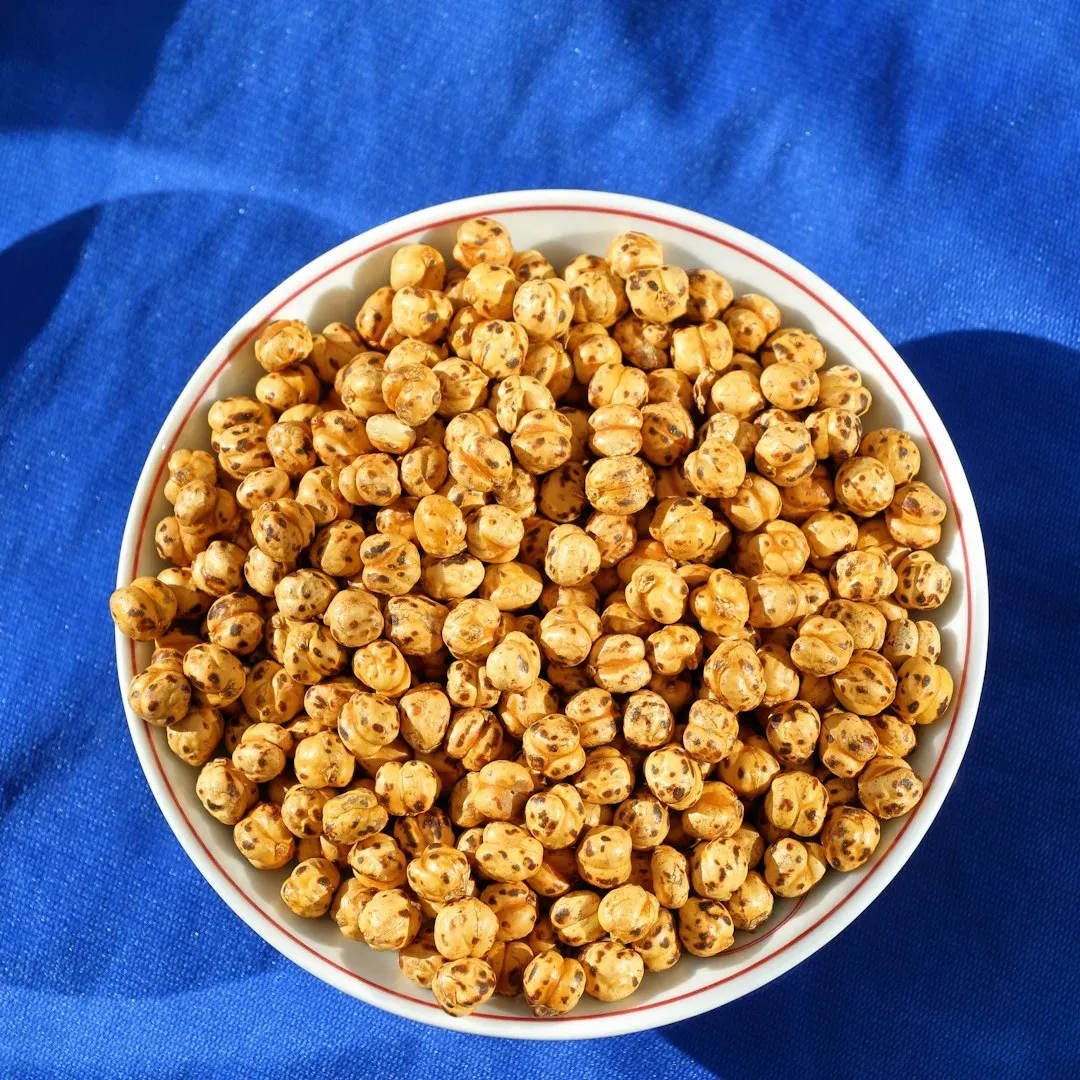
7. Roasted Chickpeas (Image Credits: Unsplash)
Roasted chickpeas have become a popular packaged snack in the past few years, and nutritionally they hold up well for blood sugar purposes. Like hummus, they carry the fiber and protein profile typical of legumes, generally around six grams of protein and six grams of fiber per quarter-cup serving. That fiber content is high enough to noticeably slow the digestion of the modest carbohydrate they contain.
The crunch factor also makes roasted chickpeas a reasonable substitute for chips or crackers, which tend to be far more refined and quick-digesting. It's worth checking labels, though, since some commercial brands add sugar or honey coatings that undercut the benefit. Plain, sea-salt, or lightly spiced versions are generally the better choice.
8. Chia Seed Pudding
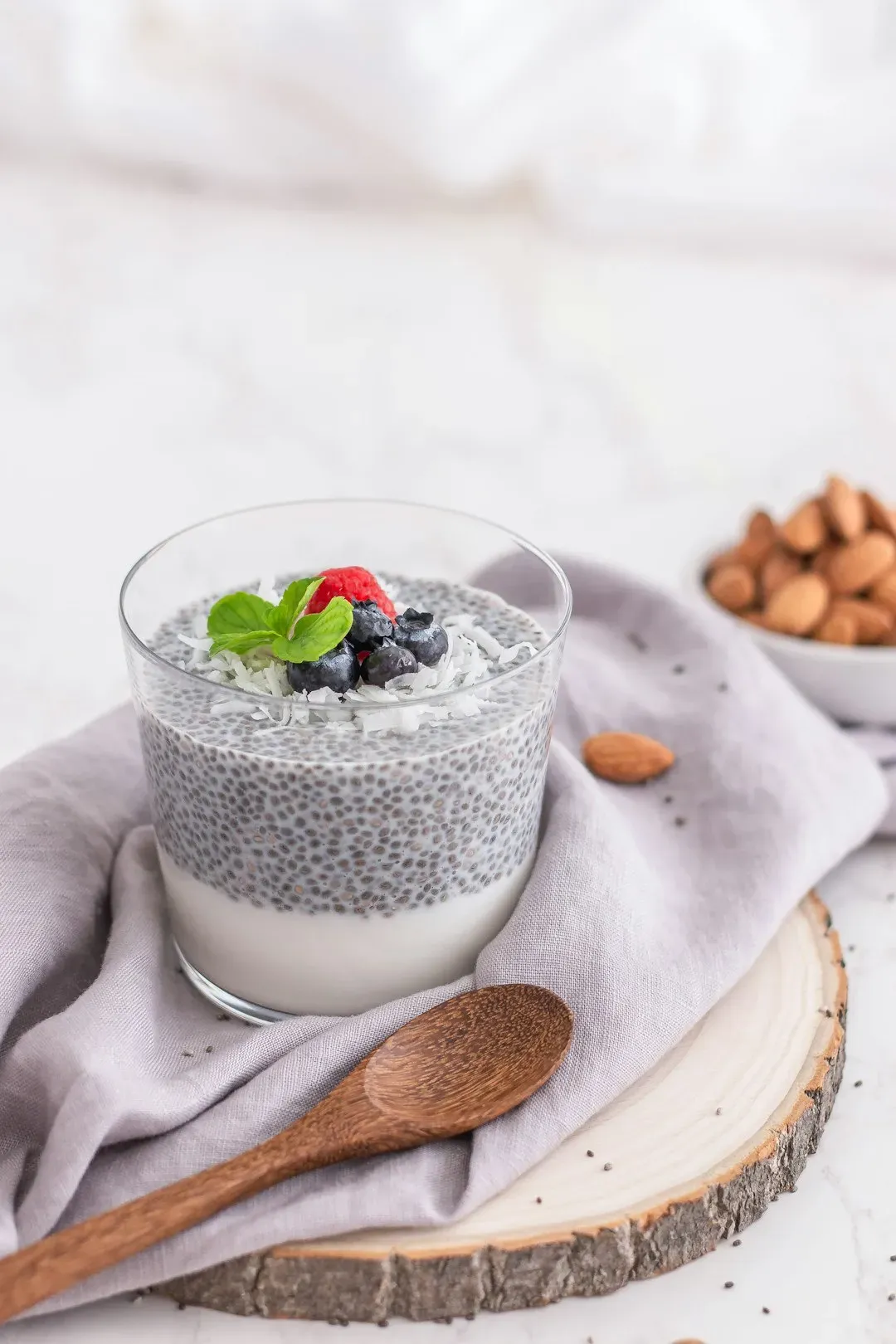
8. Chia Seed Pudding (Image Credits: Unsplash)
Chia seeds are unusual in that they can absorb roughly ten times their weight in liquid, forming a gel that significantly slows digestion. A single ounce of chia seeds contains around ten grams of fiber, which is a substantial amount for such a small serving. That fiber content is largely responsible for the notably low glycemic impact chia-based snacks tend to have, even when mixed with a bit of natural sweetener or fruit.
Chia pudding is typically made by soaking the seeds in milk or a plant-based alternative overnight, which also adds protein depending on the base used. It's a make-ahead snack, which helps on busy days when reaching for something less balanced becomes tempting. The texture takes some getting used to for people unfamiliar with it, but the blood sugar benefits are well documented.
Flavored Rice Cakes

Flavored Rice Cakes (Image Credits: Unsplash)
Rice cakes have long been marketed as a light, diet-friendly snack, but plain rice cakes are made from puffed white rice, which has a glycemic index in the range of 70 to 90 depending on preparation, putting it near or above many candies. The puffing process actually increases the surface area exposed to digestive enzymes, which speeds up glucose absorption even further compared to eating rice in its regular form. Flavored versions often add a thin sugar or syrup coating on top of that already fast-digesting base.
Because rice cakes contain almost no fiber, fat, or protein to slow things down, blood sugar tends to rise quickly and then fall just as fast, often leaving people hungry again within an hour or two. This pattern, a sharp spike followed by a rapid drop, is part of why some people report feeling shaky or foggy shortly after eating them. A candy bar, by contrast, often contains some fat from chocolate or nuts that modestly slows its glycemic impact.
Dried Fruit
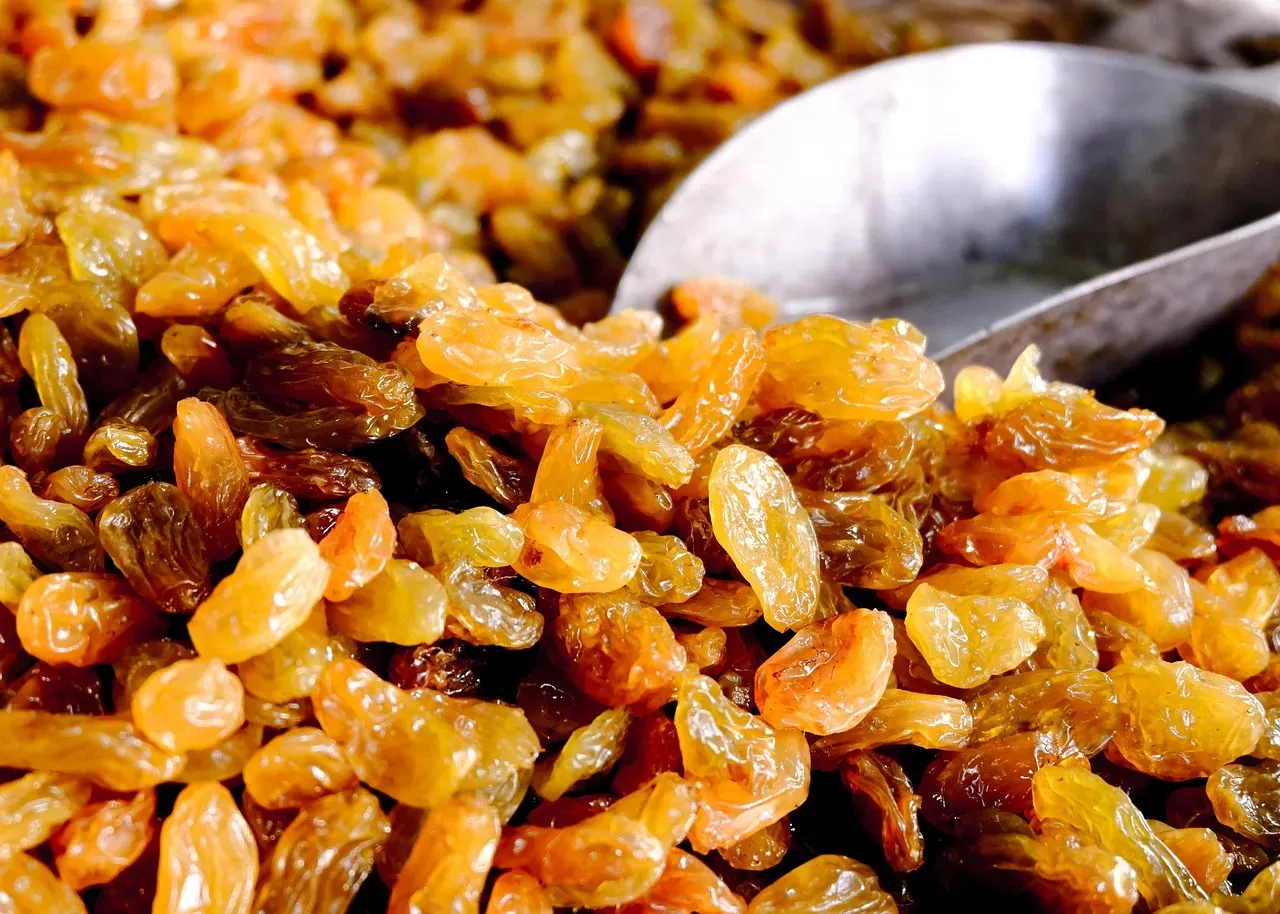
Dried Fruit (Image Credits: Pixabay)
Dried fruit gets treated as a health food, largely because it's fruit, but the drying process concentrates both sugar and calories into a much smaller volume. A quarter-cup of raisins, for instance, packs roughly the sugar content of a full cup of fresh grapes, without the water volume that would naturally limit how much a person eats in one sitting. That concentration effect makes it far easier to consume a large glucose load quickly.
Most dried fruit also loses a portion of its original fiber structure during processing, particularly when it's been treated with added sugar syrups, as many commercial dried mango or pineapple products are. The result is a snack that can spike blood sugar more sharply than a serving of chocolate, which at least contains fat to slow absorption. Portion size matters enormously here, since it's easy to eat several servings' worth of dried fruit without realizing it.
Fruit Juice

Fruit Juice (Image Credits: Pexels)
Fruit juice removes the fiber matrix that whole fruit naturally provides, leaving behind mostly water and free sugars in liquid form. Because there's no fiber or chewing resistance to slow things down, the sugar in juice enters the bloodstream almost as fast as sugar dissolved in water, producing one of the sharpest glucose spikes of any common snack or drink. Even juices labeled "100% natural" or "no added sugar" still contain the same rapidly absorbed fructose and glucose found in the original fruit.
A single cup of orange juice can contain over twenty grams of sugar, comparable to or higher than many standard-sized candy bars, but without the modest fat content that slightly slows a candy's digestion. Studies tracking beverage consumption have consistently linked regular fruit juice intake to higher rates of blood sugar dysregulation over time compared to whole fruit intake. Choosing whole fruit instead, or diluting juice significantly with water, are the more blood-sugar-friendly alternatives.