
There's something quietly fascinating about the way old recipes refuse to die. You think a dish has faded for good, replaced by grain bowls and air-fryer everything, and then suddenly it's showing up on TikTok with millions of views and your neighbor is asking if you have a good recipe for it. In 2025, vintage recipes from the 1950s through the 1990s staged a genuine comeback, fueled by nostalgia and a desire for comfort amid today's uncertainties.
The seventies casserole sits at the center of this revival. Rising food costs make these resourceful meals particularly appealing, as dishes like casseroles are designed to maximize flavor while minimizing expense. Social media platforms like TikTok and Instagram have played a pivotal role in amplifying the appeal of retro recipes, with viral hashtags like #RetroCooking and #GrandmasRecipes introducing these dishes to younger generations. These four dishes, in particular, are worth a second look.
Tuna Noodle Casserole: The Pantry Hero That Never Really Left
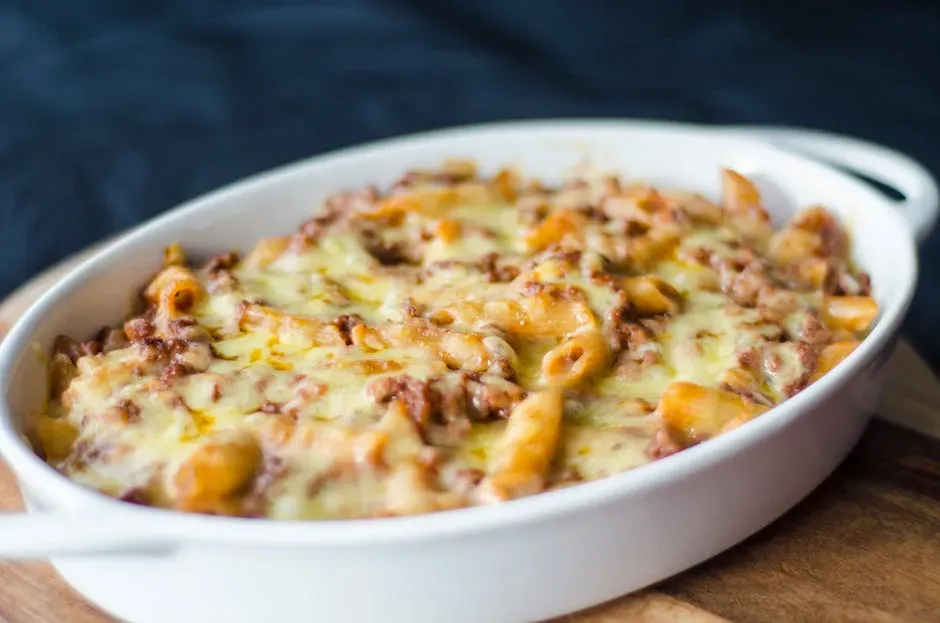
Tuna Noodle Casserole: The Pantry Hero That Never Really Left (Image Credits: Pexels)
Born in the lean postwar years, this casserole had worked its way so deeply into the middle-class kitchen that by the 1970s it barely needed an introduction. It relied on ingredients that could survive in a suburban cabinet for months: egg noodles, cream of mushroom soup, and canned tuna, with a topping of crumbs, cornflakes, or potato chips for crunch. It was humble in the best possible way.
Born in the 1930s and booming in popularity by the fifties, tuna noodle casserole has always been about comfort, with updated versions bringing the retro classic into the 21st century by upgrading the original with a velvety cheesy sauce, tender egg noodles, flaky tuna, and a golden herb-flecked topping. Modern versions skip the canned soup in favor of homemade sauces, proving this simple dish deserves its place back on dinner tables. A classic tuna noodle casserole plays a role beyond being a convenient weeknight dinner: it symbolizes resilience and familial connection.
Chicken Divan: The Dish That Was Fancy Before It Was Practical
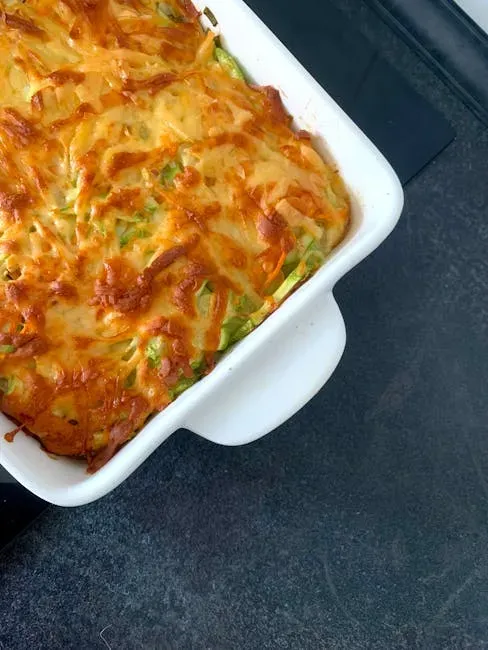
Chicken Divan: The Dish That Was Fancy Before It Was Practical (Image Credits: Pexels)
Chicken Divan started at the Divan Parisien restaurant in New York, where it was a fancy chicken-and-broccoli gratin topped with Mornay sauce. The chef never shared the exact recipe, which meant home cooks had to improvise. By the 1970s, the recipe was tweaked to be a bit less Park Avenue and more potluck, with the restaurant sauce swapped for mayonnaise and canned cream soup, heavier cheese, and the whole thing made easier to throw together on a Tuesday night.
Chicken divan became a staple of seventies entertaining, offering an elegant yet practical way to use leftover chicken and frozen broccoli. The casserole layers tender chicken pieces with broccoli florets, then blankets everything in a rich, creamy sauce made from condensed soup, mayonnaise, and plenty of sharp cheddar cheese. Modern cooks are rediscovering its appeal, sometimes upgrading the sauce with fresh ingredients while keeping the comforting essence that made it a hit. It bridges the gap between effort and reward rather neatly.
King Ranch Chicken Casserole: Texas's Best-Kept Secret Goes National
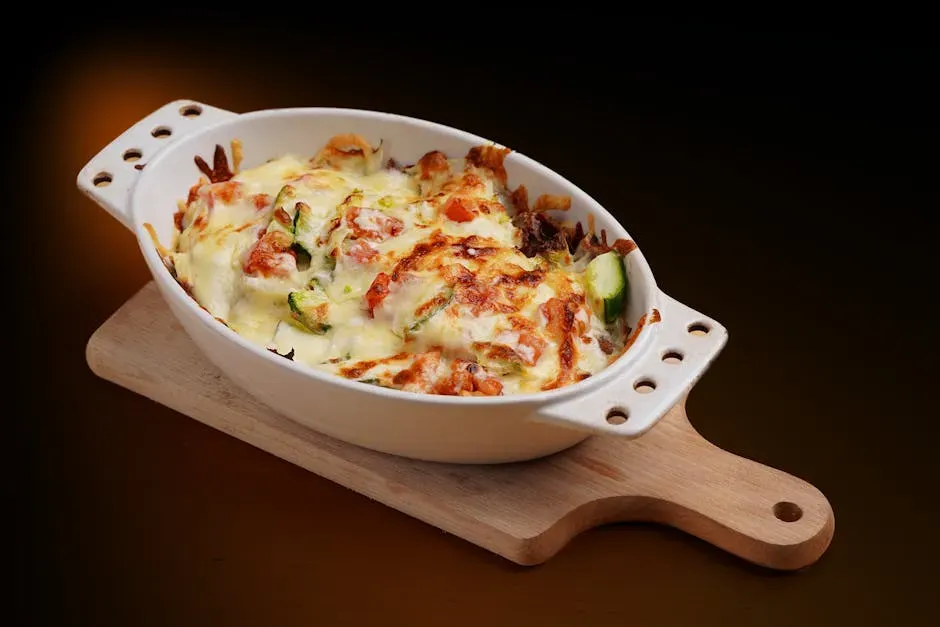
King Ranch Chicken Casserole: Texas's Best-Kept Secret Goes National (Image Credits: Pexels)
King Ranch chicken is a Tex-Mex casserole made with shredded chicken, canned soup, canned tomatoes with chiles, cheese, and tortillas. The name comes from King Ranch in Texas, one of the largest ranches in the United States, although the recipe's origin is unknown and it has no known direct connection to the ranch. It is thought to have developed after World War II, when casseroles made from canned food became popular.
King Ranch chicken experienced a significant surge in popularity during the 1960s and 1970s, particularly in South Texas, where it became a fixture at church suppers, school cafeterias, and family gatherings. This rise aligned with the broader Tex-Mex culinary boom, driven by the widespread availability of convenient canned ingredients like cream soups and tomatoes with chiles. The dish's layered, casserole format made it ideal for communal events, allowing it to spread through word-of-mouth and shared recipes. Many modern recipes forgo the canned soup in favor of a béchamel base and other homemade ingredients, but the spirit of the dish remains unmistakably Texan.
Funeral Potatoes: The Dish With a Morbid Name and a Devoted Following
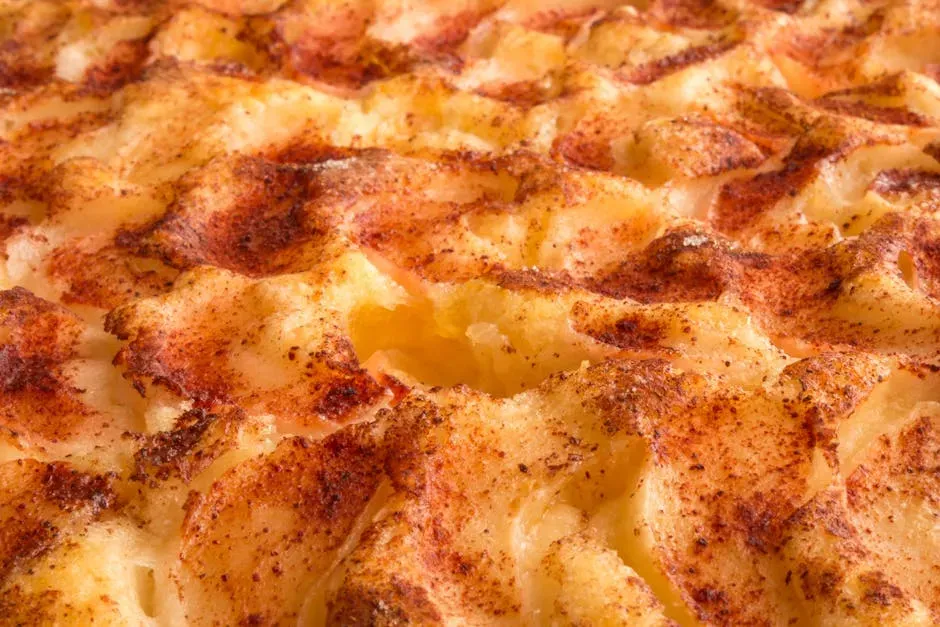
Funeral Potatoes: The Dish With a Morbid Name and a Devoted Following (Image Credits: Pexels)
Funeral potatoes is a potato-based hotdish or casserole, similar to au gratin potatoes, popular in the American Intermountain West and Midwest. It is a common side dish during traditional after-funeral dinners, but it is also served at potlucks and other social gatherings, sometimes under different names. The dish has been associated with members of the Church of Jesus Christ of Latter-day Saints because of its widespread popularity among members of the church.
The dish usually consists of hash browns or cubed potatoes, cheese, onions, cream soup or a cream sauce, sour cream, and a topping of butter with corn flakes or crushed crackers or potato chips. During the 2002 Winter Olympics in Salt Lake City, one of the souvenir collector pins featured a depiction of funeral potatoes, cementing this regional favorite as an iconic American comfort food. In 2024, a resurgence of interest in the dish came about after the TikTok cooking community discovered it, leading to the dish's hashtag accumulating millions of views. This is a vintage dish that may not retain its lost-to-the-sands-of-time status for long.
What these four dishes share is a kind of stubborn usefulness. They were never meant to impress. They were meant to feed people, comfort people, and hold up well in a 9×13 pan passed around a crowded table. Many recipes from the late 20th century were resourceful, relying on leftovers and minimizing waste. These qualities align with modern, eco-conscious values. Whether it's a casserole made from pantry staples or a dish that reimagines yesterday's dinner, these recipes reflect the sustainable approach to cooking growing in the 2020s. That's not a bad reason to bring them back.