
Walk into most butcher shops and you’ll find the same familiar lineup behind the glass: ribeye, strip, tenderloin, and a few pork chops. It’s a menu that rarely changes, partly because those cuts sell reliably, and partly because customers don’t ask for anything else. The system tends to reward habit over curiosity.
Yet behind the scenes, a whole other world of cuts exists – ones that pack serious flavor, cost a fraction of the price, and often require real skill to prepare. These were often called “butcher’s cuts,” because the people who broke down the animal would keep them for themselves and cook them up for lunch, with none of their clients any the wiser. Here are ten of them worth knowing.
1. Hanger Steak
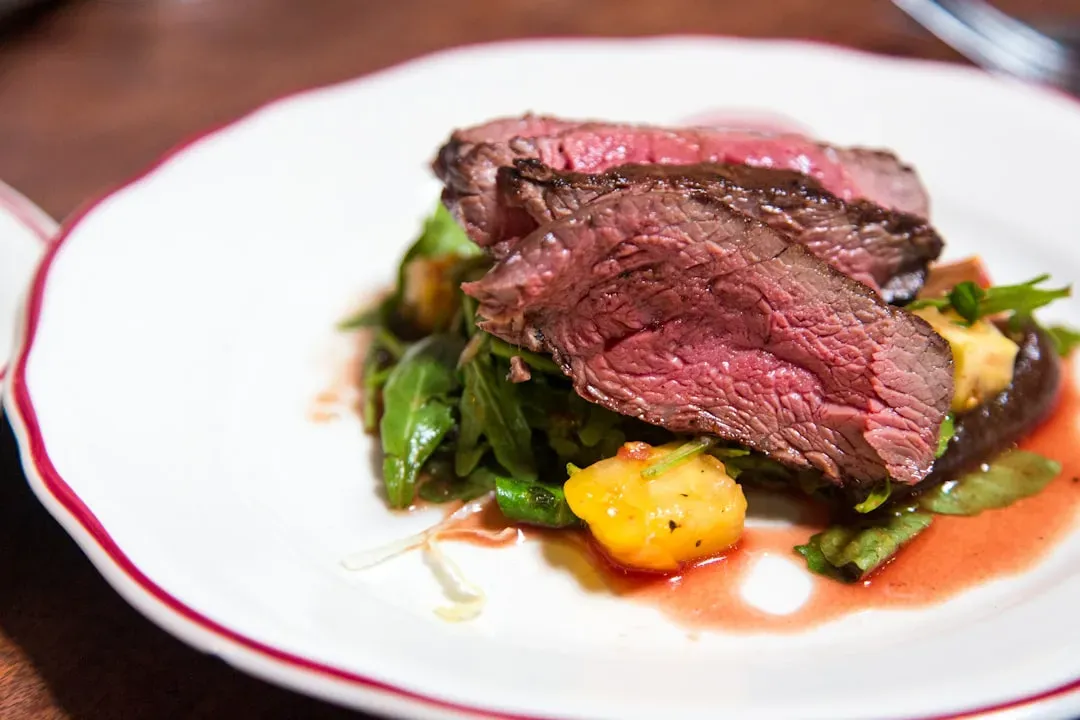
1. Hanger Steak (Image Credits: Unsplash)
Hanger steak is often referred to as the "butcher's cut," because butchers have been known to reserve it for themselves and not even offer it to customers. According to culinary professionals, it's one of the best cuts of steak when cooked perfectly. Most restaurants don't serve it because there is only one per cow, as it comes from the diaphragm. That scarcity alone tells you something about how seriously the people who cut meat take this piece.
Hanger steak is located at the plate primal and comes from the muscle that used to support the cow's diaphragm. As its name implies, it just literally hangs from the diaphragm with no work, giving it a very fine grain and fantastic tenderness. Cook it hard and fast on a screaming hot grill, slice against the grain, and you'll understand immediately why butchers kept this one quiet for so long.
2. Flat Iron Steak
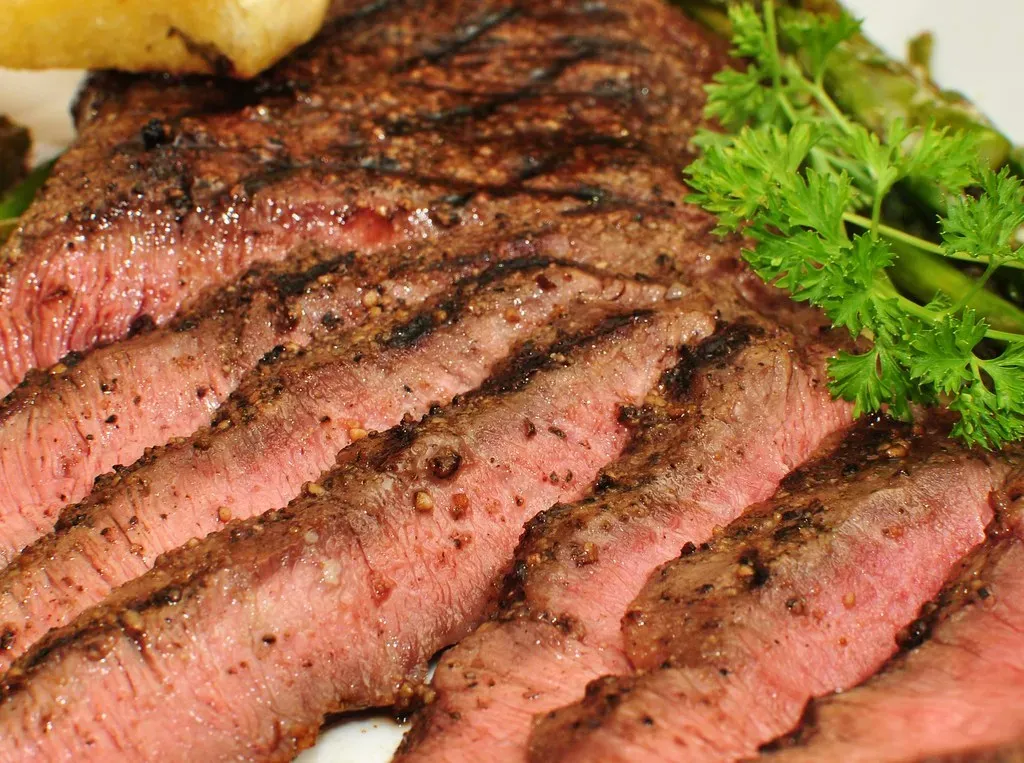
2. Flat Iron Steak (jeffreyw, Flickr, <a href="https://creativecommons.org/licenses/by/2.0/" target="_blank" rel="noopener">CC BY 2.0</a>)
The flat iron steak is cut from the top blade of the chuck. Developed in the early 2000s through research by the University of Nebraska and the USDA, this cut was identified as the second most tender muscle after the tenderloin. It has a fine grain, good marbling, and cooks evenly, making it popular among chefs seeking a balance of tenderness and cost-effectiveness.
Butchered from the fatty part of the chuck, the flat iron is a more flavorful and tender cut than the similarly shaped flank steak. Thanks to its lesser-used location on the cow, the shoulder-cut steak features the best of both worlds: it's fairly lean with evenly distributed marbling. The biggest problem that fans of this cut have is actually finding it. Many meat markets and butcher shops don't carry it, so one must specifically source it.
3. Denver Steak
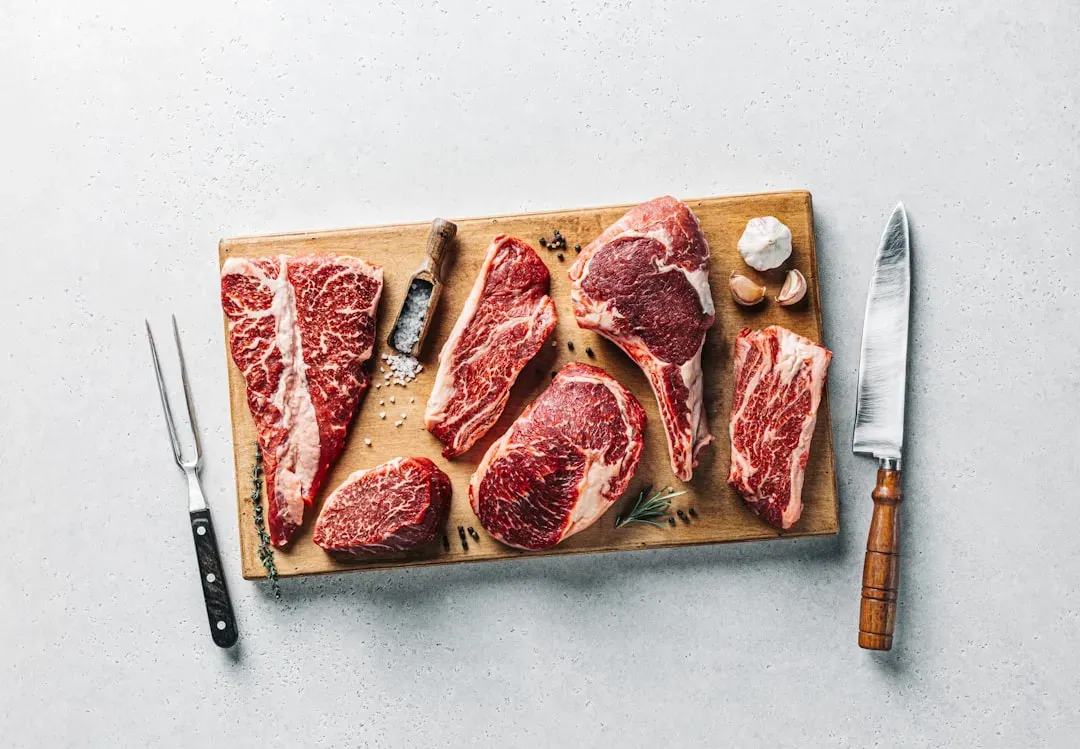
3. Denver Steak (Image Credits: Unsplash)
Denver steak has a fascinating background since it was only formally recognized as a distinct cut just over a decade ago. In 2009, the Cattlemen's Beef Board issued the task of finding another cut from the chuck roll, and this new cut was discovered as an even more flavorful option below the blade altogether. This area, deeper inside the cow's shoulder, is exercised even less than the blade, resulting in more fat marbling despite having no fat cap.
The Denver steak is shielded by other harder-working muscles in the cow's shoulder, which means it is more tender than you'd expect, but you still get the rich flavor chuck is known for. Denver steaks also have quite a bit of marbling. They are harder to find, most likely only available at an experienced butcher shop. If you see one in the case, grab it without hesitation.
4. Teres Major (Petite Tender)
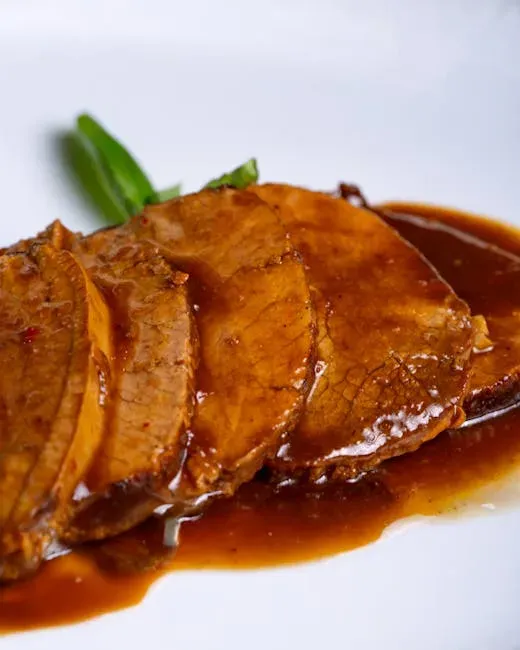
4. Teres Major (Petite Tender) (Image Credits: Pexels)
Also known as the shoulder tender or petite tender, the teres major is a hidden gem from the chuck primal. This cut is often compared to the tenderloin for its texture but offers a more robust beef flavor. Because of where the teres major is situated, it doesn't get as much use as other muscles in the shoulder area, which maintains its tenderness. Its location means that it also has the beef-forward flavor that chuck is known for.
You won't find it sold at a lot of places because it's small and requires a considerable amount of work to separate. It's not as plentiful on the cow, so butchers and meat plants don't get much payoff for the added effort. Each animal only yields about two pounds of teres major. For a home cook willing to seek it out, it offers tenderloin-quality texture at a much friendlier price.
5. Spinalis (Ribeye Cap)
5. Spinalis (Ribeye Cap) (Image Credits: Pexels)
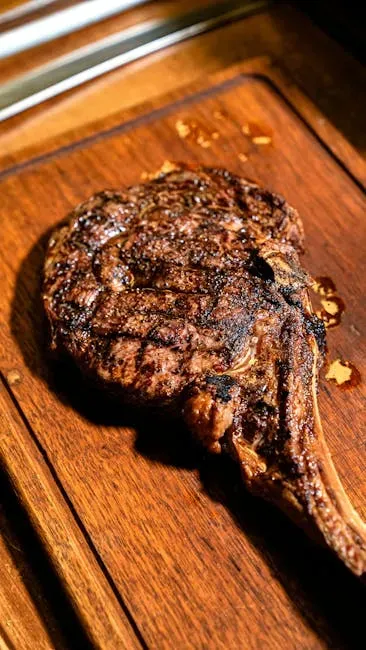
The ribeye cap, also known as spinalis dorsi, delivers exceptional marbling, exquisite flavor, and extraordinary tenderness. This cut sits on top of the ribeye and is what makes that steak so special. It has "exceptional marbling that makes it extremely buttery, tender, and flavorful." It isn't the easiest to find all by itself, though, because it typically stays on the ribeye.
Whole, the spinalis is roughly sixteen to eighteen inches long, about eight inches wide, and around an inch thick. A research team ranks it third in tenderness behind beef tenderloin and flat iron steak. It delivers one of the richest, beefiest bites you'll find anywhere. Most butchers know this is the crown jewel of beef, which is exactly why they often set it aside for their own dinner tables rather than putting it out for sale.
6. Chuck Eye Steak
6. Chuck Eye Steak (Image Credits: Unsplash)
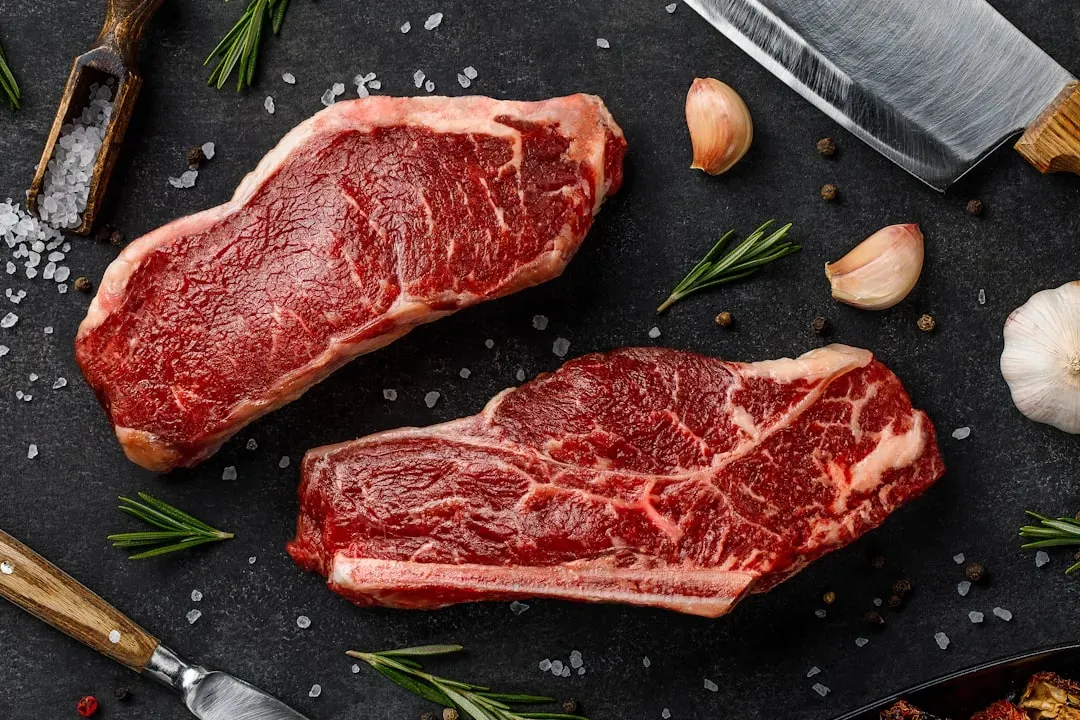
Known as the "poor man's ribeye," the chuck eye steak surprises with its rich marbling and robust flavor. This cut comes from the shoulder and is often overshadowed by pricier steaks. Chuck eye comes from the same area as ribeye but is cut from the chuck primal rather than the rib primal, being well-marbled, flavorful, and more affordable, still delicious when cooked properly.
There are technically only two chuck eye steaks per cow, so they're not always available. Few butchers are going to break out an entire chuck just to cut you a few eye steaks. Try and place a special order so they can collect a few for you. The flavor-to-cost ratio on this cut is genuinely hard to beat, especially if you enjoy the richness of a ribeye but prefer not to pay the premium.
7. Bavette (Sirloin Flap)
7. Bavette (Sirloin Flap) (Image Credits: Unsplash)
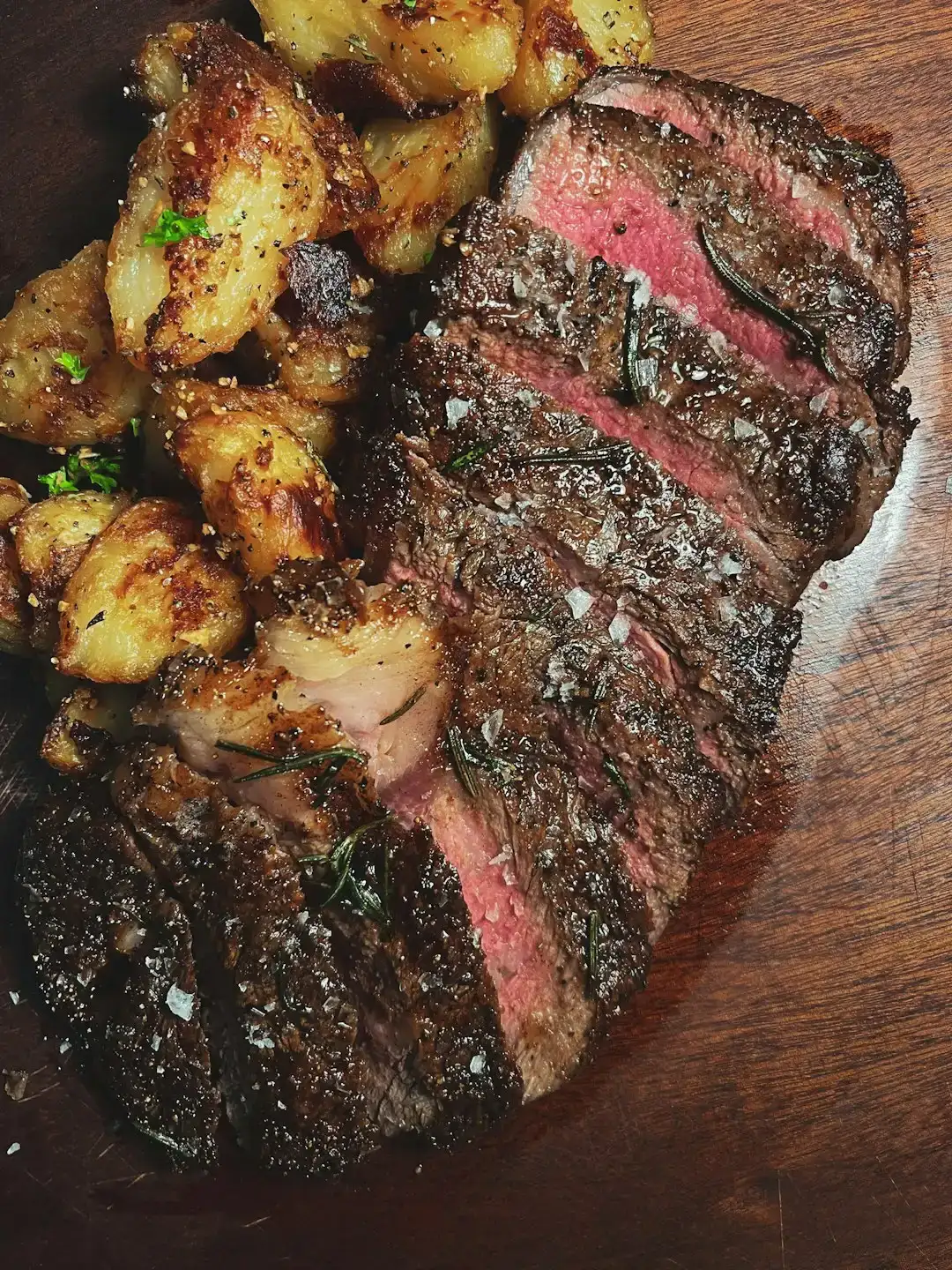
Flap, or bavette, steak has earned the nickname of the butcher's secret because it is lesser known, less ordered, and often saved by a butcher for themselves. Flap steak is cut from the abdomen of the steer, which is where the name "bavette" comes from, the French word for "bib." This is the same region where flank and skirt steak are cut from, but flap cuts have a better muscle-to-fat ratio and are therefore juicier and more flavorful than similar alternatives.
Unlike some lower-cost cuts of steak, flap steak has a medium to high-fat content so that it can be cooked the same as more expensive, fattier cuts. Its robust beefy flavor allows it to stand up to seasonings, and it's great for slicing into pieces and tossing in a steak salad or filling tortillas. It's versatile, honest, and still largely flying under the radar outside of butcher-savvy circles.
8. Picanha (Sirloin Cap)
8. Picanha (Sirloin Cap) (Wesley Fryer, Flickr, <a href="https://creativecommons.org/licenses/by/2.0/" target="_blank" rel="noopener">CC BY 2.0</a>)
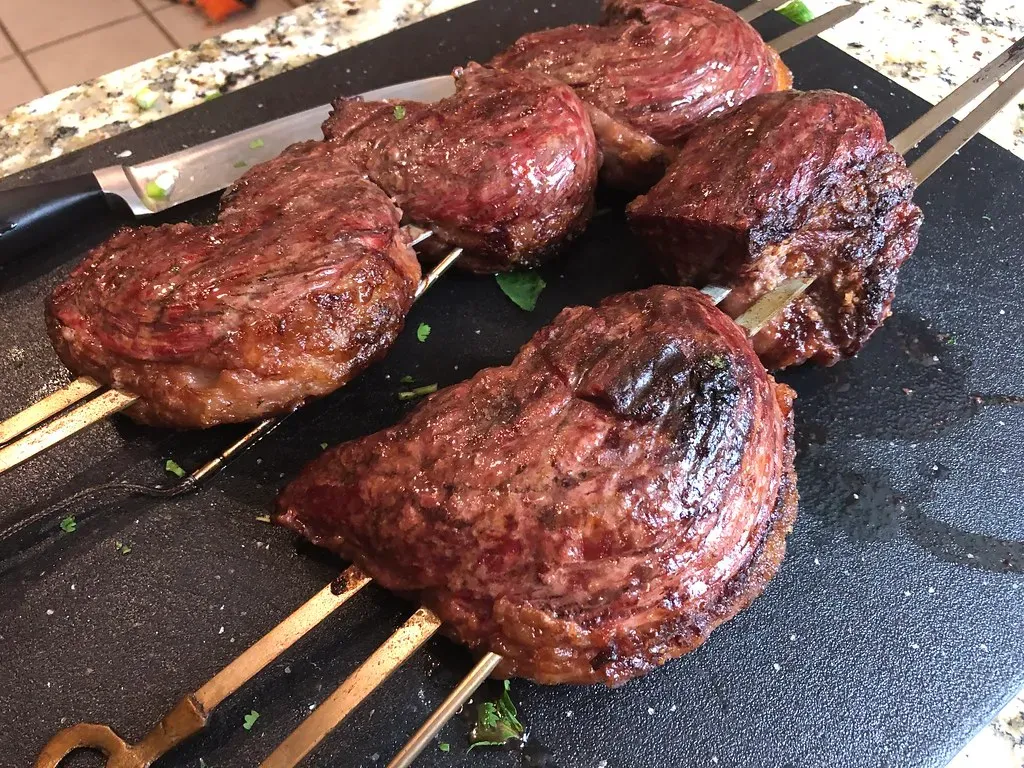
Popular in Brazil and Portugal, the picanha has gained some traction in the U.S., although it's far from being as popular as some other cuts of beef. Also known as rump cover, rump cap, and sirloin cap, the picanha comes from the rump area of the cow. It is known for its rich flavor and signature fat cap, which helps baste the meat as it cooks.
Picanha isn't commonly found in supermarkets. If you're in the mood for this particular cut, you might need to hit up a higher-end butcher shop. The traditional way of cooking picanha is with a skewer over hot embers, though you can also grill, sear, smoke, or oven-cook it. Whatever method you choose, the key is to leave that fat cap completely intact.
9. Oyster Steak (Spider Steak)
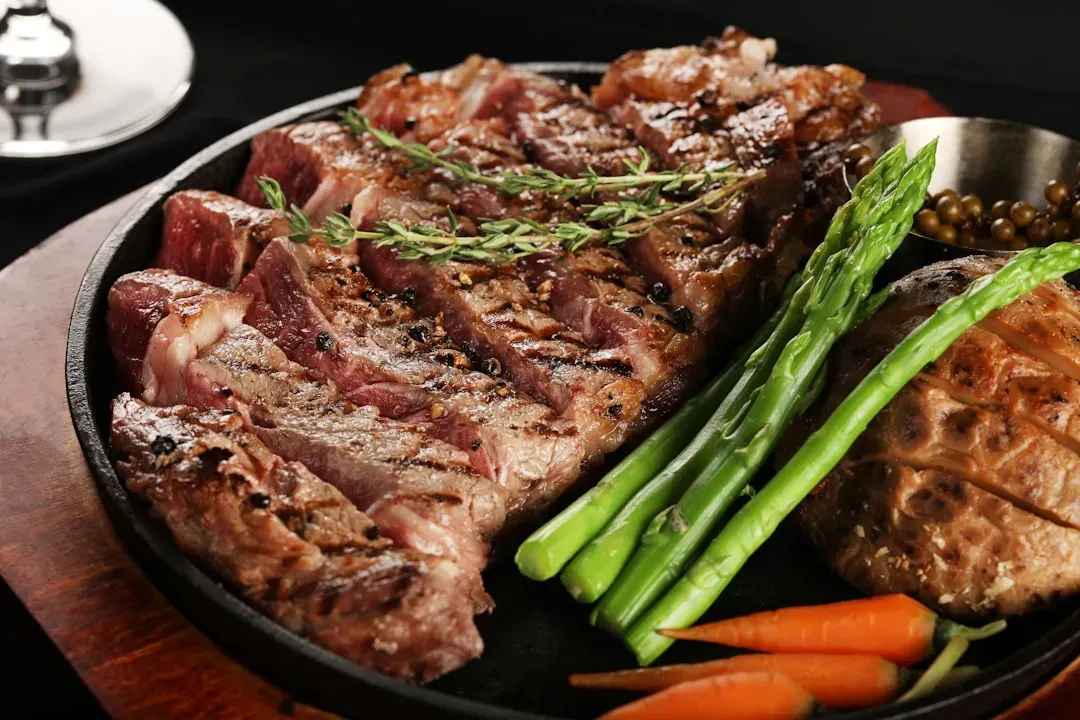
9. Oyster Steak (Spider Steak) (Image Credits: Unsplash)
The oyster steak, also called spider steak, is a small, round muscle located near the hip bone. Each animal only yields two pieces weighing just four to six ounces total, which explains why it's rarely sold separately. Because of the way beef is usually processed, the oyster steak is exposed to air during the week or so that the animal hangs, which gives it an intense flavor. It's called the oyster steak because of the webs of fat running along it, which make it look a bit like an oyster shell.
This little hidden gem, also called a spider steak, is shaped like a crescent moon and boasts beautiful marbling throughout, contributing to its rich flavor. With only two tiny oyster steaks per cow, it's a relatively rare find that's well worth seeking out. Despite its petite size, this steak packs a punch in the flavor department, and its tenderness makes it perfect for a quick sear on the pan. Don't expect to find it in a supermarket meat case – this one requires a real conversation with your butcher.
10. Pork Coppa (Pork Collar)
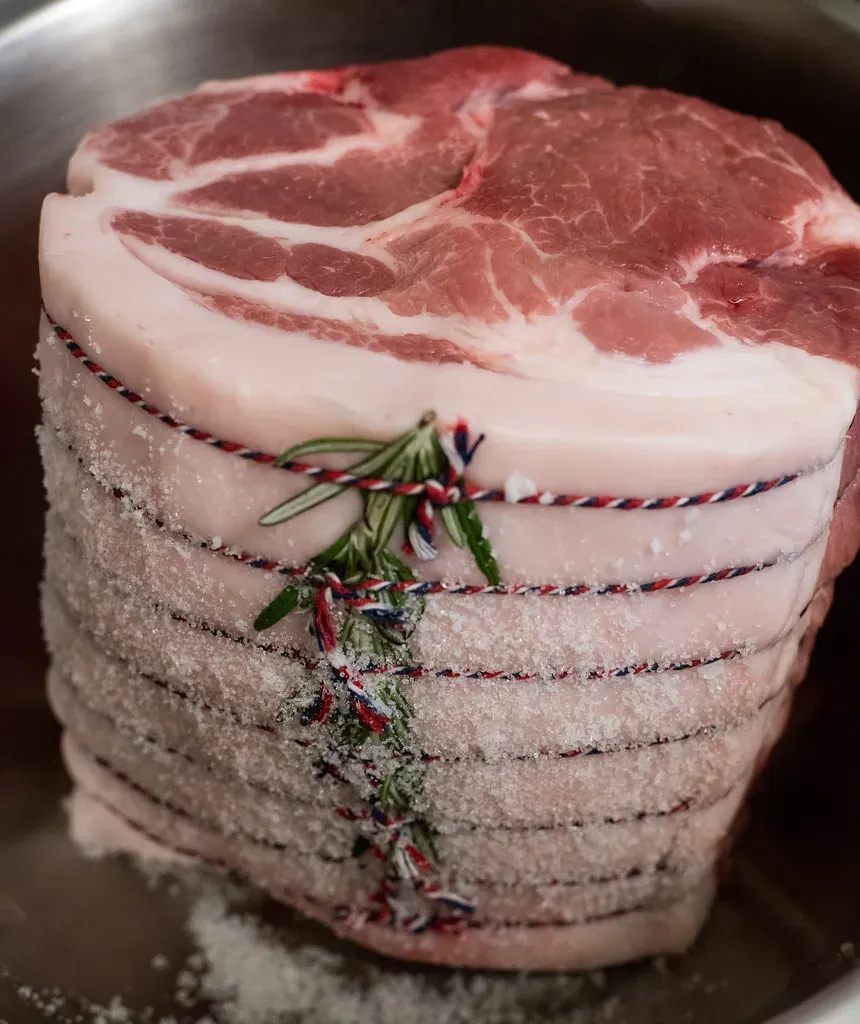
10. Pork Coppa (Pork Collar) (Edsel L, Flickr, <a href="https://creativecommons.org/licenses/by-sa/2.0/" target="_blank" rel="noopener">CC BY-SA 2.0</a>)
Less popular than pork loin or pork belly, pork coppa is cut from the shoulder of the pig, just above the butt. This low profile is surprising since the cut can be both very tender and flavorful, and it is a favorite among competition barbecue pitmasters. Sometimes also called the pork collar or the money muscle, the coppa contains a lot of intramuscular fat, tissue, and collagen, which make it melt-in-the-mouth tender if cooked properly.
Cut from the pork shoulder, the large barrel-shaped roast is a fairly rare find with only two able to be sourced from each animal. As a result, butchers often don't advertise the prized piece of pork and you'll need to call ahead or ask for it specifically. You'll need to head to an old-school butcher rather than a grocery store for the coppa – it's that special. Pork coppa is popular in Italy, where it's called capocollo and often appears on charcuterie boards in a cured form. In its fresh, unaged form, it's one of the most rewarding roasts you can put in the oven.
The common thread running through all ten of these cuts is that they reward curiosity. With the rise of specialty butchers and online meat delivery services, it is becoming easier to access and appreciate a wider variety of cuts. Most of the time, all it takes is walking up to the counter, skipping the usual order, and simply asking what's hiding in the back.