
Most mornings, the difference between a heart-protective breakfast and a harmful one comes down to a handful of simple choices. It’s not about following a rigid plan or swapping everything you enjoy. It’s about understanding which foods genuinely move the needle when it comes to cardiovascular risk, and which ones quietly work against you.
Research published in the Journal of Nutrition, Health and Aging found that people who consumed between roughly a fifth and a third of their daily energy intake at breakfast while eating higher quality foods showed improvements in waist circumference, triglycerides, and HDL cholesterol. In other words, what you put on that plate in the morning genuinely matters. Here are six breakfast foods that cardiologists and nutritionists consistently point to as among the most beneficial for your heart.
Oatmeal
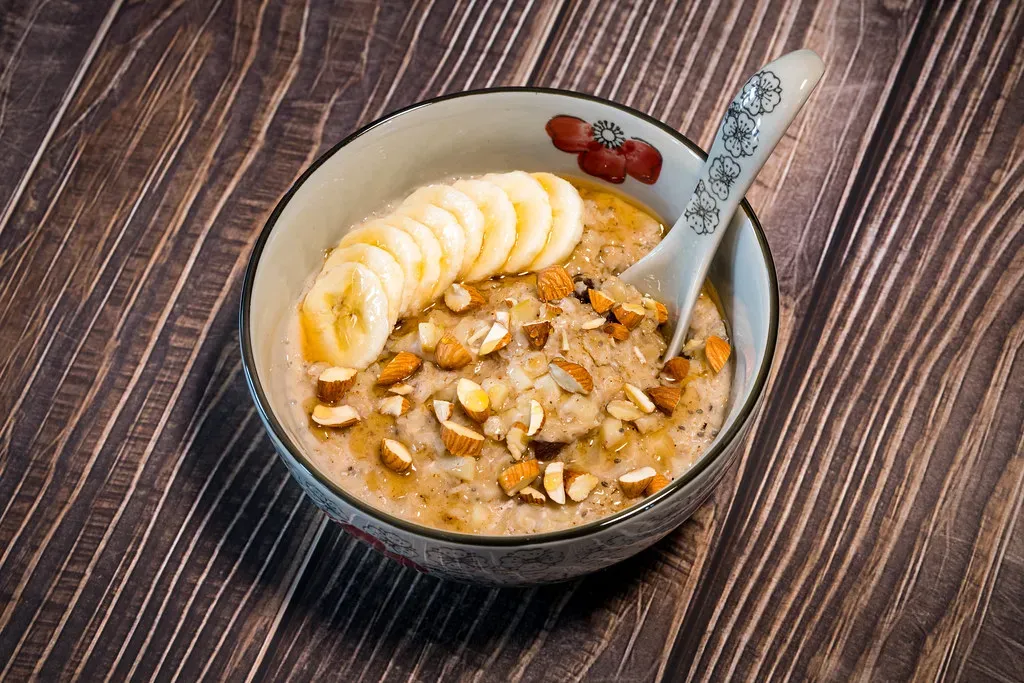
Oatmeal (とりどり, Flickr, <a href="https://creativecommons.org/licenses/by-sa/2.0/" target="_blank" rel="noopener">CC BY-SA 2.0</a>)
Oats have a lot going for them. They provide carbohydrates, protein, fat, fiber, vitamins, minerals, and plant compounds, and they also contain beta-glucan, a type of fiber that has been shown to lower cholesterol. This soluble fiber works by sending signals to the liver to pull LDL cholesterol out of the bloodstream, bind to it, and remove it through the digestive process.
Both steel-cut and rolled oats are great for heart health because they're made from the same whole grain, retaining the nutrient-rich bran, germ, and endosperm. The beta-glucan in oats forms a gel-like substance that binds to cholesterol and bile acids, physically preventing them from entering your bloodstream. Adding ground flaxseeds or a few walnuts gives you an omega-3 boost, and skipping instant oatmeal in favor of rolled oats keeps the nutritional value intact.
Berries

Berries (Image Credits: Unsplash)
The polyphenols found in berries have beneficial effects on the vascular system by inhibiting LDL oxidation and platelet aggregation, lowering blood pressure, improving endothelial dysfunction, and reducing inflammatory responses. Anthocyanins, the compounds responsible for berries' vibrant colors, have been shown to reduce inflammation, improve blood vessel function, and support overall cardiovascular health.
Fiber isn't just important for gut health. The heart benefits from it too, and berries are high in fiber, particularly soluble fiber, which can help lower cholesterol levels and promote heart health. Scientific research shows that a high-fiber diet is associated with a lower risk of cardiovascular disease. This is especially relevant for people who already have cardiovascular risk factors such as diabetes, high cholesterol, metabolic syndrome, high blood pressure, or who smoke, as berries can help reduce their overall cardiovascular risk.
Avocado on Whole-Grain Toast

Avocado on Whole-Grain Toast (Image Credits: Unsplash)
Avocados are an excellent food for cholesterol management. This creamy fruit is rich in healthy unsaturated fats, gut-healthy fiber, and plant sterols that can help reduce LDL levels. Eating two or more servings of avocado per week has been linked with a lower risk of cardiovascular disease, according to a 2022 American Heart Association study.
This combination delivers a great balance of healthy fats from the avocado, protein if you add an egg, and complex carbohydrates from the toast. Together, they help stabilize blood sugar, lower cholesterol, regulate blood pressure, and improve satiety. Choosing whole grain bread instead of white bread adds fiber that keeps blood sugar steadier throughout the morning. A simple swap that compounds over time.
Greek Yogurt

Greek Yogurt (Image Credits: Pexels)
Greek yogurt is an excellent source of protein and calcium, and it contains probiotics that support gut health. Opting for plain, unsweetened Greek yogurt avoids added sugars, and it pairs well with heart-healthy toppings like nuts, seeds, and fresh fruit. Greek yogurt's probiotics support gut health, which turns out to be a surprisingly important element of cardiovascular wellness, as research shows that gut imbalances may contribute to inflammation and poor lipid levels.
Cardiologists have highlighted low-fat or fat-free Greek yogurt specifically for its protein and probiotics, which support appetite regulation and metabolic health. The protein works to keep you feeling satisfied, and customizing your bowl with fresh fruit and a handful of almonds or walnuts adds healthy fats without piling on added sugar. The key is choosing a plain, unflavored variety.
Walnuts and Seeds (Flaxseeds and Chia Seeds)
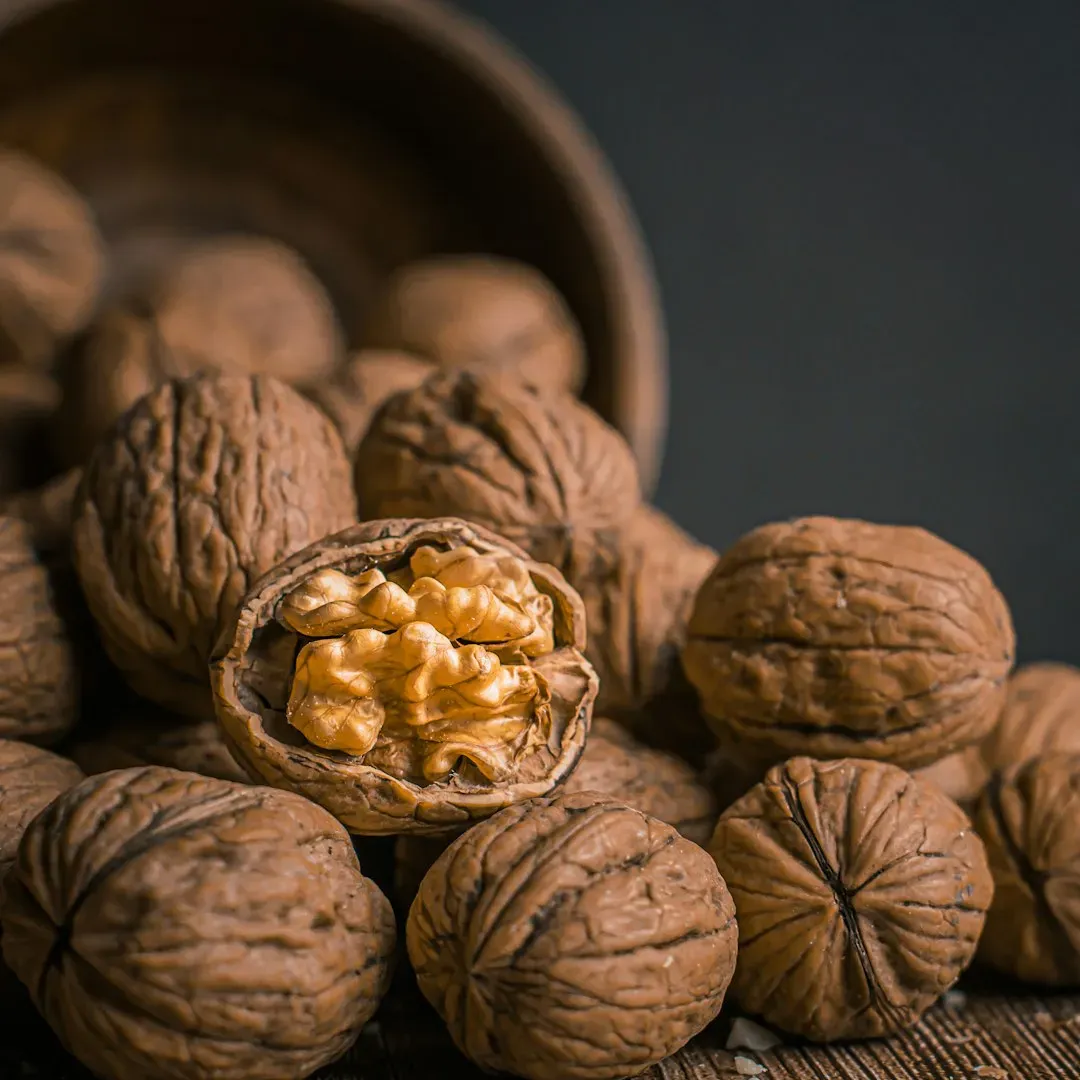
Walnuts and Seeds (Flaxseeds and Chia Seeds) (Image Credits: Unsplash)
Nuts like walnuts have both mono- and polyunsaturated fats that can help prevent heart disease. Walnuts are especially high in alpha-linolenic acid, a plant-based omega-3 fatty acid that can lower inflammation and improve circulation. They may also help lower LDL cholesterol levels. The monounsaturated fats work to lower harmful LDL cholesterol, while the omega-3s have anti-inflammatory properties that help keep blood vessels supple and resilient, and these fats can also help the body better absorb fat-soluble vitamins that support cardiovascular health.
Flaxseeds are high in fiber and omega-3 fatty acids, which can lower the risk of an irregular heartbeat, reduce triglycerides, and even reduce the chance of plaque buildup in the arteries. Chia seeds come from a desert plant and have a mild, nutty flavor. They are also high in omega-3 fatty acids and fiber and serve as a strong source of plant-based protein. Stirring either into oatmeal or yogurt is one of the easiest upgrades you can make to a morning routine.
Eggs (Paired With Vegetables)
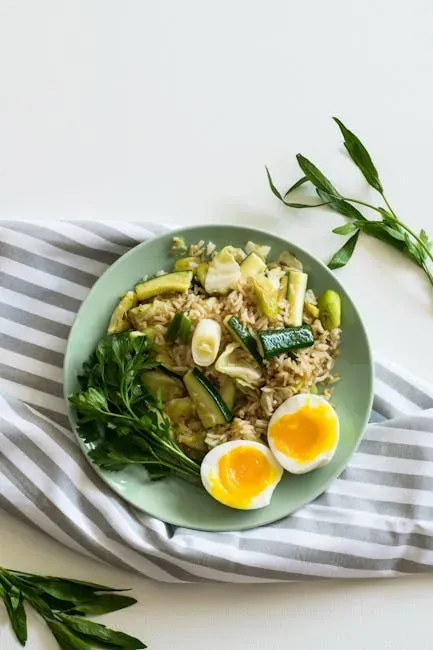
Eggs (Paired With Vegetables) (Image Credits: Pexels)
Older studies suggested that eggs were harmful to heart health due to their cholesterol content, but newer evidence has shown that eating eggs offers more benefits than harm. Both egg whites and yolks contain high amounts of vitamins A, D, and B, as well as nutrients such as zeaxanthin, choline, selenium, and a healthy fatty acid called linoleic acid. Recent research suggests that eating eggs regularly is not associated with higher levels of cholesterol or a greater cardiovascular disease risk, and even someone with high cholesterol doesn't need to completely cut them out, though moderation remains important.
It's often more about what you add to your eggs than the eggs themselves. Loading them with vegetables increases fiber and nutrients without adding excess saturated fat. Both nutrition experts at Harvard recommend pairing eggs with vegetables rather than bacon, sausage, and white toast, which are the least heart-friendly parts of a traditional breakfast plate. Cooking eggs with heart-healthy extra virgin olive oil instead of butter is another easy adjustment that adds up meaningfully over time.
Taken together, these six foods represent a practical, evidence-based toolkit for building a morning meal that actively supports cardiovascular health. None of them require complicated preparation or expensive ingredients. They simply require a shift in what lands on the plate first thing in the morning, and that small decision, repeated daily, carries real weight for the heart in the long run.