
Most people treat a junk drawer like a graveyard for forgotten odds and ends. Old batteries, mystery keys, takeout menus from restaurants that closed years ago – and somewhere in that pile, maybe a few coins that never made it back into a wallet. The problem is that some of those coins aren’t loose change at all.
While most coins circulating today hold only their face value, certain rare pieces can be worth hundreds, thousands, or even tens of thousands of dollars – and these valuable coins often hide in plain sight, tucked away in change jars or forgotten in dresser drawers. Experts in numismatics have pointed to a short list of coins that are genuinely plausible junk-drawer finds, not just collector fantasy. These are four of them.
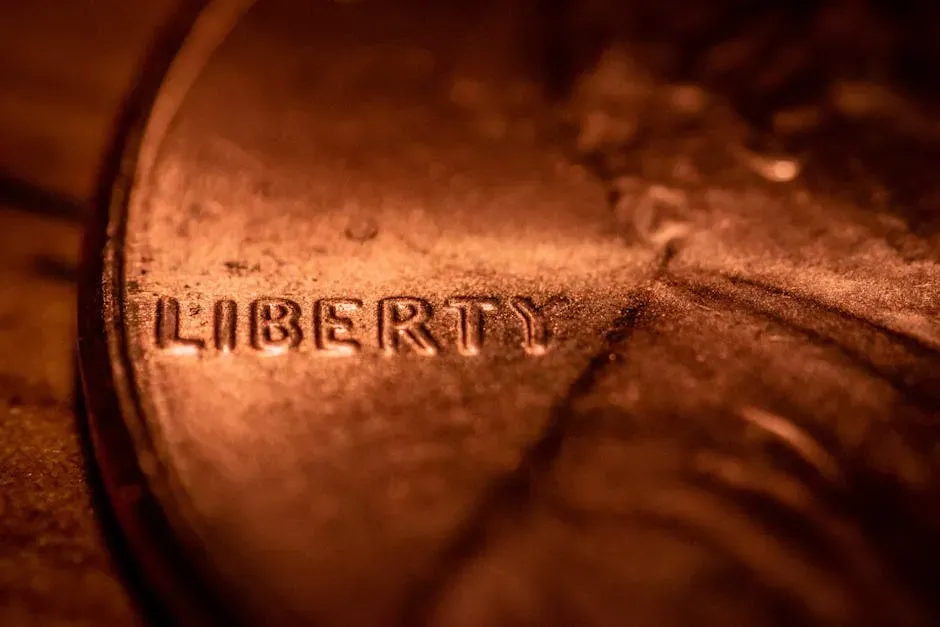
The 1943 Copper Lincoln Wheat Penny
The 1943 Copper Lincoln Wheat Penny (Image Credits: Pexels)
In 1943, as America poured copper into ammunition and military equipment for World War II, the U.S. Mint switched to zinc-coated steel pennies to conserve this critical wartime resource. In the chaos of wartime production, a few bronze planchets from 1942 remained trapped in the coin presses. A total of perhaps 20 to 30 of these 1943 copper cents were minted cumulatively at the Philadelphia, Denver, and San Francisco Mints. The result is arguably the most famous error coin in American history.
Due to its scarcity and historical importance, the 1943 Copper Penny consistently fetches six-figure prices at auctions. A 1943-D copper penny sold for $840,000 in 2021, a 1943-S example sold for $504,000 in 2020, and a Philadelphia Mint example was auctioned for $372,000 in 2021. The simplest way to check one at home requires no expertise at all. If your 1943 penny is attracted to a magnet, it’s a steel penny. If the magnet does not attract it, you may have a valuable copper error penny – have it authenticated by a professional grading service.
The 1955 Doubled Die Obverse Lincoln Cent
The 1955 Doubled Die Obverse Lincoln Cent (Image Credits: By Lost Dutchman Rare Coins for image, Victor David Brenner for coin, <a href="https://commons.wikimedia.org/w/index.php?curid=32346893" target="_blank" rel="noopener">Public domain</a>)
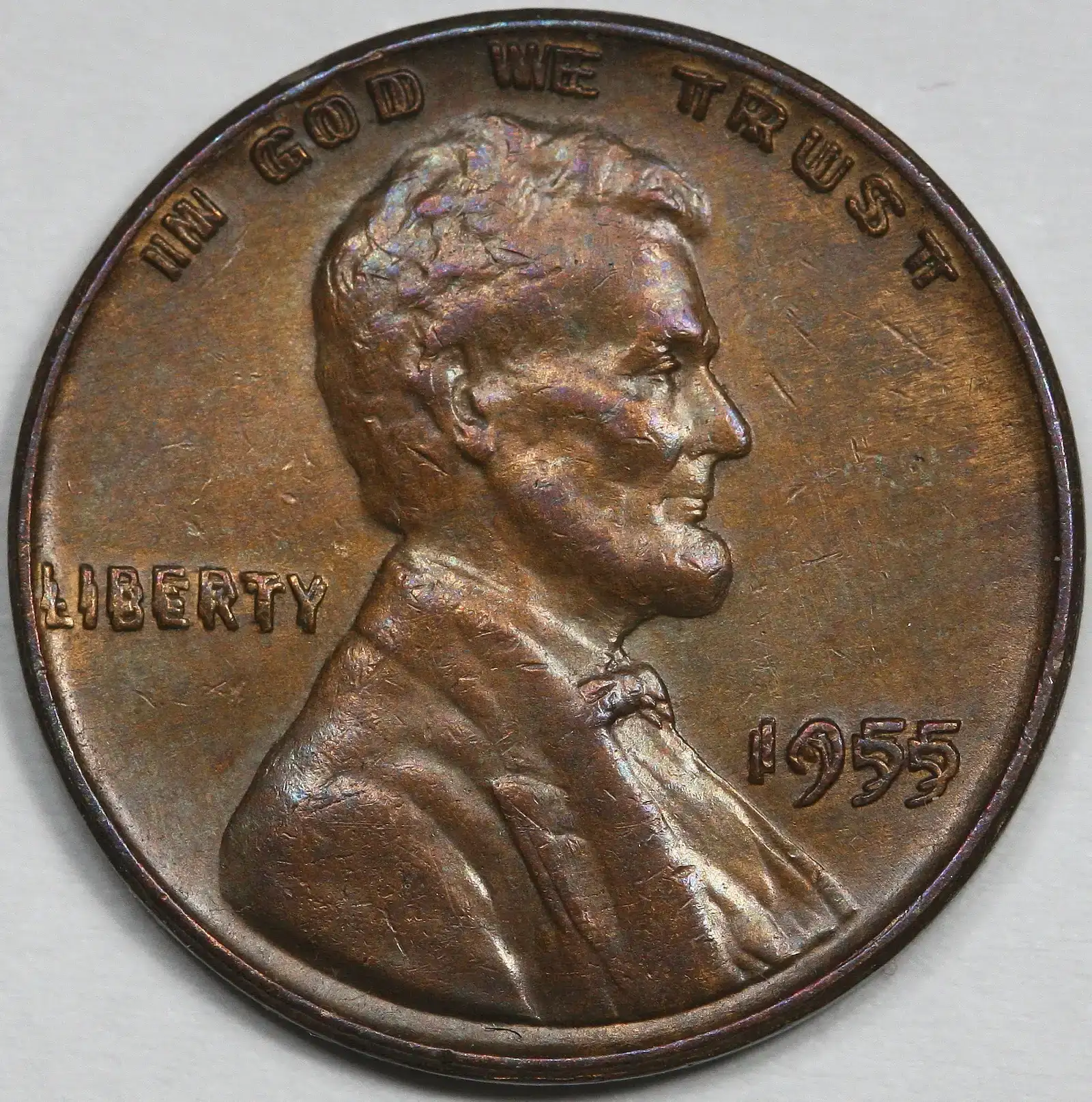
The 1955 doubled die cent is a die variety that occurred during production of the one-cent coin at the United States Mint in 1955. When a modern coin die is created, it is struck from a working hub, which places the incuse image onto the die. In 1955, one of the working obverse dies at the Philadelphia Mint was misaligned on the second blow from the working hub, resulting in a doubled image. This most noticeably affected the date and inscriptions. It is estimated that 40,000 of these coins were minted, all during one night shift at the Philadelphia Mint.
The 1955 Doubled Die Obverse Lincoln Cent is the most famous double die penny and error of them all. The obverse depicts one of the most prominent displays of doubling, making it extremely popular and valuable. The motto “IN GOD WE TRUST” and the word “LIBERTY” are very clearly doubled, as is the 1955 date. A 1955 doubled die wheat penny is worth no less than $1,000, and specimens in higher uncirculated grades can approach $10,000 in value. Collectors must beware that this coin is highly counterfeited, and countless examples of a so-called “Poor Man’s” doubled die exist, which are worth only a couple of dollars.
The 1969-S Doubled Die Obverse Lincoln Penny
The 1969-S Doubled Die Obverse Lincoln Penny (Image Credits: Pexels)
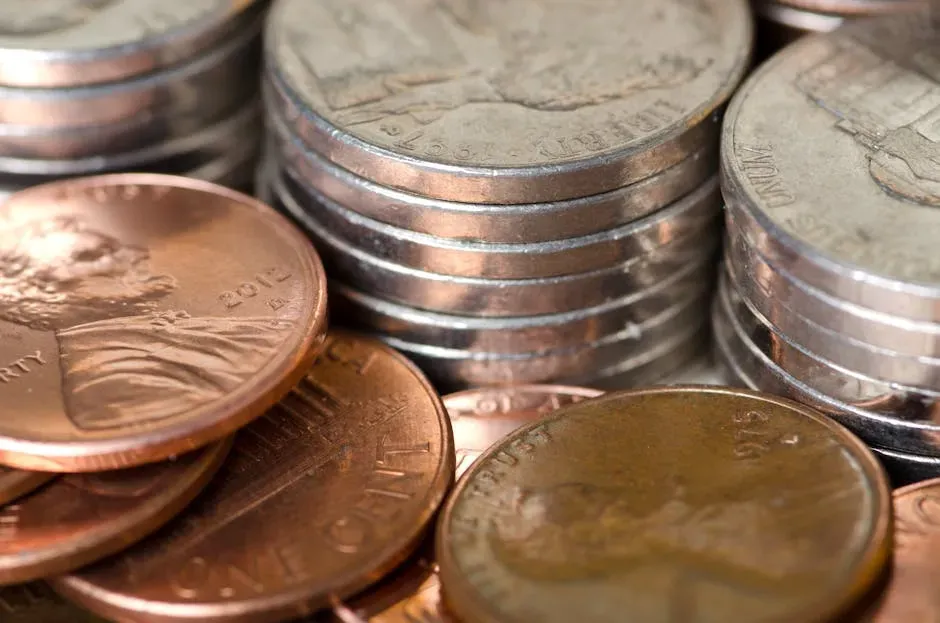
The 1969-S Doubled Die Obverse Lincoln penny is a very popular coin among collectors. This coin was famously counterfeited, and the Secret Service confiscated many counterfeits – unfortunately collecting genuine coins as well, many of which were sadly destroyed. This is an extremely rare variety that, if found, is worth getting certified with a third-party grading service like PCGS. The destruction of genuine examples by federal agents in the 1970s only deepened the coin’s scarcity and collector appeal.
The pennies worth the most money in 2026 are usually key-date Lincoln cents, major error coins, and scarce varieties – and some of the most famous examples include the 1969-S doubled die obverse. A handful of doubled die Lincoln cents struck in 1969 at the San Francisco Mint have been reported, and the Numismatic Guaranty Company estimates that they could be worth tens of thousands of dollars each. Given that fewer authenticated examples exist than most people realize, finding one in an inherited coin collection or a long-forgotten drawer isn’t entirely out of the question.
The 1964 Kennedy Half Dollar with 90% Silver
The 1964 Kennedy Half Dollar with 90% Silver (James St. John, Flickr, <a href="https://creativecommons.org/licenses/by/2.0/" target="_blank" rel="noopener">CC BY 2.0</a>)
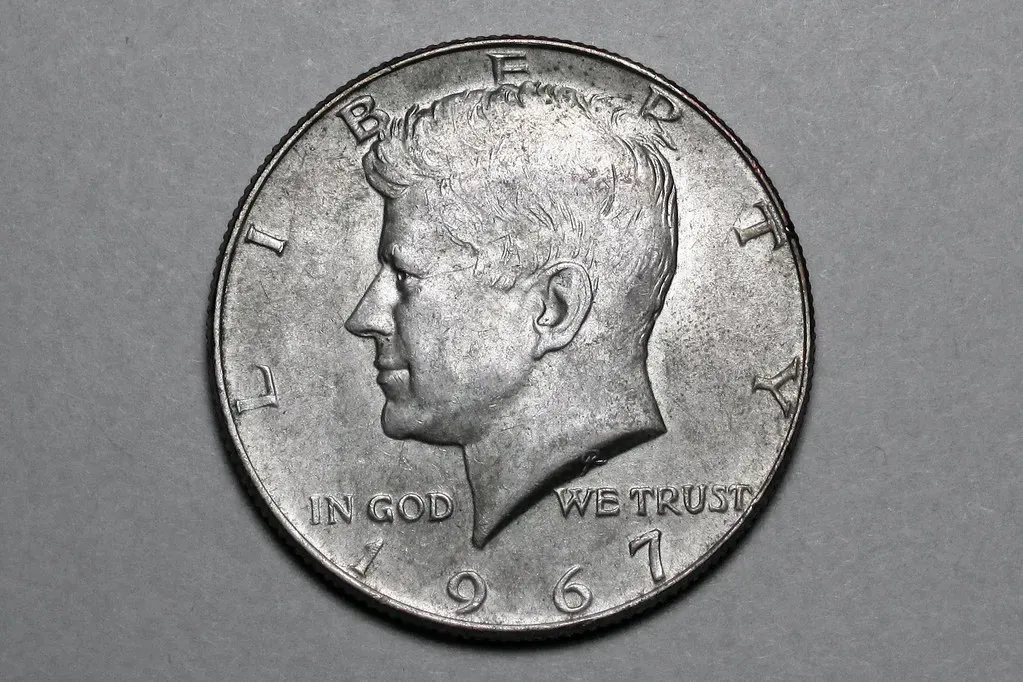
Following the 1963 assassination of President John F. Kennedy, Congress voted to bump founding father Benjamin Franklin from the half dollar in favor of the popular and much-mourned president. In 1964, the Kennedy half dollars contained approximately 90% silver. With silver prices at elevated levels in recent years, the high silver content makes these early Kennedy half dollars worth far more than their 50-cent face value. Many households quietly have a few of these tucked away without knowing what they’re holding.
From 1965 to 1970, the U.S. Mint became thriftier with its production of half dollars, but these coins still contain 40% silver, which makes them worth in excess of their face value too. Over decades, people toss loose items into drawers without thinking – coins from travel, commemorative pieces, or pocket change emptied after long days. Most people assume these are common coins, but collectors know that small features like mint marks, metal composition, or strike errors can change everything. A 1964 Kennedy half is not rare in the same dramatic sense as a wartime copper error, but its silver content makes it a genuine find worth pulling out and setting aside.
The odds of finding any of these coins are genuinely low. Experts consistently note that serious junk-drawer discoveries do happen, but they are the exception rather than the rule. Even seemingly insignificant loose change found in old drawers or jars could hold significant monetary worth, revealing the potential value hidden in everyday coins. Still, the cost of looking is zero, and the coins described here are real, documented, and verified by professional numismatists – not wishful thinking.
If you suspect you’ve found something notable, visiting a reputable coin dealer, appraisal event, or submitting coins to grading services like PCGS or NGC is the recommended next step. The junk drawer isn’t usually a vault. Every once in a while, though, it quietly is.