
Most people could name two or three subscriptions off the top of their head. Ask them to guess the total, though, and the number rarely comes close to reality. Bank statements tell a different story than memory does, and the gap between what people think they spend and what actually leaves their account each month has become one of the more overlooked corners of personal finance in 2026.
The pattern isn’t really about carelessness. It’s about design. Subscription services are built to be easy to start and easy to forget, and four specific habits show up again and again in the data behind why bank accounts keep bleeding money without anyone quite noticing.
1. Letting Free Trials Roll Into Paid Plans
1. Letting Free Trials Roll Into Paid Plans (Image Credits: Unsplash)
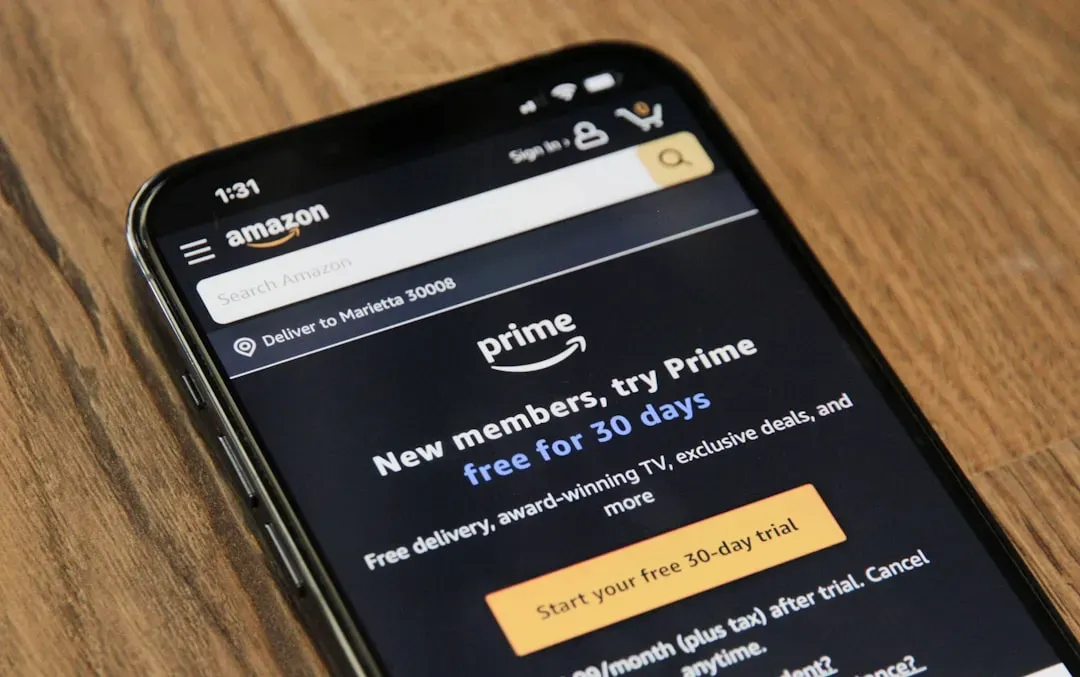
The free trial is one of the oldest tricks in the subscription playbook, and it still works remarkably well. A short trial period requires a credit card up front, and if a cancellation date isn’t marked somewhere visible, the charge just happens. A 2024 CNET survey found U.S. adults spend $91 on subscriptions each month on average, and 48% have forgotten to cancel a free trial before it rolled into a paid plan.
That figure has held steady for years, which suggests it isn’t a one-time slip but a structural weak point in how trials are marketed. Roughly 48% of respondents in a separate survey say they have forgotten to cancel a free trial before being charged by an auto-renewal. The fix people mention most often is simple in theory: set a reminder the day the trial starts, not the day it’s supposed to end, since by then the charge may already have gone through.
2. Trusting Auto-Renewal to Handle Itself

2. Trusting Auto-Renewal to Handle Itself (Image Credits: Pexels)
Auto-pay is convenient right up until it isn’t. Once a card is on file, most services default to renewing automatically, and that default is doing a lot of quiet work on people’s finances. West Monroe’s survey found that 72% of consumers have every subscription set to auto-pay, and 42% admit they have forgotten about a subscription entirely while still being charged for it.
The mechanism is almost too simple to notice as a problem. While auto-renewal ensures uninterrupted service, it also means “out of sight, out of mind,” since users don’t actively approve each charge, so it’s easy to lose track. A nine or ten dollar charge rarely triggers alarm on its own, but stacked across five or six services, it becomes a real monthly line item that many people never consciously agreed to keep paying.
3. Holding Onto Streaming and Fitness Subscriptions No One Uses
3. Holding Onto Streaming and Fitness Subscriptions No One Uses (Image Credits: Pexels)
Streaming and wellness apps are the categories people sign up for with the best intentions and then quietly stop using. The average American spends nearly $1,100 on subscription products each year, of which around $200 goes toward services they rarely or never use. That unused portion doesn’t announce itself; it just sits there, month after month, as a small recurring charge that blends into everything else.
Streaming is the clearest example because it’s also the most crowded category. Self Financial’s 2025 survey found ESPN+ is the most common unused streaming subscription at roughly one in four households, followed closely by Hulu and Paramount+. Fitness apps follow a similar arc, usually tied to a New Year’s resolution or a short burst of motivation that fades long before the billing cycle does.
4. Losing Track of Price Hikes and Annual Renewals

4. Losing Track of Price Hikes and Annual Renewals (Image Credits: Pexels)
The fourth habit is less about forgetting a service exists and more about not noticing what it now costs. Introductory rates expire, prices creep upward, and annual charges hit once a year in a way that’s easy to miss between monthly bills. Roughly 67% of people saw an increase in the cost of subscriptions and memberships over the past year, often without any clear notice standing out.
Annual renewals are particularly easy to lose track of because they don’t repeat the way monthly charges do. Annual renewals are easy to miss since one charge per year blends into a busy statement, and price increases happen quietly, so a service that once cost a few dollars a month is now considerably more and the change goes unnoticed. Combine that with billing descriptors that rarely match the brand name people recognize, and it becomes clear why so many charges slide by without a second look.
None of these four habits are dramatic on their own. A forgotten trial here, an auto-renewed plan there, a streaming service nobody watches anymore, a price hike that never got flagged. Individually they look like rounding errors. Together, they explain why so many people’s actual subscription spending sits well above what they’d guess if asked on the spot, and why a quick look at three months of bank statements tends to turn up more surprises than expected.