
Most people spend the moments before guests arrive worrying about the wrong things. The throw pillow that isn’t quite right, the bookshelf that could be better organized, the art that might not match. Meanwhile, visitors are registering something far more primal the second they step through the door. Research in psychology shows that first impressions form extremely quickly, often in just a handful of seconds, and they influence how people interpret everything that follows.
Guests form an impression of your home almost instantly. Before coats are taken off or drinks are offered, they’ve already taken in the lighting, the scent, the noise level, and the overall feel of the space. Knowing what actually registers can save you a lot of unnecessary stress, and help you focus your energy where it genuinely counts.
1. The Smell of the Air
1. The Smell of the Air (Image Credits: Unsplash)
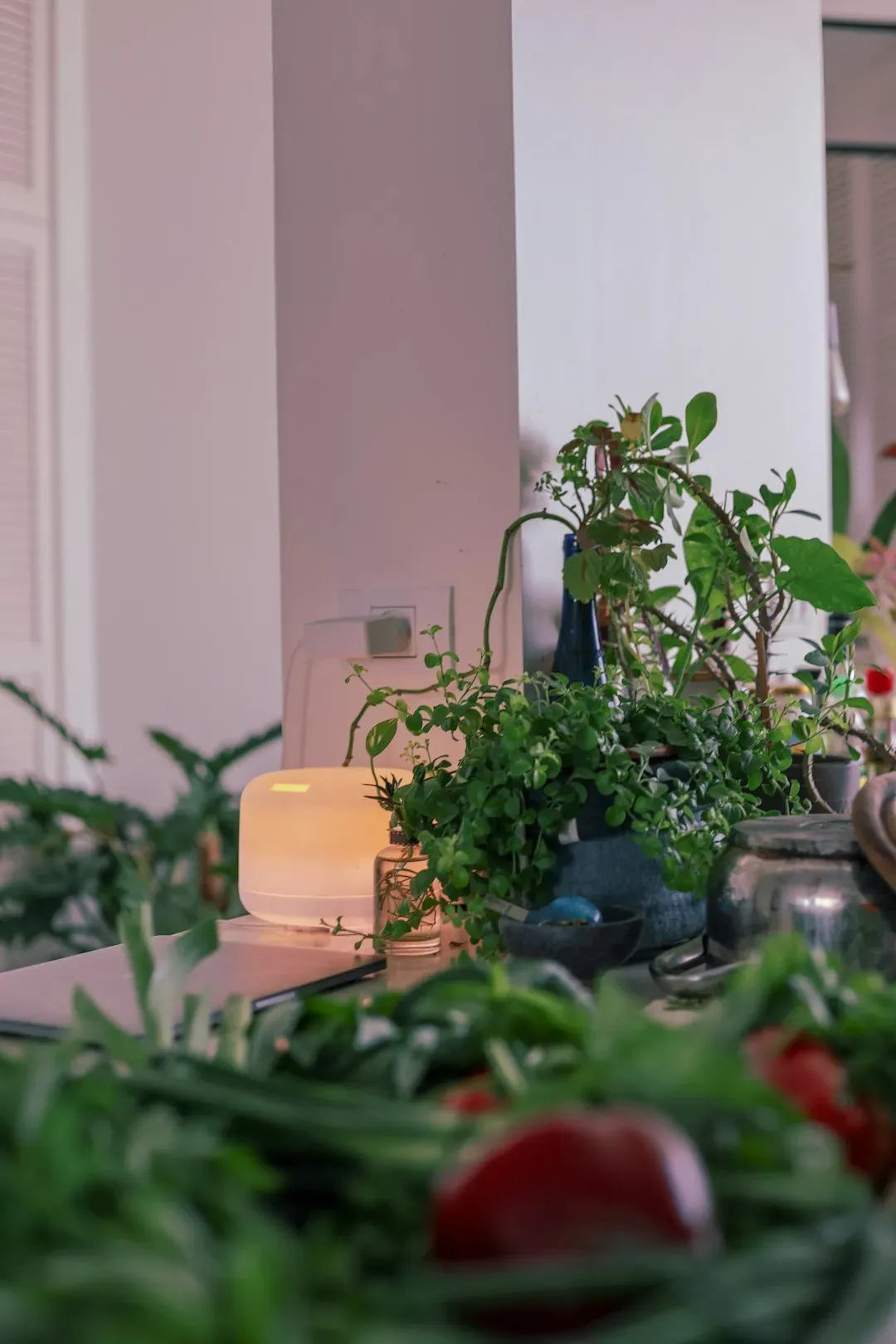
Smell is one of the strongest first impressions, and one of the least discussed. A home doesn't need to smell like anything in particular. It just needs to smell neutral and fresh. The nose processes scent signals before the eyes have even fully adjusted to the space, which means this is genuinely the first thing visitors experience, whether they're aware of it or not.
Before sight even registers, the nose sends signals to the brain that can shape impressions. Fresh, neutral air conveys comfort, while musty, stale, or chemical odors trigger negative associations, even if other aspects of the space are excellent. Guests also notice if a home smells like an attempt to cover something. Simple ventilation, light fragrance, or natural materials do more than strong products ever will.
2. The State of the Entryway
2. The State of the Entryway (Image Credits: Unsplash)
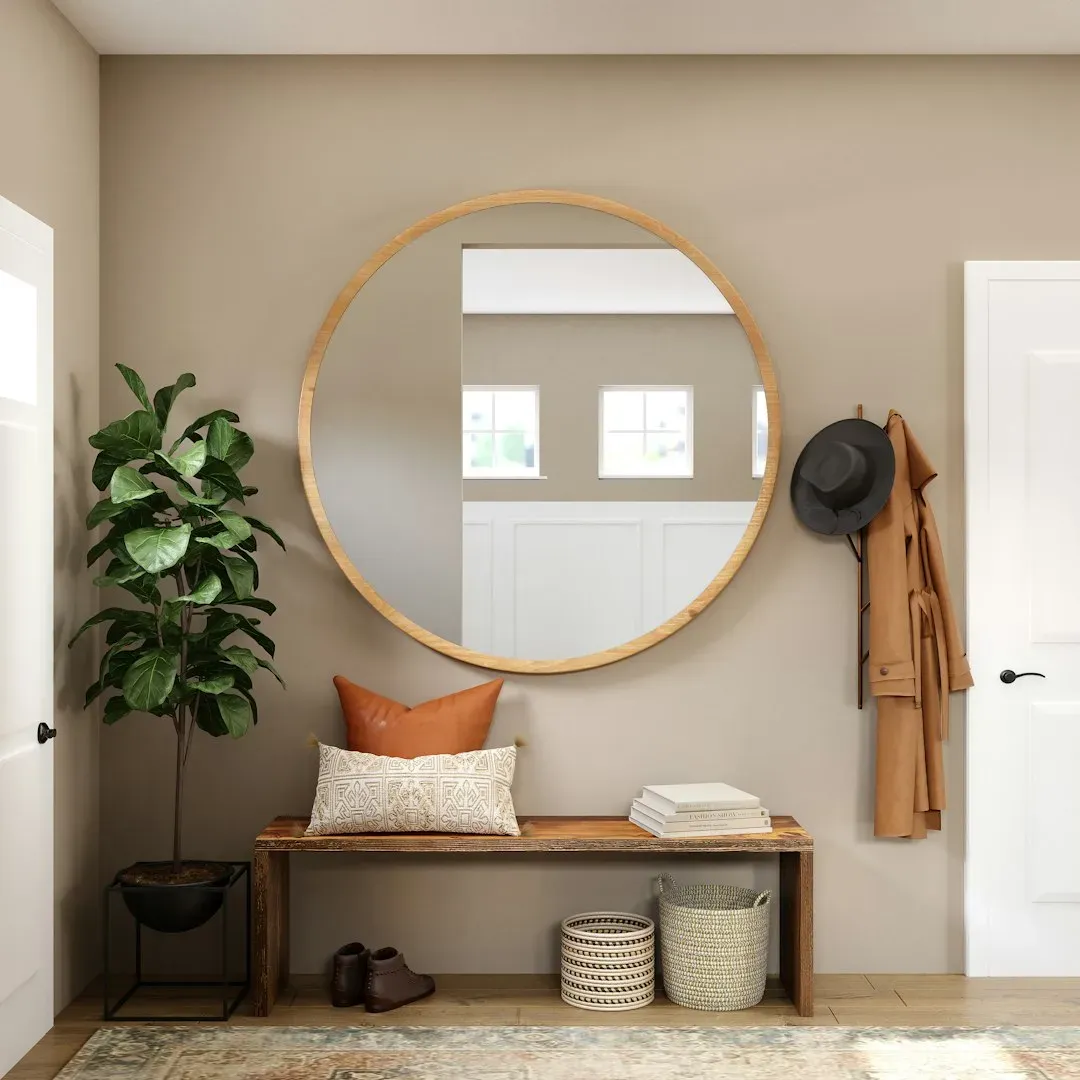
Your entry sets expectations for the rest of the home. Shoes piled up, scattered mail, or overcrowded hooks are immediately visible. The entryway is the literal first frame a visitor sees, and the brain rapidly uses it to build a mental picture of everything beyond it. A chaotic threshold quietly suggests a chaotic home, even when that's far from the truth.
Making an entryway inviting starts with decluttering and cleaning the space. This not only gives guests space to sit down and remove their shoes but sets a tidy precedent for the rest of your home, since first impressions count. A simple, tidy entry, even just a clear walkway and a mat, feels thoughtful. It's one of the smallest investments with one of the largest visible returns.
3. The Lighting
3. The Lighting (Jeremy Levine Design, Flickr, <a href="https://creativecommons.org/licenses/by/2.0/" target="_blank" rel="noopener">CC BY 2.0</a>)
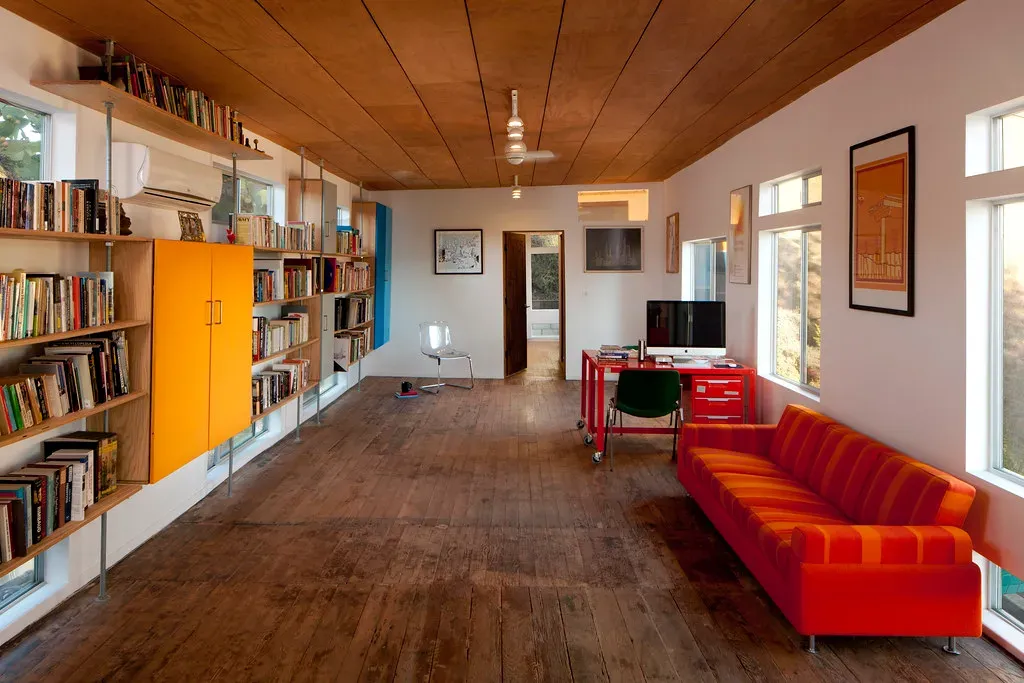
After the entry, lighting does more work than any single piece of furniture. Guests register it almost immediately, even if they couldn't describe it later. The quality, color, and distribution of light shapes how warm, welcoming, or even trustworthy a space feels. It's one of those things that operates quietly in the background of someone's awareness without ever quite surfacing as a conscious thought.
Lighting shapes the mood immediately. Harsh overhead lights can feel sterile, while overly dim rooms can feel gloomy. Soft lamps and warm bulbs often create a more welcoming environment. Balanced lighting helps a room feel comfortable and intentional. Dark or uneven lighting can subtly create tension or hesitation, even if visitors can't explain why. The brain equates brightness with transparency and trust.
4. Clutter on Visible Surfaces
4. Clutter on Visible Surfaces (Dossy, Flickr, <a href="https://creativecommons.org/licenses/by-sa/2.0/" target="_blank" rel="noopener">CC BY-SA 2.0</a>)
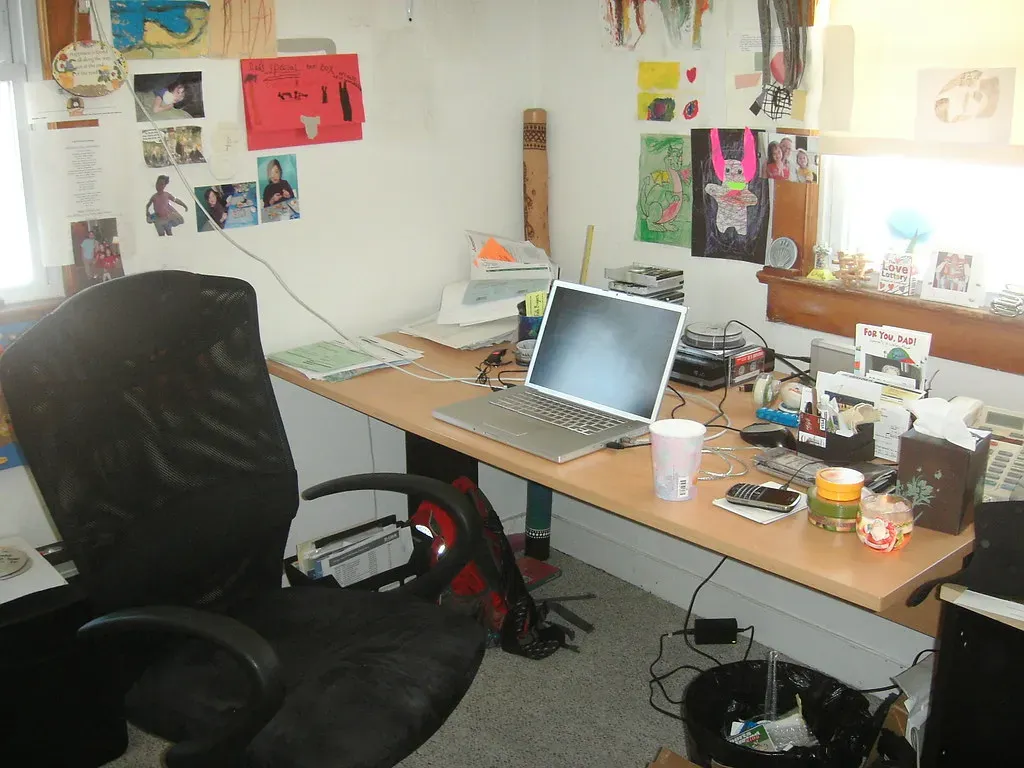
While you don't have to organize excessively, guests tend to notice everyday clutter more than you might realize. This could include piles of mail or documents sitting on your kitchen counter, piles of shoes or backpacks by the front door, or miscellaneous items strewn across your coffee table. It's worth noting that visitors aren't judging the clutter in a calculated way; they simply feel it as a kind of low-level cognitive noise.
Clutter, visual or physical, increases cognitive load. When the brain has to work harder to process a space, it creates subtle stress. When entertaining, guests will notice at a glance how tidy or untidy your space is. Straightening up common areas and keeping surfaces like your coffee table and kitchen counters free of clutter can help create a more relaxing atmosphere.
5. The Condition of the Floors
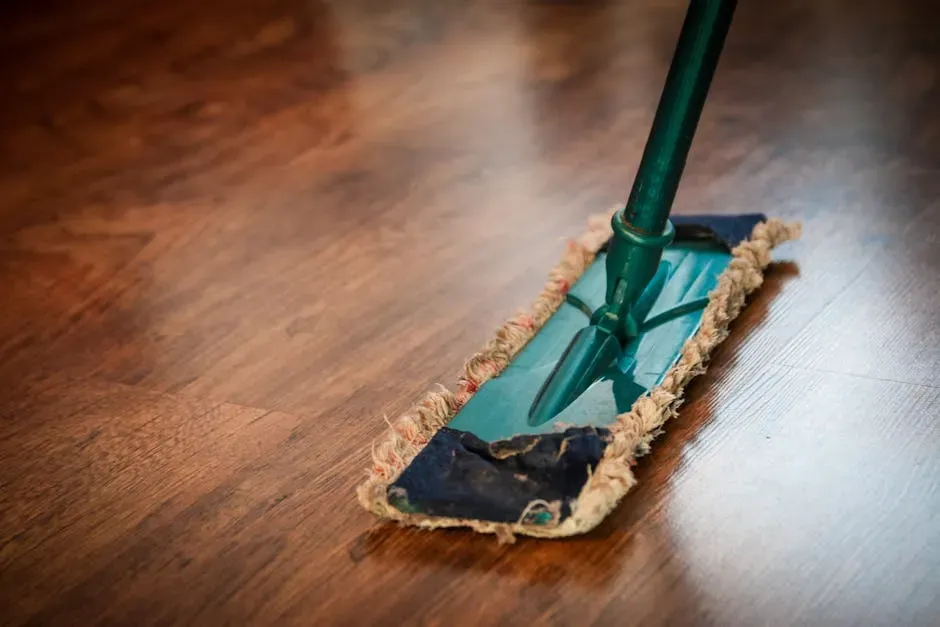
5. The Condition of the Floors (Image Credits: Pexels)
House guests will make their first impression of your home the minute they step through your front door, and more often than not, they will look straight down at your floor. They will definitely notice if there is any dirt or dust on the floor. Floors are an easy detail to overlook for someone who lives in a space day to day, but a fresh set of eyes spots them almost immediately. It's one of the first places the gaze travels after the entry is taken in as a whole.
People often notice the condition of the floors and entrance as soon as they walk in. A well-maintained surface that's free of stains, dirt, or wear can boost confidence in overall cleanliness, while soiled or worn carpet or flooring can undermine that trust instantly. A quick sweep or mop before visitors arrive takes very little time, yet it quietly signals that care and attention were given to the space they're walking into.
None of these five things require perfection or an expensive renovation. They're all sensory cues that operate below the surface of conscious thought, which is exactly why they carry so much weight. A home that smells clean, feels organized at the threshold, is well-lit, free of visual clutter, and has clean floors communicates one clear message: someone lives here with intention. That impression lingers long after the visit ends.