
Most people walk past them every single day. A glass dish on the kitchen shelf, a faded rug under the coffee table, a dusty mirror in the hallway – these things blend into the background so completely that we stop seeing them. Yet some of these ordinary objects carry a history, and a value, that would genuinely stop you in your tracks.
The truth is, many homes contain vintage household items worth money that go completely unrecognized. This isn’t about lottery-ticket luck. It’s about knowing what to look for. The ten items below are hiding in plain sight in homes everywhere, and chances are at least one of them is already somewhere in yours. Let’s dive in.
1. Vintage Pyrex Kitchenware
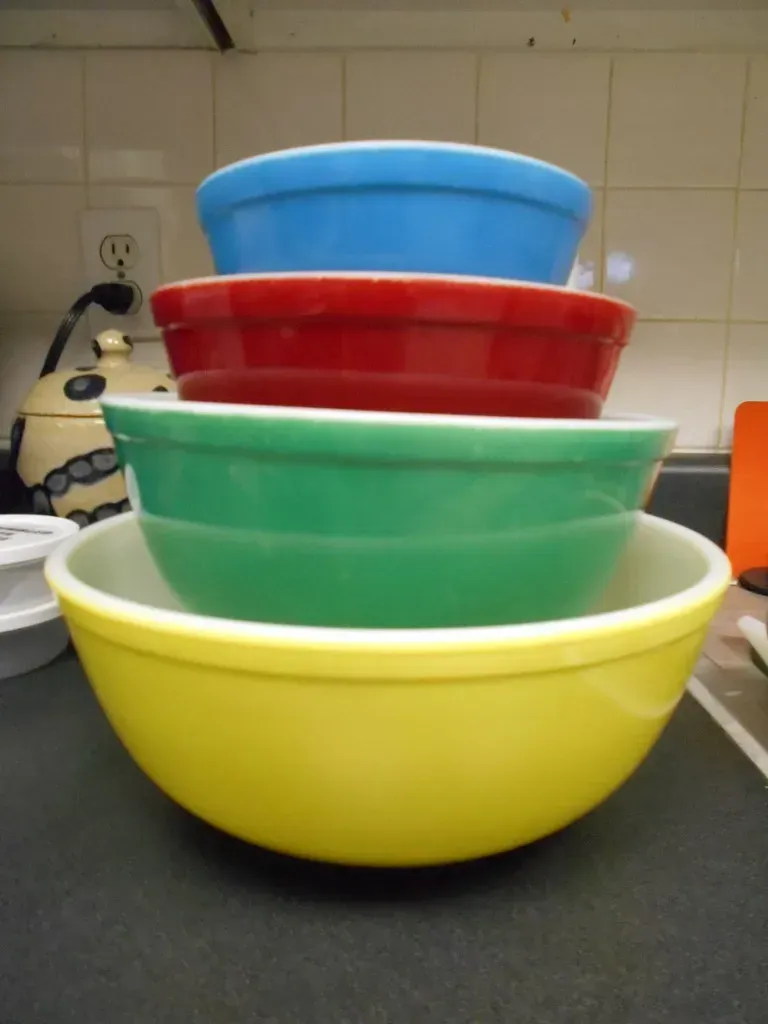
1. Vintage Pyrex Kitchenware (Joelk75, Flickr, <a href="https://creativecommons.org/licenses/by/2.0/" target="_blank" rel="noopener">CC BY 2.0</a>)
Here’s the thing about Pyrex – most people think of it as plain, practical kitchen stuff. The colorful bowls from your grandmother’s cabinet look like they belong at a church potluck, not an auction house. One common brand that can be worth quite a bit of money and has a following of dedicated collectors is Pyrex. Since it’s so common, not every piece will be worth money, but certain vintage styles can sell for hundreds to thousands of dollars online.
A 4-piece set of rare, vintage Pyrex bowls recently sold on eBay for $900. The most valuable patterns are typically from the 1950s through the 1970s, with bold geometric or floral designs. Think of it like discovering a minor masterpiece hiding in your cupboard. Before your next kitchen clear-out, do a quick search on those old bowls first.
2. Antique Rugs and Carpets
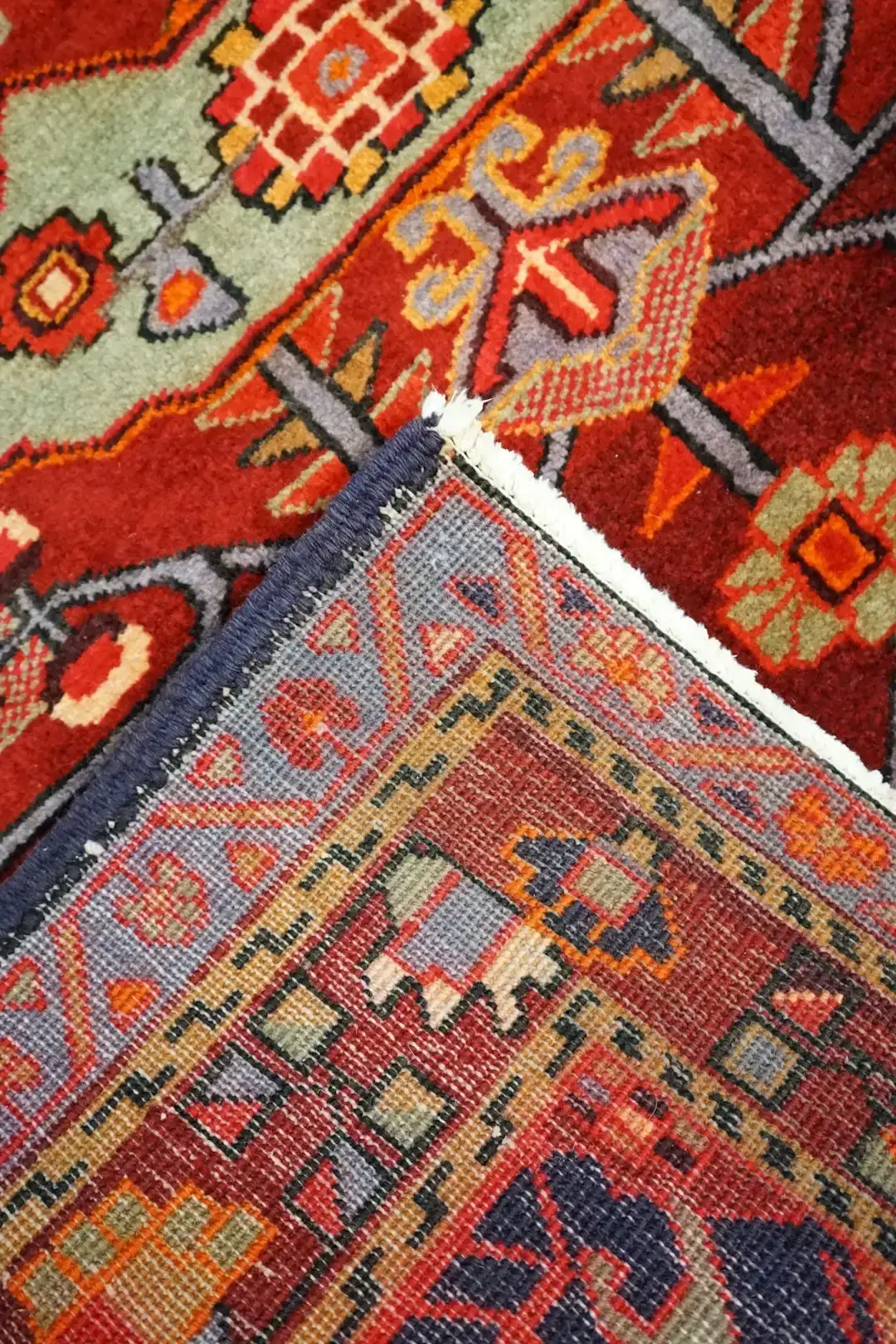
2. Antique Rugs and Carpets (Image Credits: Unsplash)
Rugs are practically invisible once they’re on the floor. You walk over them, vacuum them, maybe spill coffee on them. But that worn, faded carpet rolled up in the spare room could be something genuinely special. The hand-knotted Persian rug that’s been in the family for generations might just be a valuable antique. Authentic Persian rugs, particularly those from renowned regions, can be worth several thousand dollars, depending on their size, age, and condition.
Even smaller, well-preserved rugs can fetch between $1,000 and $5,000. Rugs featuring deep reds, royal blues, and golds command higher value due to the rarity and complexity of achieving such vibrant, enduring colors. The worn look that makes people dismiss these pieces is actually part of their appeal. The worn and lived-in look of vintage rugs continues to be popular, and even rugs that are not true antiques but just a good, used vintage can sell well.
3. Old Typewriters
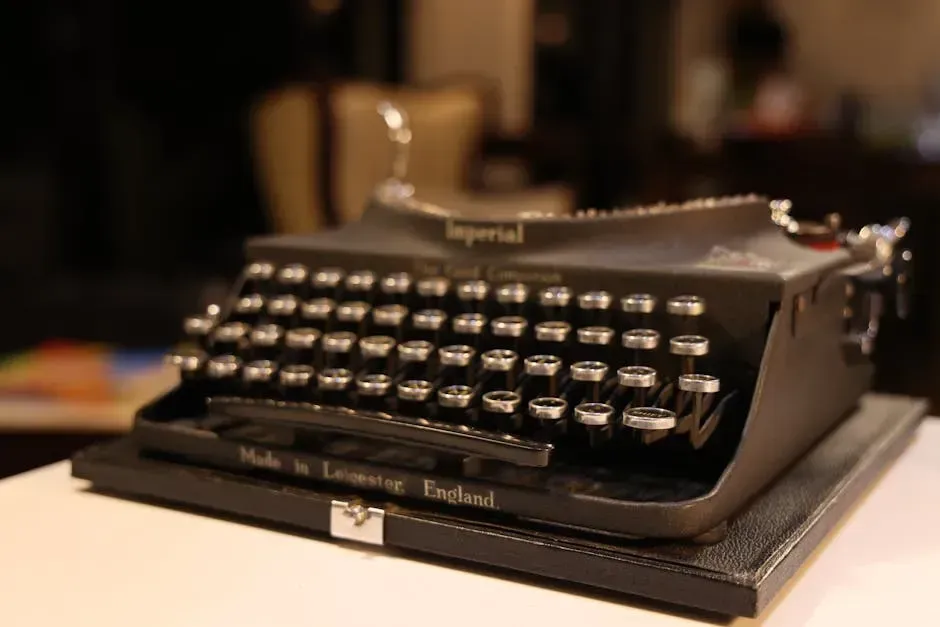
3. Old Typewriters (Image Credits: Pexels)
Plenty of people have an old typewriter sitting somewhere gathering dust, possibly inherited from a relative, possibly just kept for the aesthetic. What fewer people realize is that these machines have become genuinely collectable. Anything with gears, push buttons, and tubes is especially fascinating to the younger generation who have grown up in a wireless world. There is something almost poetic about that.
Some of the best typewriter brands are Underwood, Remington, and Oliver. One antique 1895 Remington Model No. 6 Up-strike vintage typewriter with case sold on eBay for $1,200, while a vintage 1932 Underwood typewriter sold for $550. Condition matters enormously here. A working machine in its original case is worth considerably more than one missing keys or a ribbon.
4. First-Edition Books
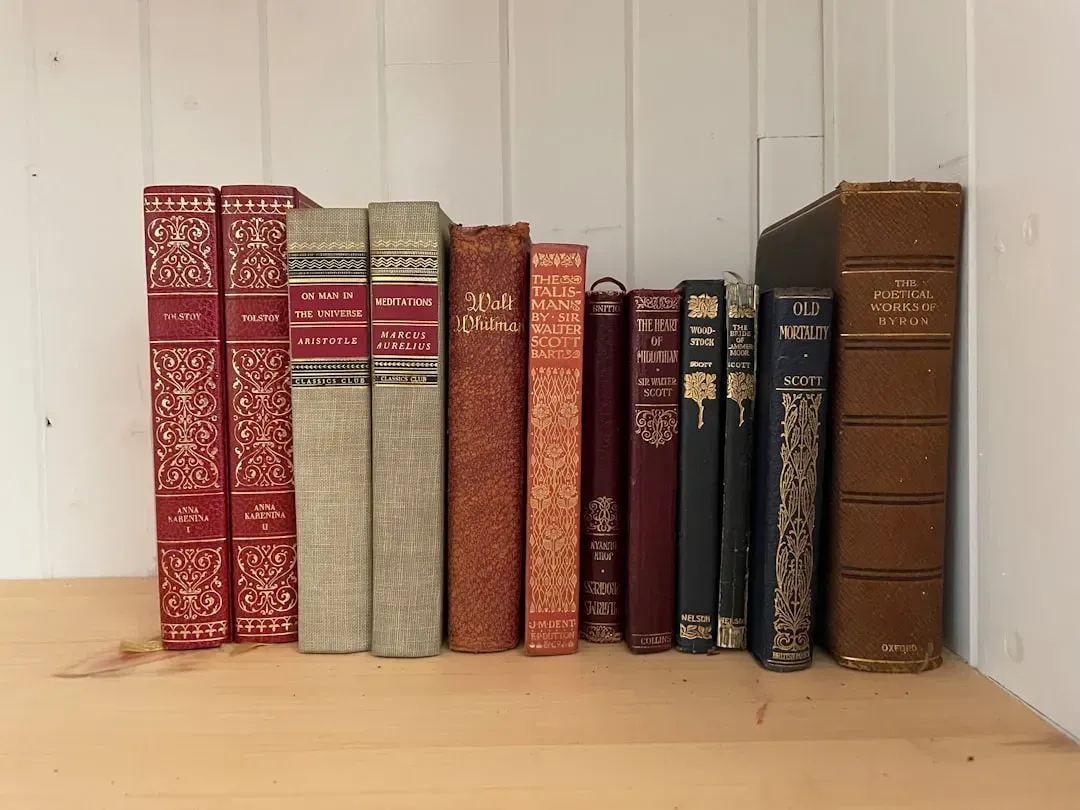
4. First-Edition Books (Image Credits: Unsplash)
Books feel so commonplace that they rarely get a second glance. People donate them by the box, sell them for pennies at garage sales, even throw them away. Honestly, it’s painful once you realize what’s potentially being discarded. Rare books can be some of the most valuable finds that are often overlooked. Some of the most rare books have sold at auction for multiple millions of dollars. For instance, first-edition books by Ernest Hemingway are currently going for anywhere between $2,000 and $200,000.
Not every book is valuable, but some old editions – especially first prints or books from banned or obscure authors – can be worth checking. Cookbooks, technical manuals, and children’s books are often overlooked. The key is always the edition. Check the copyright page carefully. If it says “First Edition” or “First Printing,” that’s the first thing worth researching further.
5. Sterling Silver Flatware
5. Sterling Silver Flatware (Image Credits: Unsplash)
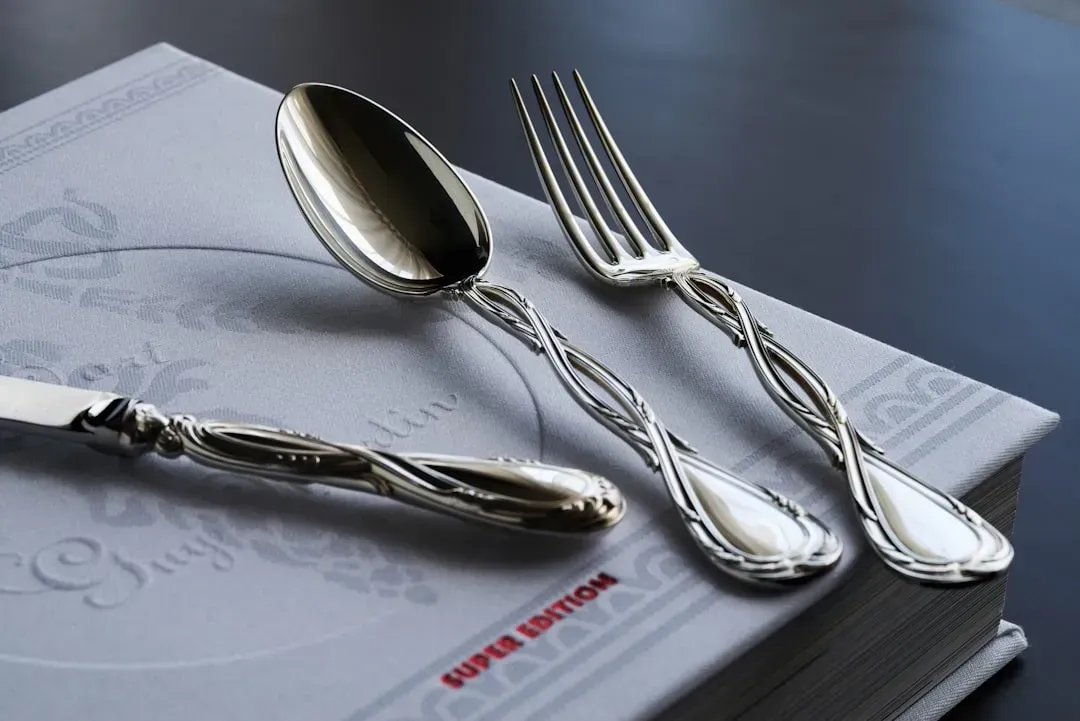
The fancy silverware set in the dining room cabinet, the one that only comes out at Christmas – it might be far more valuable than you think. Or it might be silverplate worth almost nothing. The difference between the two is stamped right onto the metal itself. If you find the word Sterling stamped on the backside of a piece of flatware, that’s good news. It means the silver is either pure or made of .925 silver with .075 copper added. All sterling created in the United States after 1850 will be stamped with marks like Sterling, .925, and 925/1000.
Art Deco silver pieces can be museum-worthy and sell for more than $5,000 each. The French heritage brand Christofle, for instance, is known as one of the most iconic metalsmiths of the 19th and 20th centuries. Some patterns, like those made by Tiffany, are worth thousands. Flip the cutlery over and take a close look before your next spring clean.
6. Antique Mirrors With Ornate Frames
6. Antique Mirrors With Ornate Frames (Image Credits: Unsplash)
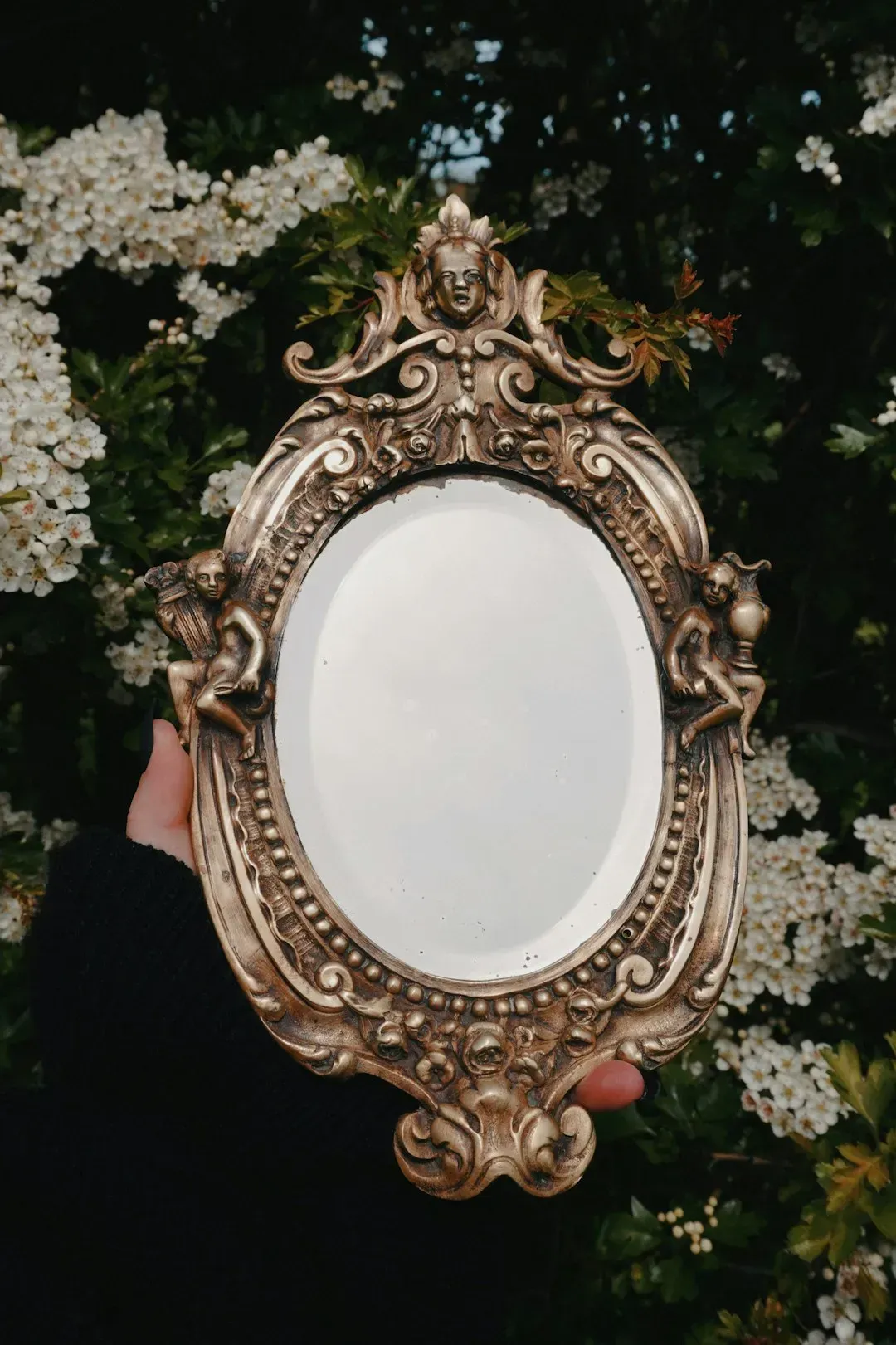
Most mirrors just hang there being mirrors. Nobody really examines the frame. Yet frames from certain periods are extraordinary objects in their own right, and antique mirrors with ornate frames and original glass are genuine gems. Experts recommend looking for Baroque, Rococo, and Venetian styles with gilded frames, intricate carvings, or historical provenance as they are particularly valuable.
There is a specific type worth singling out here. A unique kind of convex mirror dating from the Federal Period (1776 to 1806), sometimes called a “Girandole” or “Bulls-Eye” mirror, is especially sought after. These objects are typically made of hardwood, covered in gold leaf, and may feature an eagle standing on a Grecian column at the top. The mirror may have arms to hold candles or other embellishments. Reproductions are common, so consulting an expert is always wise.
7. Vintage Glassware and Crystal
7. Vintage Glassware and Crystal (vanhookc, Flickr, <a href="https://creativecommons.org/licenses/by-sa/2.0/" target="_blank" rel="noopener">CC BY-SA 2.0</a>)
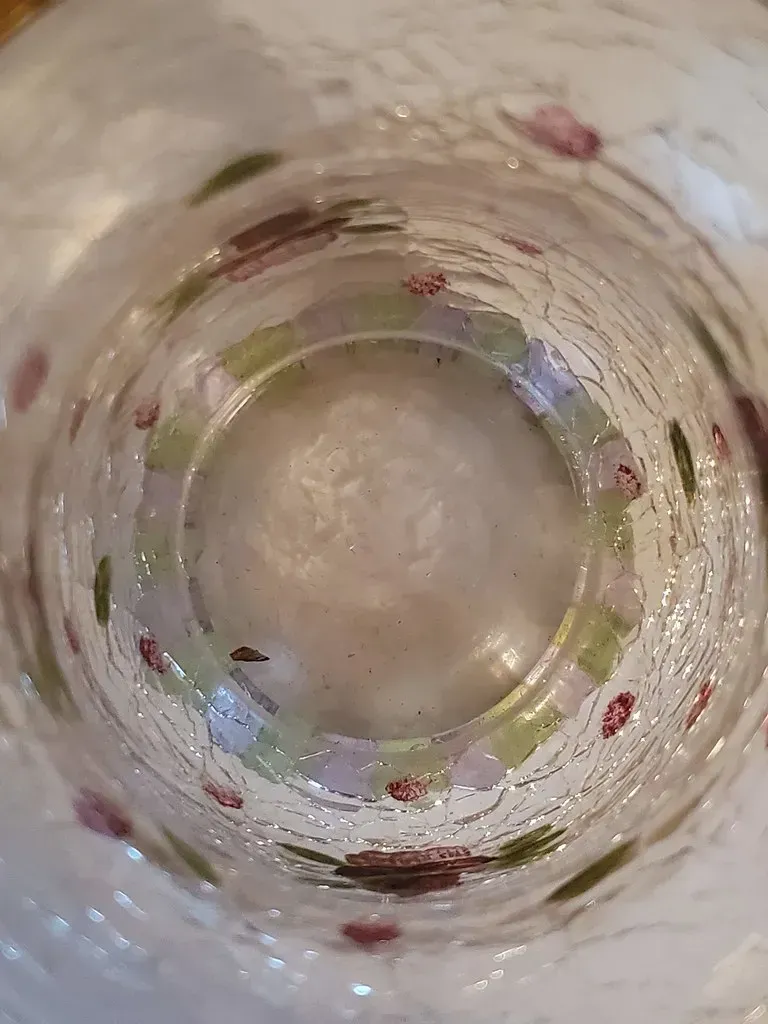
The crystal decanters and stemware tucked away in a china cabinet rarely see daylight. Yet quality glassware from prestigious makers is having a real moment in the collector market. The weight of quality crystal drinkware is unmistakable – it’s why Waterford, Baccarat, Lalique, and other prestigious makers continue to command premium prices. These valuable vintage household items represent the pinnacle of glassmaking, with lead content that creates exceptional clarity and brilliance.
Crystal stemware, decanters, vases, and bowls were the wedding gifts of choice for decades, often presented in complete sets that were kept in their original boxes and used only sparingly. A complete original set in its box is the dream scenario. Even individual pieces in perfect condition can surprise you. Authentic Venetian pieces from Murano carry centuries of craftsmanship tradition, and authentic pieces feature distinctive bubble patterns, vibrant colors, and impossibly thin walls.
8. Original Oil Paintings
8. Original Oil Paintings (Image Credits: Unsplash)
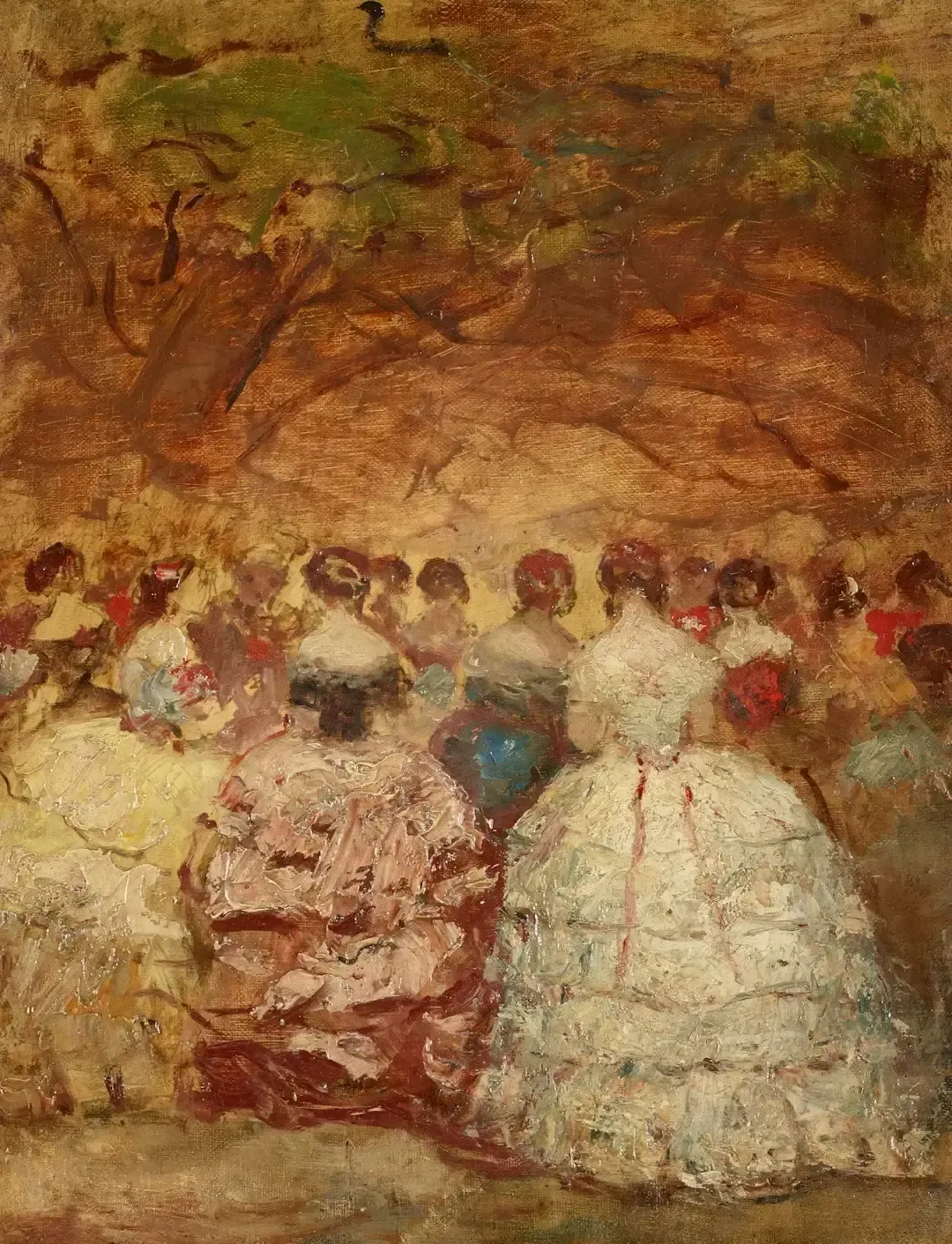
This one might genuinely shock people. Paintings hang on walls for decades, sometimes disliked, often forgotten. One antiques expert spotted a forgotten painting hidden behind a piano during a consultation. “Ironically, it was the painting that my client didn’t like and had forgotten about that turned out to be the most valuable.” Her client ended up with a six-figure payout. I find that story almost unbelievably satisfying.
When it comes to shocking appraisals on shows like PBS Antiques Roadshow, paintings remain high on the list. Try not to be fooled by low-quality prints that are framed like original paintings – they are likely reproductions without much value. Instead, seek out hand-painted pictures, even if you can find a signature. Look for actual brushwork texture on the canvas surface. That’s the fastest way to tell a print from an original.
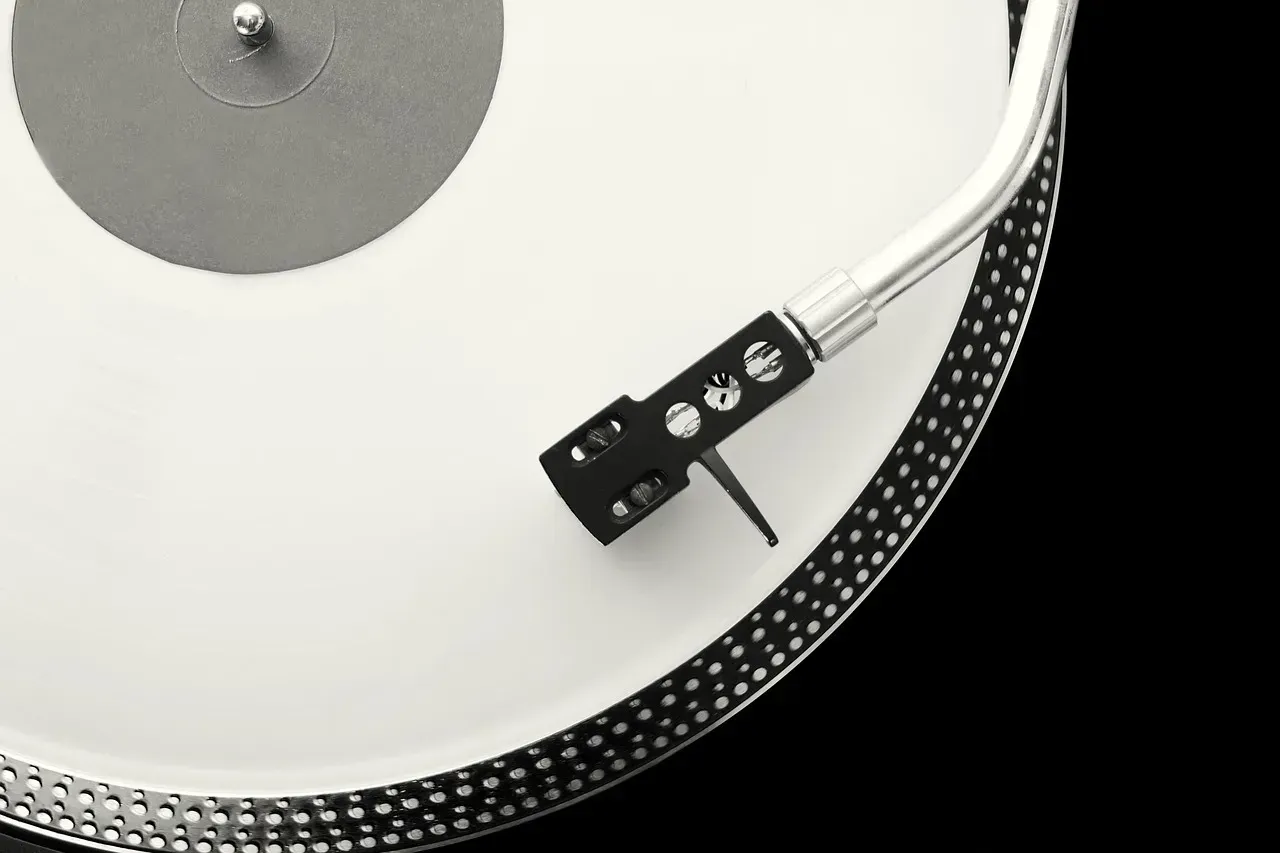
9. Vintage Vinyl Records
9. Vintage Vinyl Records (Image Credits: Pixabay)
Let’s be real – vinyl never really went away, and right now the collector market is ferocious. That crate of old records in the basement is worth examining carefully, sleeve by sleeve. Some records won’t sell for more than 50 cents, while coveted first pressings can command thousands of dollars. The range is dizzying, which is exactly why most people don’t bother looking.
Check to see if you have any limited editions or first pressings. You may have a rare pressing of a Beatles record and not even know it. On the Reverb LP marketplace, a 1956 self-titled Elvis Presley album was listed for $105, while the Purple Rain album by Prince, still in shrink wrap, was listed for $179. Condition of both the vinyl and the sleeve is everything. A pristine sleeve alone can double the value of a record.
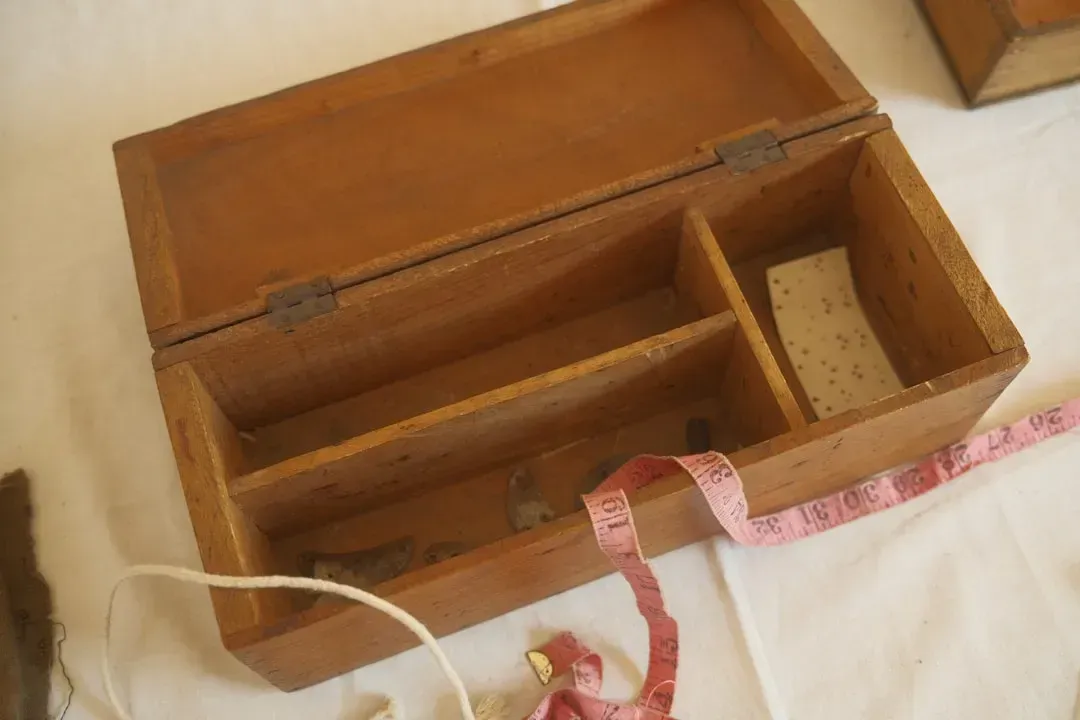
10. Antique Furniture With Dovetail Joinery
10. Antique Furniture With Dovetail Joinery (Image Credits: Unsplash)
Most people inherit a piece of old furniture and simply use it without a second thought. A chest of drawers, a writing desk, a sideboard. Quality antique furniture stands apart from modern mass production in ways that become obvious once you know what to look for. Solid wood construction, dovetail joinery, hand-cut details, and French polish finishes are hallmarks of furniture built to last generations. Pieces from renowned makers or distinctive periods – Victorian, Edwardian, Art Deco, Mid-Century Modern – appeal to collectors who appreciate both form and provenance.
Construction methods reveal age and quality. Hand-cut dovetails, which are slightly irregular, indicate older pieces, while perfectly uniform machine-cut dovetails suggest later production. Drawer bottoms in older pieces slide into grooves rather than being nailed in place. Pieces like teak sideboards, Eames chairs, and G-Plan coffee tables are expected to be highly sought after among collectors, who value their timeless appeal and the craftsmanship that went into creating them. Pull open a drawer and look closely – that slight irregularity might be your first clue you’re sitting on something remarkable.
The common thread running through all ten of these items is that familiarity breeds invisibility. We stop seeing things we live with every day. A faded rug, a shelf of old books, a set of silverware – none of it looks special until you know what questions to ask. The extraordinary thing is that a professional appraisal often costs very little, and the discovery it leads to can be life-changing. Before you donate, sell, or throw away anything old, it pays to look twice.
What would you have guessed is hiding in your own home right now?