
Food trend forecasting used to rely on what chefs were cooking in Paris or what showed up on restaurant menus in New York. Now, AI tools are crunching billions of signals, from social media saves to grocery receipt data, to map out where appetites are headed before most of us even realize we’re craving something new. Platforms like Tastewise identify emerging food trends by analyzing billions of consumption signals across social media conversations, restaurant menus, recipes, and retail data. It’s a different kind of food criticism, and frankly, a surprisingly useful one.
So I put the question directly to AI: which foods are going to be the most talked-about, most searched, and most eaten in 2026? The answers weren’t random guesses. They were grounded in real consumer behavior, search trend data, and industry research. Here’s what came back.
Kimchi and Fermented Foods: The Gut Health Obsession Goes Mainstream
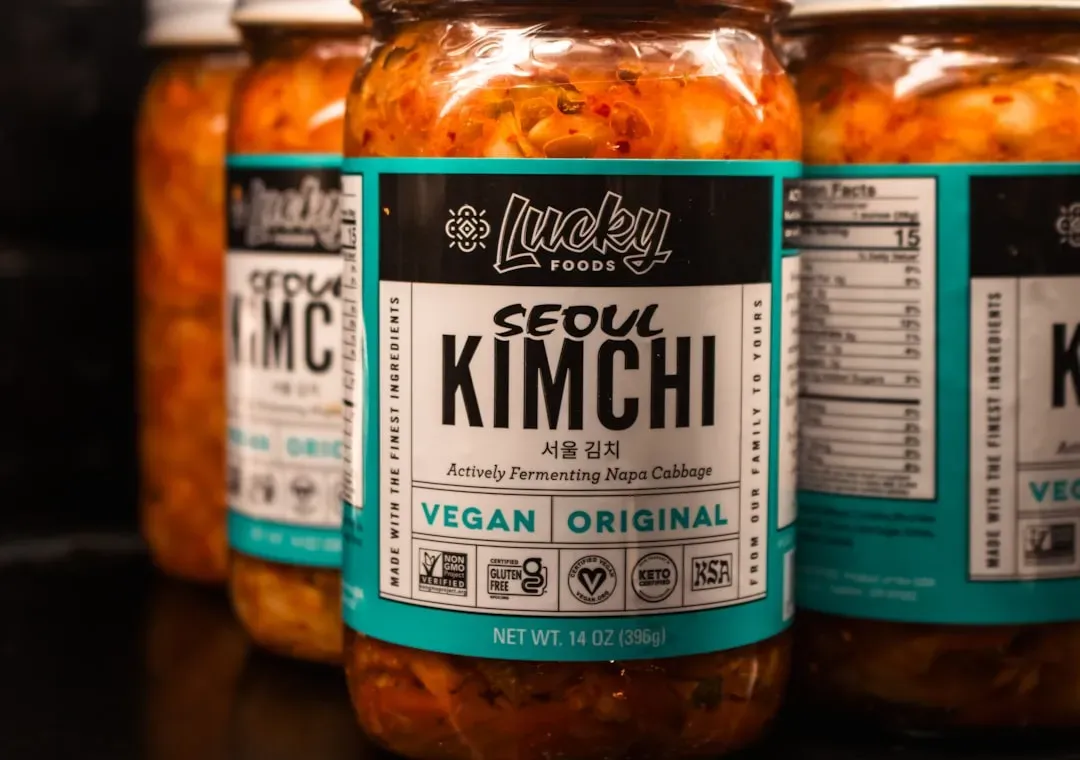
Kimchi and Fermented Foods: The Gut Health Obsession Goes Mainstream (Image Credits: Unsplash)
Fermented food and beverage trends have moved into everyday eating, reshaping what consumers expect from flavor and function. From kimchi to kombucha, and now from koji to kefir, fermentation connects health, taste, and authenticity. This isn't a niche health-food story anymore. It's turned into something that touches grocery aisles, restaurant menus, and social media feeds simultaneously.
Fermented condiments such as kimchi, miso, and gochujang also provide probiotic benefits that support digestion and gut health and help to reduce inflammation. On the retail side, Amazon's grocery unit reported roughly twelve percent year-over-year growth in cabbage sales in 2025, including a twenty-five percent increase for fermented cabbage products such as sauerkraut and kimchi. Numbers like that don't lie.
Sourdough: The Pandemic Starter That Refuses to Quit
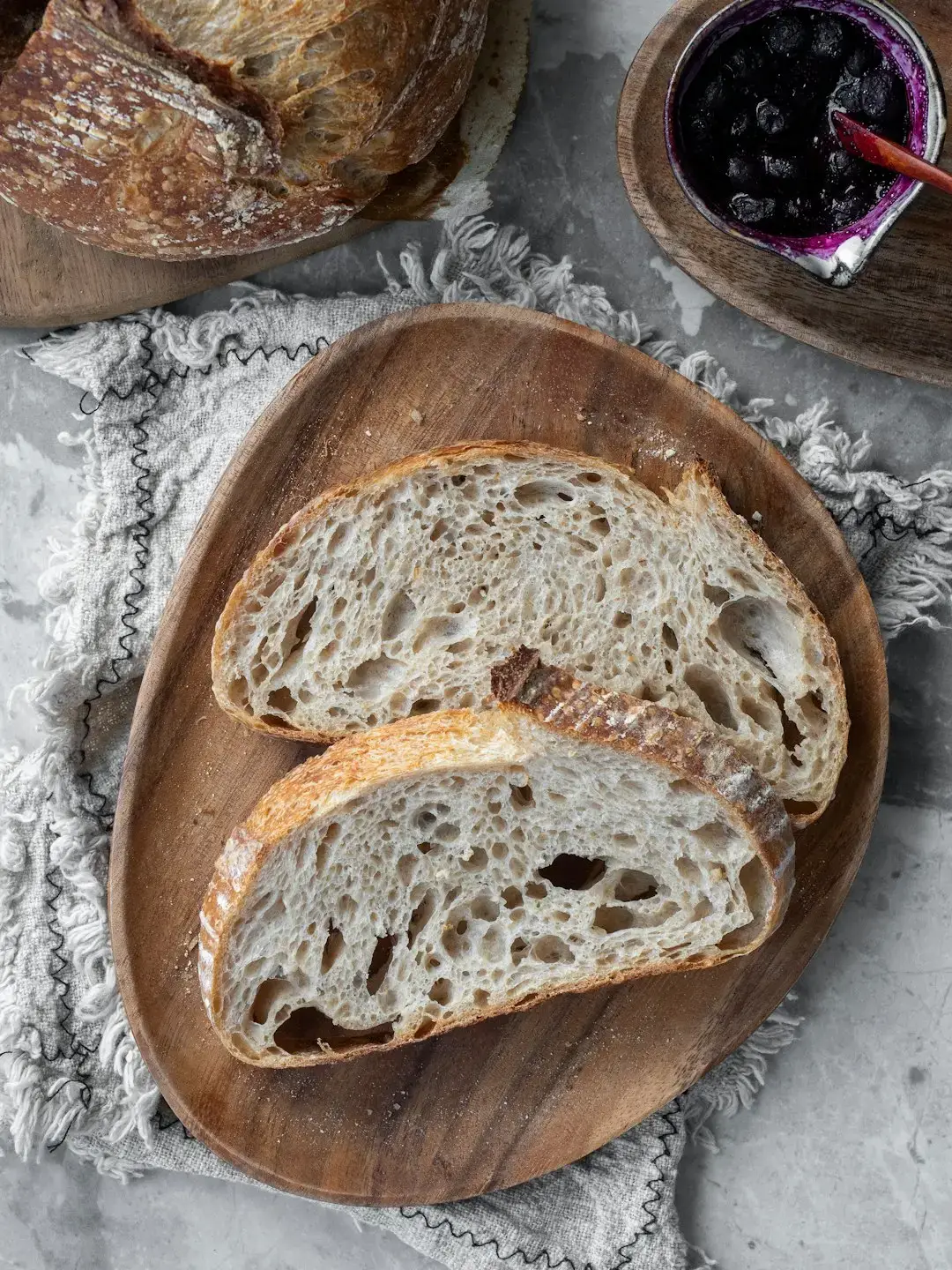
Sourdough: The Pandemic Starter That Refuses to Quit (Image Credits: Unsplash)
Sourdough, which surged during the pandemic, shows no sign of fading. Yelp's 2026 Trend Forecast report indicates rising interest, based on searches, for sourdough bread, cinnamon rolls, pizza, and even sourdough classes. What started as lockdown baking has quietly transformed into a lifestyle habit and a genuine food movement.
Genuine sourdough, containing only flour, water and a little salt, relies on fermentation to create its signature texture. Those suffering with gut issues often claim that they can digest sourdough more easily than conventional bread available in supermarkets. That functional angle, combined with its artisanal appeal, gives sourdough staying power that trends built on novelty alone rarely achieve.
Empanadas: The Handheld That's Earning Its Moment
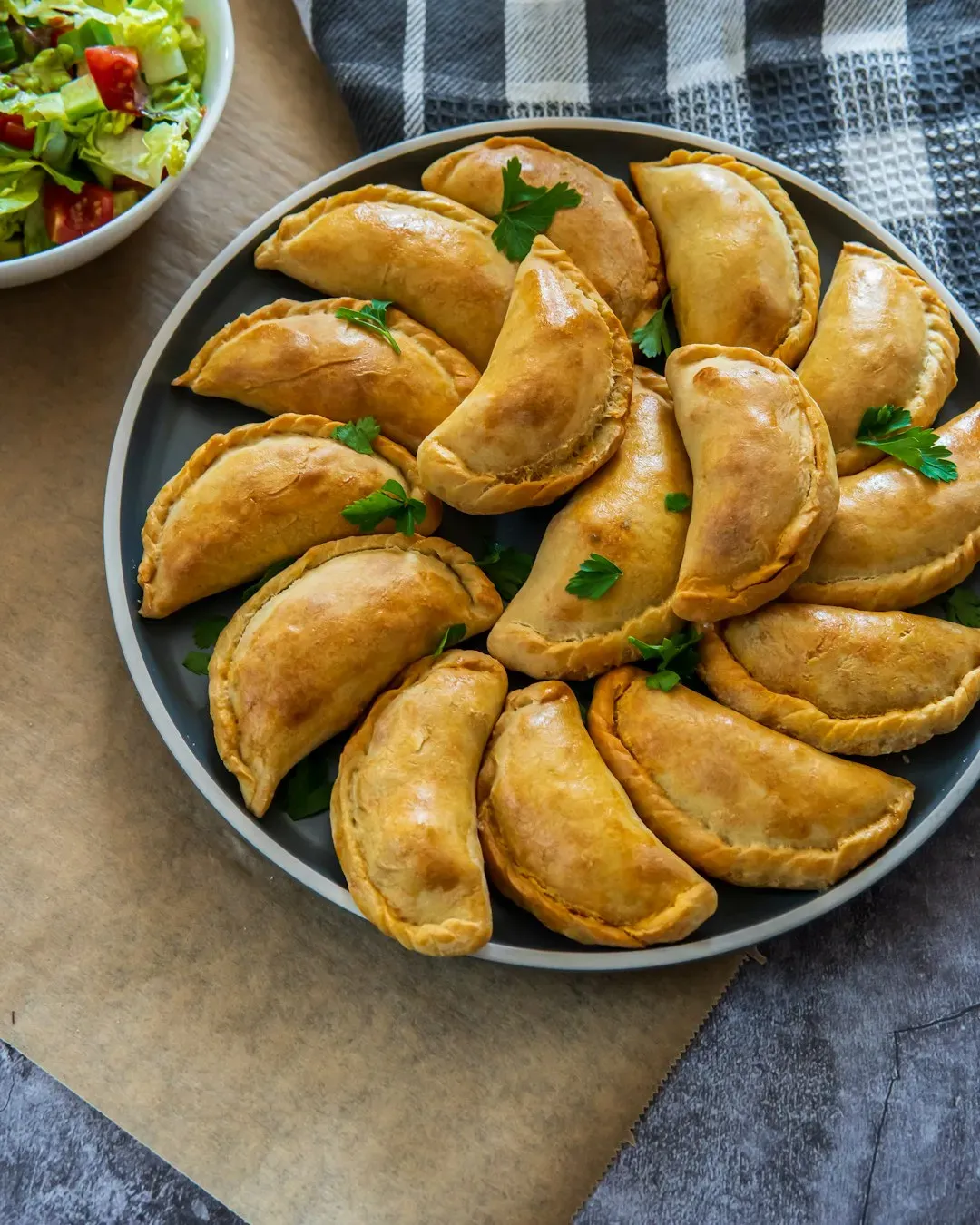
Empanadas: The Handheld That's Earning Its Moment (Image Credits: Unsplash)
Empanadas, South American savory meat pies, have climbed the ranks of handheld stardom, with seven point six percent growth on menus in the last year. According to research firm Datassential's Global Flavors Keynote, empanadas are predicted to grow on menus an additional four point three percent in the next four years. Those are steady, compounding gains, not a flash in the pan.
More than half of consumers love them, and nearly a quarter are eating them weekly. That weekly consumption figure is the telling detail here. A food that people eat out of genuine habit, not just curiosity, is a food with real cultural traction. Empanadas are exactly that.
Beef Tallow: The Ancestral Fat Making a Striking Comeback
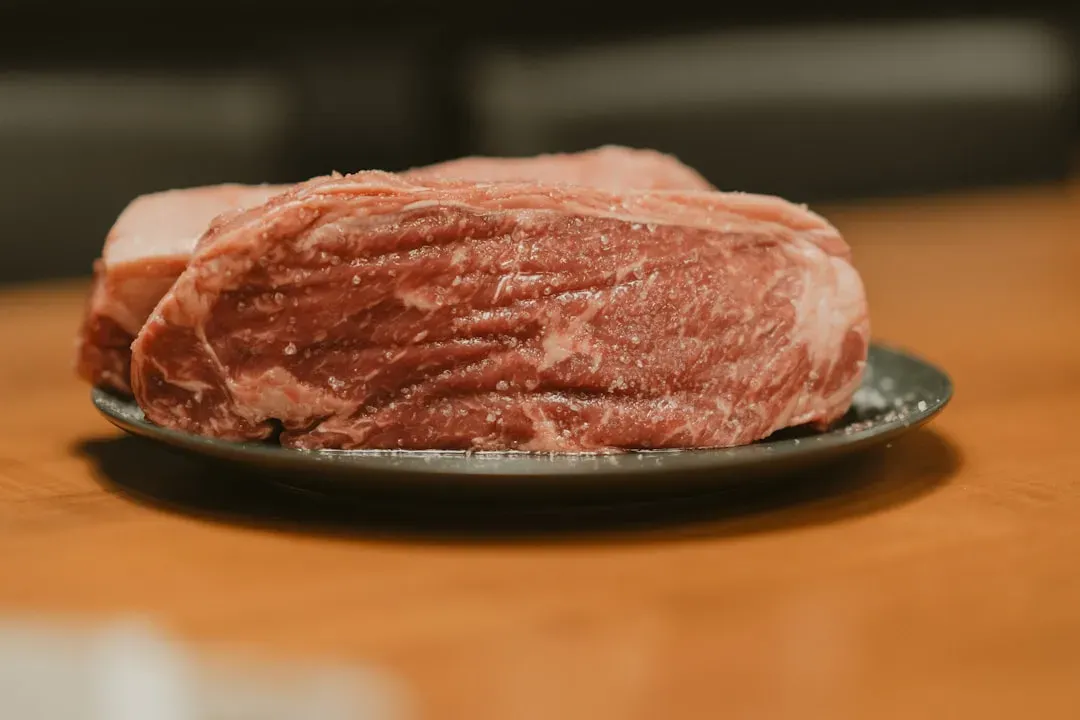
Beef Tallow: The Ancestral Fat Making a Striking Comeback (Image Credits: Unsplash)
Once a staple in traditional cooking and prized for its high smoke point and rich flavor, tallow is being rediscovered by consumers who value ancestral ingredients and are looking for oil alternatives. This old-school fat is having a moment on social media, though it's actually been used for centuries for frying and baking. The irony of something so old feeling so fresh is worth noting.
Search interest in "beef tallow" has reached roughly 1.9 million monthly Google searches, and in North America, Whole Foods is reporting ninety-six percent sales growth versus 2024 in some natural retail channels. Restaurants have also been trading in traditional oils for tallow to elevate everything from french fries to pastries. It's a trend that straddles nostalgia, wellness culture, and culinary curiosity all at once.
High-Fiber Foods: The Nutrient Nobody Talked About (Until Now)
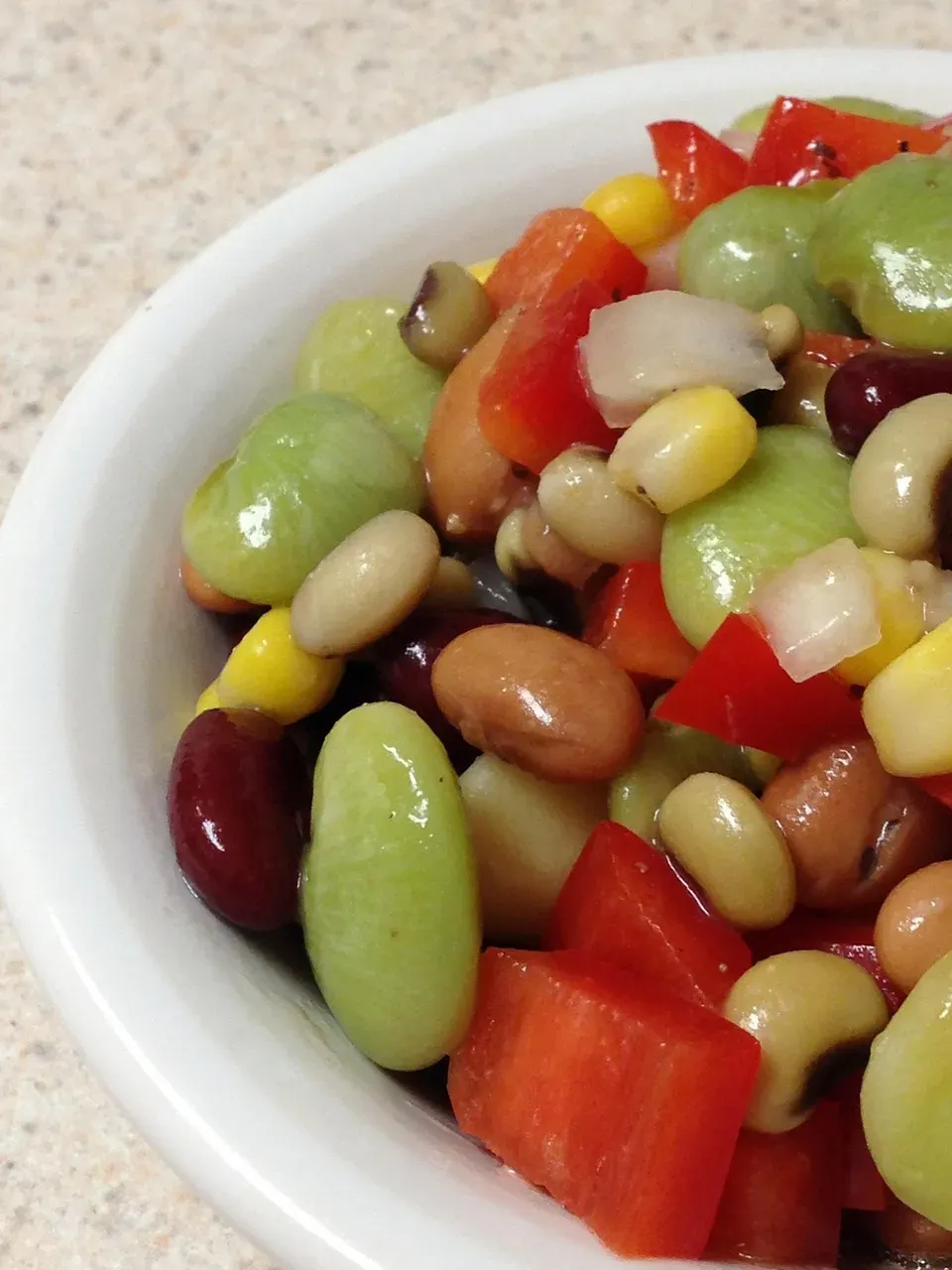
High-Fiber Foods: The Nutrient Nobody Talked About (Until Now) (Image Credits: Pixabay)
The big term for 2026 is "fibermaxxing." Many are calling fiber "the new protein." Besides the GLP-1 push for fiber, fiber supports satiety and fits the growing focus on gut health. It's a quieter trend than beef tallow or kimchi, but the data behind it is arguably more significant.
As many as seventy percent of consumers in 2025 said they were actively trying to consume more protein, and sixty-four percent said fiber, up from fifty-six percent in 2021. According to Future Market Insights, the dietary fiber market was valued at nearly $13.6 billion in 2025, and is expected to soar to more than $36 billion over the next ten years. Fiber-rich whole foods like oats, legumes, and cabbage are benefiting directly from this shift.
Comfort Foods Reimagined: The Return to Familiar
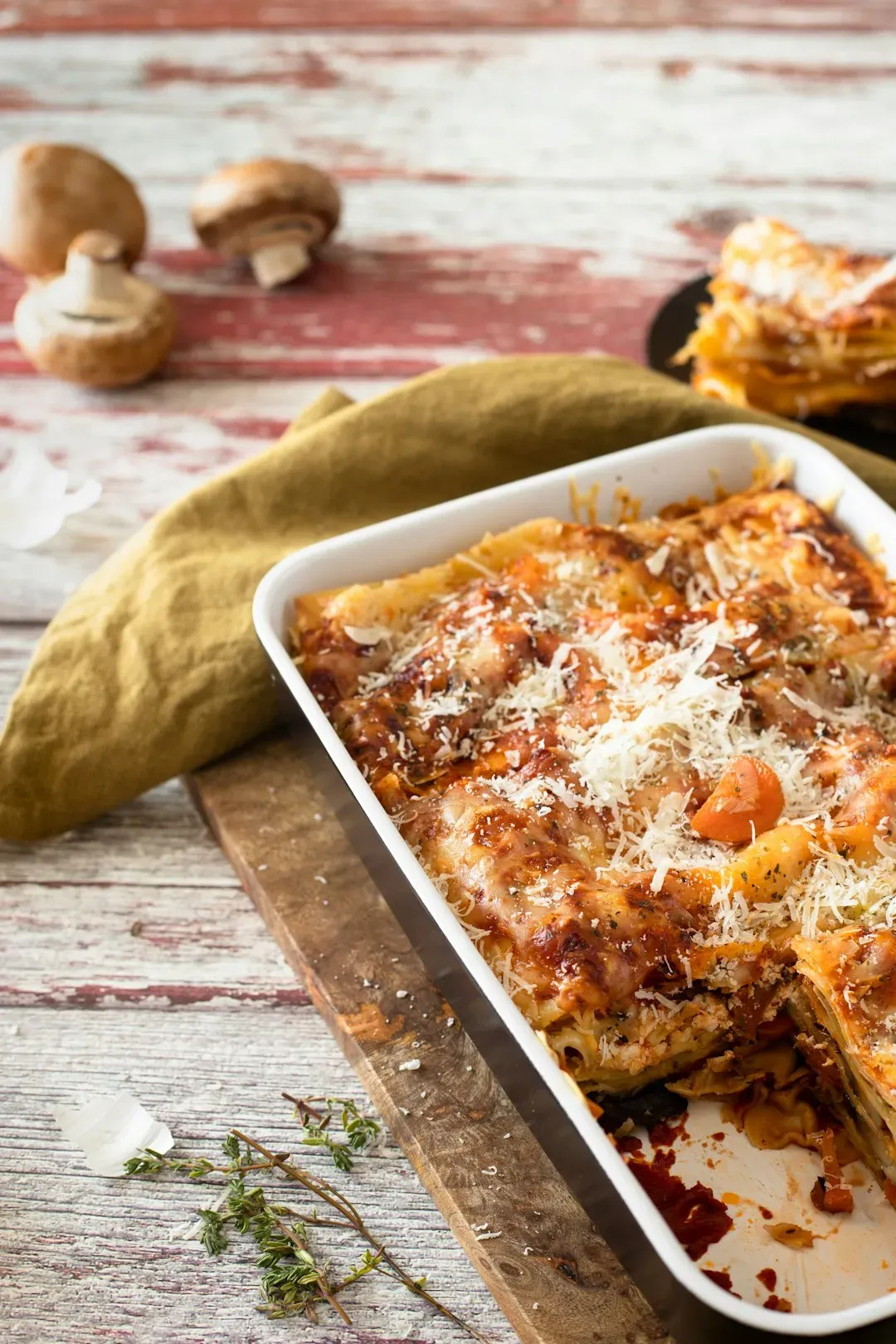
Comfort Foods Reimagined: The Return to Familiar (Image Credits: Unsplash)
When FMI asked consumers about their in-home meal preparation preferences, comfort food led the list of priorities across generations, cited by more than half of those surveyed, followed by fast preparation time. In a period of economic uncertainty and social turbulence, the familiar holds extra weight. People aren't just eating comfort food. They're seeking it.
The National Restaurant Association and other sources continue to highlight demand for comfort foods that evoke childhood or family gatherings, from retro candies and s'mores-inspired creations to fair-style foods and county-fair flavors. These nostalgic offerings tap into memories of times with family and friends and special, once-a-year outings. Food brands and restaurants that lean into this emotional dimension are finding a particularly receptive audience right now.