
There’s a certain irony in the wellness generation overlooking some of the most nutritionally rich vegetables ever put on a stovetop. While boiling has picked up a reputation as the lazy cook’s method, a pot of simmering water and a handful of humble vegetables might actually deserve more respect than it gets in 2026.
Boomers didn’t have superfoods marketed to them in bright packaging. They had root vegetables, leafy stalks, and whatever came out of the garden. Some of what they boiled on the stove, night after night, turns out to have been genuinely extraordinary for human health. Here are five of those vegetables worth a second look.
1. Cabbage
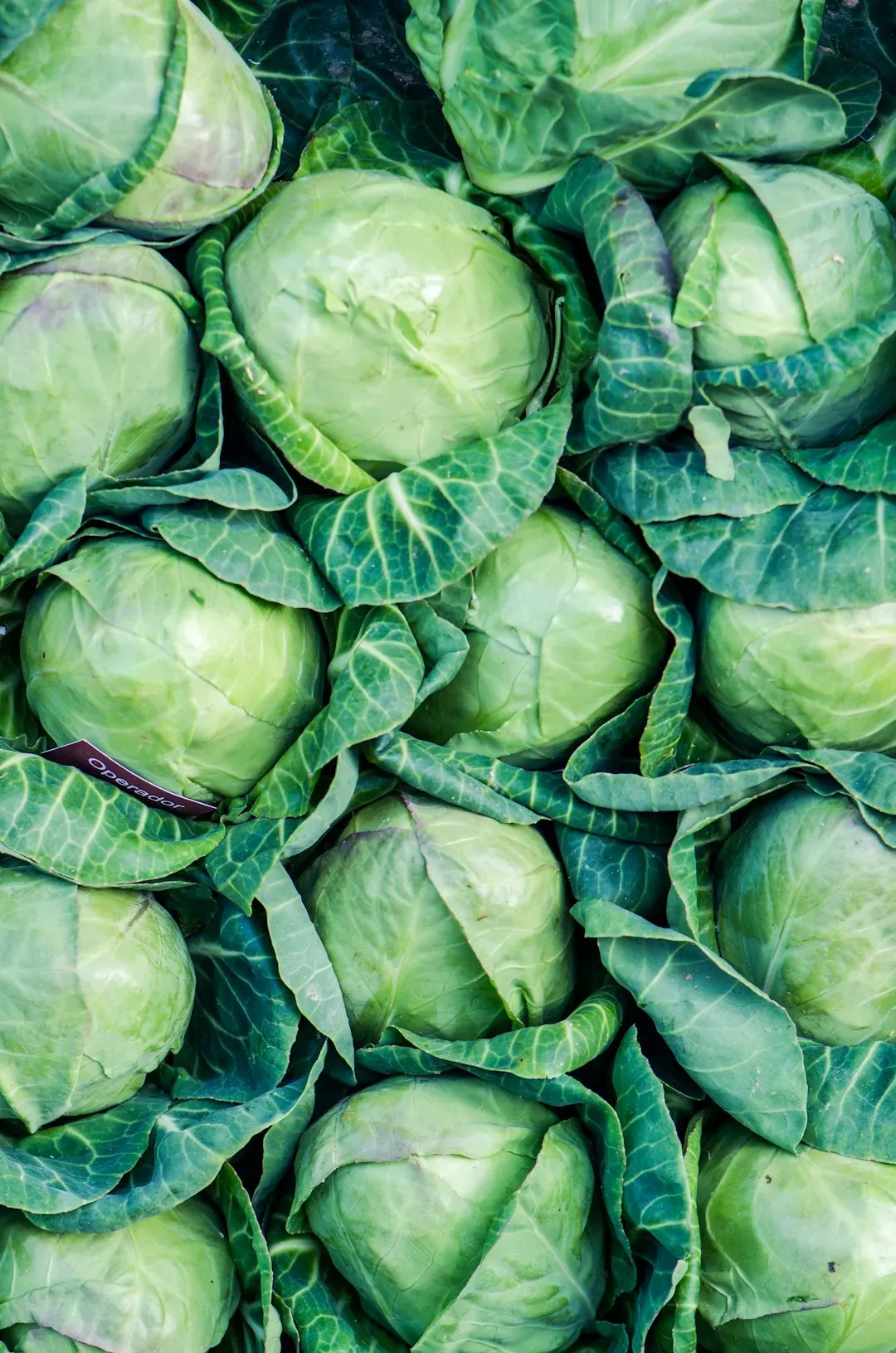
1. Cabbage (Image Credits: Unsplash)
Cabbage has a reputation problem. For decades it's been the butt of jokes about bland postwar dinners, and yet the nutrition profile hiding inside every head of it is quietly impressive. Cabbage is packed with vitamins A, B1, B6, B9, C, potassium, magnesium, iron, manganese, and calcium, and is particularly high in vitamin K, which plays an important role in blood clotting and bone health.
The gut-health benefits are especially worth noting for anyone who spends money on probiotic supplements. Packed with phytosterols and insoluble fiber, cabbage can help keep your digestive system healthy and bowel movements regular, while fueling the good bacteria in your gut that protects your immune system and produces essential nutrients. The anthocyanins found in cabbage help reduce the risk of heart disease, and scientists have found 36 different kinds of anthocyanins in cabbage, which could make it an excellent option for cardiovascular health.
2. Brussels Sprouts
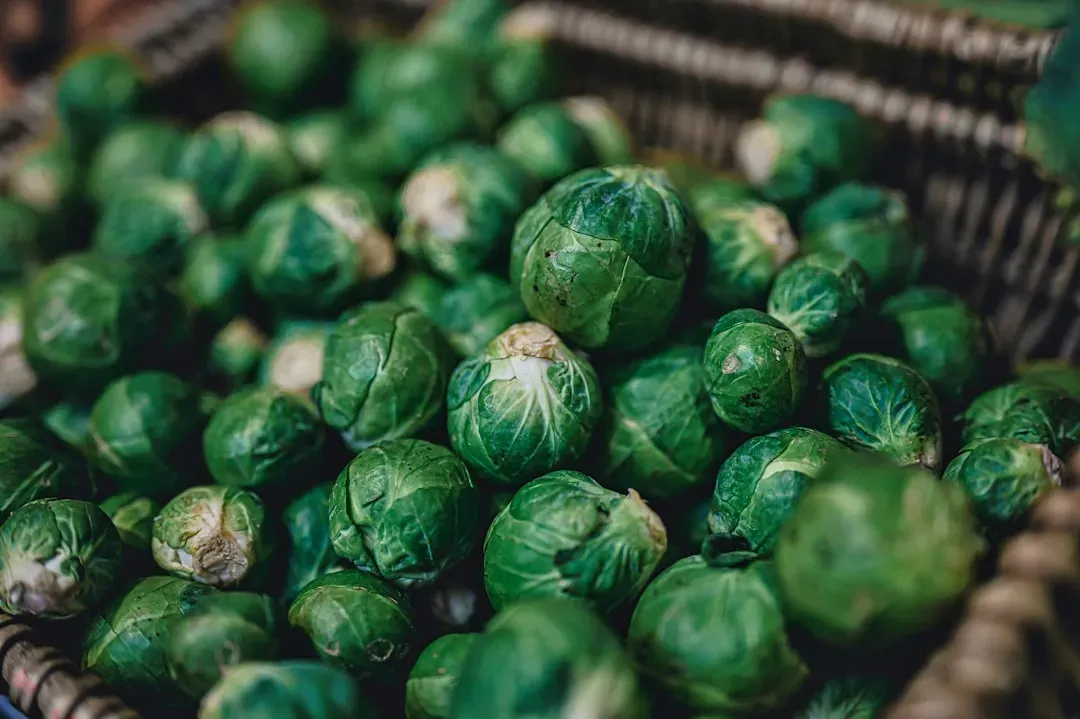
2. Brussels Sprouts (Image Credits: Unsplash)
If there's one vegetable that defines the boomer dinner table, it's Brussels sprouts. Overcooked, mushy, and deeply unloved by a generation of children who didn't realize what they were turning down. Brussels sprouts provide antioxidants, fiber, and phytonutrients that boost gut health and protect against cancer, diabetes, heart disease, and inflammation.
The vitamin content alone makes them stand out. These small vegetables are packed with nutrients like vitamin K and vitamin C while remaining low in calories. A single cup of cooked Brussels sprouts delivers around 75 mg of vitamin C. There's also the question of oxalates: cooking leafy greens and vegetables like Brussels sprouts significantly lowers oxalate levels, with one study noting that oxalate levels decreased by 38 to 87 percent after cooking. That's a meaningful benefit for anyone concerned about kidney health.
3. Turnips

3. Turnips (SummerTomato, Flickr, <a href="https://creativecommons.org/licenses/by/2.0/" target="_blank" rel="noopener">CC BY 2.0</a>)
Turnips are arguably the most underestimated vegetable on this list. They carry baggage, largely cultural. For centuries they were associated with poverty and livestock feed. Turnips are a cruciferous vegetable with multiple health benefits, and their bioactive compounds, such as glucosinolates, may support blood sugar control, protect against harmful bacteria, and provide anticancer and anti-inflammatory effects.
From a practical nutritional standpoint, the numbers hold up well. One cup of cooked, mashed turnips has only 51 calories but provides about 27 milligrams of vitamin C, roughly a third of what an adult needs daily, with the same serving containing about 5 grams of fiber. One medium turnip contains 233 mg of potassium, a mineral the body needs for nerve signaling, muscle function, and heart health, and insufficient intake is linked to elevated risk of high blood pressure, stroke, and kidney stones. Boomers who boiled turnips regularly were getting a lot more than they probably realized.
4. Beets

4. Beets (Image Credits: Unsplash)
Beets were a staple of midcentury kitchens, typically boiled and served plain, or pickled in jars. Today they show up in cold-pressed juices and trendy restaurant salads. The substance hasn't changed, only the price tag. Beets are high in nitrates, which research suggests improve cardiovascular health in several ways, and some studies show beetroot juice supplementation may lower blood pressure and increase blood flow.
The antioxidant story is equally compelling. The stark red color of beets comes from compounds called betalains, which have powerful antioxidant effects and can help reduce inflammation. Beets are also rich in nitrates that reduce inflammation by removing harmful compounds from the bloodstream, making them a strong option for people with inflammatory conditions like rheumatoid arthritis. Research examining the antioxidant activity of raw beetroot found that cooking methods including boiling did not cause significant changes to total phenolic compound content or anthocyanin content, meaning a good portion of those antioxidants survive the pot.
5. Parsnips

5. Parsnips (Bruno Girin, Flickr, <a href="https://creativecommons.org/licenses/by-sa/2.0/" target="_blank" rel="noopener">CC BY-SA 2.0</a>)
Parsnips rarely come up in conversations about healthy eating, which is a shame because they quietly deliver a mineral payload that punches well above their humble appearance. Parsnips contain higher amounts of fiber, calcium, magnesium, phosphorus, potassium, vitamin E, and folate than many comparable root vegetables, and are also lower in sodium and saturated fats.
Parsnips are high in potassium, which is known to protect heart health by lowering blood pressure, and they are also rich in folate, which decreases one's risk of having a stroke. Both parsnips and turnips contain dietary fiber, and individuals who consume high amounts of fiber can significantly reduce their risk of developing cardiovascular diseases, partly because dietary fiber lowers levels of total serum and LDL cholesterol in the body. A boiled parsnip from a 1970s Sunday dinner was, in effect, a small but meaningful cardiovascular intervention.
None of these vegetables require a rebrand or a new preparation trend to earn their place on the plate. The boomers who boiled them weren't following wellness trends. They were, often without knowing it, doing something genuinely right. The pot on the stove was never the problem.