
There’s a quietly stubborn idea that restaurant food is inherently superior to what you make at home. Restaurants have trained chefs, professional equipment, and decades of refined technique on their side. It’s a reasonable assumption. It’s also, for most people most of the time, wrong.
The real story is more interesting than a simple reversal of that assumption. It’s about control, attention, and what actually makes a meal feel memorable. Home cooking has been gaining serious ground, and not just because restaurant prices keep climbing. The case for eating well at home is now backed by nutritional science, behavioral research, and a quiet cultural shift happening in kitchens everywhere.
The Cost Gap Has Become Impossible to Ignore
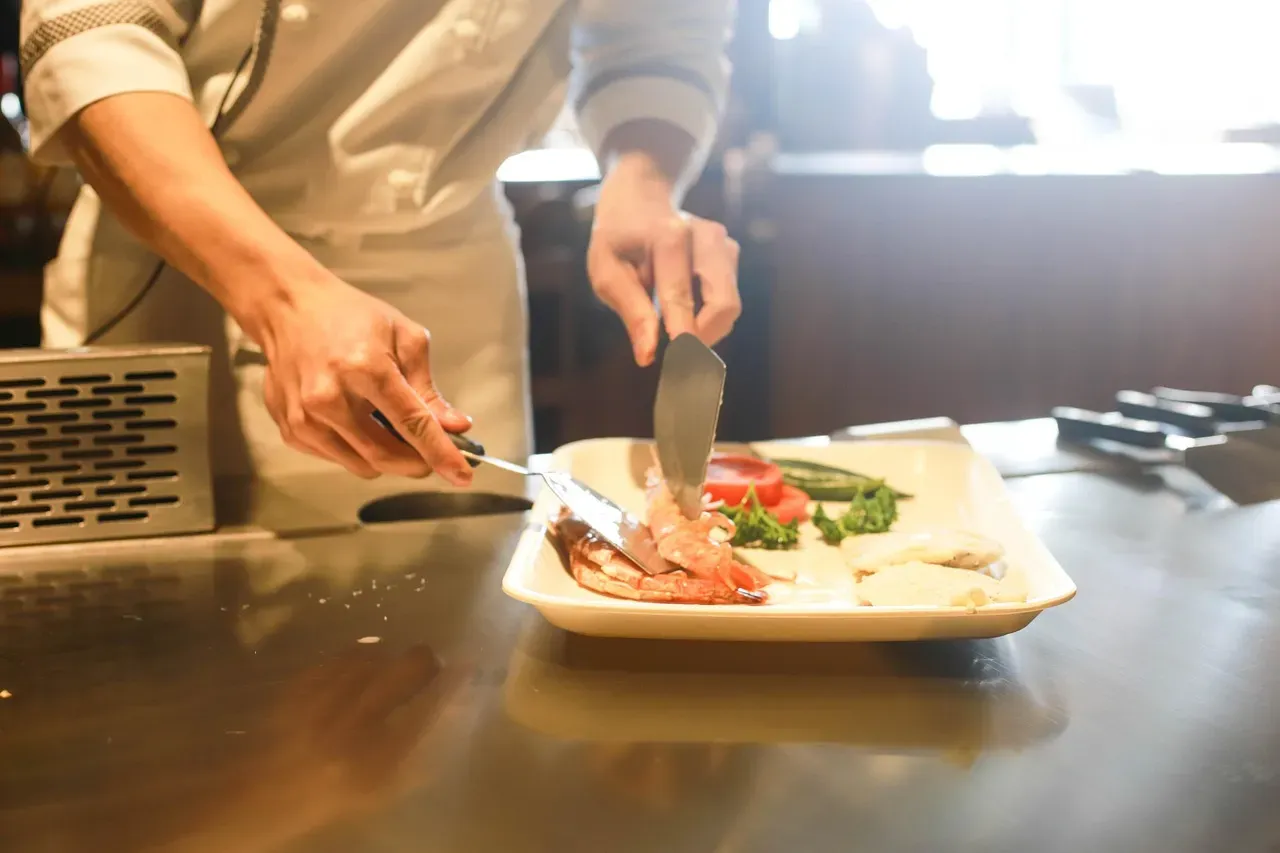
The Cost Gap Has Become Impossible to Ignore (Image Credits: Pixabay)
In the past year, eating out has become noticeably more costly, with restaurant prices increasing by roughly five percent, while grocery prices have risen by only about two percent. That gap compounds fast over the course of a week or a month. The average cost per serving of a home-cooked meal sits at around five dollars, compared to roughly twenty-three dollars for a restaurant meal.
Analysis from Forbes and Priceonomics found that home-cooked meals are roughly five times less expensive than ordering delivery and about three times less expensive than a meal kit. The food-at-home category is witnessing significant growth as consumers increasingly opt for home-cooked meals to economize and enhance their well-being. For most households, this is no longer a minor consideration.
You Actually Know What You Are Eating
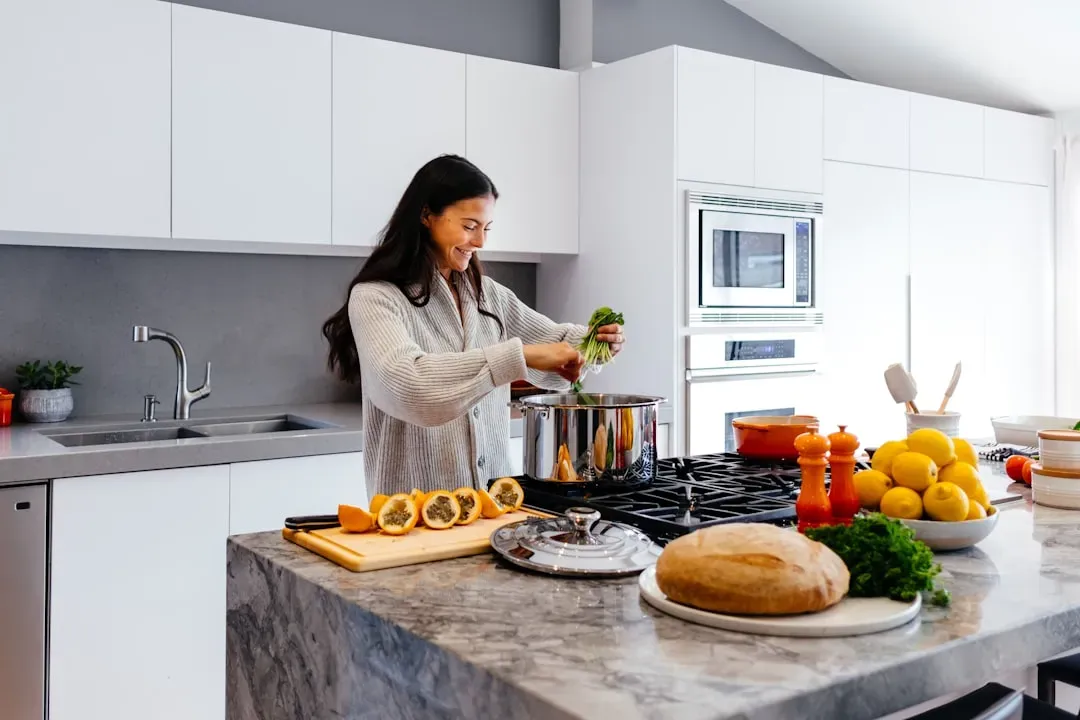
You Actually Know What You Are Eating (Image Credits: Unsplash)
Research consistently shows that people consume more calories, fat, and sodium and fewer nutritious foods when eating out instead of at home, largely because they have more control over what goes into their food when cooking in their own kitchen. That control is not a small thing. It affects every single aspect of a meal, from the oil used to the amount of salt added at the end.
USDA data from 2024 confirms that restaurant meals are, on average, between a quarter and nearly a third higher in calories, fat, and sodium compared to home-cooked alternatives, and for individuals with allergies, dining out carries real risk. One study found that individuals who frequently cook at home consume fewer calories, sugar, and fat than those who eat out regularly, in part because home cooks can incorporate a variety of vegetables, lean proteins, and whole grains into their meals.
The Sodium Problem Restaurants Do Not Want You to Think About
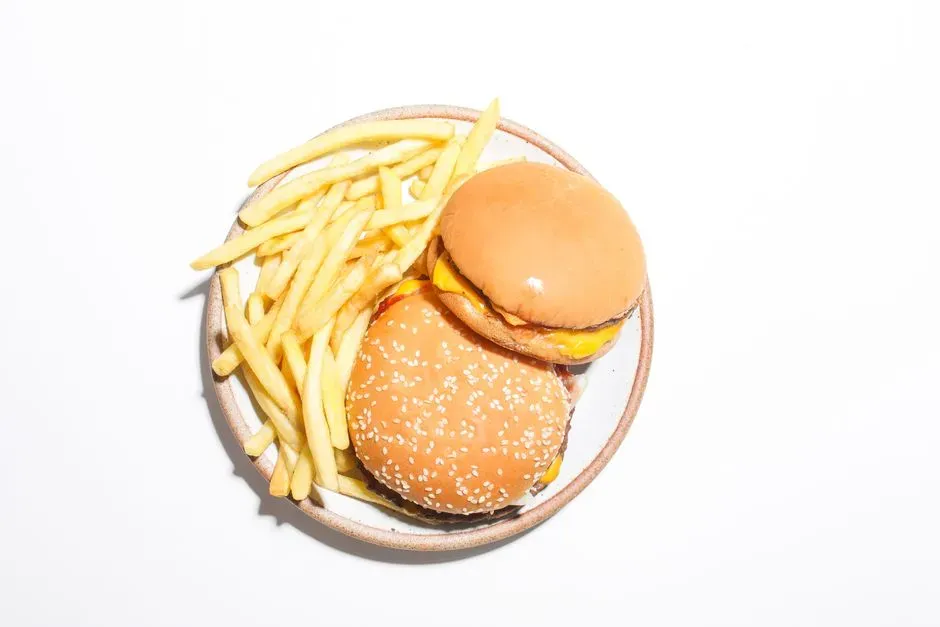
The Sodium Problem Restaurants Do Not Want You to Think About (Image Credits: Pexels)
Restaurant and packaged foods contribute the majority of sodium in the American diet, while cooking at home gives you direct control over how much salt is added. The difference is not marginal. Restaurant meals are often extraordinarily high in sodium, and a single entree can have enough to reach or even exceed your entire recommended daily limit.
Restaurant foods are a particularly concerning source of sodium for American consumers, contributing on average nearly a third of daily sodium consumption among adults. Many cookbooks advise seasoning as you cook, but this is precisely when sodium levels snowball, and it is one of the key reasons why restaurant food often tastes so intensely flavorful. That flavor comes at a cost your body registers long after the meal is done.
Home Cooking and Your Long-Term Health Are More Connected Than You Might Think

Home Cooking and Your Long-Term Health Are More Connected Than You Might Think (Image Credits: Pexels)
Eating home-cooked meals more frequently is associated with greater adherence to Mediterranean and DASH dietary patterns, as well as notably higher fruit and vegetable intake, with those cooking at home more than five times a week consuming significantly more of both compared to those who rarely cook. These aren't trivial differences. They add up into a measurably different picture of long-term health.
More frequent consumption of home-cooked meals is associated with a greater likelihood of having a normal BMI and normal percentage of body fat. Evidence shows that regular home cooking is associated with improved diet quality, reduced obesity risk, greater family bonding, and enhanced happiness, with many participants describing it as a source of mindfulness and stress relief. That combination of physical and psychological benefit is unusual for a single habit.
The Mental Health Case for Cooking Is Growing
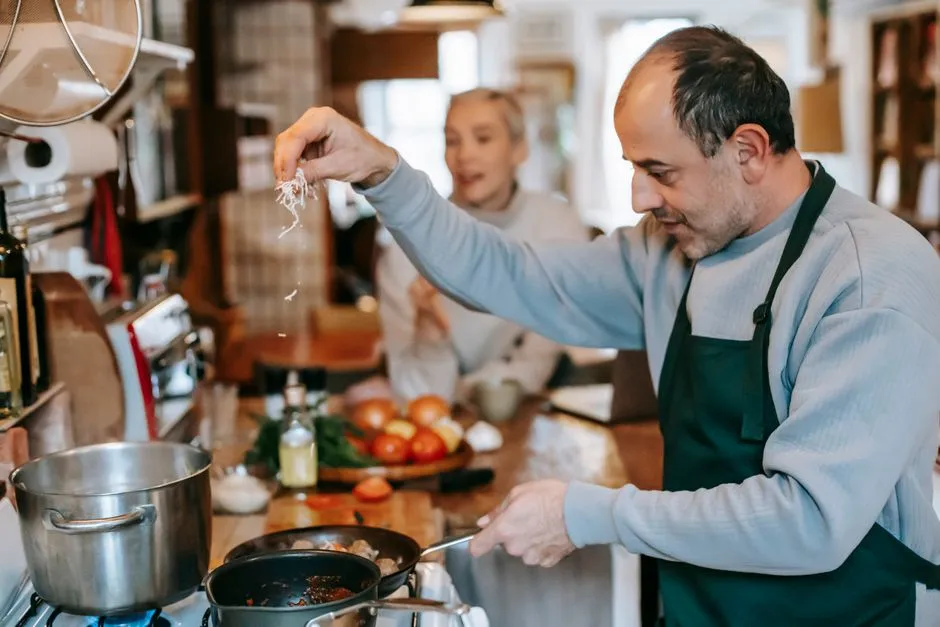
The Mental Health Case for Cooking Is Growing (Image Credits: Pexels)
A growing body of research now confirms that preparing home-cooked meals can yield genuine mental health benefits. Research has shown links between cooking and reduced stress, anxiety, and depression, and many therapists now recommend cooking as a practical tool for improving mental health and well-being, alongside more traditional therapies.
In psychiatric inpatient wards, cooking workshops have been found to improve mood among patients with depression by reducing sadness, hopelessness, and fatigue, with findings supporting the integration of cooking into mental health treatment as a practical, therapeutic tool that fosters positive emotions like pride and a sense of achievement. The focus that cooking demands, and the repetitive motions involved in chopping or stirring, can function as a form of meditation that helps shift attention away from daily worries.
Cooking Together Changes How People Connect
Cooking Together Changes How People Connect (Image Credits: Unsplash)
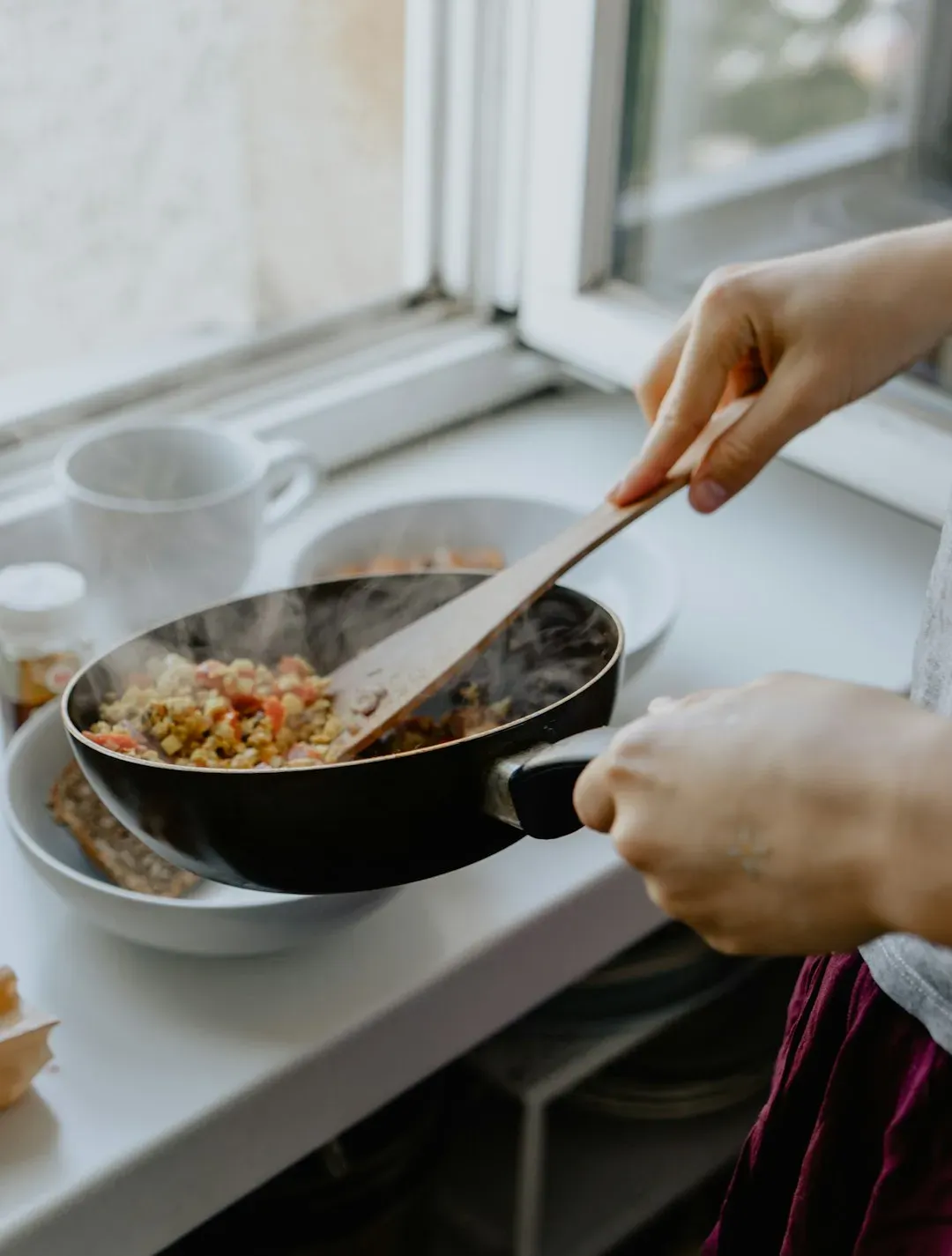
Engaging in shared cooking and dining activities has been shown to positively affect family well-being, reinforcing emotional connections, promoting communication, and enhancing family unity. A restaurant table is shared, but the kitchen experience that precedes a home meal is something entirely different. There's collaboration, negotiation, even a little mess. Those moments build something.
Even if cooking itself isn't your strength, there are still powerful benefits to eating meals at home, especially when they're shared, because eating together is one of the most fundamental ways we connect as humans. Broad survey data found that nearly half of adults have felt guilty getting food from a restaurant instead of cooking at home, and among those who plan to cook more in the coming year, both economic pressures and personal health are strong motivating factors.
The Tools Available to Home Cooks Have Never Been Better

The Tools Available to Home Cooks Have Never Been Better (Image Credits: Pexels)
Tools like Instant Pots, air fryers, and sous vide machines now simplify complex cooking techniques, while AI-powered recipe apps offer personalized meal ideas that were unthinkable for home cooks just a decade ago. The skill ceiling for home cooking has dropped dramatically, while the ceiling for quality has risen. A cook with a reliable Dutch oven and a decent recipe can produce something genuinely spectacular.
Food and beverage launches inspired by chefs and restaurant-quality techniques grew substantially after the pandemic, and these products make meals cooked at home feel considerably more professional. Growing numbers of consumers globally are cooking from scratch using fresh ingredients, and that proportion has continued to increase even after the initial push from the pandemic years. The resources available now, from quality ingredients to accessible technique, make restaurant-caliber results genuinely achievable.
The Attention You Bring to Your Own Food Cannot Be Replicated
The Attention You Bring to Your Own Food Cannot Be Replicated (Image Credits: Unsplash)
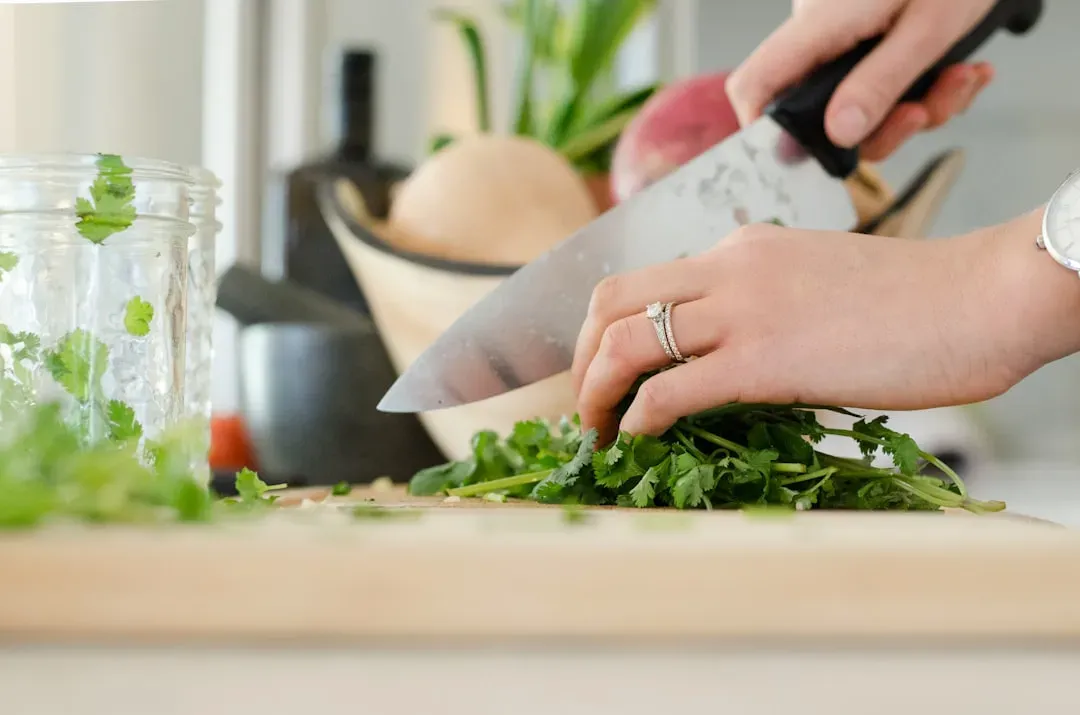
A restaurant kitchen is producing dozens or hundreds of plates a night. Your plate is one of many. At home, it's the only one. That difference in attention, while easy to dismiss, shapes the result in ways that go beyond technique. You season to your own preference. You cook the protein the way you actually like it. You don't have to negotiate with a fixed menu.
Cooking at home gives you total control over what you are consuming and may often lead to a healthier, more balanced meal, and that level of personalization simply doesn't exist in even the best restaurant setting. A kitchen environment that inspires cooking can positively influence mental well-being, and feeling satisfied with your food choices can elevate self-esteem and foster a genuine sense of achievement. What you made yourself, and made well, often tastes better for exactly that reason.
The Ritual Itself Is Worth More Than We Acknowledge
The Ritual Itself Is Worth More Than We Acknowledge (Image Credits: Unsplash)
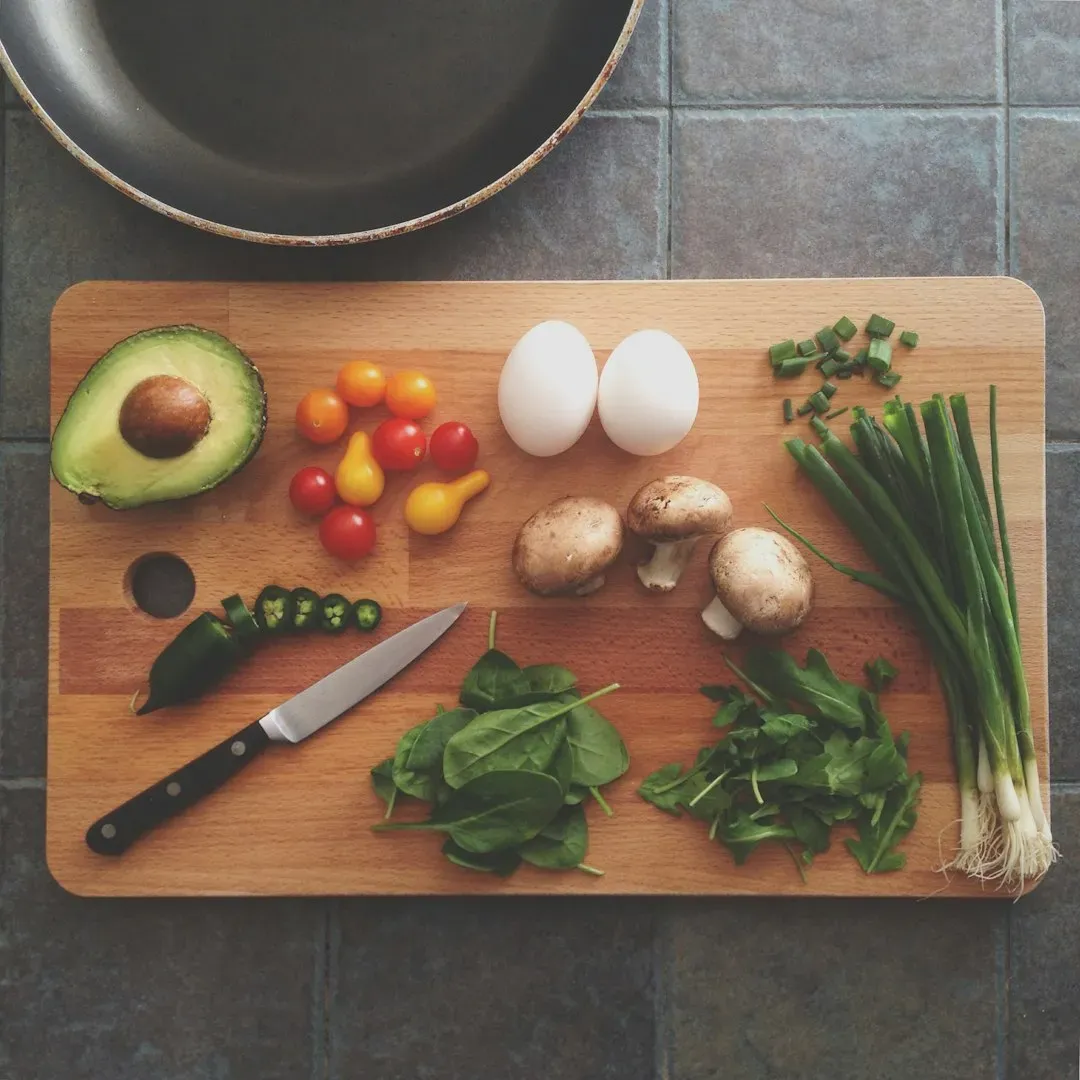
Survey data shows that roughly seven in ten adults find cooking to be more stress-relieving than stressful, a figure that challenges the widespread assumption that home cooking is just another obligation on a long list. For many people, the ritual of preparing a meal is a way to decompress, to shift from the demands of the day into something tangible and sensory. It's hard to put a price on that.
The act of cooking sits at the intersection of health, cultural transmission, emotional labor, and psychological well-being, which explains why its decline as a regular practice carries consequences that reach far beyond nutrition. The best meal you'll have this week won't come from a room full of strangers preparing it quickly for dozens of tables. It'll come from a kitchen where someone, maybe you, actually cared about the outcome.