
Most people clean their homes with the best of intentions. They want a fresh, hygienic space. They scrub, wipe, spray, and mop with genuine effort. Honestly, it’s one of those things where trying hard feels like the right approach. The problem is that some of the most widely practiced cleaning habits are actually working against you, quietly degrading the surfaces you’re trying to protect.
It turns out that the how matters just as much as the how often. Surfaces don’t fail overnight. They fail in small, repetitive micro-damages caused by incorrect cleaning. The good news is that once you know which habits are the culprits, the fixes are surprisingly straightforward. Let’s dive in.
1. Scrubbing Too Hard on Delicate Surfaces
1. Scrubbing Too Hard on Delicate Surfaces (Image Credits: Pexels)
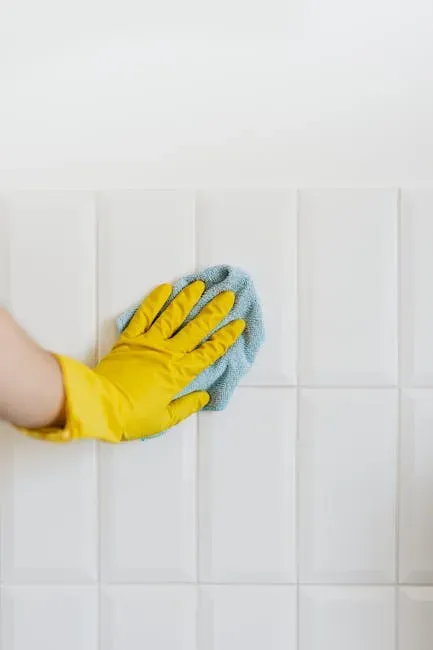
There's something deeply human about attacking a stubborn stain with full force. It feels productive. Aggressive scrubbing is a subtle but serious problem. Many people attack stains as if they were enemies, but this can lead to cleaning mistakes that scratch surfaces like glass, stainless steel, and ceramic coatings. Scrubbing too hard wears down protective finishes and leaves micro-scratches that worsen over time. Think of it like sanding wood with coarse grit when you only needed the finest paper. Once those micro-scratches accumulate, they're nearly impossible to reverse.
Non-stick surfaces scratch and peel, ceramic surfaces develop micro-scratches causing dullness and quick wear, stainless steel picks up swirl marks and pit formation, and enamelled cookware gets chipped and cracked at the top coating. A better approach is to allow cleaning products to sit for a few minutes, letting the solution loosen grime naturally, then use a soft microfiber cloth or non-abrasive sponge to wipe gently. Patience, it seems, is a genuine cleaning tool.
2. Using the Wrong Cleaner for the Surface
2. Using the Wrong Cleaner for the Surface (Image Credits: Unsplash)
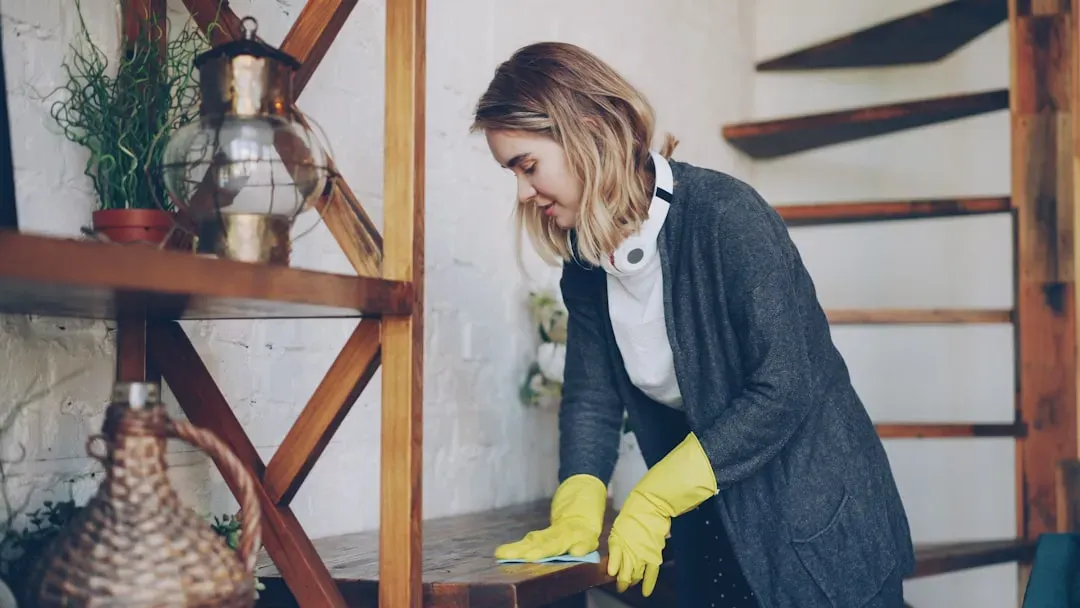
This is one of the most common mistakes, and it often goes completely unnoticed until the damage is done. Different materials require different chemical formulations to be cleaned correctly and without causing harm. A cleaner that works perfectly on a laminate countertop might degrade the finish on a granite surface. What is appropriate for sealed hardwood can strip unsealed wood, leaving it exposed to moisture and damage. Using one product for everything is like wearing flip-flops to a hiking trail. It works, sort of, until it really doesn't.
Many homeowners believe stronger cleaners guarantee a cleaner home, but this is a common cleaning mistake that damages surfaces. Harsh chemicals such as bleach or ammonia can strip finishes, fade paint, and even corrode metals. For instance, using a high-strength cleaner on a granite countertop can dull its natural shine and leave permanent stains. Avoid using bleach or anything acidic like vinegar or lemon on marble and granite, as these will etch the surface, causing it to look dull and discolored.
3. Using Abrasive Tools on the Wrong Materials
3. Using Abrasive Tools on the Wrong Materials (Image Credits: Pexels)
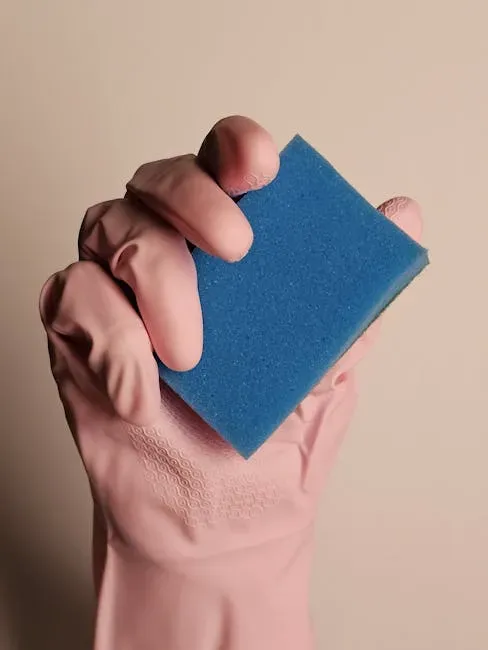
The leading cause of scratches while cleaning is abrasive contamination. This is when small, hard particles are caught in cloths, pads, brushes, or even on the surface itself. A surface may feel solid and durable, but that doesn't mean it's scratch-resistant. In many cases, the finish, not the core material, is what's most vulnerable. The more polished or glossy the surface, the more visible even minor damage becomes. It's a bit like scratching a car with a key. The steel underneath is fine. The finish is gone forever.
Abrasive pads can scratch stainless steel surfaces, causing irreversible damage. Using non-abrasive cleaning pads or microfiber cloths is the safer alternative. Abrasive pastes, powders, or the rough side of a sponge can scratch stovetops, faucets, glass, and stainless steel. Once those surfaces are scratched, dirt and grime stick like glue. So that rough green side of a kitchen sponge? It's doing far more harm than good on anything shiny.
4. Applying Too Much Water to Floors and Wood Surfaces
4. Applying Too Much Water to Floors and Wood Surfaces (Image Credits: Pexels)
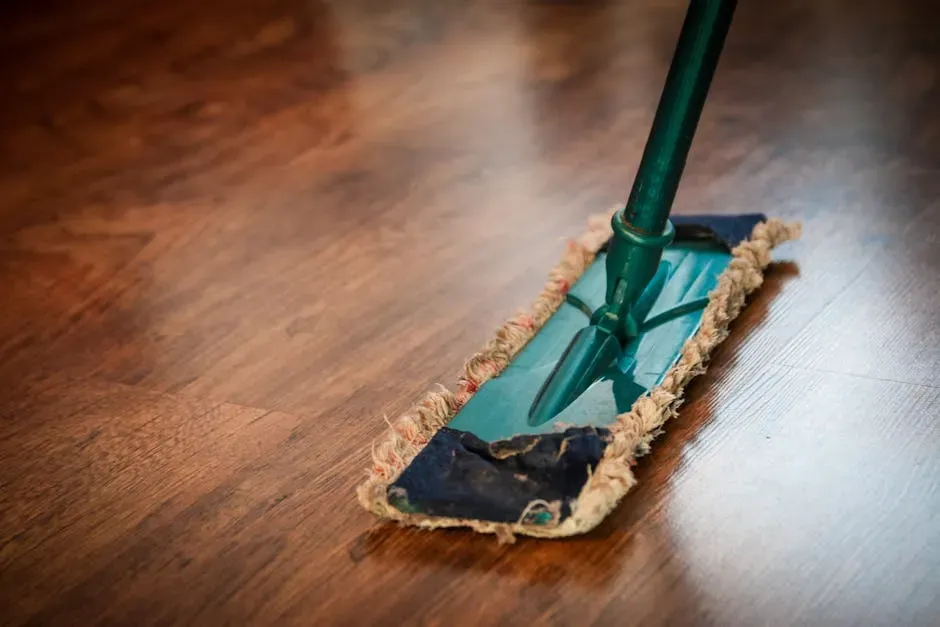
Water feels harmless. It's just water, right? I think a lot of people underestimate how destructive excess moisture can be, especially on surfaces like hardwood and grouted tile. When mopping hardwood floors, using a mop that's been submerged in water leaves far too much moisture on the floor after mopping and can cause warping and swelling of the wood. If the moisture doesn't dry properly, it can also lead to mold.
Excess water seeps into grout, warps wood, and creates long-term damage. Traditional mopping often involves repeatedly dipping a dirty mop into the same bucket of water. Toward the end of the job, you are essentially painting the floor with dirty water, which explains why floors can look dull and feel sticky afterward. The solution is surprisingly simple. Use a well-wrung, damp mop and swap out dirty pads regularly. Less is genuinely more here.
5. Using Vinegar or DIY Solutions on Natural Stone and Wood
5. Using Vinegar or DIY Solutions on Natural Stone and Wood (Image Credits: Unsplash)
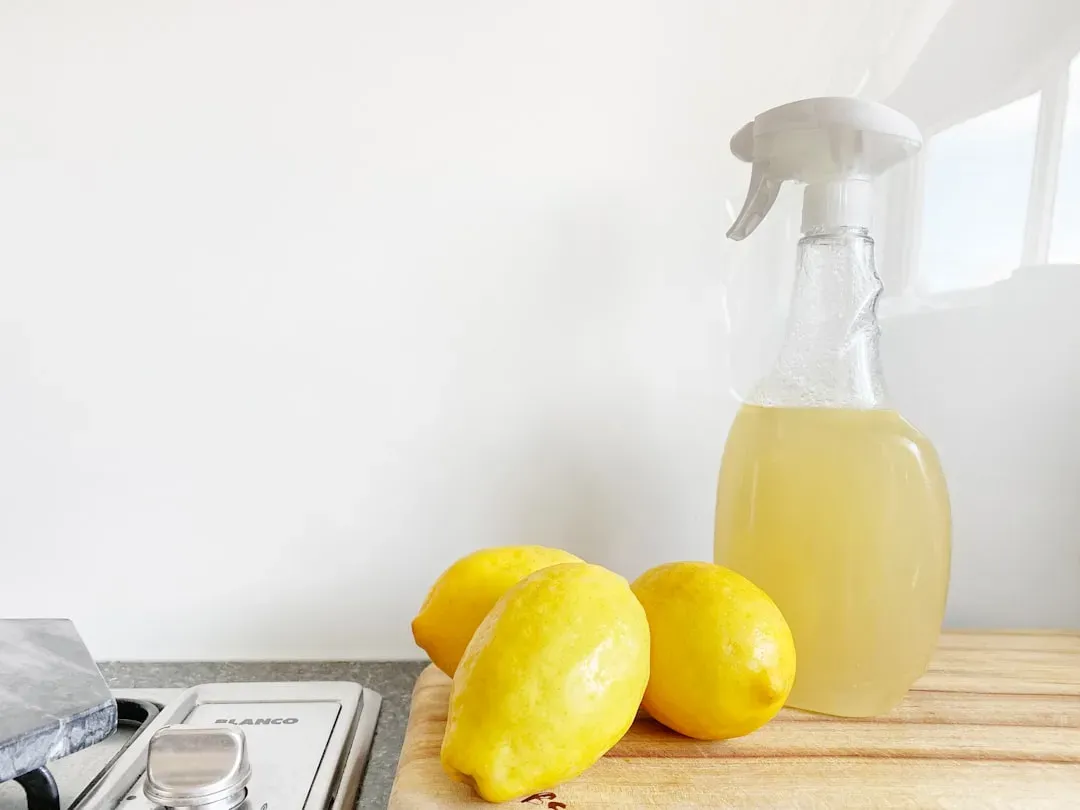
Vinegar has earned almost a cult following in the natural cleaning world. It's affordable, easy to find, and feels like a savvy, chemical-free choice. Here's the thing though. Homemade cleaning hacks often do more harm than good. Vinegar, while common, can dull or damage wood, laminate, and natural stone. That sharp acidity that makes it effective on some surfaces is the exact same property that destroys others.
Natural stone might look tough, but it's a delicate material. Bleach and acidic cleaners, including vinegar and lemon juice, can etch and dull the surface. Certain countertop cleaners can damage granite or marble, causing discoloration or dullness. Using cleaners specifically designed for stone surfaces is the way to protect those countertops. It's hard to say for sure how many natural stone countertops have been quietly ruined by well-meaning DIY vinegar sprays, but it's likely more than most homeowners would want to admit.
6. Skipping the Pre-Sweep Before Mopping
6. Skipping the Pre-Sweep Before Mopping (Image Credits: Pixabay)
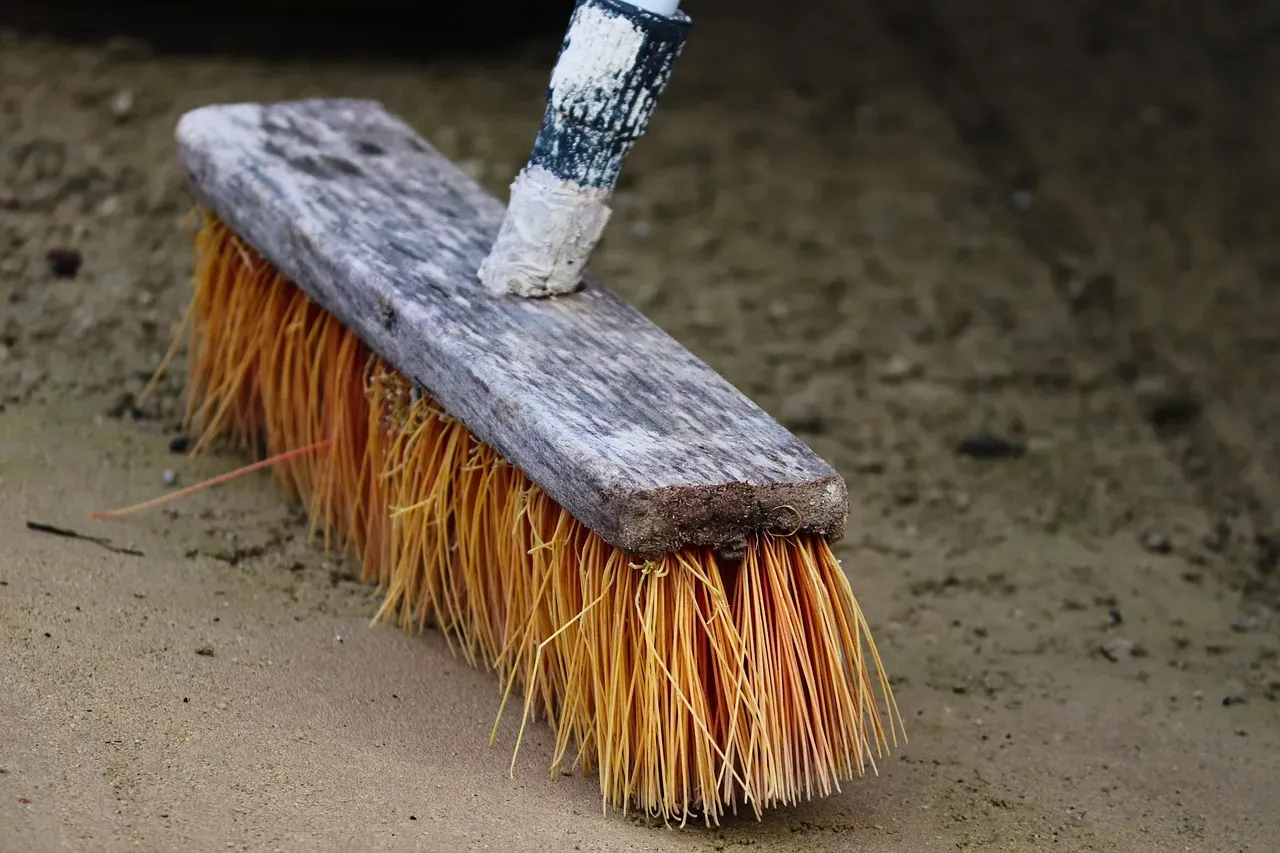
This one seems minor but the consequences pile up fast. Mopping without vacuuming or sweeping first is a common shortcut that backfires. Dirt and grit get pushed around rather than removed, which can scratch floors and leave residue behind. Imagine dragging a handful of fine sand across your floor with a wet mop. That's essentially what's happening when you skip this step, and it happens every single time.
Trapped grit in microfiber cloths, aggressive scrub pads, or dried debris on countertops can create subtle surface damage. The scratches may not be deep, but they can dull the uniform appearance you'd expect from a clean surface. Waiting to deep clean surfaces until visibly dirty can also cause unnecessary wear and tear on your appliances and home. Dirt and grime build up over time, making your eventual cleaning much harder. A quick sweep before mopping takes maybe two extra minutes. The surface protection it offers is worth every second.
Cleaning well isn't about scrubbing harder or spraying more product. It's about understanding what each surface actually needs and respecting those boundaries. The damage caused by these six habits is almost always gradual, quiet, and cumulative, which is precisely why it's so easy to miss until it's too late. Small adjustments to your routine today can quite literally add years to the life of your floors, countertops, and cookware. What would you change in your cleaning routine first?