
Most people trust their bank about as much as any institution in their daily lives. You deposit your paycheck, pay your bills, maybe save a little on the side. It all feels straightforward. What’s easy to miss, though, is how much of the modern banking model depends on customers staying comfortable, uninformed, and just a little bit passive.
The gap between what banks advertise and what’s buried in the fine print has been a subject of serious regulatory attention in recent years. Understanding that gap is genuinely worth your time. Here’s what the numbers actually show.
1. Your Savings Account Is Earning Almost Nothing – And That's Entirely by Design

1. Your Savings Account Is Earning Almost Nothing – And That's Entirely by Design (Image Credits: Pexels)
According to the FDIC, the average annual percentage yield across all savings accounts as of May 2026 was just 0.38%. That’s not a rounding error. Many major national banks offer an APY of only 0.01% on their savings accounts – and that includes JPMorgan Chase Bank, Bank of America, and U.S. Bank.
Meanwhile, better options are sitting in plain sight. Today’s top savings rate from CIT Bank is around 4.10%, which is roughly six times the current national average. If you deposited $5,000 into an account paying 0.01% APY, it would earn just $1 in interest over a full year. Put that same amount into an account earning 4% APY, and it would earn $204. Your bank knows this math. It’s counting on you not running it yourself.
2. Overdraft Fees Are a Revenue Strategy, Not an Accident
2. Overdraft Fees Are a Revenue Strategy, Not an Accident (Image Credits: Pexels)
The vast majority of fee revenue banks make from deposit accounts comes from back-end penalty fees for overdrafts or from not having enough funds to cover a transaction. This isn’t incidental. Consumers paid an estimated $12.1 billion in combined overdraft and non-sufficient funds fees in 2024. The average overdraft fee imposed by banks is about $35 and is usually significantly larger than the overdraft itself. Overdraft fees are a major profit center for banks, accounting for roughly $5.8 billion in revenue in 2023 alone.
Large banks typically charge $35 for an overdraft loan, even though the majority of consumers’ debit card overdrafts are for less than $26 and are repaid within three days – translating to pricing in annual percentage rate terms of over 16,000 percent. Seven in ten Americans believe overdraft fees are unfair, and roughly half of consumers who paid them were surprised by the charges. The surprise is, in a sense, the point.
3. Transaction Reordering Can Multiply Your Fees Without Warning

3. Transaction Reordering Can Multiply Your Fees Without Warning (Image Credits: Unsplash)
Bank overdraft lawsuits have alleged several problematic practices, including charging $35 fees for overdrafts as small as $4, and processing the largest transactions first to maximize the number of overdraft fees charged. This practice – known as transaction reordering – means that if you have several small purchases and one large one all posting on the same day, the bank processes the big charge first, draining your balance and turning multiple smaller transactions into multiple overdraft events.
Overdrafts are perceived as predictable revenue rather than just accidents, with algorithms taking over when accounts fall just below zero, processing transactions in a way that maximizes fees. Bank of America was ordered to pay $100 million in 2023 for double-dipping NSF fees. The practice has faced legal challenges across the industry, but it continues in various forms at institutions that haven’t been compelled to change.
4. You Were Likely Opted Into Overdraft Coverage Without Fully Realizing It
4. You Were Likely Opted Into Overdraft Coverage Without Fully Realizing It (Image Credits: Pexels)
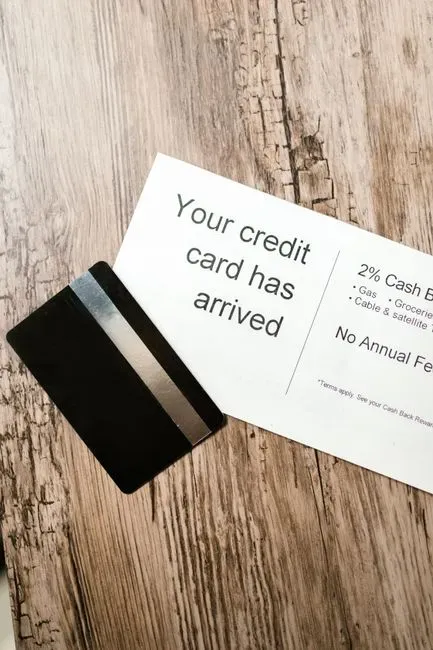
Overdraft coverage is technically optional. Your bank may offer it for debit and ATM transactions, but you don’t have to accept it. If you don’t opt in, ATM and debit card transactions will simply be declined if there’s not enough money in your account, and you won’t be charged a fee. Most people don’t know this. Automatically enrolling customers in overdraft protection without proper consent has been one of the core allegations in overdraft-related lawsuits.
The CFPB found that TD Bank claimed overdraft was a “free” service that “comes with” the account, when in reality the bank charged customers $35 per debit card overdraft and could only do so if consumers opted in. The CFPB also found that TD Bank required new customers to sign pre-checked forms indicating their consent to enroll in debit card overdraft without mentioning the service at all. In 2020, the CFPB sanctioned TD Bank, which paid $123 million for these deceptive practices related to debit card overdraft.
5. The Fees You Can See Are Not All the Fees You're Paying
5. The Fees You Can See Are Not All the Fees You're Paying (Image Credits: Pexels)
The average checking account maintenance fee on interest-bearing accounts is $15.45, while the average for non-interest accounts is $5.47, according to Bankrate’s 2024 Checking and ATM Survey. Those are just the headline charges. If you use an ATM that isn’t part of your bank’s network, you can wind up paying a fee to your bank and a separate one to the owner of the machine. The total cost of withdrawing cash from an out-of-network ATM hit an all-time high average of $4.77, according to Bankrate’s 2024 survey.
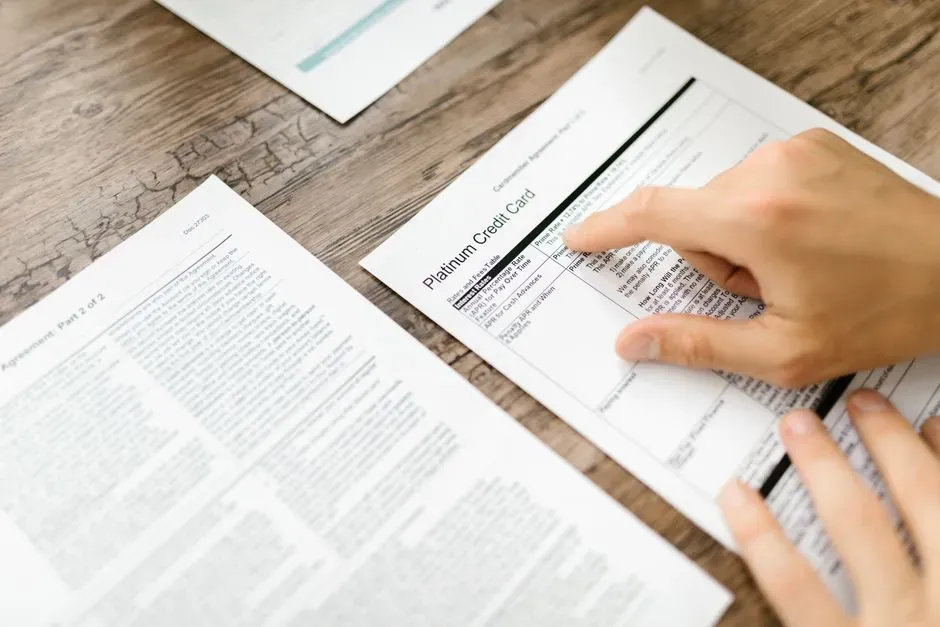
Some banks also limit how many times you can move money out each month, and same-day or expedited transfers may carry a price tag. Paper statements can cost $2 to $5 per copy, and if you don’t touch an account for a while, some banks will charge dormancy or inactivity fees. These charges aren’t always easy to find – you may need to read the fine print in the disclosures section or hunt through a fee schedule PDF. The information is technically available. It’s just not displayed anywhere you’d naturally look.
6. Regulatory Protections That Could Help You Have Been Weakened

6. Regulatory Protections That Could Help You Have Been Weakened (mikecohen1872, Flickr, <a href="https://creativecommons.org/licenses/by/2.0/" target="_blank" rel="noopener">CC BY 2.0</a>)
The Consumer Financial Protection Bureau announced a final rule limiting banks’ ability to charge overdraft fees, which the CFPB projected would save American consumers $5 billion annually. Under the rule, banks could opt to charge just $5 for overdrafts – a steep drop from the average fee of around $35 per transaction. The story didn’t end there, though. The rule was overturned by Congress through the Congressional Review Act, which President Donald Trump signed into law in early 2025.
Congress voted in early 2025 to repeal the CFPB overdraft rule, leaving its future uncertain. A coalition of 22 attorneys general sent a letter urging the House to vote against the resolution overturning the rule, noting that it prevented big banks from charging excessive overdraft fees that can hurt customers’ credit and sometimes lead to account closures. For now, many of the consumer protections that were taking shape are on hold, which means the burden of staying informed falls more squarely on you.
None of this requires assuming bad faith at every turn. Banks are businesses, and fees are part of how they operate. The real issue is the gap between what’s easy to see and what’s designed to stay invisible. Checking your actual savings rate, understanding your overdraft settings, and reading fee disclosures even once a year can make a meaningful difference. The information exists – it just takes a little effort to find it.