
Most parenting conversations focus on what we teach children directly: the bedtime stories, the lessons about sharing, the talks about right and wrong. What gets far less attention is the quieter, more constant education happening in the background, every single day. Kids are absorbing how adults move through the world, not just what adults tell them to do.
The classic parental warning “do as I say, not as I do” unfortunately tends not to work: children are more likely to imitate the behaviors of their parents than follow their verbal instructions. That gap between instruction and imitation is where some of the most powerful parenting actually happens, mostly without anyone noticing.
How You Handle a Phone at the Dinner Table
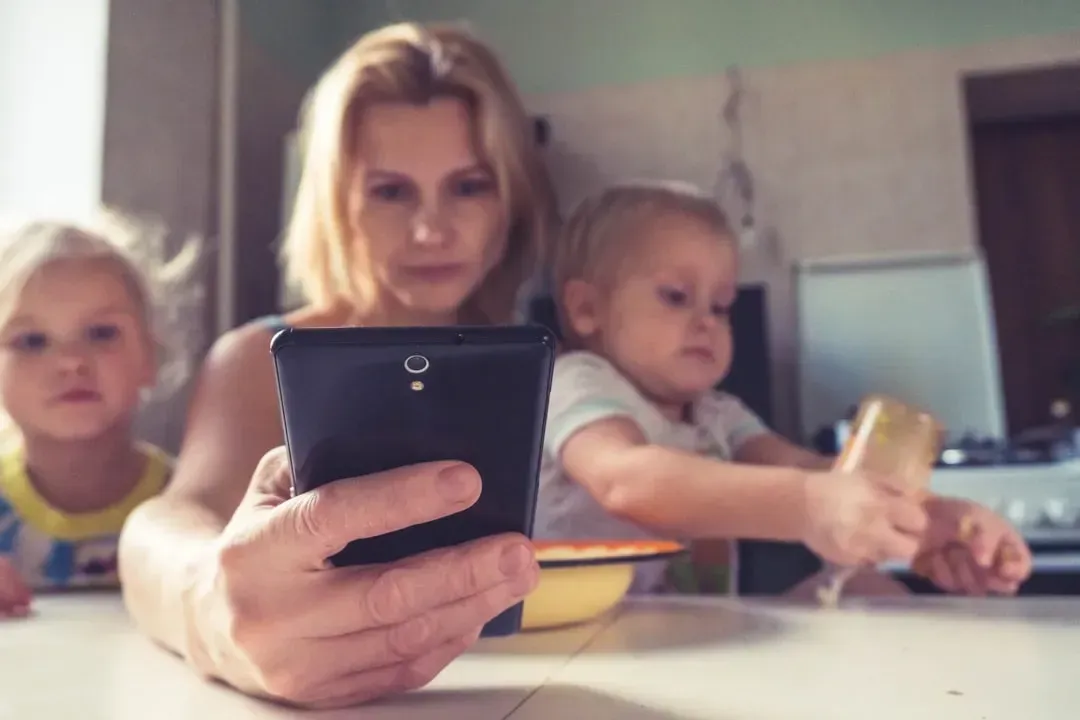
How You Handle a Phone at the Dinner Table (Image Credits: Unsplash)
Given that kids frequently imitate their parents’ behavior, the effects of parental screen time habits on kids are a crucial subject. Children may learn to spend too much time on screens if their parents do, which could result in them using screens excessively as well. It’s not an abstract concern. The modeling effect is direct and consistent.
Parents’ own screen time was found to be associated with children’s screen time, as children tended to imitate their parents’ screen-time use behaviors. A study of over 1,500 parents with children under 18 found the amount of time a parent watched television was a better indicator of children’s viewing time than rules about time limits or even whether the child had a television in the bedroom. Rules matter far less than what children actually see happening around them.
The Way You Respond When Something Goes Wrong
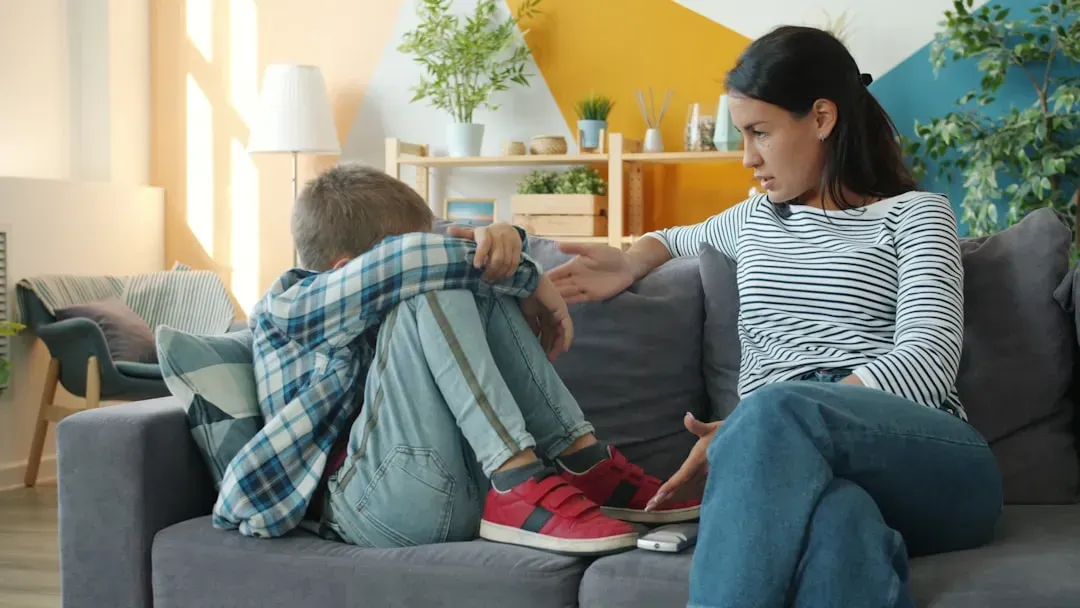
The Way You Respond When Something Goes Wrong (Image Credits: Unsplash)
Models of emotional socialization propose that individual differences in parental emotion regulation influence children’s emotionality, adjustment, and mental health. In other words, when a parent snaps under pressure, sighs heavily at a minor inconvenience, or goes quiet and cold after a disagreement, children are building a mental template for how emotions work.
Research shows that the use of both adaptive and maladaptive emotion regulation strategies have a longitudinal effect on children’s mental health problems, mediated by parenting stress. This isn’t about being perfect under pressure. It’s about the pattern children see repeatedly, because that pattern becomes their default.
Your Relationship With Food and Eating
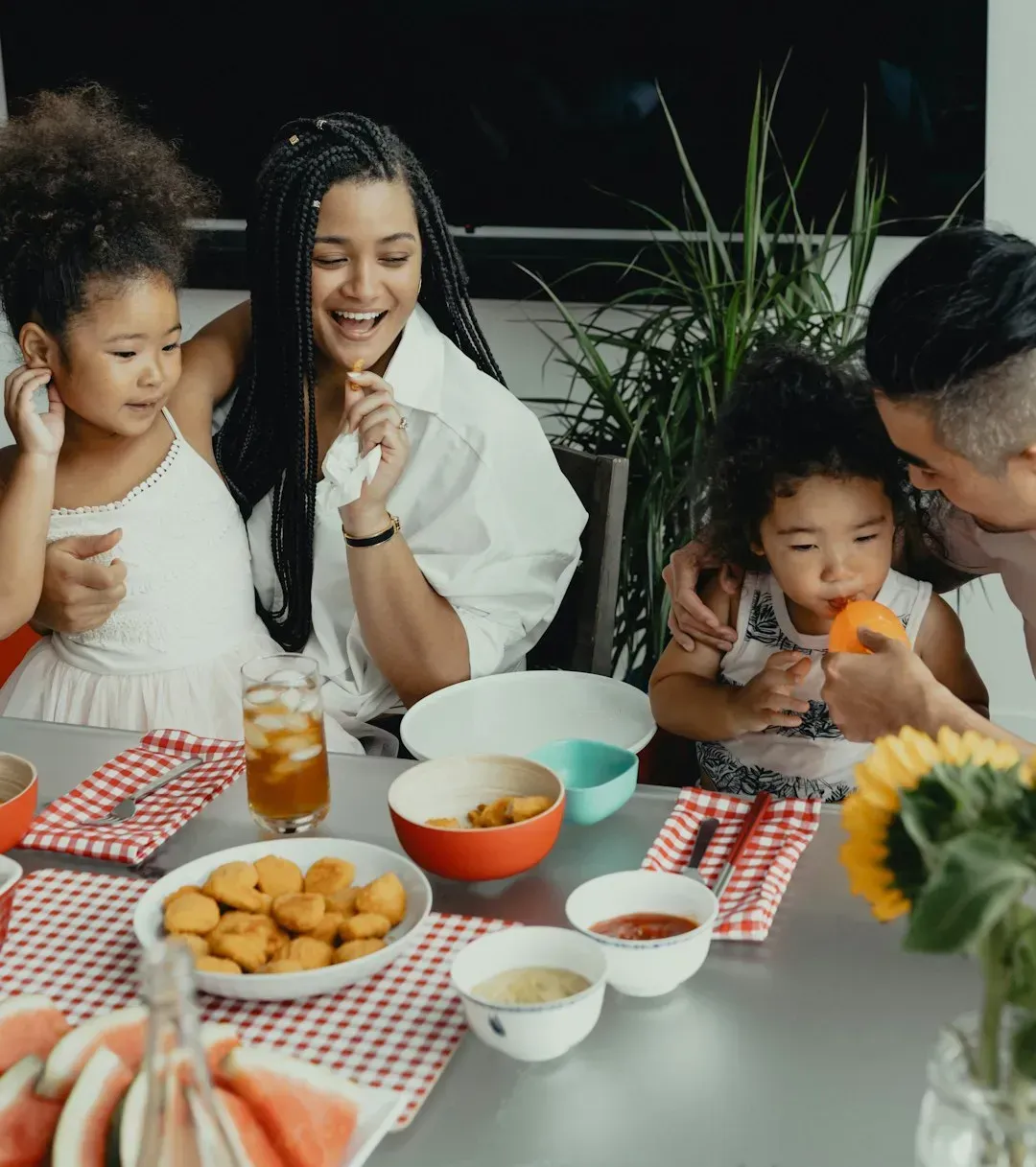
Your Relationship With Food and Eating (Image Credits: Unsplash)
Childhood obesity and being overweight are influenced by the family environment, diet, sleep, and mental health, with parents playing a key role in shaping behaviors through routines and practices. Healthy parental habits can encourage positive outcomes, while poor routines and stress often lead to unhealthy weight gain. What children observe at mealtimes, which foods adults choose, how much attention parents give to eating, and whether meals feel relaxed or fraught, shapes their relationship with food in ways that tend to persist.
Parents play a key role in shaping behaviors through routines and practices. A parent who skips breakfast, eats anxiously, or comments frequently on body weight is communicating something about food and self-worth, even without a single direct conversation on the topic. Children notice these rituals long before they can articulate what they’re absorbing.
How You Talk About Other People
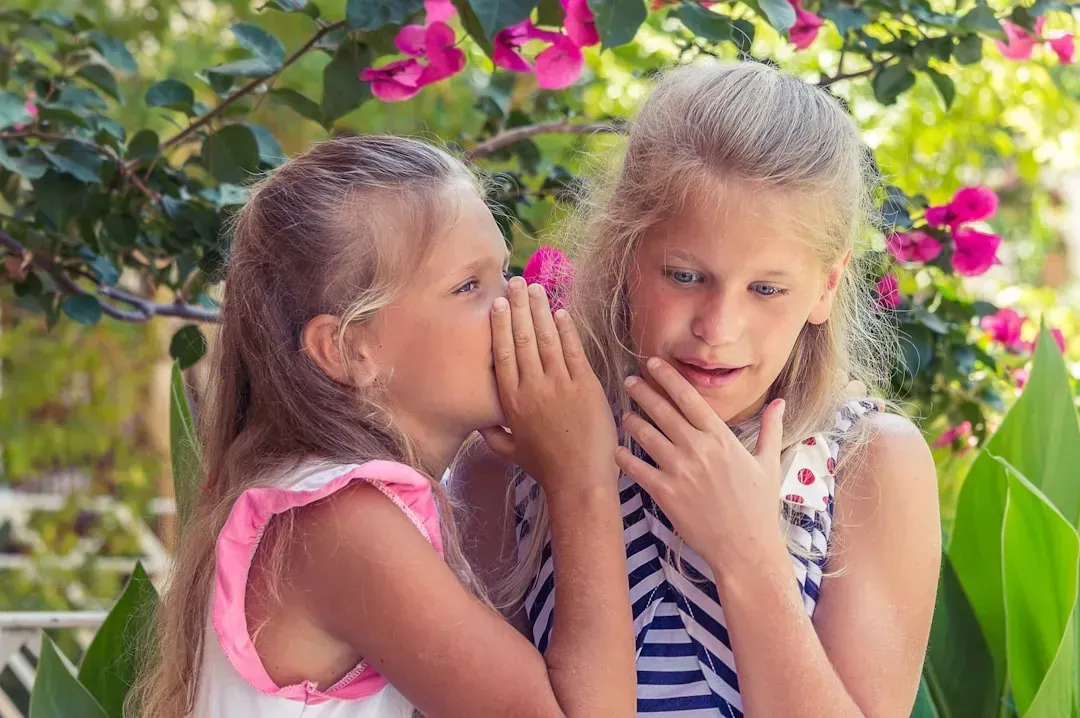
How You Talk About Other People (Image Credits: Unsplash)
Through observational learning, kids pick up actions and reactions by watching those around them, especially their parents. This type of learning plays a significant role in early childhood, shaping everything from emotional responses to social skills. This extends directly to gossip, judgment, and the way parents describe others. When a parent complains about a neighbor or dismisses a colleague, children are quietly cataloguing that as an acceptable social script.
Many behaviors and values are passed from one generation to the next through learned behavior, traits that are acquired by watching and imitating what their parents do. Empathy, prejudice, generosity, and cynicism can all be passed down this way, not through explicit teaching but through the casual commentary children overhear every day. It’s worth pausing before speaking, even when you think no one small is nearby.
Your Attitude Toward Physical Activity

Your Attitude Toward Physical Activity (Image Credits: Stocksnap)
Research has analyzed the impact of parental behaviors on children’s lifestyles and habits across different age groups, with studies focusing on physical activity, sleep, screen time, nutrition, and mental health. Physical activity is one of the most directly mirrored behaviors. Parents who move regularly, walk rather than drive short distances, or treat exercise as a normal part of the week tend to raise children who do the same.
The reverse is also consistently documented. Healthy parental habits can encourage positive outcomes, while poor routines and stress often lead to unhealthy outcomes. A sedentary lifestyle isn’t just about individual choices; it becomes a shared household norm that children grow up inside and often carry forward without questioning it.
How You Handle Conflict With Another Adult
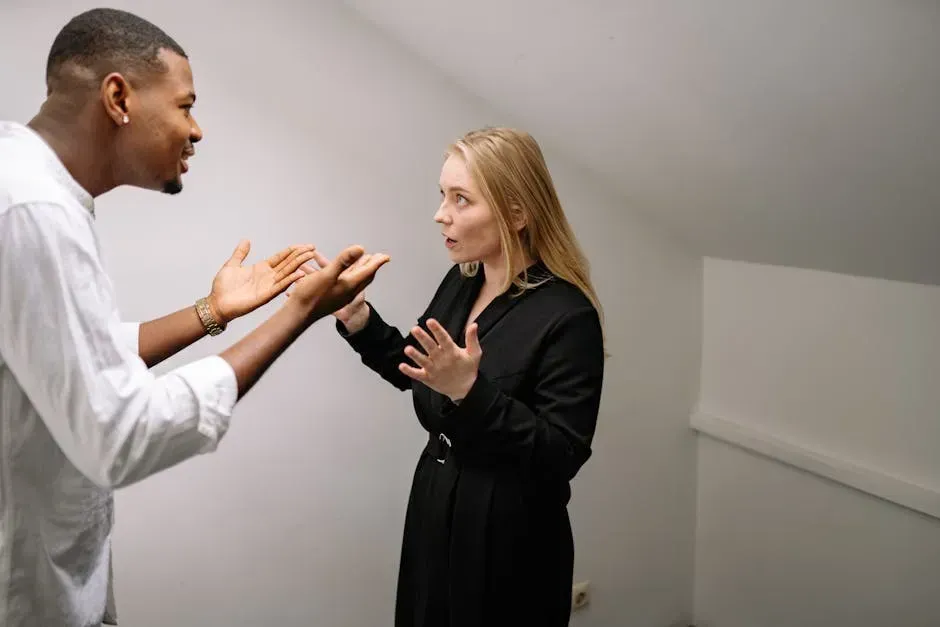
How You Handle Conflict With Another Adult (Image Credits: Pexels)
Observational learning is an essential aspect of social and cognitive development in children. It allows them to learn socially acceptable behaviors, understand consequences, and build their problem-solving skills by observing the actions and outcomes experienced by others. Few situations teach as much, or as fast, as watching two adults disagree. The tone, the body language, whether someone walks away or listens, whether an apology follows, all of it is being filed away.
By consistently modeling positive behavior, parents create an environment where prosocial behaviors become second nature to their children. Children who regularly see adults resolve disagreements calmly, apologize genuinely, and return to warmth after friction tend to carry those skills into their own friendships and relationships. The reverse, watching chronic avoidance or hostility, teaches that too.
The Way You Speak About Yourself
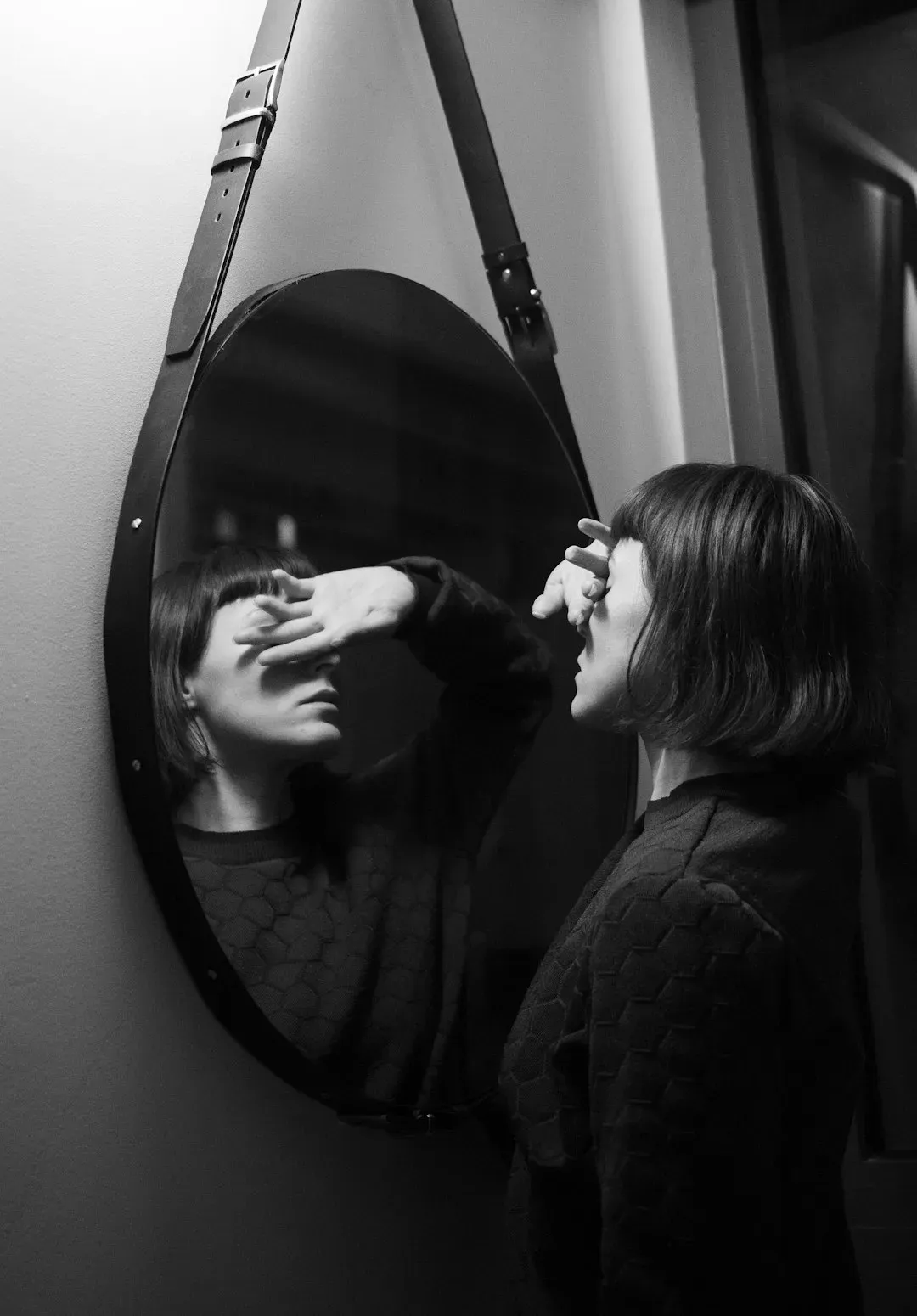
The Way You Speak About Yourself (Image Credits: Unsplash)
Most of us have an idea of how we should treat other people, but our kids are always watching how you treat yourself. When your children watch you, they learn about self-respect and how people should treat them just by observing your behavior. Self-deprecating comments said casually in front of a mirror, complaints about intelligence or ability, or dismissing one’s own feelings as unimportant, these moments register quietly but clearly.
Practicing healthy boundaries, demonstrating self-care, and extending compassion toward yourself will empower your kids to also build emotional intelligence and know how to treat themselves correctly. Children tend to inherit not just behaviors but the internal narratives that drive them. A parent who speaks kindly about themselves, takes rest without guilt, and sets limits without apology demonstrates something that no curriculum can fully teach.
The research is consistent on one thing: children are remarkable observers, especially of the people they depend on most. The habits that slip through unannounced, at the dinner table, in traffic, in the mirror, add up to a quiet but lasting education. Awareness doesn’t require perfection. It just requires a little more honesty about what’s actually being modeled.