
Walk into most grocery stores and the meat case tells a simple story: filet mignon sits at the top, wrapped in a hefty price tag that dares you to buy it. Yet talk to the people who actually break down carcasses for a living, and a different picture emerges. Many butchers and working chefs will tell you, often with a knowing grin, that some of the cow's lesser-known muscles rival or even beat the tenderloin in the tenderness department, and they cost a fraction of the price.
That's not a marketing gimmick. It comes down to anatomy, marbling, and a bit of old-school butcher knowledge that's only recently made its way into home kitchens. Here are seven cuts worth asking your butcher about the next time you're tempted to splurge on filet.
Flat Iron Steak
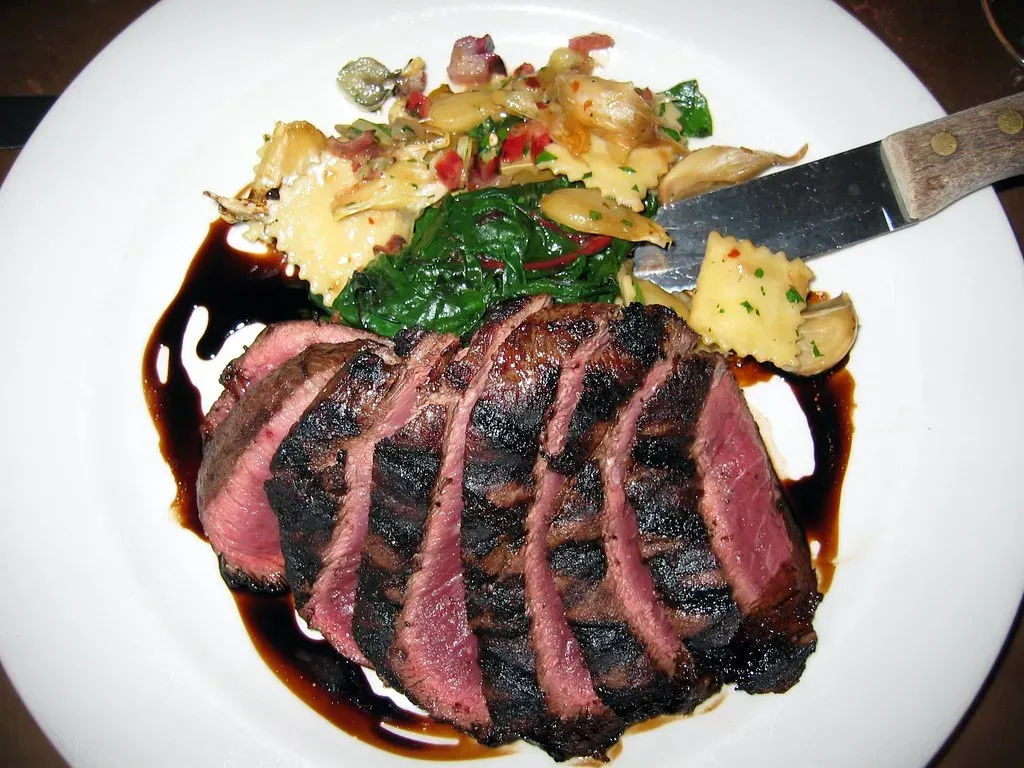
Flat Iron Steak (rhosoi, Flickr, <a href="https://creativecommons.org/licenses/by/2.0/" target="_blank" rel="noopener">CC BY 2.0</a>)
The flat iron comes from the top blade muscle in the shoulder, an area that used to be written off as too tough to bother with because of the thick band of connective tissue running through it. Once butchers figured out how to trim that sinew away, what was left turned out to be shockingly soft. The flat iron steak comes from the cow's chuck primal, a part that's usually known for tougher cuts, but it's the second most tender cut on the cow, right after the tenderloin.
What makes it stand out from filet isn't just texture, it's the marbling. The flat iron is cut from the inside of the shoulder, with a layer of protective gristle around it, making it actually one of the most tender steaks you can find, and it's even comparable to a filet mignon in texture, yet its average cost can be almost half of a filet mignon in grocery stores. That combination of fat and softness gives it a juicier bite than the leaner tenderloin, which is why some cooks argue it edges out filet on flavor alone.
Shoulder Petite Tender (Teres Major)
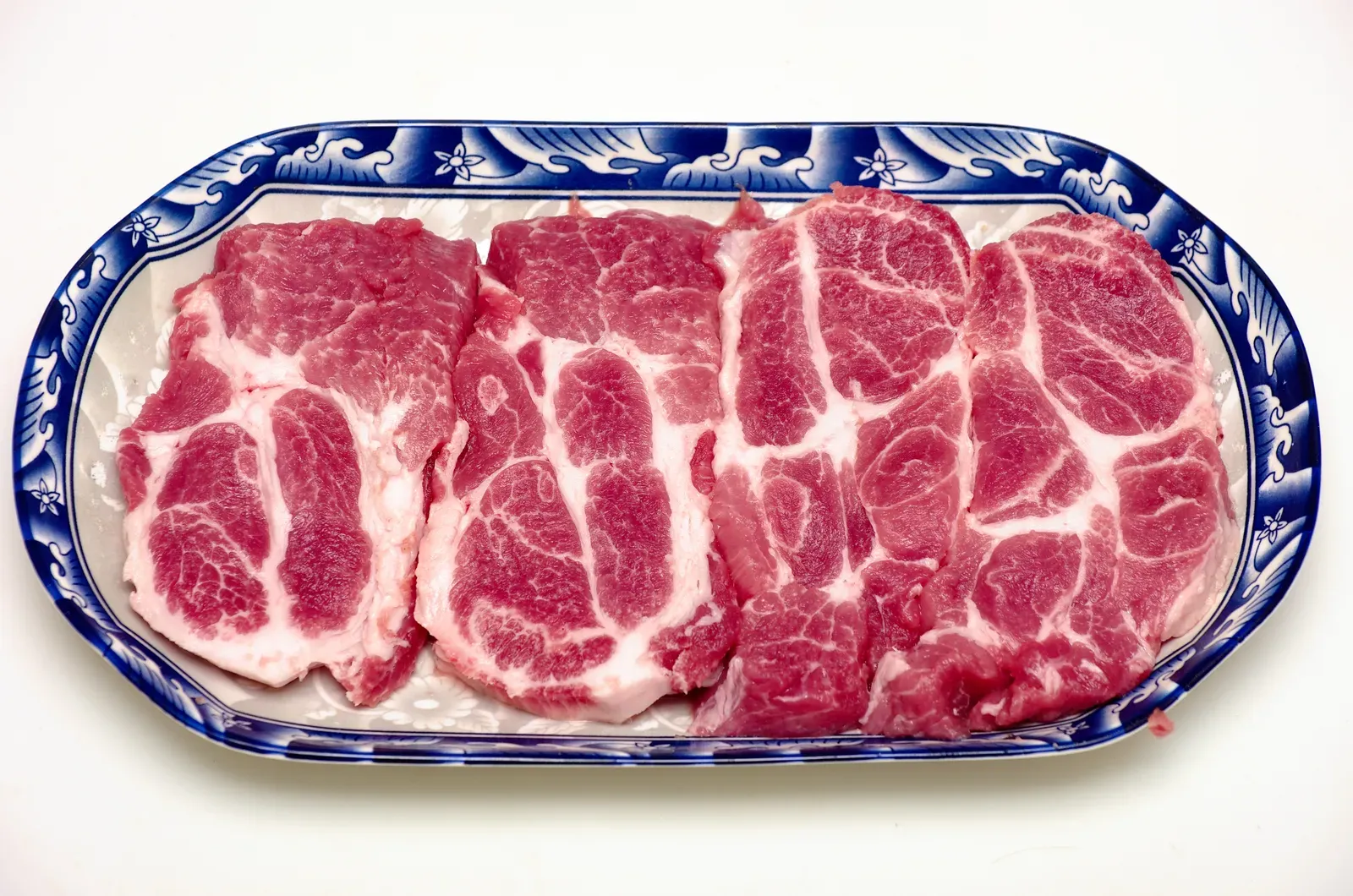
Shoulder Petite Tender (Teres Major) (By Pannet, <a href="https://commons.wikimedia.org/w/index.php?curid=136161826" target="_blank" rel="noopener">CC BY-SA 4.0</a>)
This one flies under the radar because there are only a couple of them on each animal, and they're genuinely hard to remove cleanly. The shoulder petite tender is often compared to filet mignon or tenderloin steak, largely because it's very tender, perhaps the next most tender cut after those two better-known options. It comes from a muscle called the teres major, which barely gets used during the animal's life.
The teres major is a muscle that cows rarely use, and as a general rule, the more a muscle is worked, the tougher it becomes, so while cuts from the shoulder area are usually much tougher, the petite tender is an exception. Price-wise, it's one of the better deals in the case. It can be as cheap as $14 per pound, basically half the price or less of filet mignon.
Hanger Steak
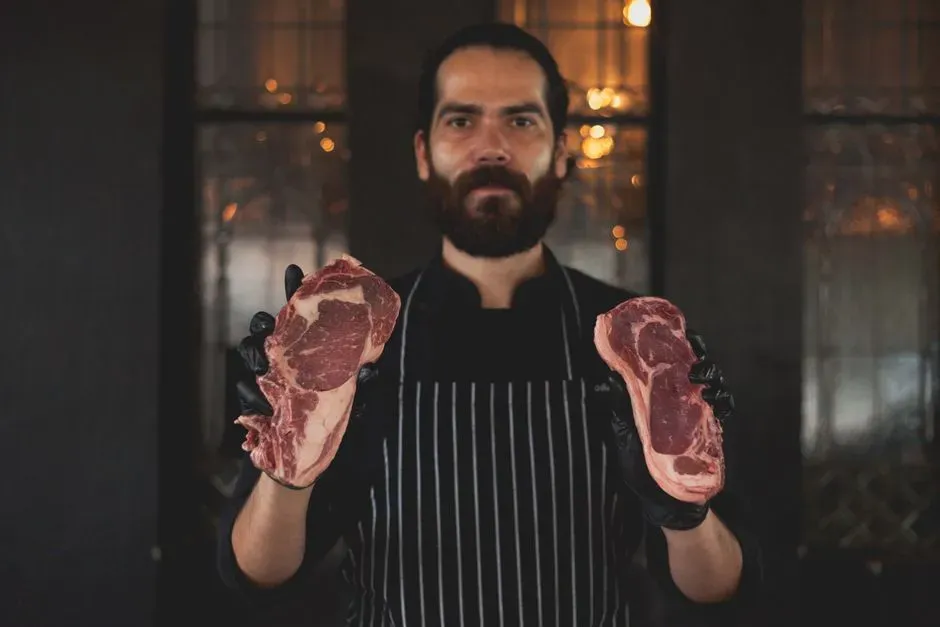
Hanger Steak (Image Credits: Pexels)
Old-timers used to call this the butcher's secret for a reason: there's only one per cow, and for years the people cutting the meat just kept it for themselves instead of putting it out for sale. The hanging tender rivals tenderloin for tenderness but has a bolder, beefier taste similar to ribeye. It hangs off the diaphragm between the rib and the loin, doing essentially no work, which is exactly why it stays so soft.
The catch is a tough membrane running down the center that has to be trimmed before cooking, but once that's gone, you're left with something special. For the price, hanger steak is one of the most tender, flavorful steaks you can buy. Just don't overcook it. You're looking for a nice medium, since the hanger is a bit tricky, too rare and it will be a bit slimy, too cooked and it will lose its tenderness.
Bistro Steak
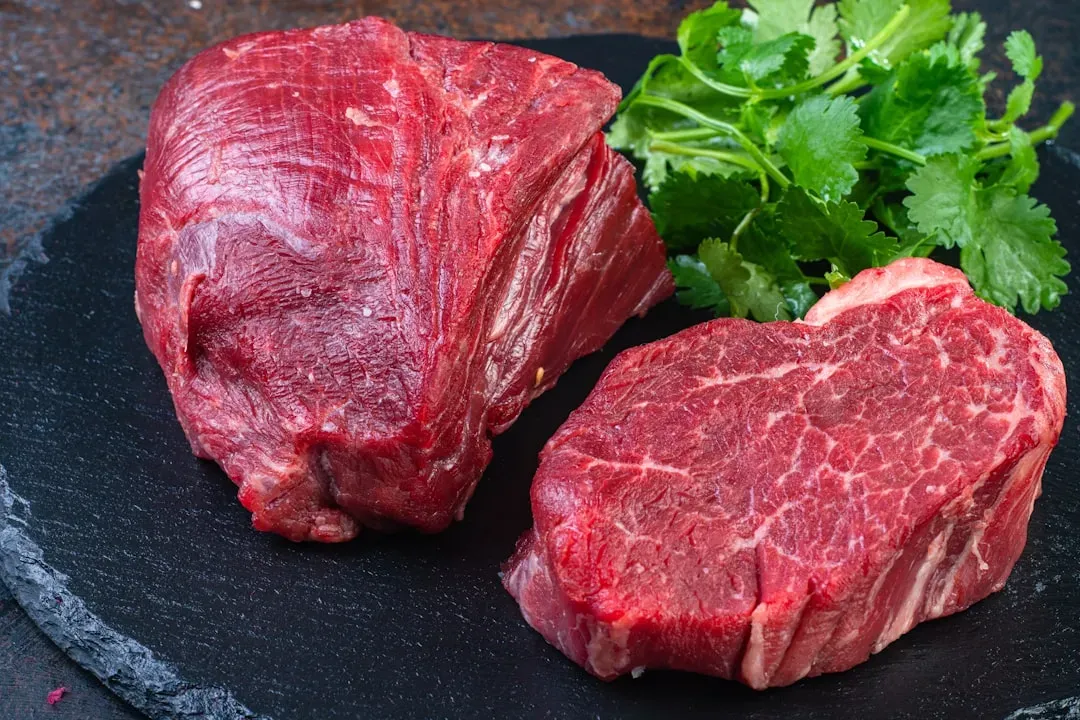
Bistro Steak (Image Credits: Unsplash)
Bistro steak also comes out of the chuck, and it's rare enough that most grocery stores don't bother stocking it. Bistro steak comes from the chuck primal of the cow and is found in the shoulder section, and because it takes real skill to remove, you're unlikely to find it sitting in your grocery store refrigerator, so you may need to request it especially from your butcher. That extra effort tends to pay off at the table.
What sets it apart from a straight filet comparison is the balance it strikes. Though tender like filet mignon, bistro steak has a more beefy flavor, making it a great cut if you're looking for something with a bit more punch, and while it won't be quite as buttery as a filet, it offers a great balance of texture and taste, especially cooked medium-rare. For home cooks who find filet a little one-note, this cut often wins the rematch.
Picanha
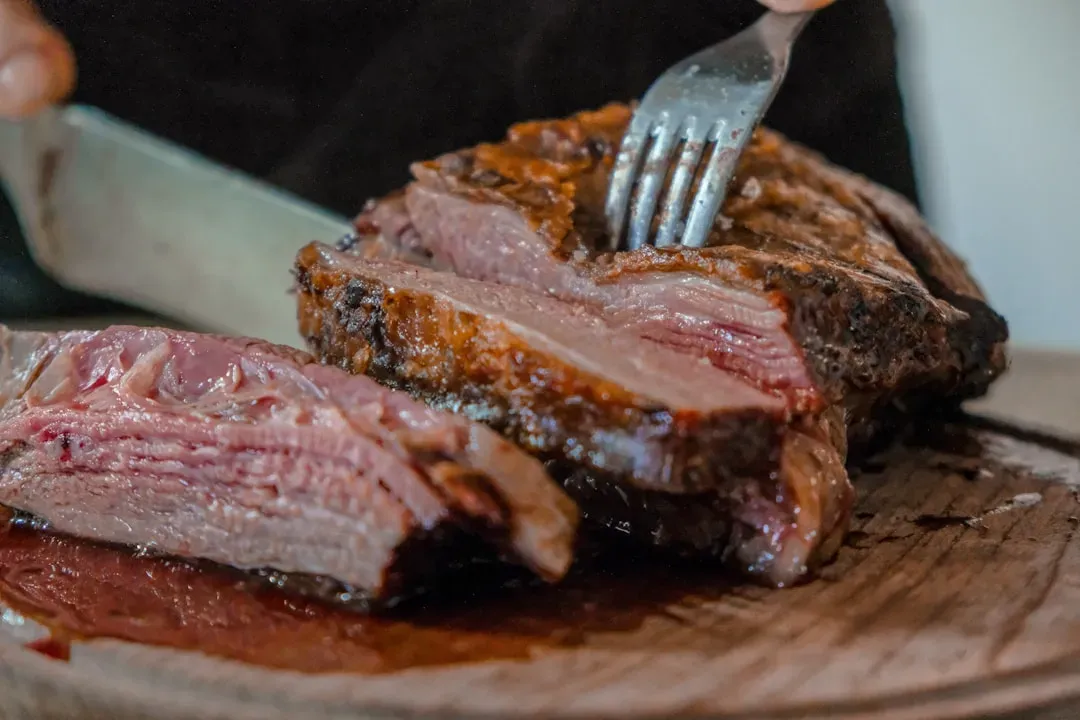
Picanha (Image Credits: Unsplash)
Picanha has been a staple of Brazilian barbecue for generations, but it's only recently started showing up regularly at American butcher counters. It sits at the top of the rump, an area that, unlike most rump cuts, doesn't do a ton of heavy lifting on the animal. The picanha is found at the top of the rump, which means it doesn't do as much work as some of the tougher cuts, making it a great option if you're looking for a balance between texture and flavor.
The real trick to picanha's tenderness is the thick cap of fat left on top during cooking. What sets it apart is the thick layer of fat on top, which gives the meat its tenderness and rich flavor, and unlike other cuts that can be lean or tough, picanha is juicy and full of character, making it a favorite for grilling. That fat renders slowly and bastes the meat as it cooks, something a lean filet simply can't replicate on its own.
Ribeye Cap (Spinalis Dorsi)
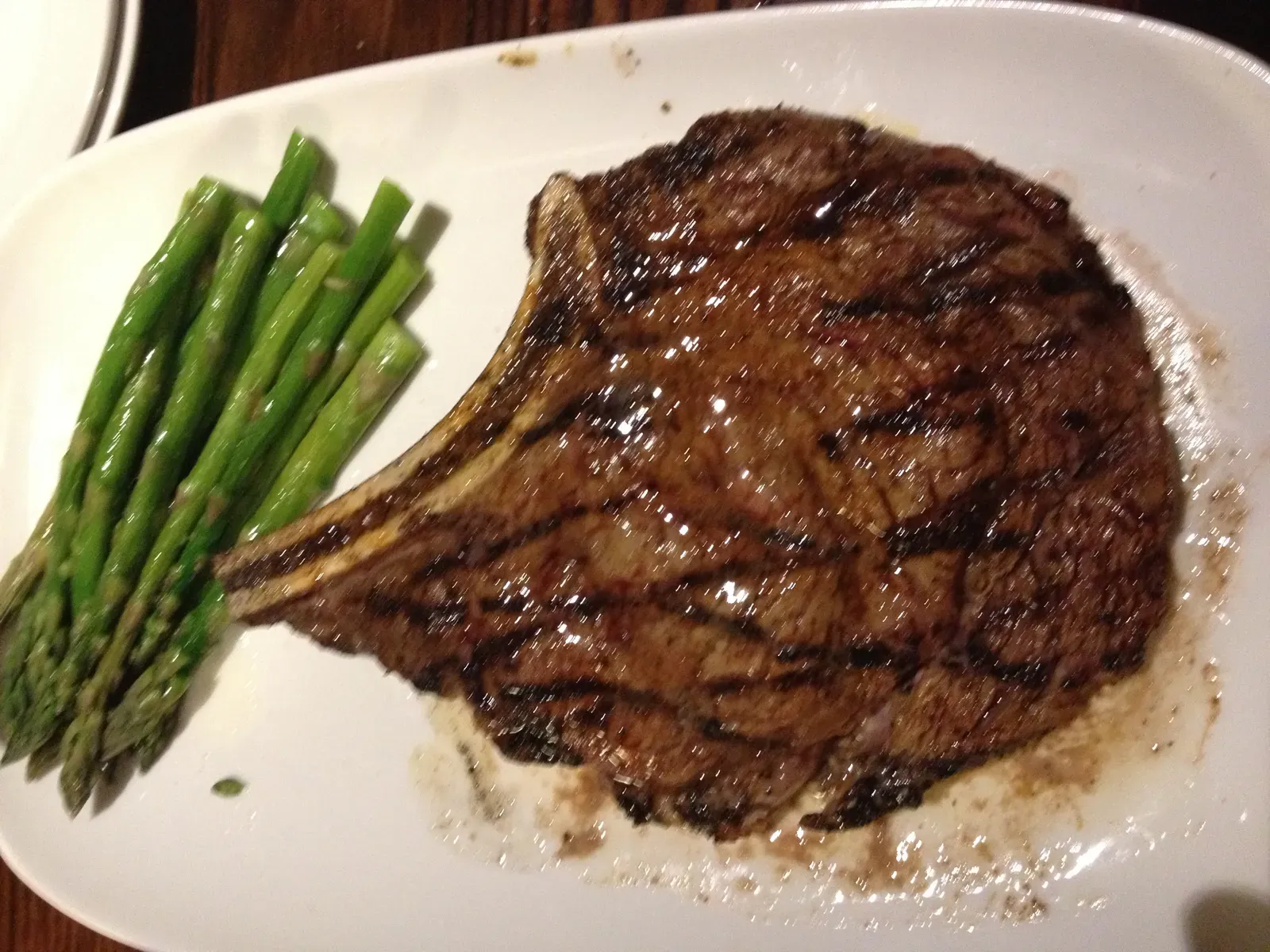
Ribeye Cap (Spinalis Dorsi) (By danielhallpresentsdotcom, <a href="https://commons.wikimedia.org/w/index.php?curid=29871586" target="_blank" rel="noopener">CC BY 3.0</a>)
Most people don't realize that a ribeye is actually made up of several separate muscles, and one of them, tucked along the outer edge, is in a league of its own. The ribeye is actually made up of several muscles, and the most prized is the ribeye cap, the spinalis dorsi, a crescent-shaped section along the outside edge that many consider the single most flavorful piece of beef on the entire animal. Butchers who know their carcasses will sometimes set this piece aside rather than sell it with the rest of the ribeye.
Its texture comes from a mix of fine grain and heavy marbling, giving it a softness that some steak fans rank right up with the tenderloin, minus the higher price. In order of tenderness, it's generally ranked filet mignon, flat iron, ribeye cap, New York strip, and then ribeye, though flavor preferences vary and many steak lovers prefer the richer taste of ribeye despite the filet being technically more tender. Ask your butcher to carve it out separately if you want to try it on its own rather than buried inside a whole ribeye.
Bavette (Flap Steak)
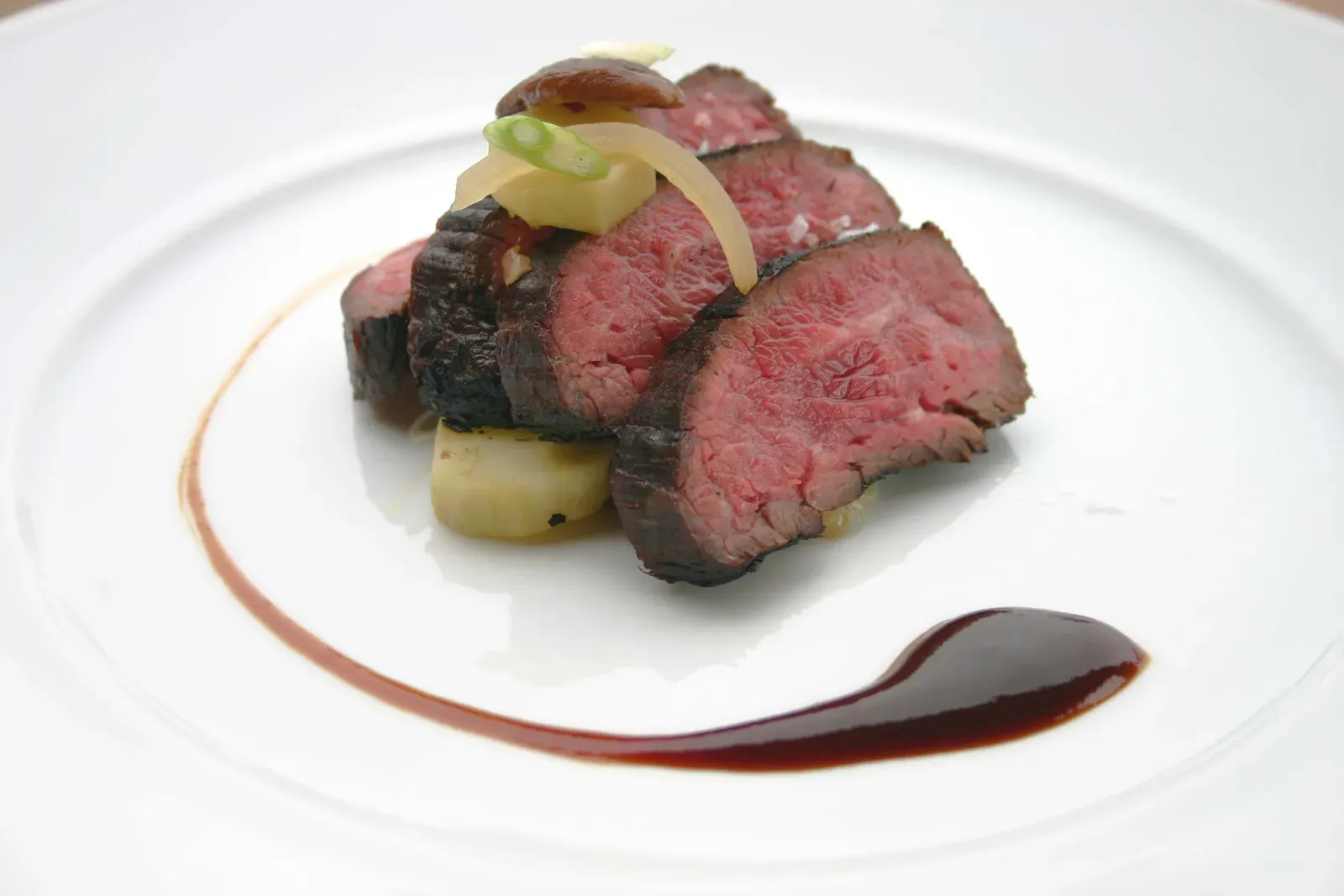
Bavette (Flap Steak) (Flank Steak-Broccoli Stems, <a href="https://commons.wikimedia.org/w/index.php?curid=35595529" target="_blank" rel="noopener">CC BY 2.0</a>)
Bavette, often labeled flap steak in American stores, comes from the bottom sirloin and has quietly become a favorite among chefs who cook family meals rather than tasting-menu plates. Chef Matt Abdoo has pointed out that muscles like hanger, flap, and well-trimmed chuck steaks often deliver more flavor than the usual filet or ribeye order, as long as they're handled correctly. Everyone goes straight for the filet or the ribeye, but muscles like hanger steak, flap steak, or even a well-trimmed chuck steak offer far more flavor if you cook them correctly.
The key with bavette is technique rather than luck. It has long muscle fibers running in one clear direction, so slicing thin and against the grain after cooking is what turns it from chewy to tender. French bistros have leaned on this cut for classic steak frites for decades, proof that tenderness on the plate is sometimes less about the raw cut and more about how it ends up on your fork.