
Every restaurant has a rhythm, and the last hour before close is unlike any other part of the shift. The dining room thins out, the ticket printer goes quiet, and the kitchen shifts into a different gear entirely. It’s not really about cooking anymore. It’s about survival, habit, and a handful of small rituals that line cooks rarely talk about outside their own crews.
What happens in those final minutes says a lot about how a kitchen actually runs, far more than any menu description or dining room review ever could. Here are eight things line cooks quietly do before the doors lock for the night.
1. They start "cooking down" the walk-in before anyone official says so
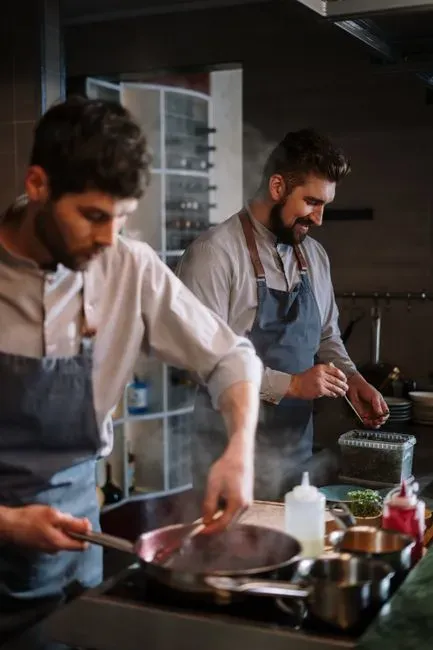
1. They start "cooking down" the walk-in before anyone official says so (Image Credits: Pexels)
Long before management calls last call, cooks are already eyeing the walk-in cooler and doing quiet math. Proteins portioned for a rush that never fully came, sauces reduced too far ahead, garnishes cut for a Friday crowd that thinned out early. Line cooks develop an instinct for spoilage timelines, and they start using up perishable items in family meal or staff specials rather than let them die in a container overnight.
This isn't laziness or corner cutting. It's basic food cost awareness that most kitchens actually encourage, since waste eats into thin margins fast. A cook who quietly turns leftover fish into a staff taco is often saving the restaurant money without ever mentioning it to a manager.
2. They break down their station in a very specific order
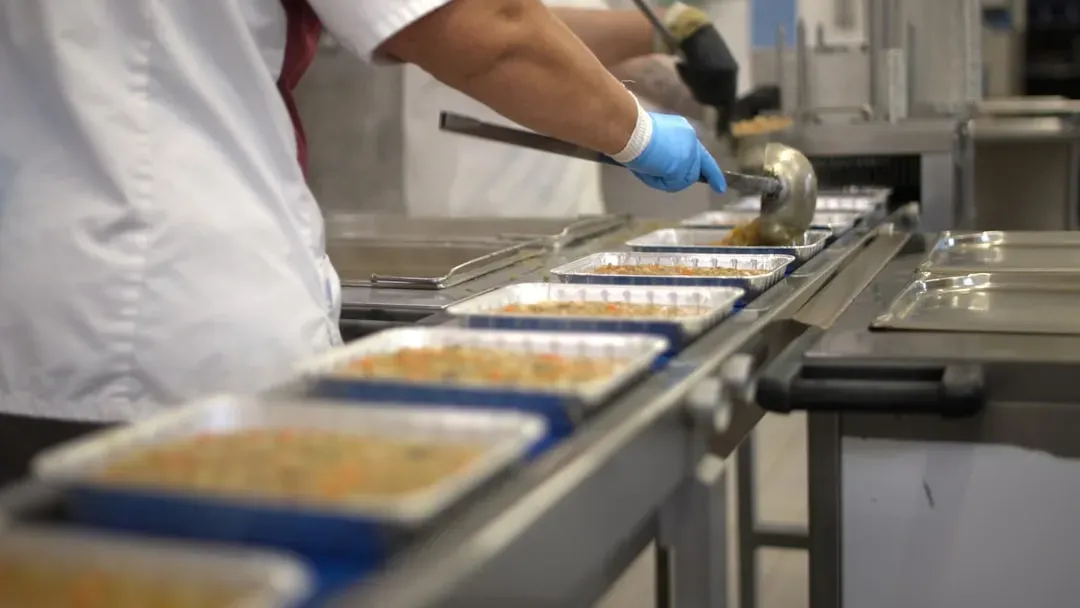
2. They break down their station in a very specific order (Image Credits: Unsplash)
Breaking down a line station isn't random. Most cooks follow an unspoken hierarchy: raw proteins first, since they carry the highest risk, then dairy and produce, then dry goods and equipment last. This mirrors basic food safety logic taught in every ServSafe-style certification course, where cross contamination risk drives the order of cleaning and storage.
Skipping steps or doing them out of order isn't just sloppy, it can actually create food safety problems for the next shift. Veteran cooks tend to move through this breakdown almost on autopilot, which is exactly the point. The system works because it's repeated the same way, night after night, without much conscious thought.
3. They taste-test everything one last time, off the clock
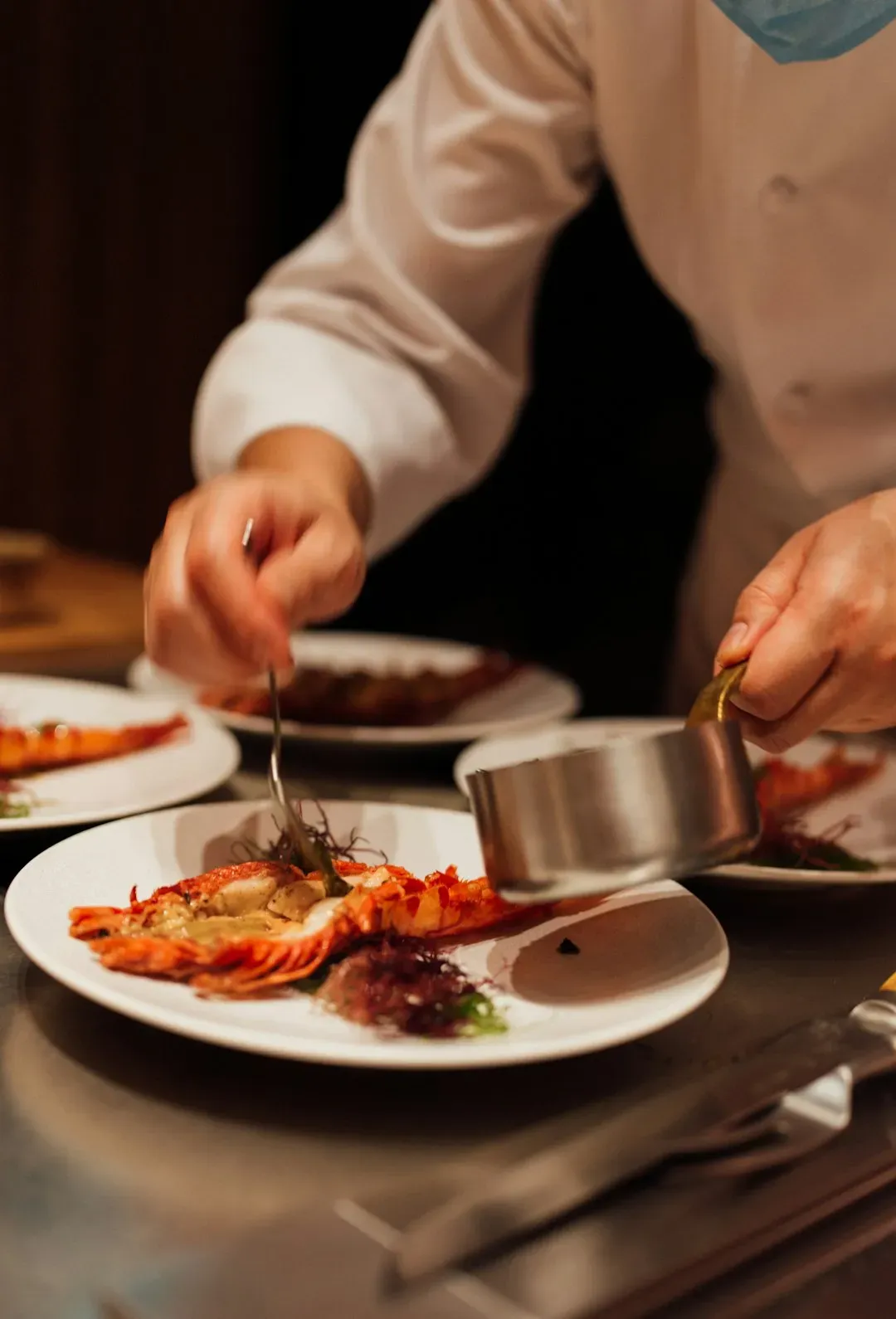
3. They taste-test everything one last time, off the clock (Image Credits: Unsplash)
Right before close, plenty of cooks do a final walk of the pass, tasting leftover sauces, checking seasoning on anything that will carry over to prep the next day. It's less about quality control in an official sense and more personal pride. Nobody wants to open tomorrow with a broken hollandaise or an over-salted stock sitting in the walk-in.
This habit also doubles as informal feedback. If a sauce tasted flat during dinner service, the last-shift taste test is often when a cook mentally notes to adjust the recipe or bring it up during prep meeting. It rarely gets written down. It just gets remembered.
4. They squirrel away scraps for staff meal or their own dinner
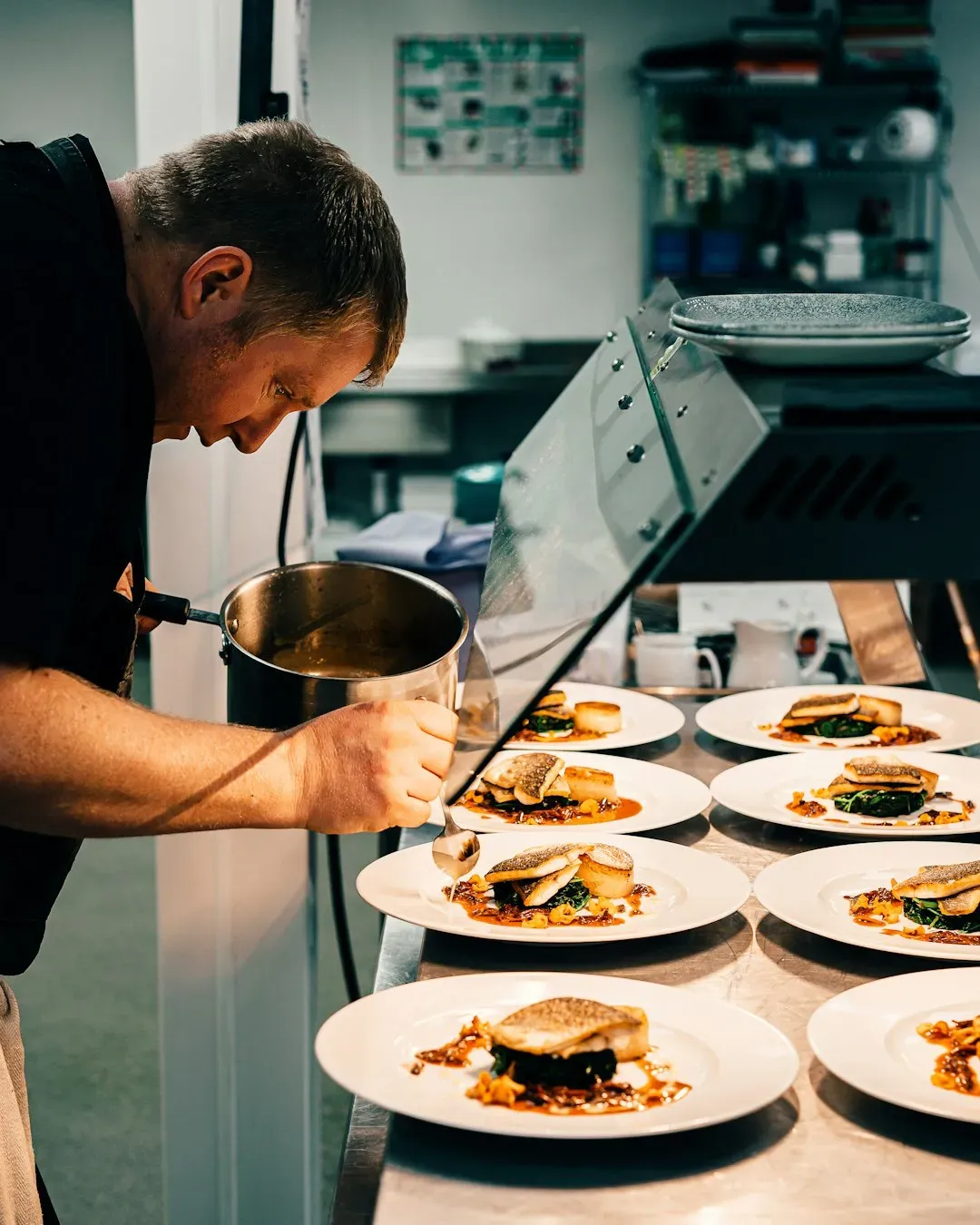
4. They squirrel away scraps for staff meal or their own dinner (Image Credits: Unsplash)
Staff meal culture varies wildly by restaurant, and in places without a formal family meal program, cooks often quietly set aside odd cuts, bread ends, or vegetable trim for themselves. This has been a long standing informal practice in professional kitchens, tied closely to the reality that many line cooks work through dinner service without eating a proper meal themselves. Industry surveys on restaurant labor consistently point to long, physically demanding shifts with limited built-in breaks, which makes end-of-shift food grabbing less about theft and more about basic self-preservation.
Some restaurants have formalized this into actual staff meal policies, partly to reduce food waste and partly to improve retention in a notoriously high-turnover industry. Where no formal policy exists, though, the practice continues quietly, station by station, as it always has.
5. They run a mental inventory before writing anything down
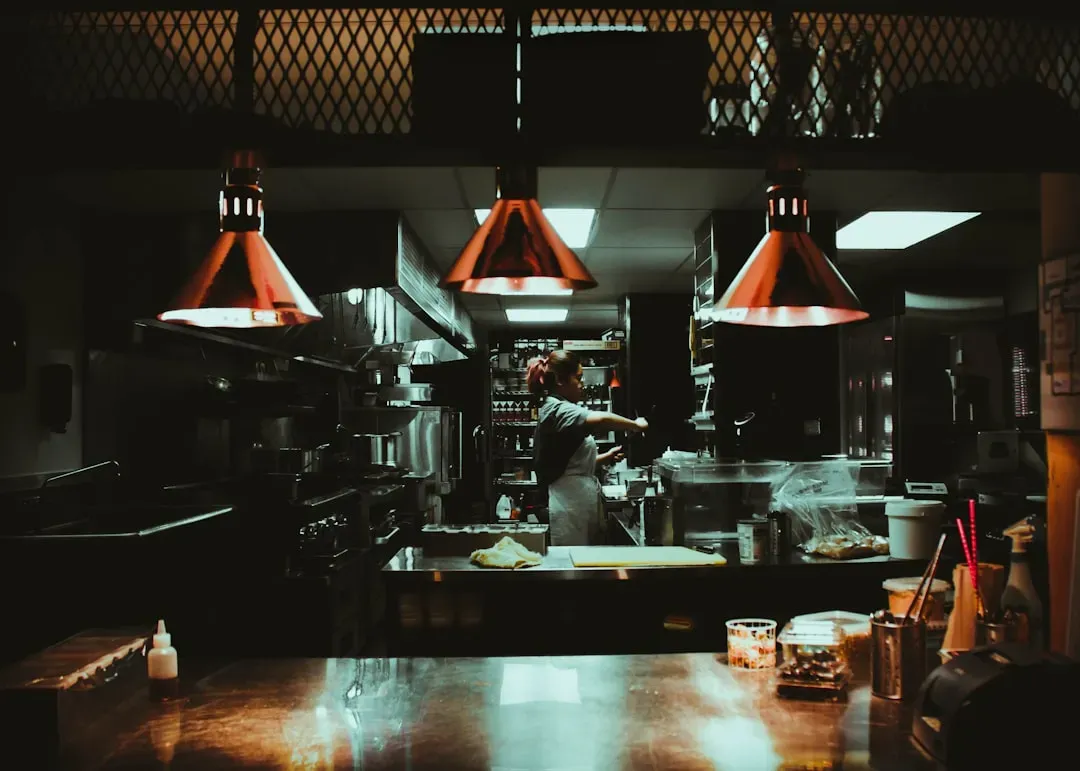
5. They run a mental inventory before writing anything down (Image Credits: Unsplash)
Before touching an actual order sheet or prep list, most experienced line cooks walk their station and build a mental picture first. What's low, what got 86'd early, what needs a bigger order because of an upcoming weekend rush. This mental pass happens fast, almost instinctively, built from months or years of pattern recognition on that specific line.
Only after that internal inventory does the formal paperwork happen, whether that's a written prep list, a digital inventory app, or a text to the sous chef. Restaurants increasingly rely on inventory management software to track food cost and waste, but the initial read still happens in a cook's head, not on a screen.
6. They wipe down and re-season cast iron and carbon steel by hand
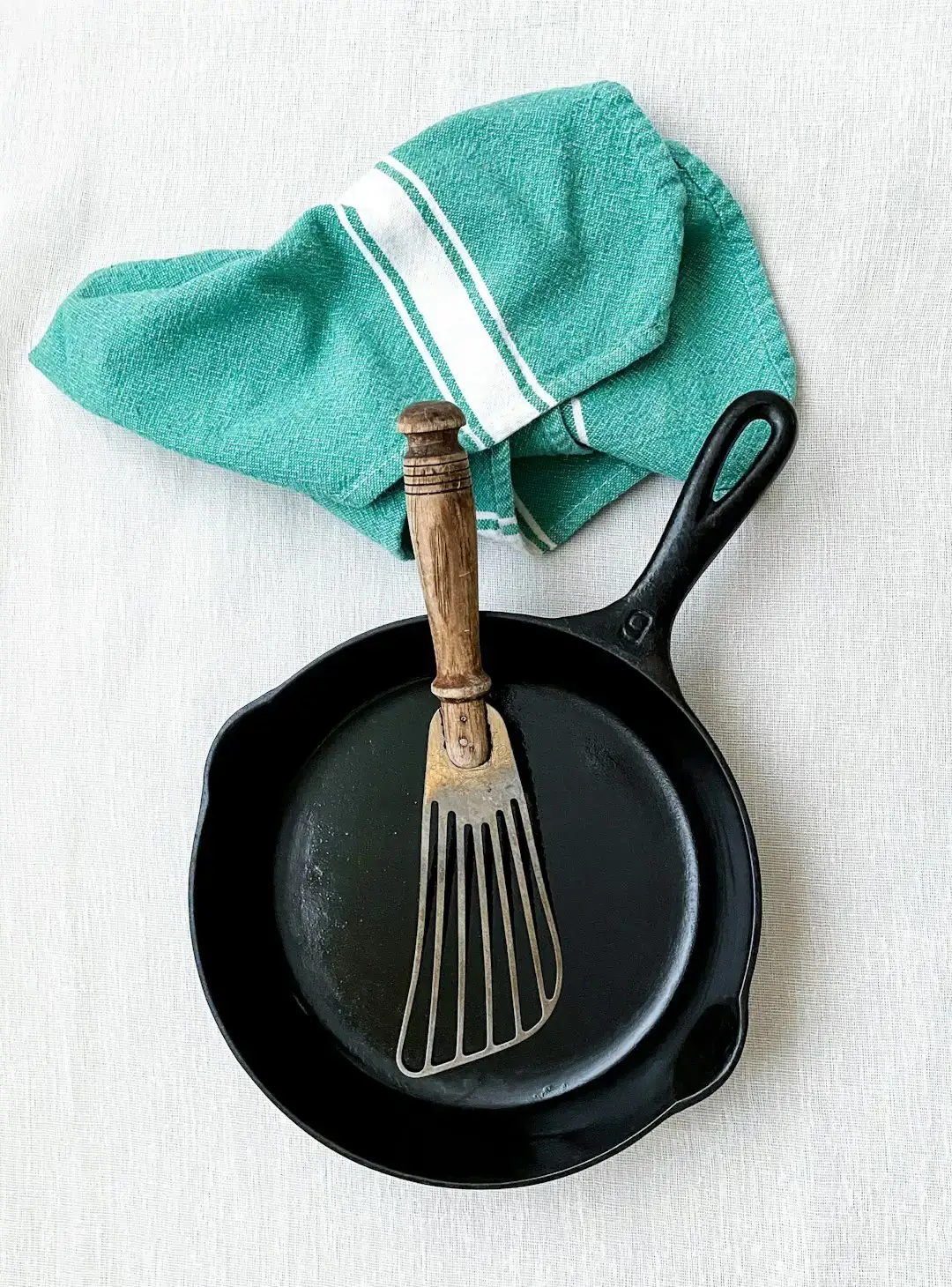
6. They wipe down and re-season cast iron and carbon steel by hand (Image Credits: Unsplash)
Certain pieces of equipment don't get the same treatment as everything else during closing cleanup. Cast iron pans and carbon steel woks require hand washing and a light oil coating rather than a trip through the dish machine, since harsh detergents and high heat can strip their seasoning. Cooks who care about their gear treat this almost like a small ritual, wiping the surface clean, applying a thin layer of oil, and setting it aside to dry properly.
This isn't just about pan longevity, though that matters too. A well-seasoned pan cooks more evenly and releases food better, which directly affects plate quality the next service. Skipping this step even once can mean rust spots or sticking issues that create extra work down the line.
7. They double-check the walk-in door and equipment shutdowns themselves
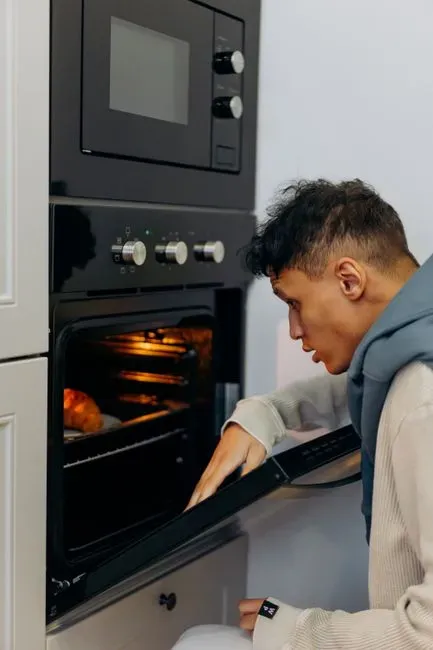
7. They double-check the walk-in door and equipment shutdowns themselves (Image Credits: Pexels)
Even in kitchens with dedicated closing checklists, many line cooks do a personal second pass on critical equipment before leaving. Walk-in cooler doors that don't seal properly, fryers left on a low simmer setting, gas lines not fully shut off. These aren't hypothetical worries. Improperly stored equipment and appliance related incidents remain a recognized safety concern across the food service industry, which is why fire prevention guidance for commercial kitchens consistently emphasizes end of shift equipment checks.
This habit often comes from experience, sometimes a bad one. A cook who's shown up to a spoiled walk-in or a kitchen fire scare tends to become the person obsessively checking door seals and pilot lights, even on nights when it technically isn't their job.
8. They decompress together for a few minutes before actually leaving
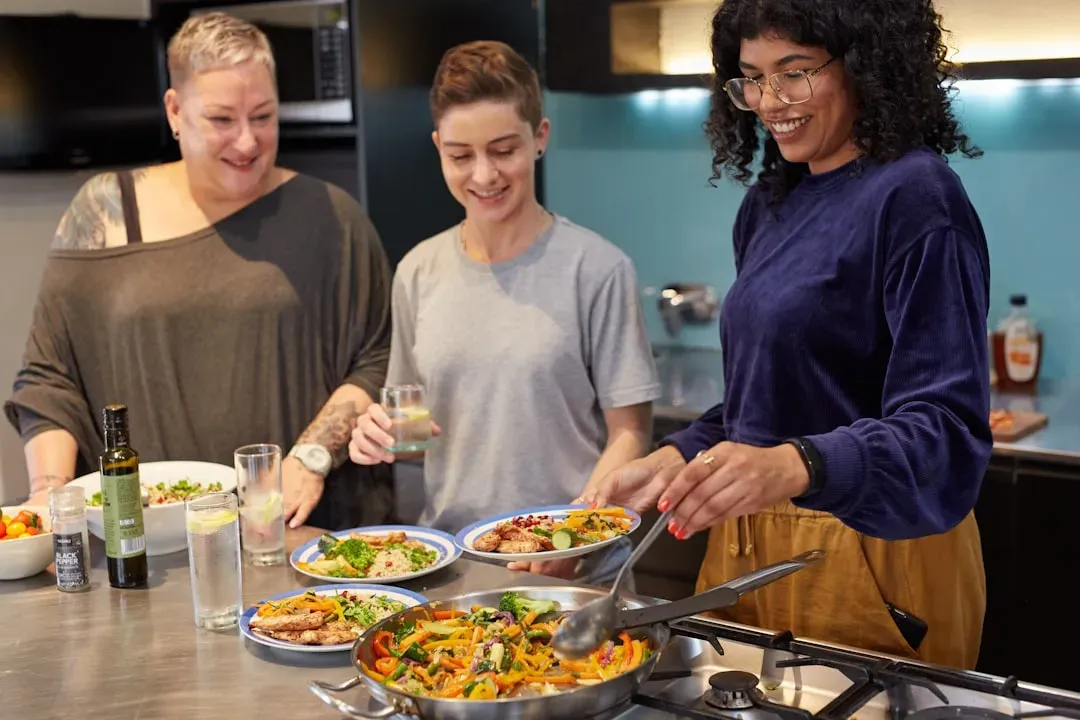
8. They decompress together for a few minutes before actually leaving (Image Credits: Unsplash)
The last thing many line cooks do isn't cooking related at all. It's a short, unofficial wind-down with whoever else is still around, sometimes over a shared plate of family meal, sometimes just standing near the back door for a few minutes. Restaurant kitchens are high-pressure, high-heat environments, and this brief pause functions as a kind of informal pressure release after hours of controlled chaos.
Workplace research on high-stress service industries has increasingly acknowledged the toll of these environments on both physical and mental health, which has pushed some restaurant groups toward more structured post-shift support in recent years. Most kitchens still don't have anything formal in place, though. So this quiet, unscheduled few minutes at the end of the night remains one of the few consistent ways cooks process a shift before heading home.
None of these habits show up on a job description, and most diners will never know they exist. Yet together they explain a lot about how professional kitchens actually function once the last plate goes out, built less on formal policy and more on quiet, repeated habit passed down from one line cook to the next.