
Setting up a baby’s room is one of those tasks that feels purely exciting until reality kicks in. You spend weeks scrolling through photos, curating a color palette, and ordering furniture, only to discover a few months later that the gorgeous setup you built doesn’t actually work at two in the morning when you’re exhausted and holding a crying newborn.
The honest truth is that most nursery regrets have nothing to do with how the room looks. Looking back, most parents realize the nursery mistakes they regret later were about layout, furniture spacing, and storage flow, not about style or theme. If any of the following mistakes sounds familiar, you’re far from alone.
1. Buying Furniture Before Planning the Layout
1. Buying Furniture Before Planning the Layout (Image Credits: Pexels)
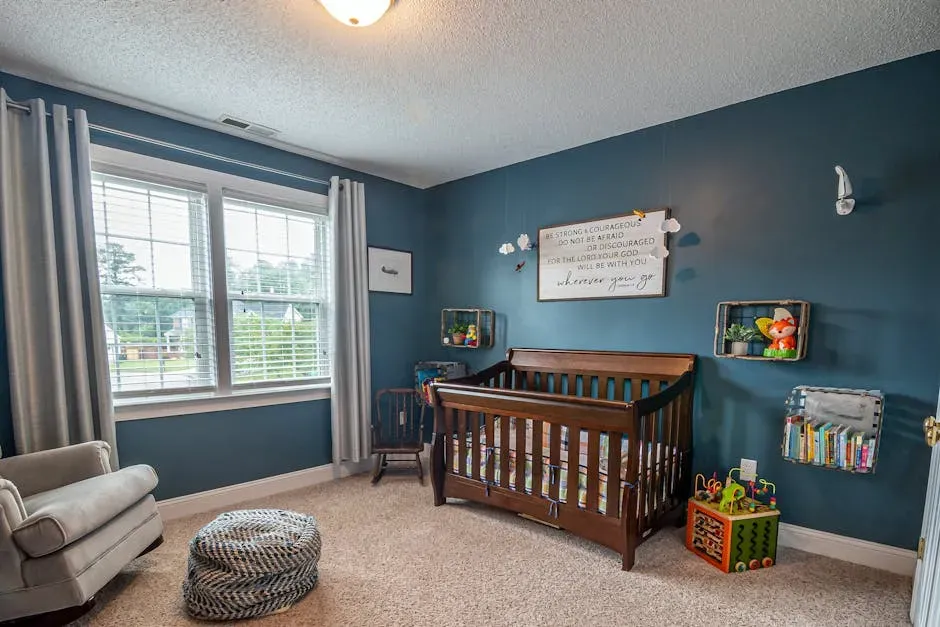
One of the most common nursery design mistakes is purchasing furniture before thinking about the room layout. It's easy to fall in love with a crib, dresser, or chair online, but without a layout plan, those pieces may not fit the room as expected. The problem compounds quickly once you're trying to squeeze a wide glider into a corner it was never meant to occupy.
When furniture is purchased too early, parents often end up with layouts that feel crowded or awkward. Most designers start by thinking about how the room will function before selecting individual furniture pieces. A rough sketch of the room with basic measurements takes about ten minutes and can save weeks of frustration later.
2. Underestimating Storage Needs
2. Underestimating Storage Needs (HAUS By Emily May, Flickr, <a href="https://creativecommons.org/licenses/by/2.0/" target="_blank" rel="noopener">CC BY 2.0</a>)
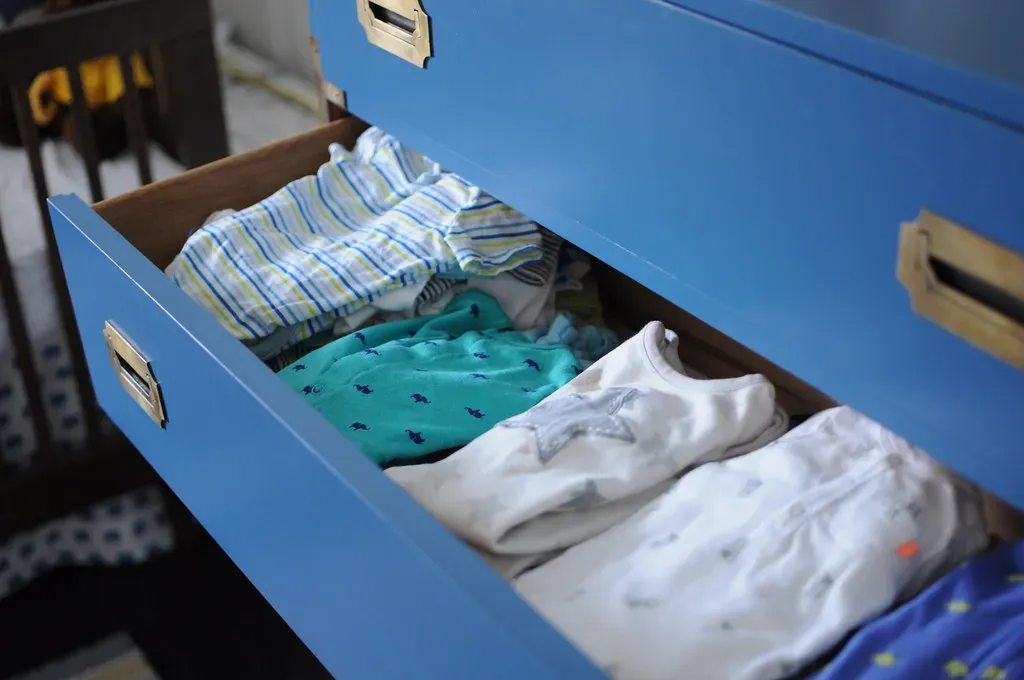
It is easy to underestimate the sheer volume of items a small baby accumulates. From bulky nappies and wipes to an ever-expanding wardrobe of gifts and toys, the storage requirements of a nursery are significant. What looks like enough storage on day one tends to feel laughably inadequate by month three.
A common regret is choosing furniture based on minimalist aesthetics, such as open shelving units, rather than storage capacity. While open shelves look delightful in a showroom, they may be impractical for the reality of daily parenting. They require constant tidying to look presentable and offer no protection from dust. Closed, deep storage is far less photogenic but far more useful when you're running low on sleep.
3. Getting the Lighting Wrong
3. Getting the Lighting Wrong (Image Credits: Pexels)
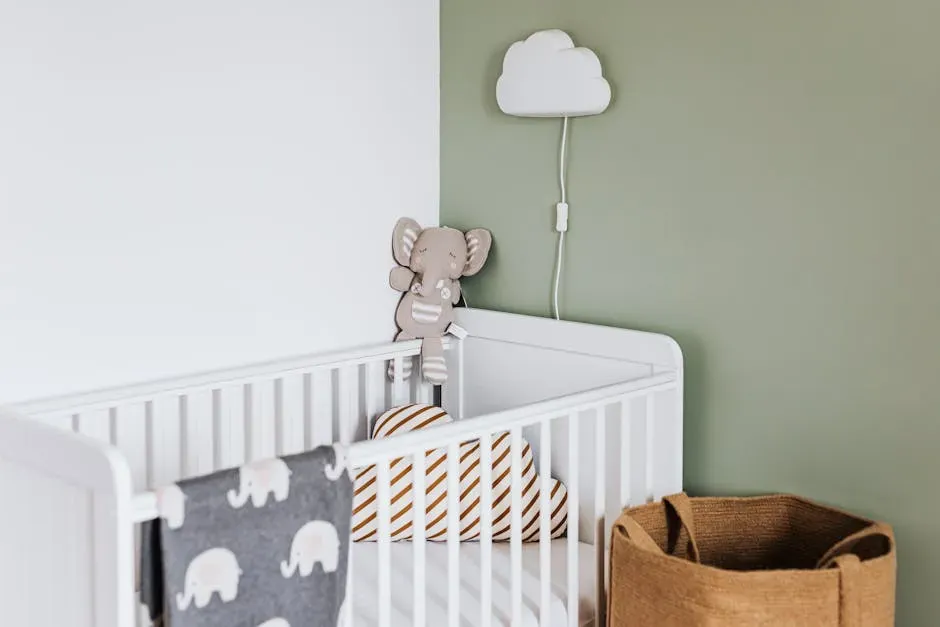
Lighting is one of the most overlooked parts of nursery design. Many nurseries rely only on an overhead light, but thoughtful lighting layers can make a big difference in how the room feels. A good approach incorporates a mix of lighting sources, such as overhead lighting, soft lamps, and gentle ambient light for nighttime routines. That single overhead bulb will feel harsh and disruptive during a 3 a.m. feed.
A dimmer switch serves many purposes in a nursery. Lowering the light level can soothe a young child and help them wind down after a busy day, getting them into a bedtime mood. Dimmed lights are also great for late-night feedings and diaper changes, giving you enough light to deal with the business at hand without jarring the child awake. Research has also shown that exposure to natural light during the day can help regulate a baby's circadian rhythm, making it easier for them to distinguish between day and night.
4. Placing the Crib in an Unsafe Spot
4. Placing the Crib in an Unsafe Spot (LizaWasHere, Flickr, <a href="https://creativecommons.org/licenses/by-sa/2.0/" target="_blank" rel="noopener">CC BY-SA 2.0</a>)
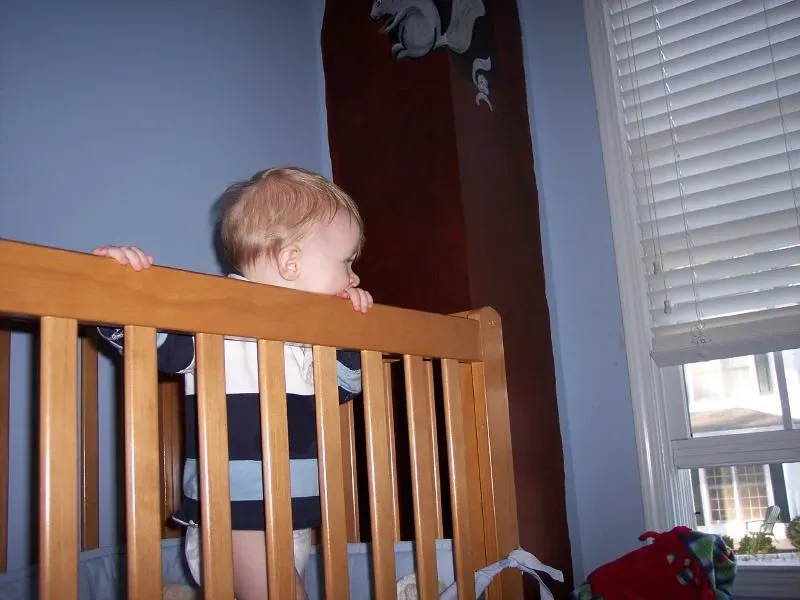
Never put a baby's crib near a window. Babies and toddlers can get caught in drapes or window blind cords, or even fall through window screens. It's a placement that looks appealing in photos but carries real hazards that grow more serious as the baby becomes mobile.
Cribs should be kept away from windows, curtains, and blinds to prevent falls, drafts, and cord entanglement. The crib should also be placed away from shelves or picture frames that could fall during the night. Positioning the crib under wall decor, even seemingly light items like canvases, creates a risk if they fall. Keeping the crib away from heaters, radiators, and vents is equally important to avoid overheating.
5. Skipping Furniture Anchoring
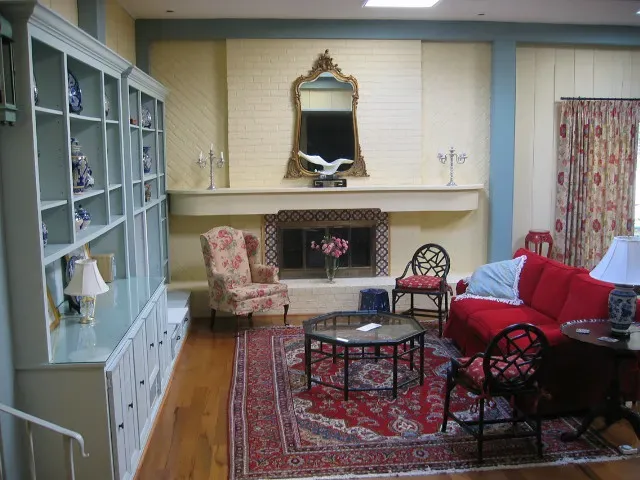
5. Skipping Furniture Anchoring (DesignFolly, Flickr, <a href="https://creativecommons.org/licenses/by-sa/2.0/" target="_blank" rel="noopener">CC BY-SA 2.0</a>)
Even furniture that looks stable can tip over if a curious toddler tries to pull themselves up on it. Furniture tip-overs can cause devastating injuries or even death. This is one of those risks that feels theoretical until it suddenly isn't, and the window to prevent it is before the baby starts pulling up, not after.
All tall and heavy furniture needs to be secured to the walls using furniture straps. It is much easier to do when you are first putting the furniture in place than to try and remember later. According to the Consumer Product Safety Commission, over 60,000 injuries from items in nurseries occurred annually in children under five in recent years, each requiring a trip to the emergency room. Anchoring takes minutes and addresses one of the most preventable risks in the room.
6. Using Paint With High VOC Content

6. Using Paint With High VOC Content (Image Credits: Pexels)
VOCs, or volatile organic compounds, are commonly found in paint and other household products. They are emitted as gases while paint dries. VOCs have been linked to a variety of issues including lung irritation, eye and throat irritation, headaches, nausea, and nervous system damage. Babies breathe faster than adults and spend the majority of their early months in the nursery, which makes the air quality in that room especially consequential.
Babies and young children breathe faster, spend more time on the floor, and love to put their mouths on everything, so chemical exposure is not just a theoretical concern. Their developing bodies are far more vulnerable to toxic exposures. It is recommended to paint the nursery at least two months before the baby comes home to allow the paint to fully cure before using the room. Choosing zero-VOC or Greenguard Gold certified paint is the simplest way to address this entirely.
7. Treating the Nursing Chair as an Afterthought

7. Treating the Nursing Chair as an Afterthought (Image Credits: Pexels)
The nursery is not just a room for the baby; it is a room where parents will spend hundreds of hours feeding, soothing, and watching over their child. Parents often regret treating the seating as an afterthought. Repurposing a dining chair or buying a standard low-back armchair may save money initially, but it often leads to physical discomfort. During a long night feed, a lack of lumbar support or armrests at the wrong height can cause significant back and shoulder strain.
A dedicated nursing chair should be viewed not as a luxury but as an essential parenting tool. A purpose-built nursing chair is engineered with a high back for head support, armrests positioned specifically to support the weight of a baby during feeding, and a gentle rocking motion to aid soothing. Storage that's easy to access with one hand, furniture that can take wear without showing it, and layouts that allow for movement are becoming just as important as how a nursery looks on day one.
Most of these mistakes share something in common: they happen when aesthetics take the lead before function has been considered. A nursery that works for real daily life, tired and repetitive as it is, tends to look perfectly fine anyway. Getting the basics right first just means one less thing to undo later.