
Most people assume that cooking at home is always the cheaper option. That assumption holds true most of the time. According to USDA data, the cost of food at home rose just 1.2% in 2024, while the cost of food away from home rose 4.1%. Still, the math isn’t always so simple, and a blanket rule rarely survives contact with a specific grocery receipt.
While preparing meals from scratch is often framed as the cheaper option, that is not always the case. Ingredient and equipment costs, food waste, and time all factor into the real price of a meal. For certain foods, restaurants benefit from bulk purchasing, streamlined preparation, and equipment that most kitchens lack. Once you account for those realities, some restaurant meals start to look surprisingly affordable, and a few can genuinely undercut what you’d spend at the grocery store for the same dish.
1. Rotisserie Chicken
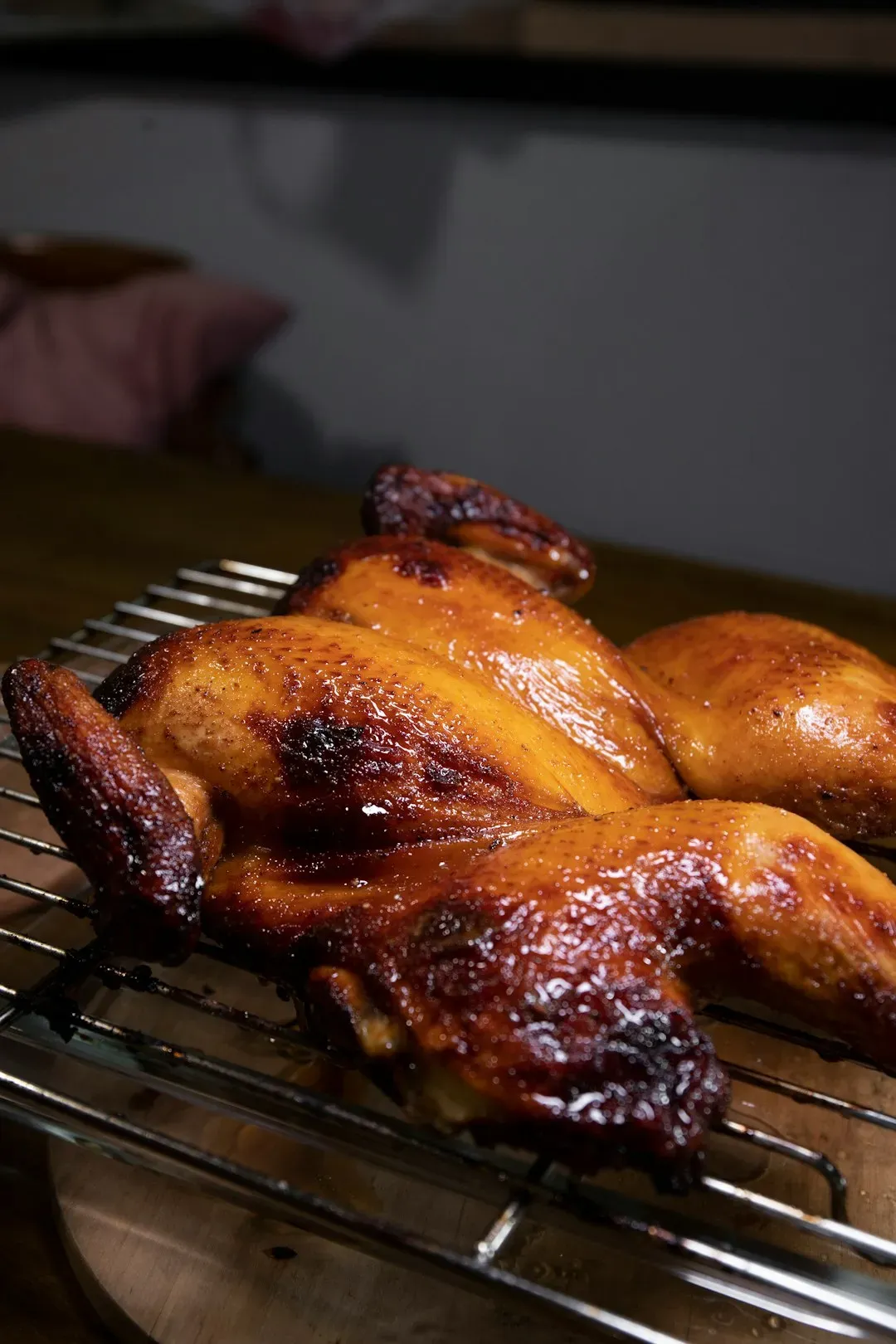
1. Rotisserie Chicken (Image Credits: Unsplash)
Roasting a whole chicken at home often costs more than expected after accounting for equipment, cooking time, and energy use. Many grocery stores sell rotisserie chickens at low margins to drive foot traffic. The price often undercuts the cost of buying and roasting a chicken at home, especially when the cleanup is considered.
Warehouse clubs like Costco price their rotisserie chickens as low as $4.98, which are often loss leaders. Even at standard grocery stores, the pre-cooked bird typically runs between six and eight dollars. Compare that to the cost of buying a raw whole chicken, seasoning it, and running your oven for 90 minutes, and the ready-made version frequently wins on both price and convenience.
2. Ramen
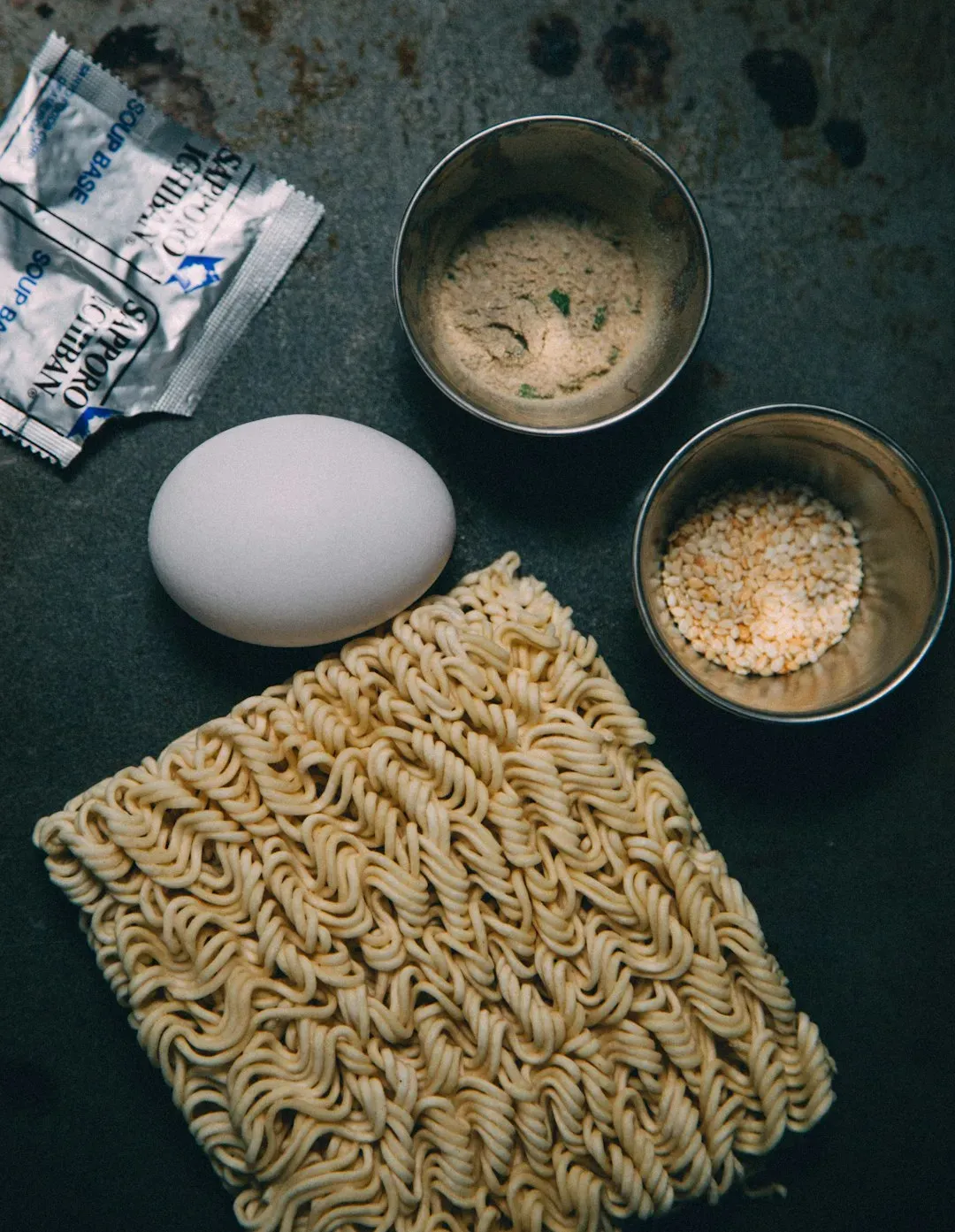
2. Ramen (Image Credits: Unsplash)
A proper ramen bowl involves broth simmered for hours, specialty noodles, and multiple toppings. Buying bones and condiments separately costs far more than a restaurant bowl. Many ramen shops rely on high volume and long prep cycles that are not practical for a single household.
Sourcing pork or chicken bones, kombu, miso paste, specialty noodles, a soft-boiled egg, bamboo shoots, and nori for a single bowl quickly adds up, especially when most of those specialty ingredients come in quantities far larger than one meal requires. A bowl at a dedicated ramen spot can land anywhere from eight to fourteen dollars, while the at-home ingredient haul for something comparable might run considerably higher once you account for waste.
3. Dumplings
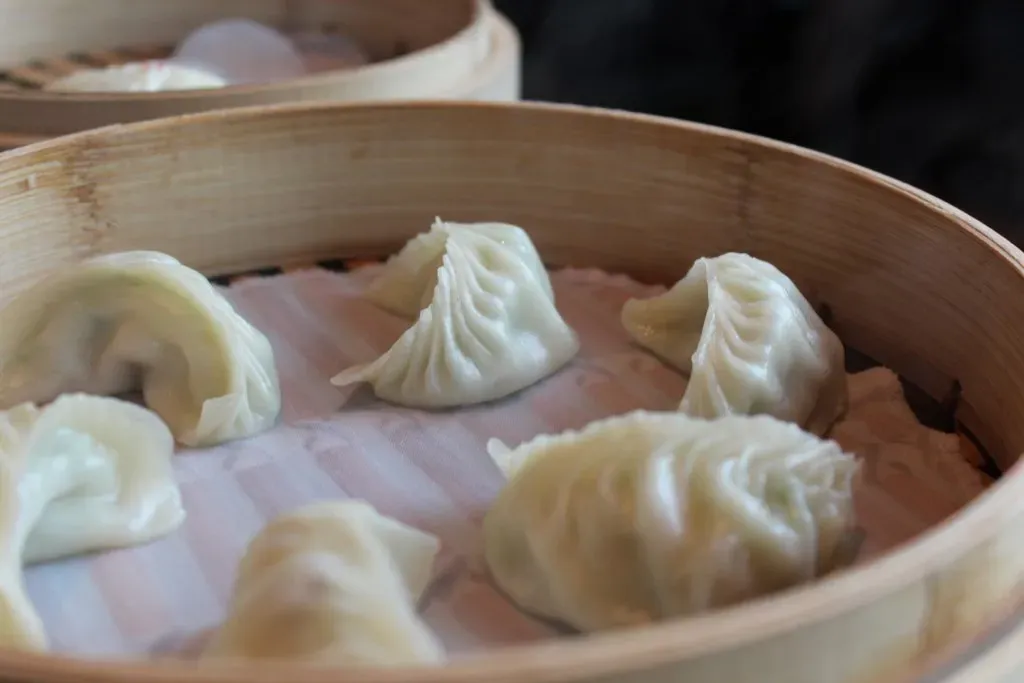
3. Dumplings (tedmurphy, Flickr, <a href="https://creativecommons.org/licenses/by/2.0/" target="_blank" rel="noopener">CC BY 2.0</a>)
Making dumplings from scratch involves wrappers, filling ingredients, and significant labor. Restaurants produce dumplings at scale, making a plate cheaper than the time and ingredients required to make them at home. The wrapping process alone, for someone without practice, can take an hour or more for a single batch.
Buying dumpling wrappers, ground pork or shrimp, cabbage, ginger, sesame oil, and soy sauce in the quantities needed for just one dinner often leaves you with excess ingredients that go unused. A plate of twelve or fifteen dumplings at a Chinese or dim sum restaurant commonly runs between seven and twelve dollars, which can be surprisingly competitive once the full cost of a home attempt is tallied honestly.
4. Fried Chicken
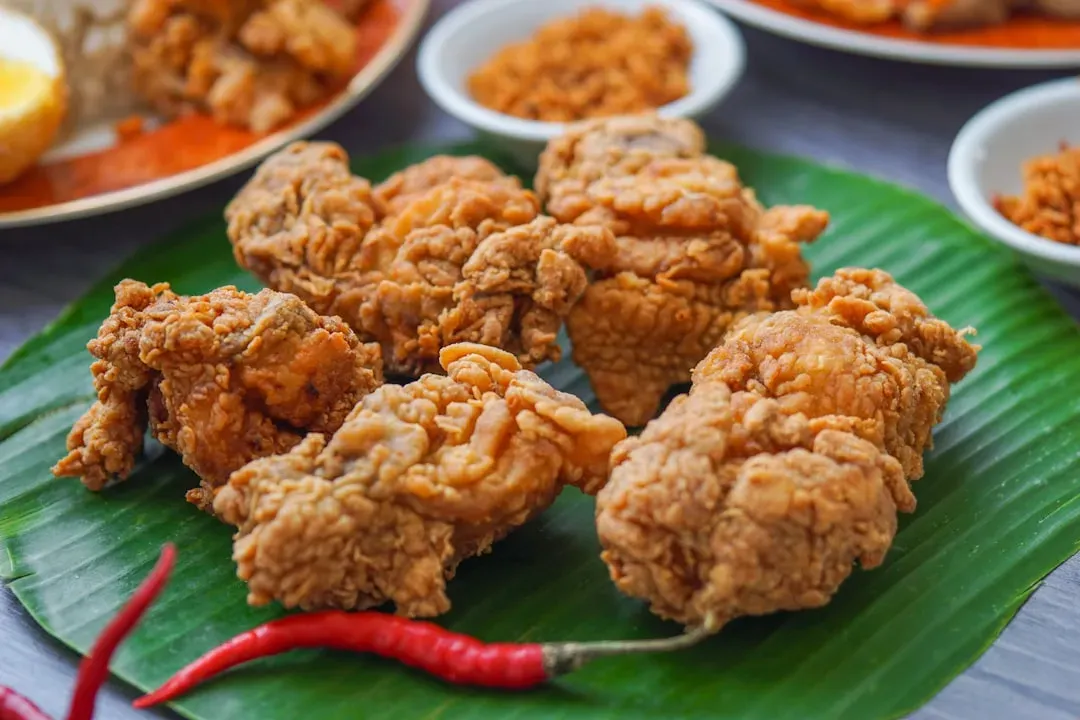
4. Fried Chicken (Image Credits: Unsplash)
Frying at home requires large amounts of oil, temperature control, and proper disposal afterward. Oil alone can cost more than a restaurant meal. Fried chicken restaurants reuse oil safely across many batches, keeping per-serving costs low and avoiding waste that home kitchens cannot.
A large bottle of frying-quality neutral oil can cost eight to twelve dollars on its own, and that's before factoring in buttermilk, flour, spices, and the chicken itself. Popeyes, for example, offers an eight-piece family meal with a large signature side and four buttermilk biscuits for around $26.99. For a household of three or four, the value at a fried chicken chain can rival or beat a fully homemade version, particularly for a solo diner or a couple.
5. Chili's "3 for Me" Deal
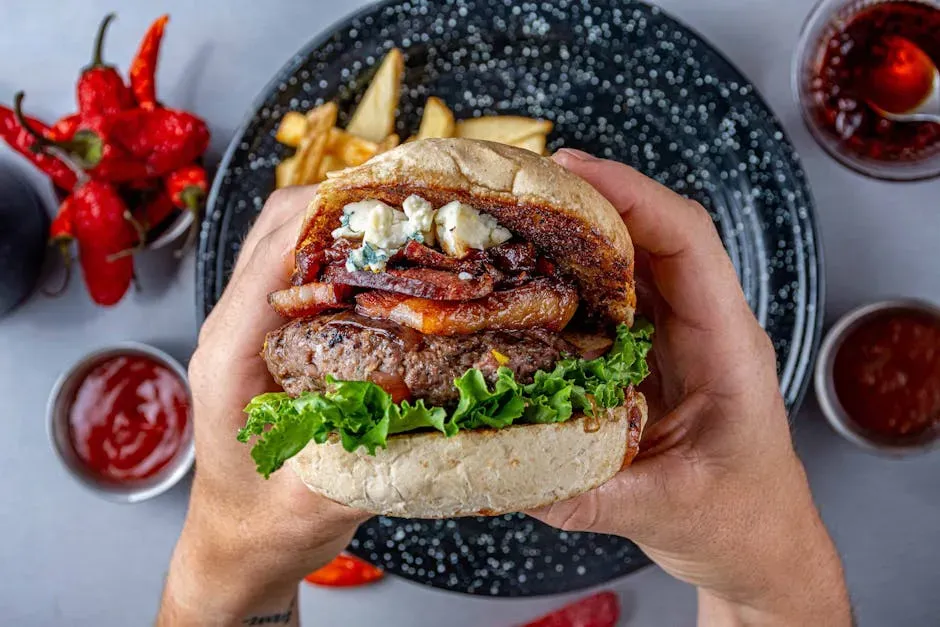
5. Chili's "3 for Me" Deal (Image Credits: Pexels)
Chili's "3 for Me" meal gives you a choice between the chain's fan-favorite burgers, chicken sandwich, quesadillas, Cajun shrimp pasta, chicken fingers, or six-ounce sirloin along with a starter and beverage, all for just $10.99. That's cheaper than many fast food meals these days, and certainly less expensive than buying everything needed to make the same meal at home.
Consider trying to replicate a Cajun shrimp pasta with an appetizer and a drink at home. Shrimp, pasta, Cajun spices, cream, and the beverage would likely exceed ten dollars for a single person, and that's before any bread or starter enters the picture. Some Americans have discovered that a meal at a sit-down restaurant is now comparable, or even less expensive, than fast food. Chili's is one of the clearest examples of that shift in 2025 and 2026.
6. Tacos at a Street-Style or Value Restaurant
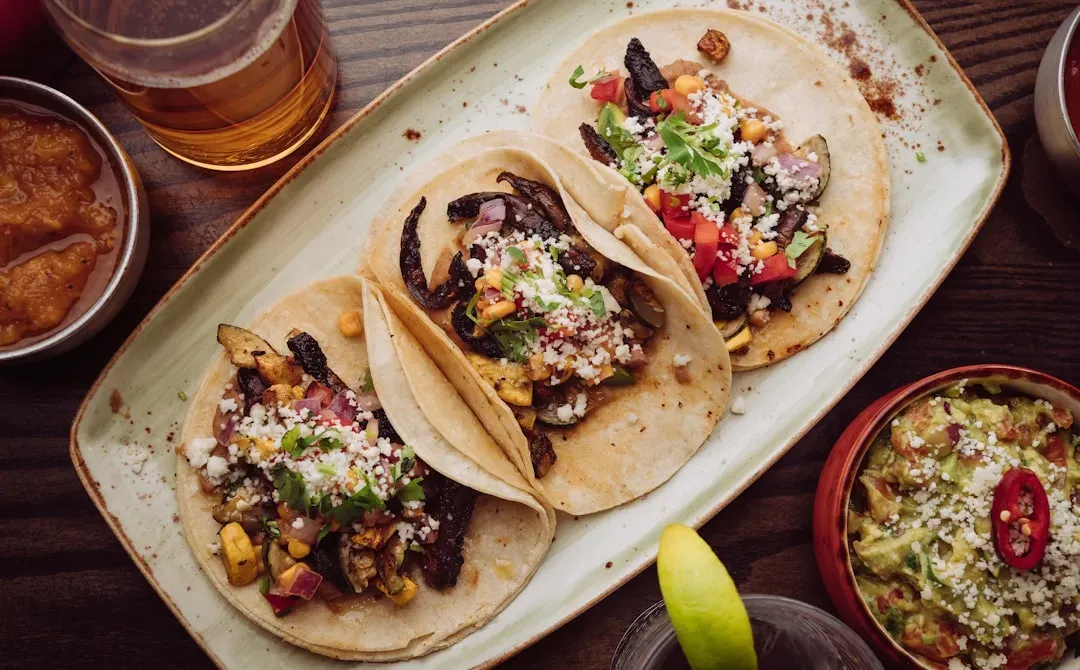
6. Tacos at a Street-Style or Value Restaurant (Image Credits: Unsplash)
While tacos seem simple, the costs add up quickly when buying tortillas, proteins, toppings, and sauces. Restaurants purchase meat in bulk and use trimmings efficiently. Taco specials and street-style pricing often beat the cost of assembling all components at home.
Building a proper taco spread at home means buying a pack of tortillas, a pound of meat, three or four toppings, salsa, and lime, most of which comes in amounts far beyond one meal. A street taco at two to three dollars per piece means four tacos can run under twelve dollars, fully topped and freshly made, while the grocery haul for a comparable taco night might push well past twenty dollars for the same number of servings.
7. Fish and Chips
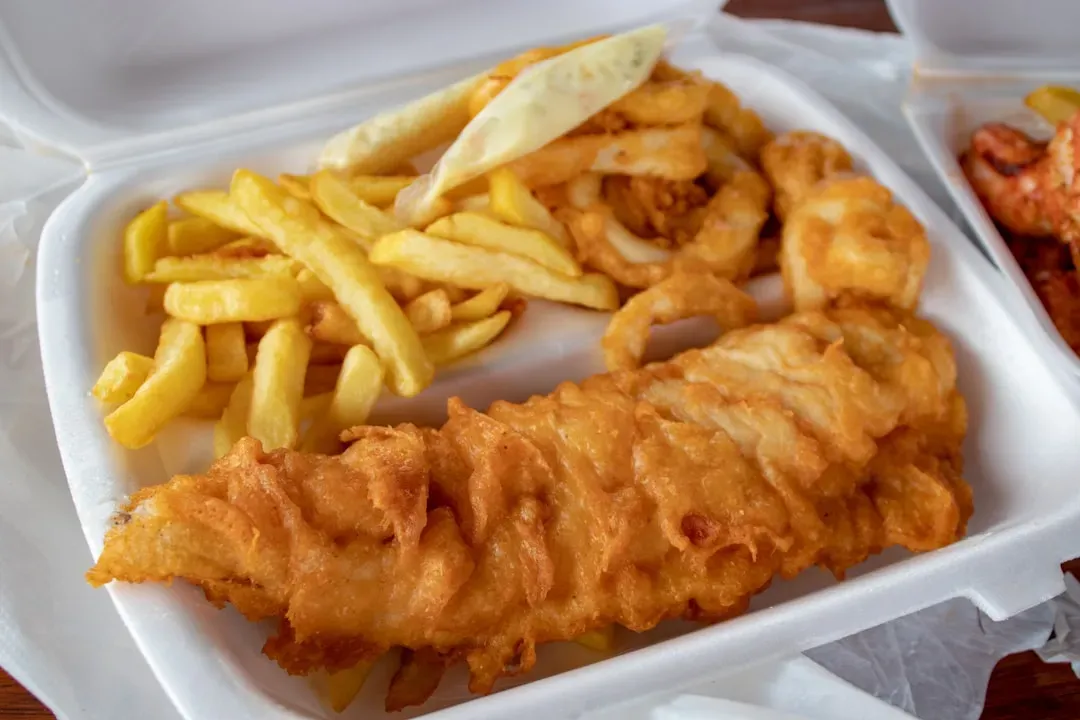
7. Fish and Chips (Image Credits: Unsplash)
Fresh fish can be expensive, and frying requires oil, equipment, and a lot of practice to get it just right. Restaurants source fish in bulk and manage oil costs across many orders. A single fish-and-chips meal is often less expensive than buying fresh fillets and frying them at home.
The price of fresh white fish fillets at a grocery store has climbed steadily in recent years. Once you add the cost of oil, batter ingredients, and potatoes for proper chips, the per-person cost at home can easily match or exceed what a pub-style restaurant charges for the same plate. The equipment factor matters here too. Getting a consistent, light fry without a proper fryer or a large, stable pot of oil is genuinely difficult, and the result rarely justifies the effort.
8. Pad Thai
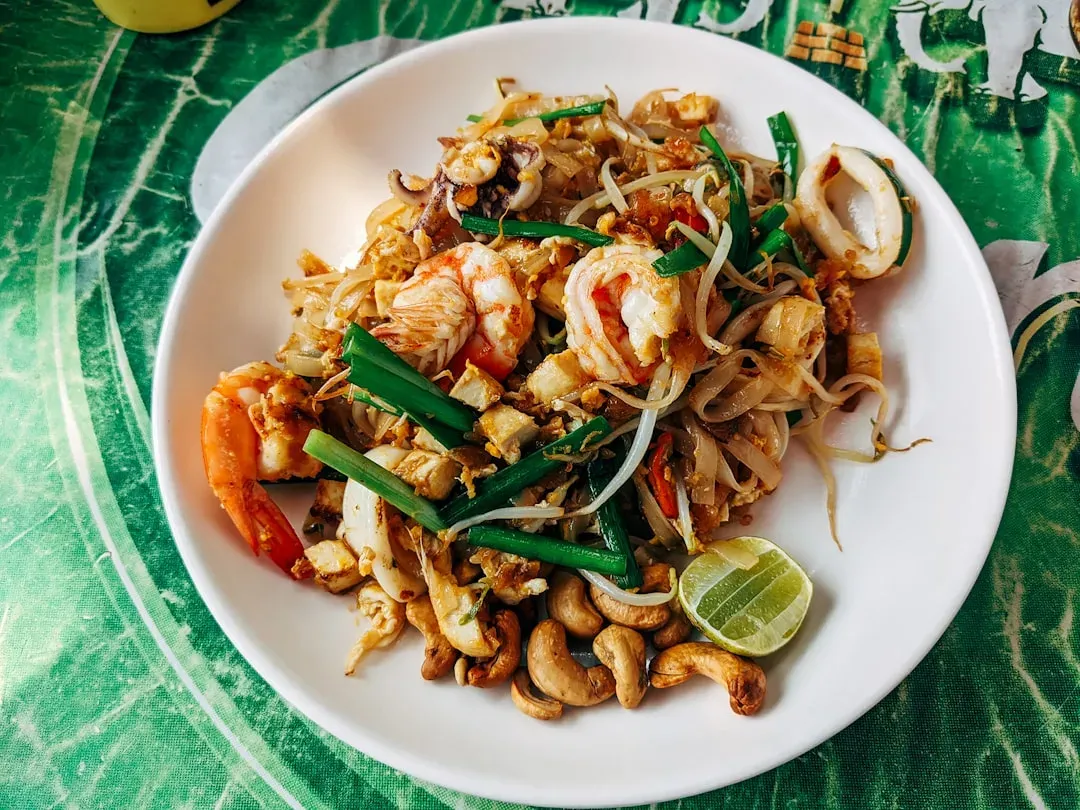
8. Pad Thai (Image Credits: Unsplash)
Pad Thai is flavorful and not expensive when ordered out. The Thai street food is made with rice noodles, scrambled eggs, vegetables and seasonings, and a protein. At a Thai restaurant, a standard order lands between nine and fourteen dollars and comes fully assembled with all the traditional garnishes.
Making it at home sounds manageable until you price out the tamarind paste, fish sauce, rice noodles, bean sprouts, and dried shrimp, all items that come in sizes built for a restaurant pantry, not a single weeknight dinner. Ingredient waste is often the biggest factor when comparing home cooking to eating out. Meals that require specialty sauces, spices, or oils can increase costs when those items are used only once. Restaurants spread those costs across many orders. Pad Thai is a textbook case of this dynamic.
9. Lunch Specials at Indian Restaurants
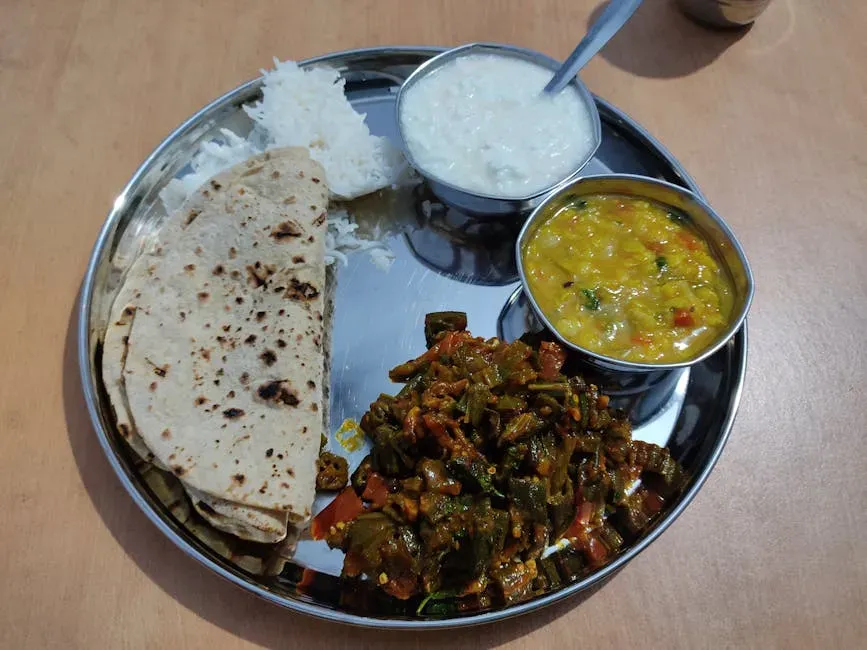
9. Lunch Specials at Indian Restaurants (Image Credits: Pexels)
Indian food is often one of the most affordable and delicious options on the menu. Enjoy it in the winter when you need to warm up or lean into the spice in summertime. Served with plentiful rice, the aromatic sauce stretches for days. Bonus points for a lunch special that comes with garlic naan.
Most Indian restaurants offer weekday lunch specials combining a curry, basmati rice, dal, and naan for somewhere between nine and thirteen dollars. Replicating that at home requires whole spices, ghee, a range of aromatics, lentils, and specialty flour for bread. Most of those items are sold in bulk and last a while in a stocked pantry, but for someone who doesn't cook Indian food regularly, the first attempt is almost always more expensive than the restaurant version. The economies of scale that Indian restaurants operate on are real, and the lunch buffet or set lunch is where that advantage shows up most clearly for the diner.
None of this overturns the general rule that cooking at home saves money over time. The average home-prepared meal costs about four to six dollars per person, while eating out usually runs fifteen to twenty dollars or more. Over a month or a year, that gap is significant. The interesting exceptions are the meals above, where specialty ingredients, high-volume frying oil, long preparation times, or single-use pantry items tip the math in an unexpected direction. Knowing which meals fall into that category is genuinely useful, whether you're eating solo, shopping for two, or just trying to figure out when it's actually worth firing up the stove.