
There’s a particular kind of silence that falls over a room when a grandpa drops one of his old-school lines. Younger family members look up from their phones, slightly confused, maybe a little impressed, and sometimes genuinely stopped in their tracks. It’s not the words themselves that do it, really. It’s the weight behind them.
These expressions, born from experience and handed down across generations, carry more than just words. They’re compact life lessons wrapped in humor, metaphor, and common sense, and they remain surprisingly relevant today. Seven of them, in particular, still manage to land with force.
1. "Don't Count Your Chickens Before They Hatch"
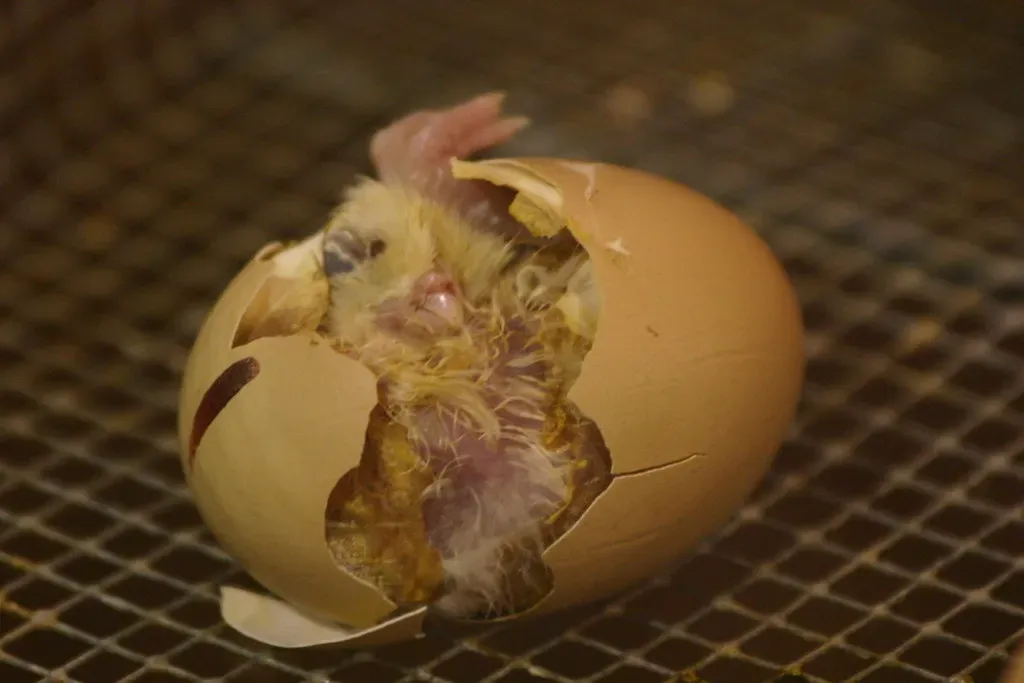
1. "Don't Count Your Chickens Before They Hatch" (grendelkhan, Flickr, <a href="https://creativecommons.org/licenses/by-sa/2.0/" target="_blank" rel="noopener">CC BY-SA 2.0</a>)
Perhaps one of the most quoted old sayings passed down from older generations, this phrase carries a meaning as wise as it is visual: don't make plans or celebrate before something actually happens. It's the kind of advice that sounds almost too simple, until the job offer falls through or the deal collapses at the last second.
This saying can be traced back to Aesop's fables, specifically "The Milkmaid and Her Pail," where a young girl dreams about what she'll do with the money from selling milk, only to spill it before reaching the market. That it has survived centuries without losing its bite says something about how reliably human overconfidence turns out to be.
2. "A Stitch in Time Saves Nine"
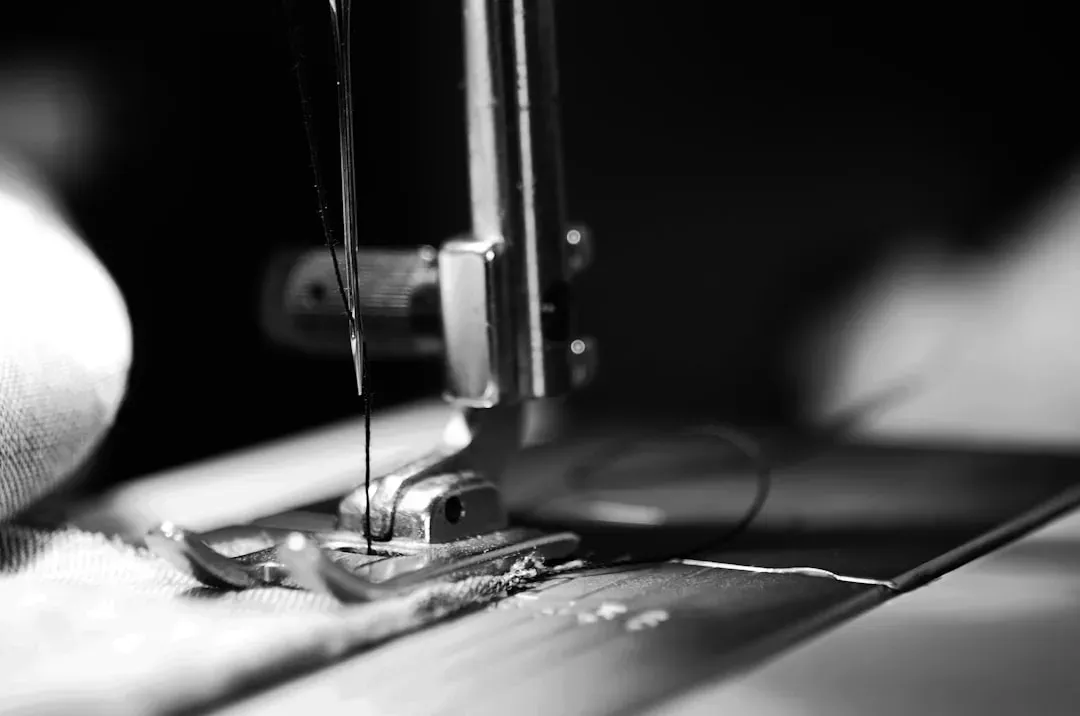
2. "A Stitch in Time Saves Nine" (Image Credits: Unsplash)
This 18th-century sewing wisdom is brilliantly scalable advice. Fix that small tear now, or you'll be mending a much bigger rip later. Grandpa might have said it about a leaky pipe or a fraying fence post, but the core logic applies to finances, relationships, and just about anything else worth tending to.
The metaphor works for everything from car maintenance to relationship problems to public health policy. Small fixes prevent big disasters. Younger generations often discover this one the hard way, which is probably exactly what grandpa was counting on.
3. "Make Hay While the Sun Shines"
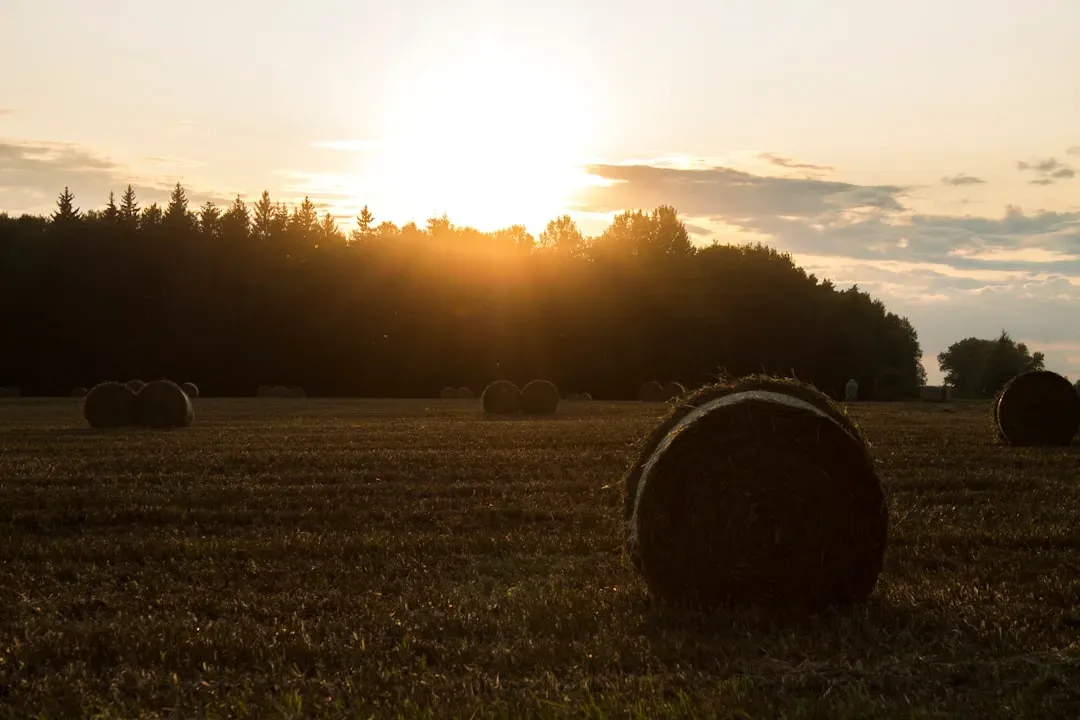
3. "Make Hay While the Sun Shines" (Image Credits: Unsplash)
With roots in agriculture, "make hay while the sun shines" is all about seizing the moment. Haymaking required dry weather, so farmers had to work swiftly. This saying underscores the importance of acting during favorable conditions. To someone who has never baled hay in their life, it sounds quaint. The meaning, though, hits harder the older you get.
In the business world or personal endeavors, this wisdom remains pertinent. The phrase reminds us to be proactive and take advantage of good circumstances before they disappear like fleeting sunshine on a summer's day. It's the kind of line that grandpa said when you were dragging your feet, and the kind you remember years later when an opportunity quietly closes.
4. "Scarce as Hen's Teeth"
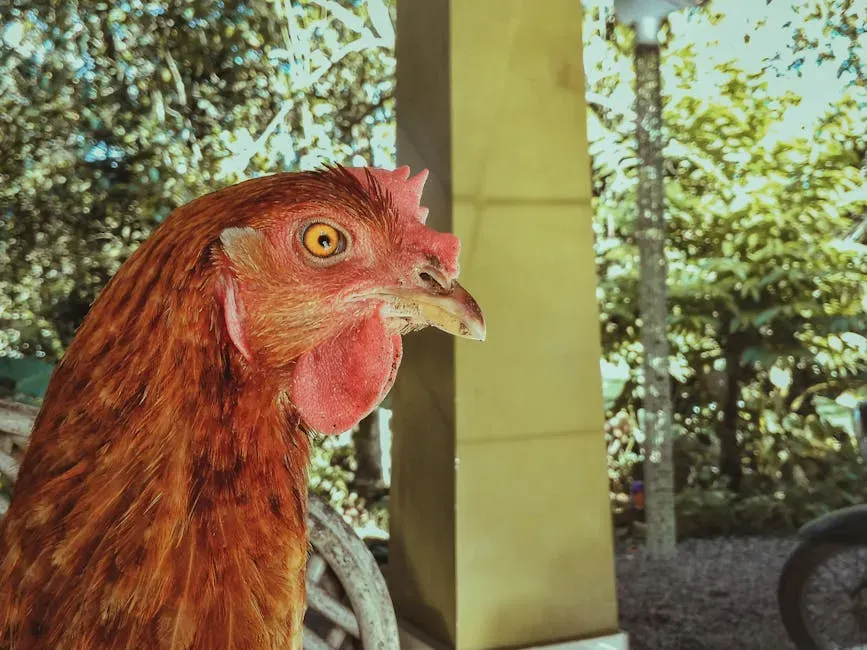
4. "Scarce as Hen's Teeth" (Image Credits: Pexels)
A playful way to describe rarity, "scarce as hen's teeth" humorously exaggerates the scarcity of something. Often used in rural communities, it highlights the absurdity of seeking the impossible. Its charm lies in its simple imagery and tongue-in-cheek delivery. When grandpa said good manners were getting scarce as hen's teeth, you knew exactly what he thought of the current state of the world.
In Appalachian and Southern speech, the phrase means extremely rare or nearly impossible to find. The image comes from the fact that hens don't have teeth, making the phrase a colorful exaggeration for rarity. It's been used since the 1800s in American rural speech, especially in the South and Appalachia, as a vivid comparison for rarity. That kind of longevity doesn't happen by accident.
5. "That Dog Won't Hunt"
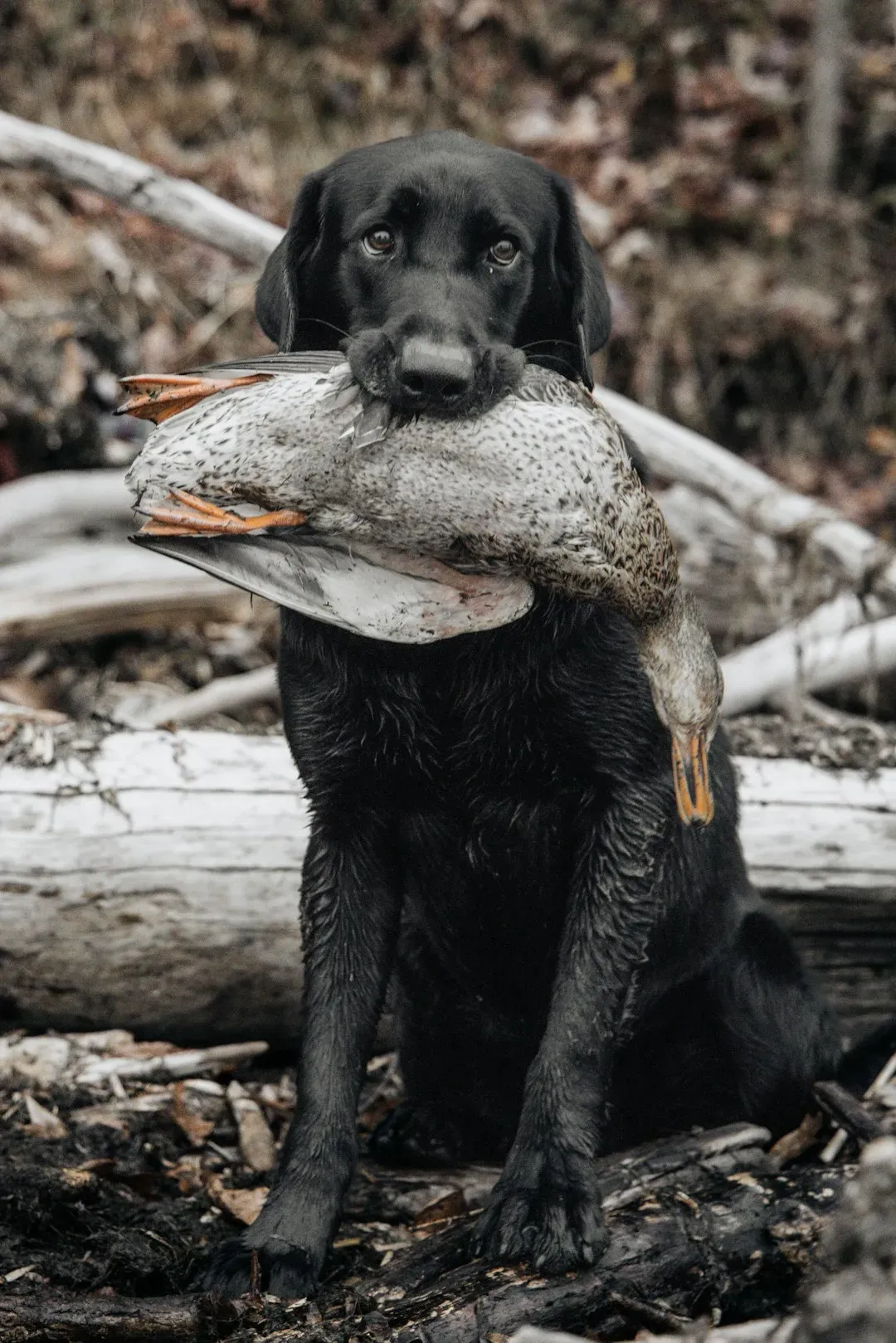
5. "That Dog Won't Hunt" (Image Credits: Unsplash)
The expression "that dog won't hunt" is a colorful way to convey that a particular idea, excuse, or plan isn't going to work or isn't valid. It implies skepticism or disbelief regarding the feasibility or truthfulness of something. Grandpa wasn't usually cruel about it. He'd just say it, flat and calm, and that was that. There was no comeback.
With reference to a dog used for hunting game, this phrase is used to express the opinion that a particular plan or approach will not succeed. While it may have older origins, the phrase is still understood and used by many today, especially in the American South. It shows up in films, political speeches, and the occasional family dinner, always landing with the same blunt clarity it carried a hundred and fifty years ago.
6. "Hold Your Horses"
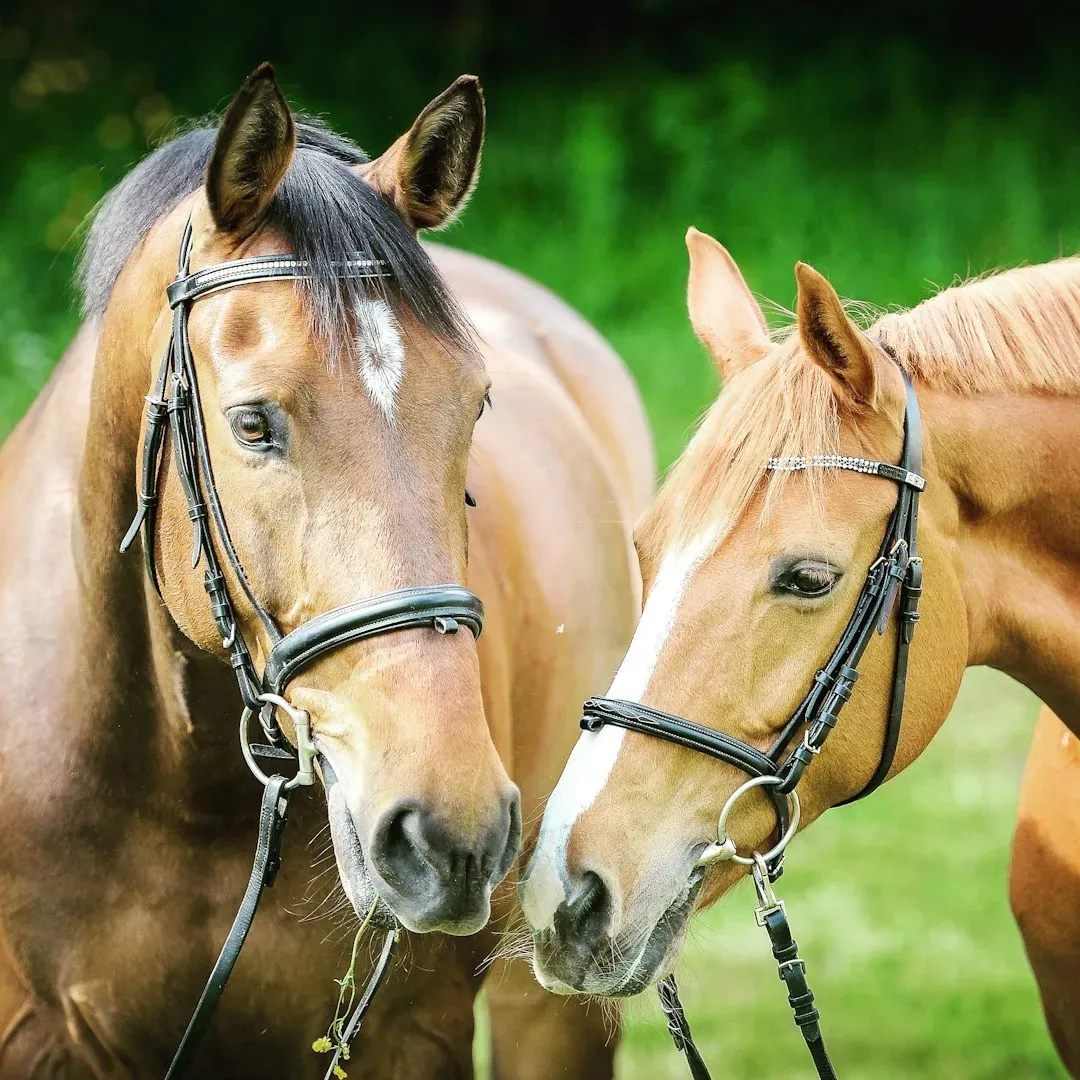
6. "Hold Your Horses" (Image Credits: Unsplash)
The phrase "hold your horses" invites patience and restraint. Originating from the days when horses were the primary mode of transport, it urged riders to pause or slow down. Often used by horse handlers or coach drivers, the saying became synonymous with maintaining control and composure. Few phrases deliver a lesson in patience so efficiently, and with so much texture behind them.
In today's fast-paced world, it serves as a gentle reminder to slow down and think before acting, whether at work, home, or in traffic. Younger generations living through the era of instant everything tend to hear this one and pause, however briefly, which might have been the point all along. Grandpa didn't say it twice.
7. "The Apple Doesn't Fall Far from the Tree"
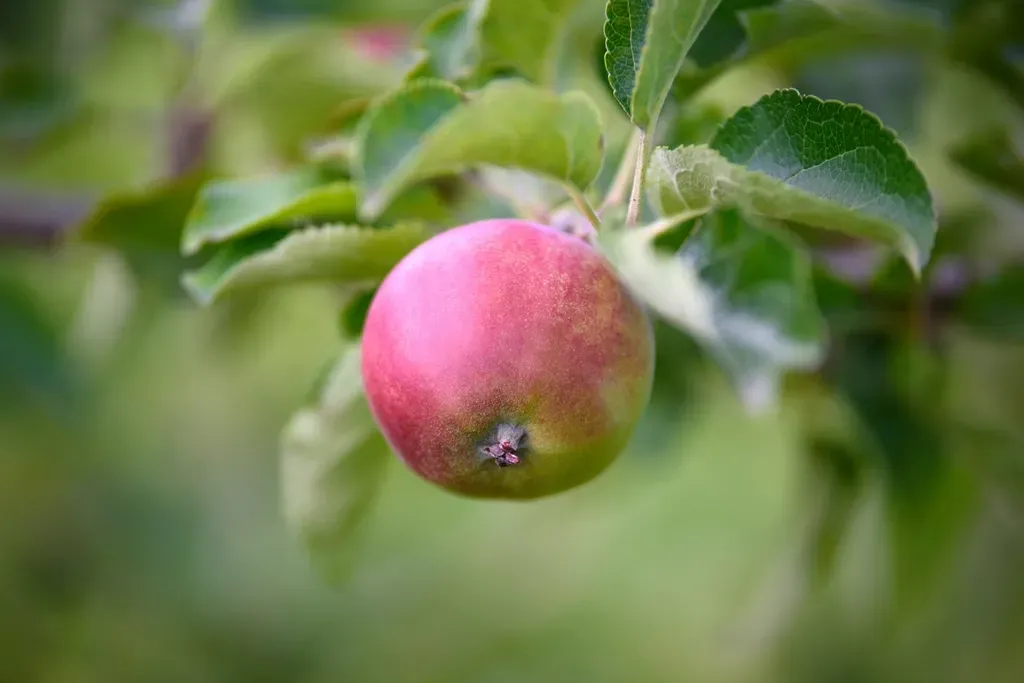
7. "The Apple Doesn't Fall Far from the Tree" (Image Credits: Rawpixel)
Family traits are celebrated in "the apple doesn't fall far from the tree." This saying highlights the similarities between parents and children, often in character or behavior. Rooted in the image of an apple staying close to its tree, it's a tribute to heritage and influence. Whether for praise or critique, it underscores the enduring bond between generations, making it a staple in familial discussions.
Old sayings were a way to make sense of the world. They taught lessons, passed down values, and wrapped everyday wisdom in humor. This one, in particular, carries a double edge. It can be a compliment or a caution, depending on grandpa's tone. Either way, nobody in the room ever quite knew how to respond, and that silence was usually the most honest answer of all.
Just like the tune of an old song can get stuck in your head, so too can these words of wisdom. Passing wisdom down from one generation to the next happens through a variety of ways including stories, songs, poems, movies, as well as old sayings and idioms. What makes these seven phrases so enduring isn't nostalgia. It's that they still work. The situations they describe haven't gone anywhere, and neither has the quiet authority of a grandpa who lived through enough to know exactly when to use them.