
For decades, the script seemed simple enough: young people flood into big cities, hustle for a few years, and eventually settle somewhere quieter. Baby boomers watched this pattern play out with their own children and assumed it would hold. It hasn’t. The pace and scale of departure from some of America’s most storied urban centers has genuinely surprised the generation that helped build them.
Most Americans driven to relocate today are doing so for affordability, job opportunities, and safety concerns, and most people choosing to move are Gen Z and millennials who want to find an area with a lower cost of living and affordable housing options. What’s striking isn’t just where they’re going. It’s how fast they’re leaving places that boomers assumed would always magnetize the young.
1. New York City, New York
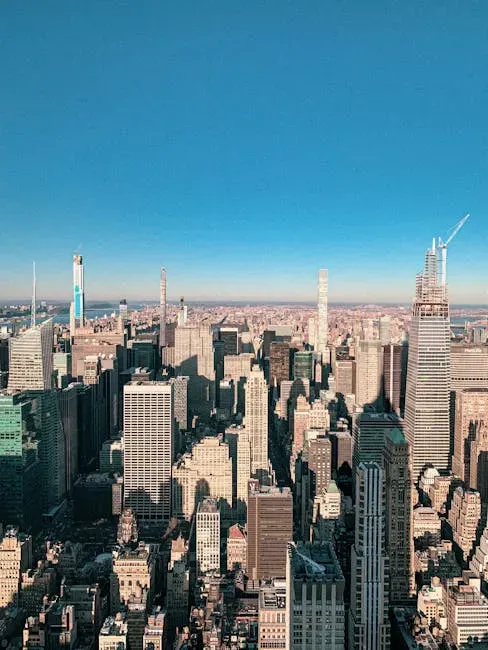
1. New York City, New York (Image Credits: Pexels)
Millennials have undertaken a mass exodus from large cities, leaving New York City at the highest rates, with a net loss of more than 96,600 millennial residents. That number is staggering by any measure, and it reflects a broader disillusionment with a city that still commands enormous cultural prestige but increasingly fails on the fundamentals of daily affordability.
California, New York, and Massachusetts follow a similar pattern, where even six-figure incomes struggle to offset elevated housing costs. NYC posted the second largest outflow of people in 2025, based on major metro statistical areas tracked by Bank of America account data. Boomers who raised families in the city's outer boroughs never quite anticipated watching their children leave at this rate.
2. San Francisco, California

2. San Francisco, California (Image Credits: Unsplash)
California lost 239,575 residents in 2024, the largest outmigration of any state, while year-over-year data shows San Francisco median home prices declining by nearly six percent yet remaining deeply unaffordable compared to Southern markets. For young professionals who moved to the Bay Area chasing tech careers, the math eventually stops working when rent consumes most of a solid salary.
High costs of living and tax rates, coupled with the loss of major employers, have driven professionals and families out. California was the top outbound state for the second year in a row. The irony isn't lost: the city that once symbolized reinvention is now the city younger Americans are reinventing their lives by leaving.
3. Chicago, Illinois
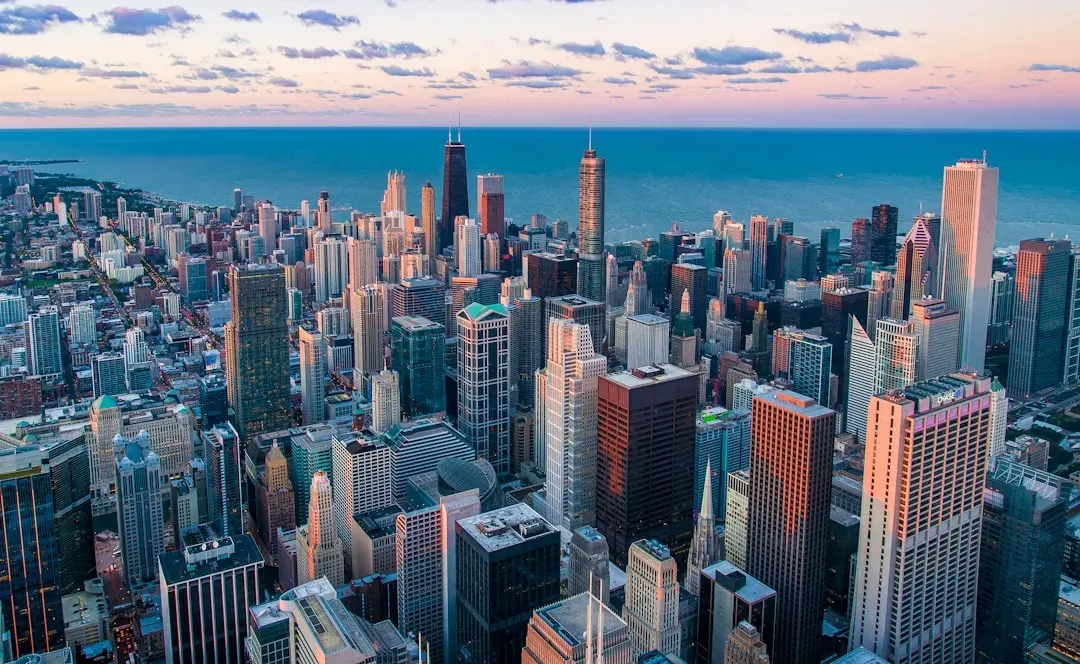
3. Chicago, Illinois (Image Credits: Unsplash)
Millennials are departing from Chicago at a rate of negative 8,580 per year. High costs of living and tax rates, along with concerns about crime rates, have made Chicago less appealing to those with options to leave. Chicago draws comparisons to cities that once seemed untouchable, yet the outflow numbers from younger cohorts have steadily mounted.
Chicago has a higher-than-average unemployment rate and high rental costs compared to other Midwest cities. Still, the city is not universally being abandoned. Chicago actually had net migration increases for Gen Z despite showing net decreases for all other generations. The generational divide here is unusually sharp, and it tells us something important about the different calculations younger and older adults are making.
4. Los Angeles, California

4. Los Angeles, California (Image Credits: Unsplash)
Los Angeles is still pulling in newcomers, but not nearly at the same pace as those leaving, likely due to the city's higher cost of living and changing climate. Out-migration trends for Los Angeles, showing people also wanting to move out of the city, were high in 2025 as well. Wildfires and a persistently punishing housing market have accelerated what was already a slow drain of working-age residents.
In nearby Hawaii, average home prices approach 830 thousand dollars, nearly nine times average young adult household incomes, leaving just under a quarter of residents under 35 as homeowners, the lowest rate nationwide. The California coast tells a similar story. Together, these trends are pushing homeownership further out of reach for younger Americans, especially in high-cost states where prices have risen much faster than incomes.
5. Washington, D.C.

5. Washington, D.C. (Image Credits: Unsplash)
Millennials are leaving Washington, D.C. at a net rate of more than 11,500 residents per year. Many people who work and live in the Washington, D.C. area work for the federal government, and mass layoffs across different departments have led many workers to flee to more affordable areas. The federal workforce disruptions of recent years added significant urgency to departures that cost-of-living pressures had already been quietly driving.
Many working professionals still have remote jobs and can relocate from expensive cities such as Washington, D.C. to cities like Boise or Nashville. For a city built on the promise of government-sector stability, the loss of that anchor has reshaped who can realistically afford to stay. Young residents are weighing that question carefully, and many are deciding the answer is somewhere else.
6. Denver, Colorado
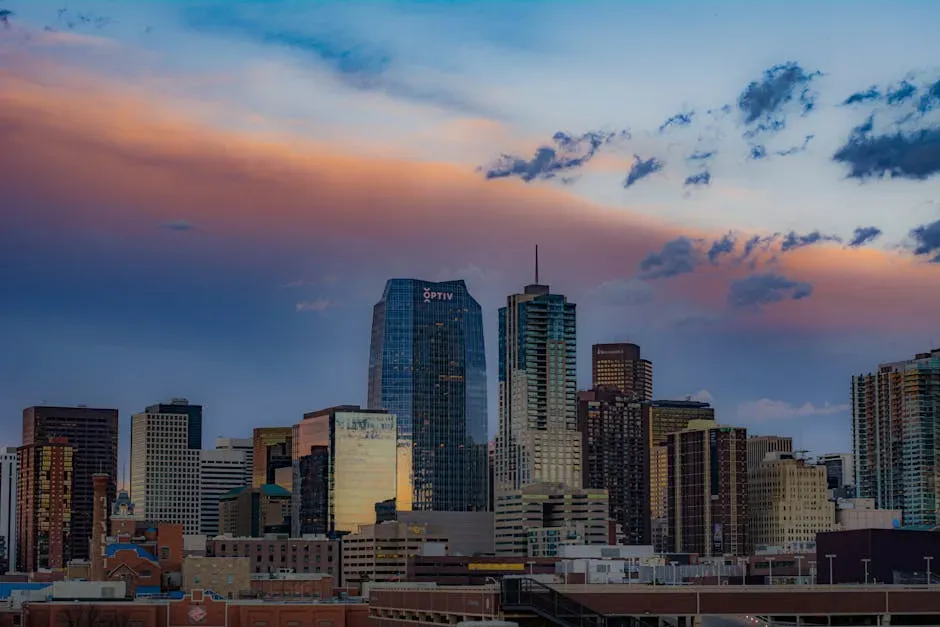
6. Denver, Colorado (Image Credits: Pexels)
Millennials are departing Denver at a net rate of nearly 7,000 per year. Colorado saw a significant increase in outbound movers, as the cost of living there has risen substantially over the last several years, and while small rural cities remain affordable, Denver is less affordable than it once was. Denver spent much of the 2010s being heralded as a young person's paradise, which is precisely what drove prices to the point where it no longer fits that description.
When looking at the cities that Gen Z was moving away from, Denver tops the list. The city still attracts outdoor enthusiasts and draws corporate relocations, but the younger residents who made it culturally vibrant are increasingly finding that the cost premium no longer makes sense. The boomers who watched Denver's transformation over 30 years genuinely didn't see this reversal coming.
7. Austin, Texas
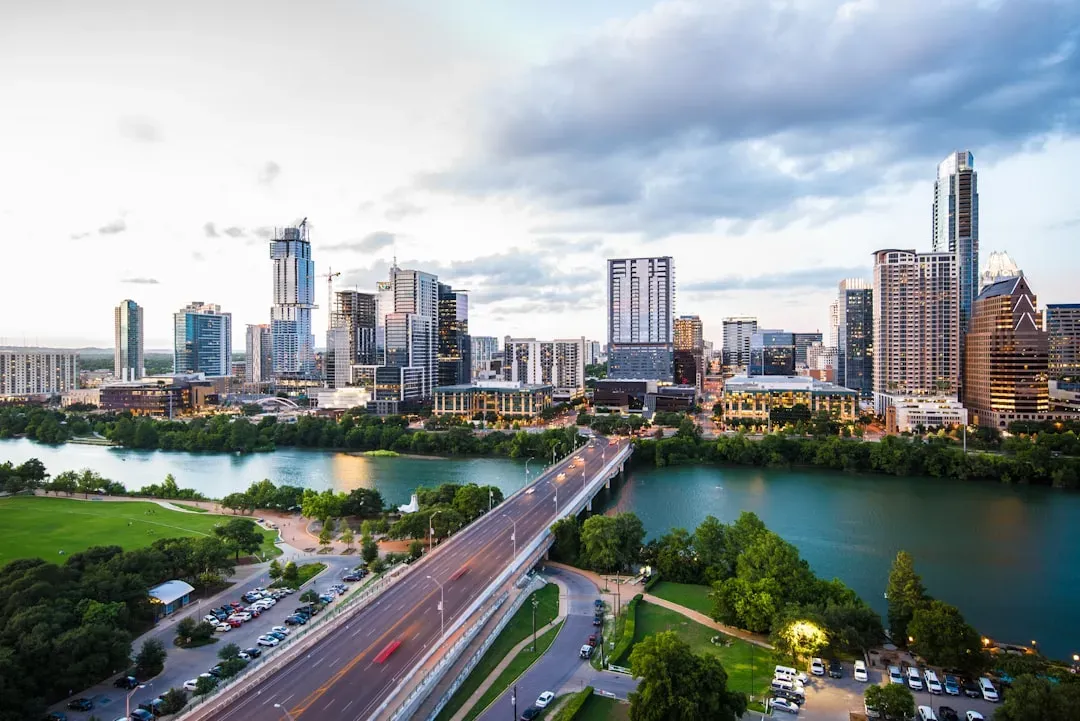
7. Austin, Texas (Image Credits: Unsplash)
Austin, a tech, music, and cultural hub, appeared five times as an origin city in top migration route data, with its rising home prices averaging 449,000 dollars in mid-2025 pushing some residents to reconsider their commitment to the city. Austin was the poster child for millennial migration throughout the 2010s, which is why the scale of departures now registers as a genuine surprise to an older generation that watched the city's rise with fascination.
Austin continues to see more move-outs, and both its presence on outbound lists and absence from inbound ones may signal a longer-term shift. Major Southern migration magnets like Texas and Florida are now experiencing balanced migration patterns, reflecting how rising housing costs are beginning to constrain even traditionally attractive regions. When the escape hatch becomes as expensive as the place people were escaping, the movement doesn't stop – it just redirects.
8. Miami, Florida

8. Miami, Florida (Image Credits: Unsplash)
Both millennials and Gen Z are leaving Florida in greater numbers than are arriving. Florida is no longer the hotspot of years past. Between 2021 and 2023, Florida consistently had at least six cities on the list of top cities people are moving to, but more recently, only two remain. Miami, the most globally visible of Florida's cities, reflects this shift most acutely, with soaring insurance costs and a housing market that has priced out much of the younger professional class.
Two Floridian cities actually made the list of top move-out cities, and many of those who left Florida moved to the Midwest, Colorado, New Mexico, Utah, and the Northeast. On the city level, Sarasota, Florida, saw one of the biggest millennial drop-offs recorded in recent data. Florida's long run as the default destination for every generation appears to be over, at least for younger Americans who find its costs now rival the coastal cities they were trying to leave behind.
The broader picture emerging from the data is one of generational recalibration. U.S. migration trends show steady movement toward midsize cities, particularly in lower-cost-of-living Southeastern states. In 2025, median U.S. home prices relative to median household incomes were near record highs, while the median homebuyer age has risen to 40, up from 29 in the 1980s, as buyers need more time to save. Younger Americans aren't abandoning urban life. They're simply demanding that it cost what they can actually afford to pay.