
Romantic regret sits in a category of its own. Research from Northwestern University found that 18% of respondents cited romantic regrets as their most significant life disappointment, making it the single most common domain of regret in adult life, ahead of career, education, and finances. That’s a striking figure when you consider all the things a person has to look back on across an entire lifetime.
What makes relationship regret particularly heavy is that it rarely comes down to one dramatic moment. Most of the time, it’s built from a series of quiet choices, each one small enough to rationalize at the time. Life regrets arise through reflective processes, where individuals assess their past decisions and compare their present life circumstances to imagined outcomes, had those choices been different. The seven choices below show up again and again in that kind of honest retrospection.
1. Staying in an Unfulfilling Relationship Far Too Long

1. Staying in an Unfulfilling Relationship Far Too Long (Image Credits: Pixabay)
Staying too long is a recognized source of deep regret. Sometimes regret comes from knowing that it would have been better to leave long ago and that time was “wasted” on a person or situation that wasn’t healthy and was unlikely to change, yet the person stayed, even knowing it wasn’t healthy or desirable in the long run. The sunk-cost feeling – the sense that leaving means admitting years were lost – keeps people locked in situations their instincts already rejected.
A perhaps surprising but well-documented regret among women surveyed in Northwestern research was that they had not broken off a romantic relationship sooner. The longer someone delays that exit, the more identity tends to erode. Research consistently shows that romantic relationships can significantly alter self-concept clarity, and the wrong relationships can devastate it.
2. Choosing a Partner Based on Fear of Being Alone

2. Choosing a Partner Based on Fear of Being Alone (Image Credits: Unsplash)
For some people, the decision to commit wasn’t driven by deep connection or passion. Instead, it was shaped by fear of being alone, societal expectations, or the belief that “good enough” would eventually feel like enough. Over time, this choice can lead to profound realizations, leaving people grappling with regrets that are as complex as the decision to settle itself.
One of the most significant regrets in these situations is the overwhelming sensation of being stuck in a life that doesn’t feel like one’s own. These individuals often describe their relationships as “safe” but emotionally hollow. They may have convinced themselves that things would improve over time or that love could grow, but instead they find themselves yearning for a life they can’t quite define.
3. Prioritizing Other People's Expectations Over Your Own

3. Prioritizing Other People's Expectations Over Your Own (Image Credits: Pexels)
Whether it was well-meaning relatives insisting it was “time to settle down” or the internalized belief that they were running out of time, these external forces often clouded judgment. Looking back, many people regret prioritizing others’ opinions over their own desires. Societal timelines around marriage and commitment can feel like facts when they’re really just inherited assumptions.
Normative expectations of lifespan development differ with respect to various contextual factors, including gender and sociocultural background. Societally imposed gender roles and cultural norms further influence the perceived expectations, opportunities, and constraints that impact an individual’s ability to attain their goals. Recognizing that pressure for what it is often only happens years later, in retrospect.
4. Losing Your Identity to Stay in the Relationship

4. Losing Your Identity to Stay in the Relationship (Image Credits: Unsplash)
The concept of differentiation of self, introduced by psychologist Murray Bowen, describes a person’s ability to maintain their own identity while staying emotionally connected. Enmeshment represents low differentiation, where your sense of self becomes entirely dependent on the other person’s presence and approval. The cruel irony is that the more you lose yourself, the harder it becomes to leave.
The Harvard Study of Adult Development has spent over 85 years confirming that good relationships are the single strongest predictor of health and happiness. The key word is “good,” meaning relationships that expand both people, where you become more yourself over time, not less. When the opposite happens, people often look back and find they’re grieving not just the relationship, but the version of themselves they left behind.
5. Settling Down Too Early Without Enough Self-Knowledge

5. Settling Down Too Early Without Enough Self-Knowledge (Image Credits: Unsplash)
Many people who commit too young “haven’t fully grown, formed, or experienced enough” beforehand to be familiar with what they want as fully-developed adults. Marrying or committing deeply before one’s sense of identity is stable can mean building a shared life on a foundation that shifts underfoot. Lacking in self-knowledge, young people may enter into relationships that “don’t quite meet what they need” because they weren’t clear enough on what those needs were, and therefore didn’t seek them out appropriately in the first place.
Licensed marriage and family therapist Shawntres Parks has noted that up until around age 25, the human brain is still developing, specifically the part responsible for making informed decisions about the potential consequences of life choices like marriage. Those who wait until after 25 have higher success rates in avoiding divorce than couples who commit before that age. This isn’t a universal rule, but it does reflect a real developmental pattern that many people wish they had known earlier.
6. Ending a Good Relationship Prematurely Out of Avoidance

6. Ending a Good Relationship Prematurely Out of Avoidance (Image Credits: Unsplash)
The fear of premature commitment is one of the most common reasons people cite for leaving relationships prematurely. Those partners have difficulty understanding the difference between commitment and entrapment. When people want security but cannot give up their freedom, they must ultimately make a choice. Sometimes they make it too quickly, before the relationship has had time to mature into something genuinely sustaining.
Research, as discussed by author Dan Pink, asserts that over time we tend to regret more what we did not do versus what we did do, and that regrets of inaction are far more common than regrets of action. This aligns with the broader research on regret, showing it to be temporal by nature. Walking away from a fundamentally good relationship because of temporary discomfort or fear of growth is, years later, among the most painful varieties of romantic regret.
7. Neglecting Emotional Connection Until It Was Too Late
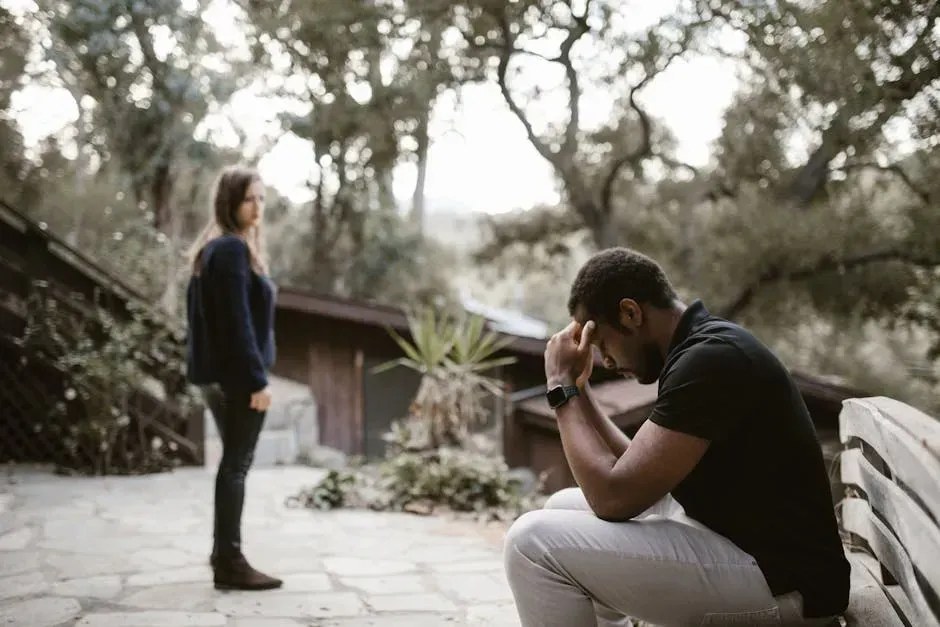
7. Neglecting Emotional Connection Until It Was Too Late (Image Credits: Pexels)
Intimacy often takes a backseat to comfort in long-term relationships, leaving a lingering sense of regret. The comfort of a steady partner can lull individuals into a false sense of security, where the effort to maintain intimacy gradually wanes. It rarely happens all at once. It’s a slow drift, easy to ignore until the distance becomes impossible to bridge.
Emotional neglect is an insidious regret that creeps up on those who stay in relationships without tending to their emotional foundation. With years of ignoring individual emotional needs for the sake of relational peace, many find themselves emotionally malnourished. Research published in the Journal of Family Psychology confirms that emotional validation is critical in maintaining relationship health and personal well-being. A lack of emotional support and recognition can lead to feelings of isolation and loneliness, even when living under the same roof.
What these seven choices share is something quieter than a single dramatic mistake. They’re the product of pressure, avoidance, and gradual drift, decisions that made sense in the moment but left people years later wishing they’d been more honest, more patient, or simply more willing to listen to themselves. Experiencing greater life regret is associated with negative effects on various aspects of well-being, including life satisfaction and depressive symptoms, which makes understanding these patterns worth taking seriously, not as a source of guilt, but as a guide for making clearer choices before they calcify into regret.