
Chefs spend their careers learning exactly how kitchens work, and that knowledge cuts both ways. They know which dishes shine when prepared with care, but they also know which ones are likely cutting corners on your dime. When professional cooks sit down on the other side of the pass, they scan menus with a very different eye than the average diner.
The results can be surprising. Some of the items that look most appealing on a menu are precisely the ones that experienced chefs quietly skip. Professional chefs spend their lives around food, working in kitchens that operate on razor-thin margins and tight schedules. Their inside knowledge of restaurant operations creates a fascinating perspective on dining out, and when these culinary experts choose where to spend their own money, they often avoid dishes that everyday diners eagerly order. Here are seven of those dishes.
The Daily Special
The Daily Special (Image Credits: Unsplash)
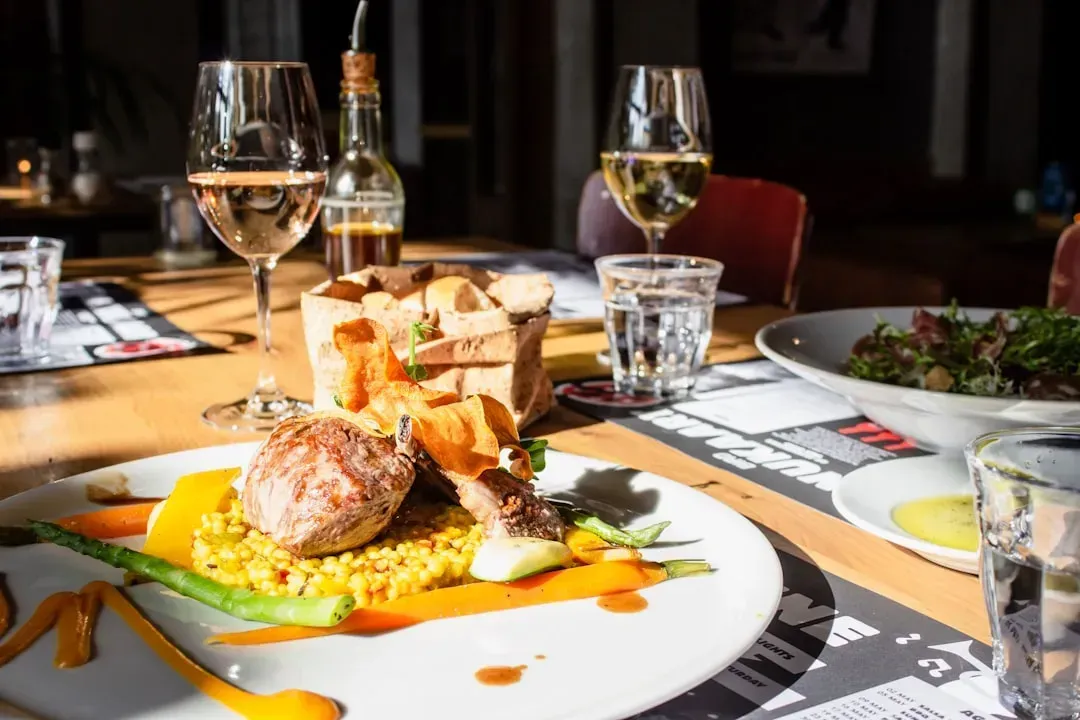
Chefs know a little secret about specials: they are often a way for the kitchen to use up ingredients that are about to expire. If you see a long list of specials, that can be a major red flag, and the same is true for a special that seems to be a permanent item on the menu. A true special is a limited-time offering that uses fresh, seasonal ingredients.
Ever notice how restaurant servers push the special of the day? Their reasons may be more economic than culinary. If a restaurant served salmon over the weekend but didn’t sell enough, that ingredient might reappear as fish taco specials on Monday. Servers say that is often exactly what goes through most chefs’ minds when they come up with the specials of the day. Worth keeping in mind next time a server leads with enthusiasm about that evening’s “featured” dish.
Eggs Benedict with Hollandaise Sauce
Eggs Benedict with Hollandaise Sauce (Image Credits: Pexels)
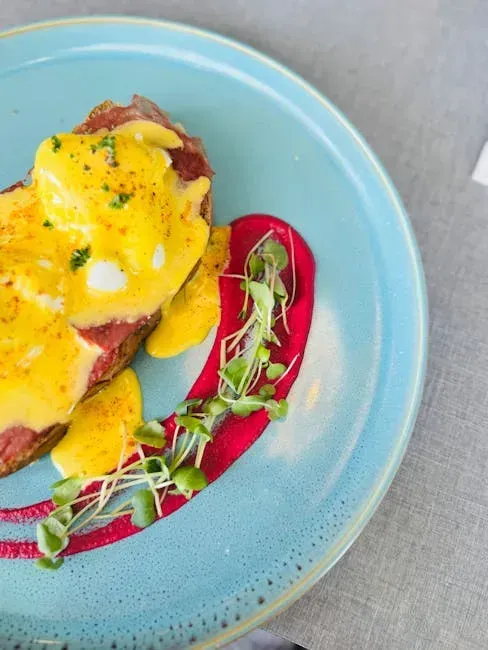
When Chef Clifton Dickerson of the Auguste Escoffier School of Culinary Arts admitted that he never orders eggs Benedict when dining out, it came as no surprise. Many chefs have spoken out against the ills of hollandaise sauce. Dickerson clarified that hollandaise is temperamental, especially during a busy brunch rush, and that if it’s not made to order or held just right, you can end up with a broken sauce or something that’s been sitting too long.
Hollandaise is one of the unhealthiest menu items at some restaurants, not only due to the excess calories it adds to a meal, but also because it comes with a certain health risk. If the sauce is left at the incorrect temperature, the raw egg yolks contained within can go bad, potentially resulting in a bad case of salmonella-related food poisoning. Busy brunch services often make large batches that sit out longer than recommended safety guidelines allow.
Fish on a Monday
Fish on a Monday (Image Credits: Pixabay)
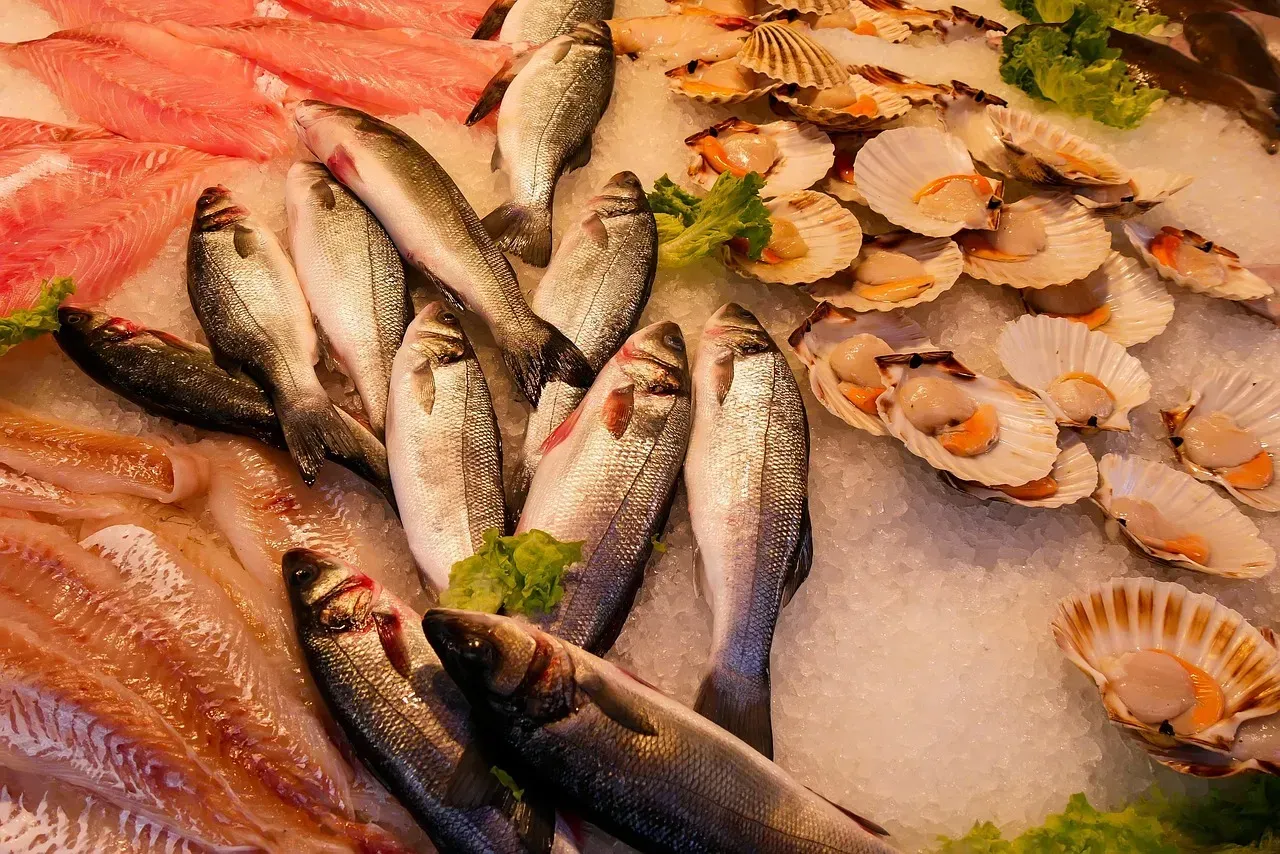
In Anthony Bourdain’s essay “Don’t Eat Before Reading This” in The New Yorker, he let readers in on a fishy little secret: fish is freshest on Tuesdays and Fridays when it’s delivered. He recommended avoiding fish altogether on Sundays and Mondays when it’s the end of the stock. That advice has stuck around the professional kitchen world ever since.
Chef Eric Duchene, executive chef of the JW Marriott Scottsdale Camelback Inn Resort and Spa, warns specifically to avoid fish specials with bacon, noting that bacon is used to cover up the smell of old fish. He also advises that raw fish should not be ordered on Sunday nights, because restaurants don’t receive deliveries on Sundays. Most restaurants rely on weekend stock that has been sitting in the cooler for several days, which often results in seafood that lacks the vibrant flavor and texture of a fresh catch.
Anything with Truffle Oil
Anything with Truffle Oil (C John Thompson, Flickr, <a href="https://creativecommons.org/licenses/by-sa/2.0/" target="_blank" rel="noopener">CC BY-SA 2.0</a>)
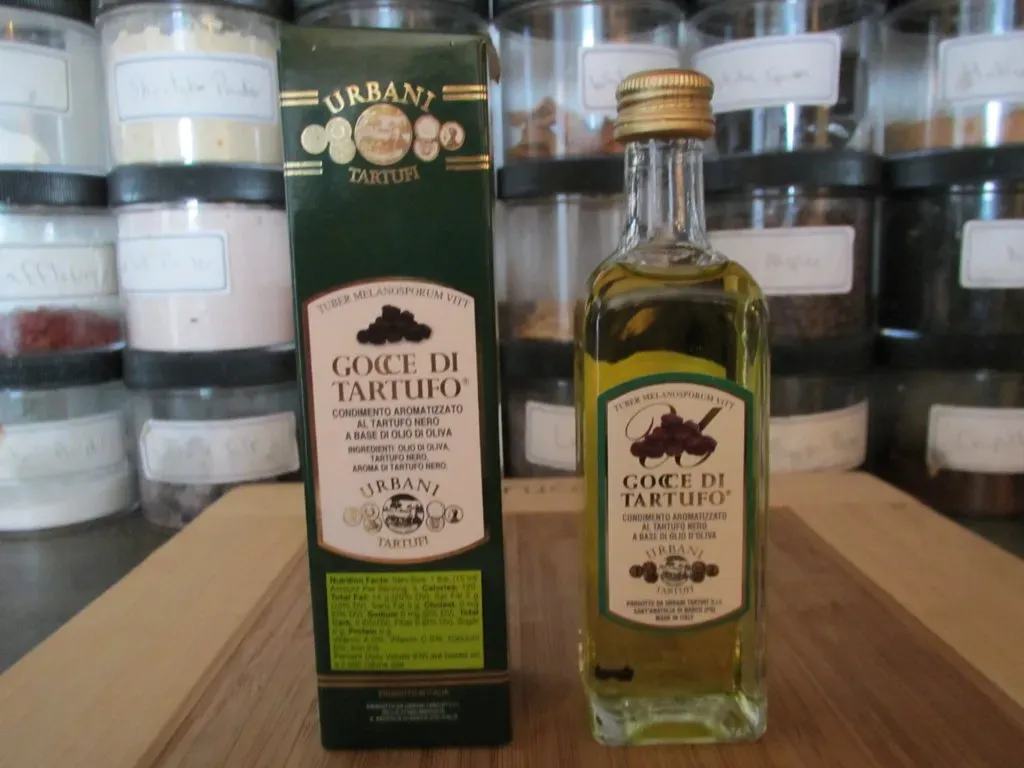
Truffle oil, often marketed as a luxurious ingredient, is one item chefs advise against ordering at restaurants. Most truffle oil used in restaurants is synthetic, made from chemical flavorings rather than real truffles. This means you’re paying a premium for an artificial product that can overpower dishes with its strong, unnatural taste.
Truffle oil is synthetic, most often made from a compound not found in real truffle, dissolved in neutral oil with a few decorative shavings for show. The result is artificial, heavy, and one-note. Chef Sarabjit Singh Assi of Sanjh Restaurant and Bar warned that “the obsession with truffle mushrooms, especially when synthetic truffle oil is being used, overpowers dishes, lacks nuance and often masks what could have been great ingredients.” That is a strong statement from someone who works with luxury ingredients for a living.
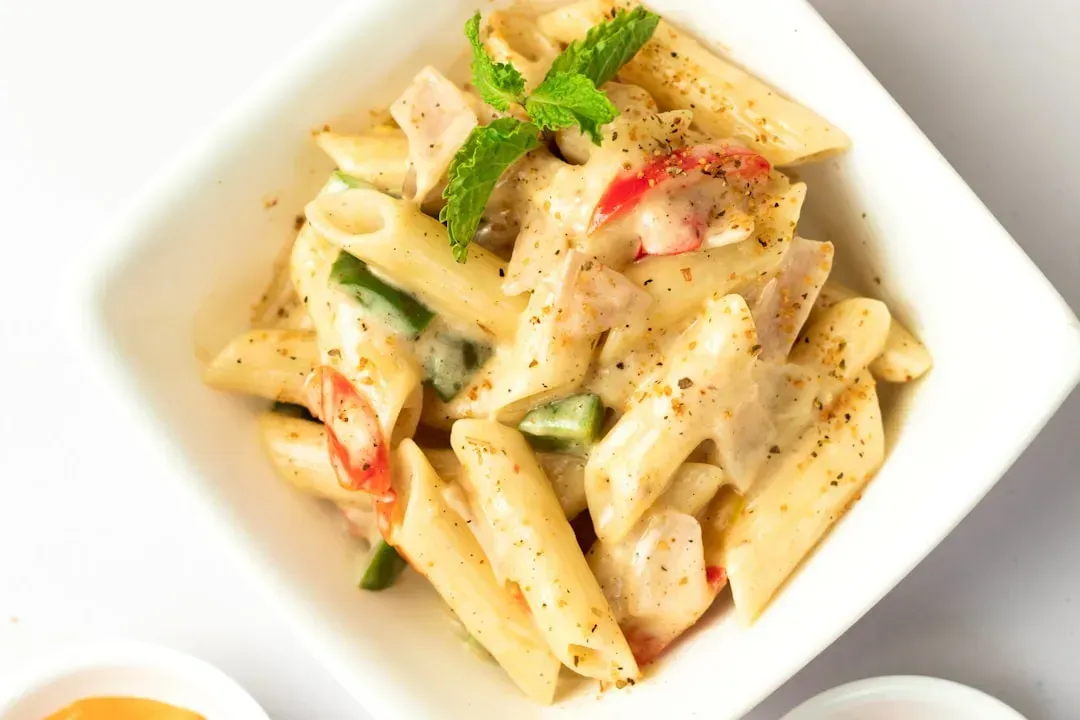
Fettuccine Alfredo
Fettuccine Alfredo (Image Credits: Unsplash)
This ubiquitous dish is often considered a boring menu filler that generates high profit margins for the restaurant. The chicken is frequently precooked and reheated, which leads to a dry and rubbery texture. Heavy cream sauces are used to mask the lack of freshness in both the protein and the pasta. Chefs rarely order this themselves as it represents a lack of creativity and culinary effort.
In the United States, Alfredo sauce is typically rich, buttery, creamy, and reliant on three basic ingredients: butter, Parmesan, and cream. The biggest Alfredo sauce misconception, however, is that it contains any cream at all. The original Italian Alfredo sauce recipe contains just two ingredients: butter and Parmesan. What most American restaurants serve bears little resemblance to the genuine article, and its rich, heavy sauce can be overdone, making the dish more about cream than flavor. Chefs often find this dish lacks complexity.
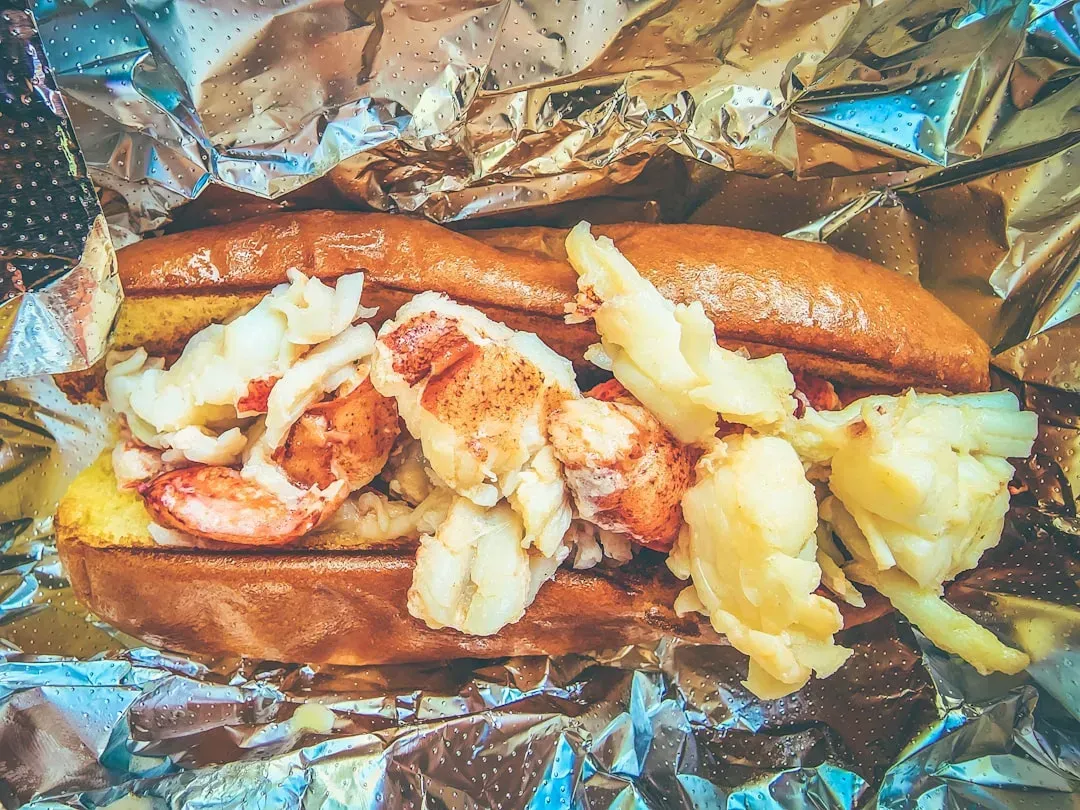
The Lobster Roll
The Lobster Roll (Image Credits: Unsplash)
That buttery lobster roll looks like the ultimate indulgence, but many chefs see it as a trap. It’s true that the labor involved in prepping it is significant, but the other ingredients are cheap. That means you’re often paying a high price for the experience rather than the ingredients.
There’s no doubt lobsters are expensive to source, which influences the cost. As one chef put it, there’s a lot of labor involved in harvesting and prepping lobster, but the rest of the ingredients cost very little. He feels people have become used to paying higher prices without questioning them. The markup on a lobster roll is one of the widest in the restaurant business, and professional cooks know it well enough to quietly pass.
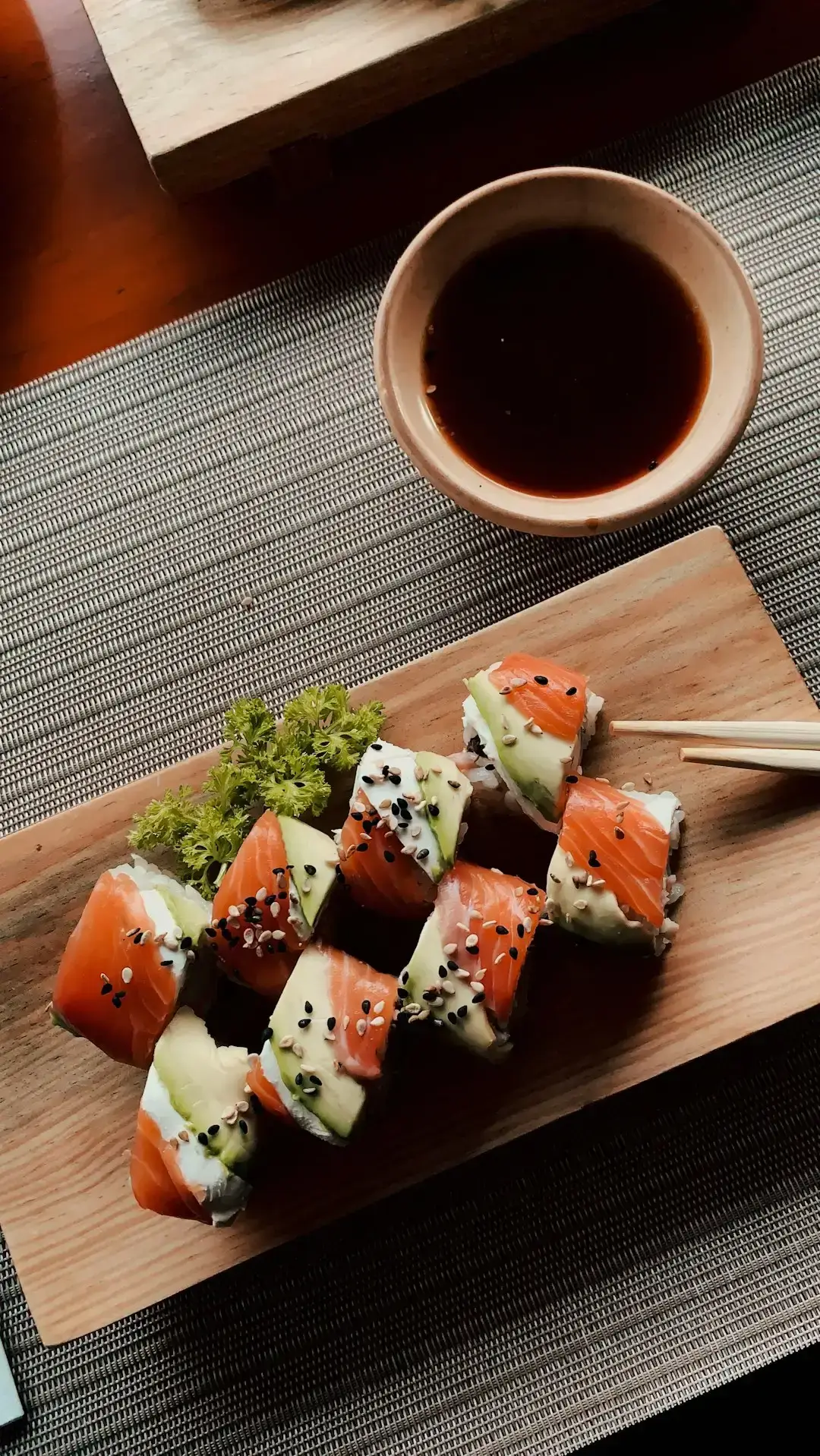
Sushi at a Non-Specialist Restaurant
Sushi at a Non-Specialist Restaurant (Image Credits: Unsplash)
There are some basic sushi restaurant red flags worth watching out for. For example, if the restaurant smells overly fishy or if there’s a chemical aroma when you walk inside, that’s a big sign that you could be served bad seafood that could make you seriously ill. Additionally, if the sushi rice is dry, clumpy, or puffy, it may be a sign that it’s likewise not suitable for eating.
Anthony Bourdain also warned against ordering sushi at a restaurant that also serves steak, noting that neither will be any good. Ordering sushi from a non-specialized restaurant can be risky. The quality of fish and preparation might not meet the high standards expected from dedicated sushi establishments. Chefs recommend enjoying sushi where the chefs have expertise in Japanese cuisine. It’s a dish that rewards specialization more than almost any other, and generalist kitchens rarely give it the focus it needs.
The through-line across all seven of these dishes is simple: chefs think about freshness, margins, and kitchen workflow in ways that most diners never do. Knowing what to skip isn’t about being difficult. It’s about ordering what a kitchen is genuinely proud of rather than what it needs to move. That shift in perspective is worth carrying to your next dinner out.