
Every parent has been there: exhausted, second-guessing a choice made in a tense moment, wondering if this one thing will somehow leave a mark. Modern parenting culture has a gift for turning ordinary struggles into high-stakes moral tests, layering on advice until even a grocery trip feels like a developmental opportunity. The result? A lot of unnecessary conflict, stress that doesn’t serve anyone, and habits that feel purposeful but quietly work against the connection parents are actually trying to build.
Therapists who work with children and families tend to flag the same patterns, over and over. Not dramatic failures, but everyday habits that seem reasonable on the surface and turn out to cost far more than they’re worth. Here are six that consistently top that list.
1. Shielding Kids from Every Uncomfortable Feeling

1. Shielding Kids from Every Uncomfortable Feeling (Image Credits: Unsplash)
When children are chronically anxious, even the most well-meaning parents, not wanting a child to suffer, can actually make the youngster’s anxiety worse. It happens when parents try to protect kids from their fears. The instinct is loving, but the mechanics backfire. Helping children avoid the things they are afraid of will make them feel better in the short term, but it reinforces the anxiety over the long run. A lot of caring parents can think that helping children to avoid their fears is helpful, because they see the reduction in anxiety in the short term. What this does is send the message to kids that they can’t handle this situation, that they need to continue to avoid it.
Clinicians note that “the main mechanism that grows anxiety symptoms over time is avoidance, where a child escapes the experience of anxiety, embarrassment, uncertainty, distress, or other negative sensations.” The good news is that the fix is far less dramatic than it sounds. It’s helpful for parents to let kids with anxiety know that they’re going to be okay, even if they’re scared. You can’t promise your child that nothing bad will happen. But you can express confidence that they can face their fears and feel less afraid over time.
2. Helicopter Parenting and Over-Controlling Every Outcome

2. Helicopter Parenting and Over-Controlling Every Outcome (Image Credits: Unsplash)
Snowplow parents clear every obstacle in advance so kids never have to struggle. Helicopter parents hover overhead, monitoring and managing every bump in the road. Each gesture is driven by love, yet study after study suggests that when parents constantly rush in to ease discomfort, solve problems, and orchestrate outcomes, children quietly lose something fundamental: resilience, confidence, and a sense of ownership over their own lives. The costs compound over time. Because children were never taught the skills to function independently, and because they may have been held to unattainable or even “perfectionist” standards, children of helicopter parents can experience anxiety, depression, a lack of confidence, and low self-esteem. Another issue is that if these kids have never experienced failure, they can develop an overwhelming fear of failure and of disappointing others.
Helicopter parenting prevents children from learning skills that help them achieve independence and autonomy, and these adverse effects become particularly apparent as children enter adulthood. Even though helicopter parents mean well, their behaviors can cause harm to their children and continue as they move into adulthood. Stepping back isn’t neglect. It’s one of the more useful things a parent can do. What children need to understand is that “we succeed by our failures,” and we learn the most from when we screw up and have the ability to modify our behavior.
3. Using Guilt Trips to Get Compliance

3. Using Guilt Trips to Get Compliance (Image Credits: Pexels)
Guilt-trip parenting is a manipulative tactic where parents make their children feel guilty in order to control their behavior or get what they want. It shows up in small phrases most parents recognize instinctively, and it’s remarkably common. Guilt-trip parenting is considered one of the least effective parenting strategies. It may help parents get what they want in the short term, but it can damage a child’s emotional well-being and weaken the parent-child relationship over time.
The negative effects of guilt tripping on children’s development can be far-reaching and long-lasting, including low self-esteem, anxiety and depression, lack of resilience and self-confidence, and the potential for a strained relationship with the parent. Research published in the Journal of Family Psychology found that guilt-inducing parenting causes distress and anger that is still measurable the next day. The alternative is simpler than most parents expect: direct limit-setting parenting does not have the long-lasting negative effects that guilt-inducing parenting has, and there is no need to have a long discussion with the child about behavior beyond what not to do and why it is inappropriate.
4. Chasing Parenting Perfection
4. Chasing Parenting Perfection (Image Credits: Pexels)
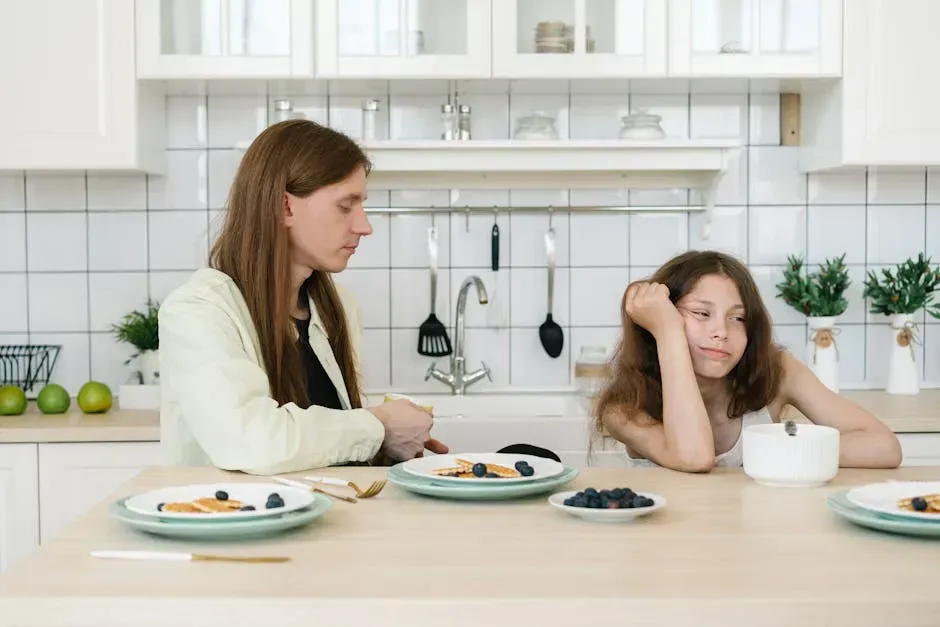
Parenting can quietly become a performance. What begins as love, devotion, and the desire to “do it right” can slowly morph into chronic self-monitoring, guilt, comparison, anxiety, and the exhausting belief that one wrong response could damage your child forever. Parental perfectionism is the belief, often unconscious, that good parenting requires flawless emotional responses, constant availability, perfect decision-making, and total prevention of a child’s pain.
Perfectionistic parenting often over-relies on control because control reduces anxiety, and parental perfectionism is often love filtered through fear. Research has long linked perfectionist parental expectations to lasting harm. Too much intrusive parenting can be harmful and contribute to depression, anxiety, self-harm and eating disorders in an adult child. A study of more than 20,000 college students over 32 years linked students’ rising drive toward perfectionism to parental expectations and criticism. Therapists consistently point toward the same corrective: sometimes the most powerful gift a parent can offer is not perfection, but the lived experience of repair, humanity, and secure love after imperfection.
5. Over-Scheduling Children's Time
5. Over-Scheduling Children's Time (Image Credits: Unsplash)
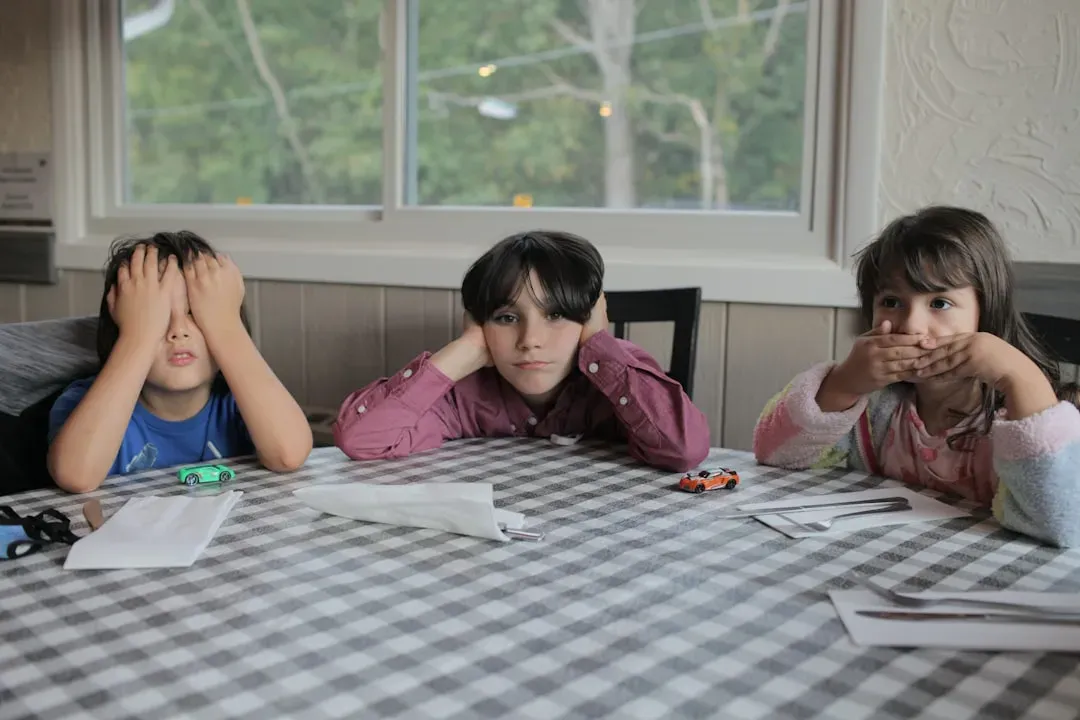
Scheduling children’s free time into near extinction sends a powerful message psychologically: your life is a project we are managing, and you are not the main decision-maker here. Children may appear to thrive under relentless structure, collecting achievements and praise, but therapists often hear a different story in session. In private, therapists hear children say things like “I don’t know what I actually like” and “my worth is in what I achieve, not who I am.” Internally, these children are living on a brittle foundation of borrowed expectations.
An outgrowth of helicopter parenting combined with achievement culture is a rise in perfectionism in kids, teens, and young adults. Research has shown that perfectionism has consistently and steadily increased. Perfectionism can become self-oriented, where the necessity for being perfect and never making mistakes takes a serious toll on youth. Unstructured time is not wasted time. It’s where kids figure out who they actually are, which turns out to matter quite a lot later.
6. Modeling Anxiety and Catastrophic Thinking Out Loud

6. Modeling Anxiety and Catastrophic Thinking Out Loud (Image Credits: Pexels)
There is evidence that children of anxious parents are more likely to exhibit anxiety themselves, a probable combination of genetic risk factors and learned behaviors. It can be painful to think that, despite your best intentions, you may find yourself transmitting your own stress to your child. The transmission happens in small, ordinary moments, not in dramatic ones. How parents talk about how they view the world can affect the way kids see the world, too.
If you are an anxious parent with an anxious child, try to model healthy ways of handling your own anxiety. Don’t pretend that you don’t experience stress, but do let kids hear or see you managing it calmly, tolerating it, and feeling good about getting through it. That kind of modeling is far more instructive than any conversation about feelings. As you learn to tolerate stress yourself, you will in turn be teaching your child, who takes cues from your behavior, how to cope with situations of uncertainty or doubt. The goal was never a stress-free household. It was always a household that knows what to do with stress when it shows up.
Dropping these habits doesn’t require a personality overhaul or an entirely new approach to parenting. Most of what therapists recommend is quieter than that: a bit less intervening, a bit less performing, a bit more trust that children are more capable of handling discomfort than the culture of modern parenting has given them credit for.