
There’s a specific kind of tired that no amount of socializing fixes. You cancel one thing, feel relieved, then immediately fill the gap with something else because an empty evening feels wrong somehow. The trouble is, more plans rarely solve what’s actually going on underneath.
Sometimes the answer isn’t a new hobby, a bigger friend group, or a fuller calendar. Sometimes your nervous system is simply asking for quiet, and mistaking that request for boredom or loneliness only makes things worse. Here are seven signs worth paying attention to before you book another thing.
1. You feel drained after seeing people you actually like
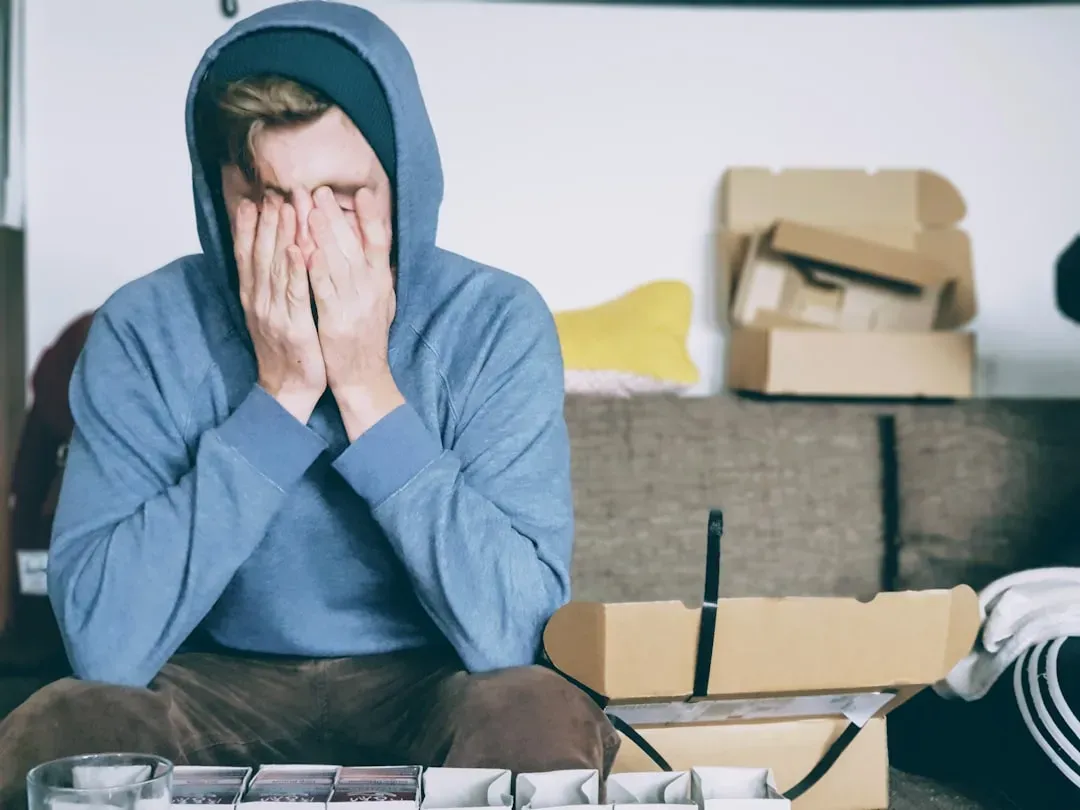
1. You feel drained after seeing people you actually like (Image Credits: Unsplash)
This one confuses people the most. You had a genuinely good time at dinner, the conversation flowed, nobody said anything annoying, and yet you get home and feel like you ran a small race. That gap between enjoying an interaction and feeling wiped out by it is a classic marker of needing recovery time, not better company.
Social fatigue isn't about the quality of the people around you. It's about how much energy your brain spends reading faces, managing tone, and staying present, all of which adds up regardless of how pleasant the company is. If good interactions still leave you flattened, the fix is space, not a different guest list.
2. Your thoughts only get clear when you're by yourself

2. Your thoughts only get clear when you're by yourself (Image Credits: Unsplash)
Notice when your best ideas show up. For a lot of people it's in the shower, on a solo walk, or during a quiet commute, never in the middle of a group conversation. That pattern isn't a coincidence.
Group settings pull attention outward, toward other people's reactions and the flow of conversation, leaving little room for your own thoughts to settle. If you consistently feel foggy around others but sharp when alone, that's your brain telling you it needs uninterrupted space to actually think, not more input to process.
3. You've started dreading your phone buzzing

3. You've started dreading your phone buzzing (Image Credits: Unsplash)
A single text shouldn't feel heavy, but when you're overextended, even a casual "hey, free this weekend?" can trigger a small flash of dread. That reaction isn't about the person texting. It's a sign your social battery is already running low and every new request feels like another withdrawal.
When invitations start feeling like obligations rather than opportunities, it usually means you've been running on empty for a while. The instinct might be to push through and say yes anyway, but that dread is useful information, not something to override.
4. Small annoyances are hitting harder than usual

4. Small annoyances are hitting harder than usual (Image Credits: Unsplash)
Snapping at a slow driver, getting irrationally irritated by a coworker's typing, feeling unusually short with people you love, these are all signs that your patience reserves are running low. Irritability is often less about the immediate trigger and more about a background load that's been building for days or weeks. Alone time acts as a kind of pressure release valve for that buildup.
Research on stress and recovery consistently shows that unstructured downtime helps regulate mood and lowers reactivity, while constant stimulation keeps the nervous system on alert. If everything feels slightly more irritating than it should, that's rarely a "people" problem. It's usually a bandwidth problem.
5. You keep saying yes and then quietly resenting it

5. You keep saying yes and then quietly resenting it (Image Credits: Unsplash)
Agreeing to plans out of guilt or habit, then feeling a flicker of resentment the moment you hang up the phone, is a pattern worth noticing. That resentment isn't really about the other person or the plan itself. It's a signal that you don't have enough time reserved for yourself, so every outward commitment starts to feel like it's taking from a pool that's already too shallow.
This cycle tends to feed itself, since resentment makes socializing feel worse, which makes you crave escape more, which then makes the next invitation feel even heavier. Breaking it usually starts with protecting solo time first, so that saying yes to others doesn't feel like saying no to yourself.
6. Crowded or noisy environments feel unusually overwhelming
6. Crowded or noisy environments feel unusually overwhelming (Image Credits: Pexels)
A grocery store that never used to bother you suddenly feels chaotic. A coffee shop with normal background noise starts to feel loud and distracting. This shift in sensory tolerance often shows up before people consciously recognize they're overextended.
Sensory processing takes real cognitive effort, and when your baseline stress is already elevated, your capacity to filter out noise and movement shrinks. That's why an environment that felt fine last month can suddenly feel like too much. It's less about the environment changing and more about your reserves running lower than usual.
7. You fantasize about canceling everything and disappearing for a day
7. You fantasize about canceling everything and disappearing for a day (Image Credits: Pexels)
If you've caught yourself imagining a fake illness just to get a day with no plans, that's not laziness or antisocial behavior. It's a fairly direct signal from your body that it needs uninterrupted time to reset. The fantasy itself is informative, even if you never act on it.
People rarely daydream about escaping things that are genuinely nourishing them. When the appeal of doing absolutely nothing starts to feel stronger than the appeal of any specific plan, that's usually a sign the balance between social output and personal recovery has tipped too far in one direction.
None of these signs mean something is wrong with you or that you've suddenly become antisocial. They're simply signals, the kind that are easy to override in a culture that treats a packed calendar as a sign of a good life. Paying attention to them early, rather than after burnout sets in, usually makes it much easier to enjoy the plans you do choose to keep.