
Every generation falls in love. That much is universal. What changes, though, is almost everything else – how people meet, what they expect, how long they wait, and whether they even bother with a label at all. The gap between a Baby Boomer’s idea of commitment and a Gen Z “situationship” is almost comically wide when you put them side by side.
Honestly, it’s one of the most fascinating social stories of our time. The forces shaping how we bond with other people – economic pressure, technology, feminism, mental health awareness – have shifted so dramatically in the past 60 years that each generation is essentially playing a different game by different rules. Here’s a look at the seven most telling differences. Let’s dive in.
1. How Quickly They Commit (Or Don't)

1. How Quickly They Commit (Or Don't) (Image Credits: Unsplash)
Baby Boomers grew up seeing marriage as a lifetime partnership and committed to it early. According to Pew Research Center, roughly three quarters of Boomers were married by age 35, compared to only 44% of Millennials. Marriage was treated almost like a rite of passage, something you did in your early twenties alongside getting a first job and renting your first apartment. The idea of waiting felt almost rebellious.
Millennials with a strong focus on stability, often delaying marriage until they feel financially and emotionally prepared. Many prioritize open communication and seek counseling early on. This shift in mindset reflects a broader trend toward intentional relationship-building, which may actually contribute to lower divorce numbers compared to previous generations. For Millennials and Gen Z, marriage has moved from being an early "starter step" into a later "capstone" that often comes after education, career stability, and housing.
2. The Role of Technology and Dating Apps

2. The Role of Technology and Dating Apps (Image Credits: Pixabay)
The growing popularity of online dating and dating apps is strongly associated with the Millennial generation, with roughly three quarters of single Millennials using dating apps and spending an average of two hours a day on them. Social media plays a major role in how they meet partners. Think about that for a second. Two hours a day. That's more time than many people spend exercising or reading in an entire week.
According to a 2023 study by Statista and the 2024 D.A.T.E. report from Hinge, Gen Z is becoming more critical of what dating apps have to offer. Many members of Gen Z find their partners offline, through school, chance encounters, or, much more than a decade ago, through matchmaking agencies. So here is an irony that almost writes itself: the most digitally native generation is quietly turning away from digital dating.
3. How They Define Commitment and Relationship Labels

3. How They Define Commitment and Relationship Labels (Image Credits: Unsplash)
Baby Boomers, born between 1946 and 1964, often adhered to traditional relationship roles. This generation valued long-term commitments and viewed marriage as a key milestone. There was a clear script, and most people followed it. You dated, you got serious, you got married. Deviation from that path was noticed, sometimes judged.
Many Gen Z individuals view relationships as an addition to their life, not the center of it. Labels like "boyfriend" or "girlfriend" can feel restrictive. Freedom, personal growth, and mental health often come before romantic commitment. Comparative research suggests that Gen Z exhibits greater openness toward fluid relationship boundaries, shorter courtship periods, and more individualized criteria for relationship satisfaction than earlier generations, reflecting broader cultural shifts toward flexibility and self-determination.
4. Communication Styles Within Relationships

4. Communication Styles Within Relationships (Image Credits: Unsplash)
Boomers and Gen X tend to prefer structured, one-on-one conversations, while Millennials and Gen Z are more comfortable with collaborative and digital channels. For older generations, a serious conversation happened face to face, or at least on the phone. There was a weight and directness to it. A difficult talk required a specific time and place.
A Hinge survey of more than 30,000 daters reveals that 84% of Gen Z daters want to find new ways to build deeper connections with the people they're dating. However, Gen Z daters are 36% more hesitant than millennials to begin a deep conversation on the first date. This disconnect between the deeper connection daters want and their willingness to initiate it is real. It's a strange paradox. They want depth. They're just terrified of going first.
5. Attitudes Toward Marriage and Divorce

5. Attitudes Toward Marriage and Divorce (Image Credits: Unsplash)
Baby Boomers actually hold the title for the highest divorce rates among all generations. Millennials, on the other hand, divorce less, even though modern life throws plenty of curveballs their way. Studies show only 18.3% of millennial marriages end in divorce after 10 years, compared to 23% for Generation X and 22% for Baby Boomers. This is one of those statistics that catches people completely off guard.
Millennials often wait until their late twenties or early thirties to marry. Waiting longer means individuals are more mature, financially stable, and sure of their life goals. Cohabitation before marriage is also common, which may help couples test compatibility and communication before making a long-term commitment. In other words, Millennials treat marriage less like a leap of faith and more like a calculated, well-researched decision. Whether that's romantic or practical probably depends on who you ask.
6. The Influence of Mental Health and Self-Growth on Relationships

6. The Influence of Mental Health and Self-Growth on Relationships (Image Credits: Unsplash)
Millennials place strong value on open communication, mental health, and shared responsibilities in relationships. Social media and technology enable millennials to access support, counseling, and advice, tools that may help prevent problems from escalating. This generation was among the first to openly discuss therapy as a normal part of life, and that shift has had a real impact on how they handle relationship conflict.
If Generation Z is turning away from romantic relationships, it is not necessarily because of a lack of desire to connect, but probably because of an increased sense of vulnerability, fueled by a rise in mental health problems and a climate of social, economic, and political insecurity. A recent study discovered that young people are having less sex than their counterparts in past decades. While this is influenced by a range of factors, the greatest is that Gen Z's focus on self-care and mental wellbeing has shifted attitudes about casual hookups. It's a generation that wants intimacy but is deeply cautious about the cost of vulnerability.
7. Views on Gender Roles and Equality in Partnerships
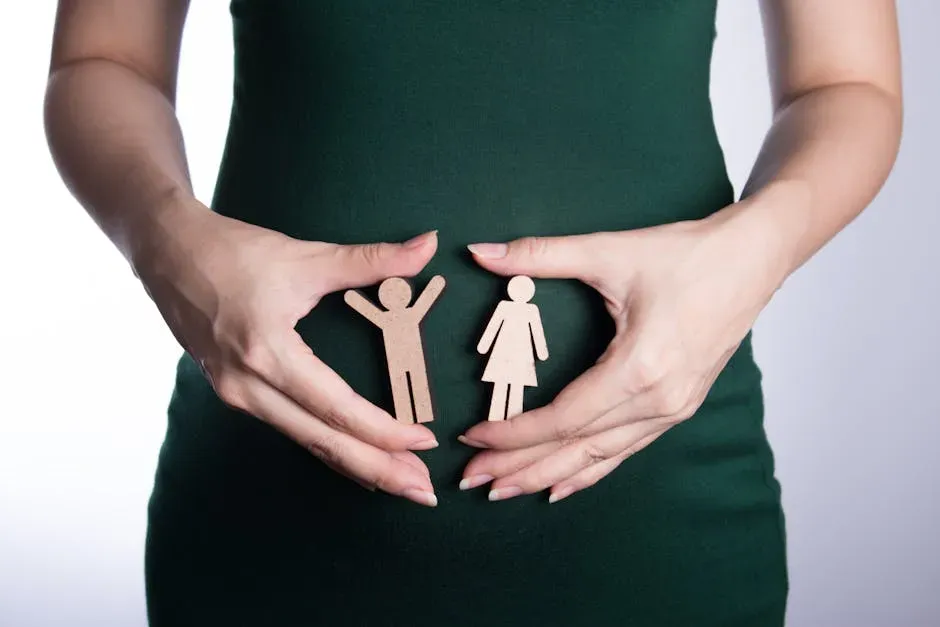
7. Views on Gender Roles and Equality in Partnerships (Image Credits: Pexels)
The rise of individual freedom and self-expression transformed the relationship landscape for Baby Boomers. Marriages began happening later in life, and there was greater acceptance of divorce and non-traditional relationship forms. That was genuinely radical for its time. Still, many Boomer partnerships remained organized around fairly traditional gender roles, with one partner (typically the woman) prioritizing the household.
Most Millennials, roughly nearly three quarters, choose the modern egalitarian model, in which both partners have jobs and both take care of the household and children, over the traditional male breadwinner model. Gen Z is the most LGBTQ+ inclusive generation to date. Many reject rigid gender roles and embrace relationship fluidity. Pronouns, sexuality, and gender identities are discussed openly and respected, with relationships often prioritizing emotional safety, consent, and mutual exploration over social expectations. The shift from "assigned roles" to "negotiated partnership" has arguably never been more pronounced than it is right now.
What's striking, when you look across all seven of these dimensions, is that no generation has love "figured out." Boomers committed early and divorced often. Gen X took a pragmatic turn. Millennials are cautious but optimistic. Gen Z is idealistic yet hesitant. Each generation inherited the emotional debris of the one before it and then tried to do things differently. Sometimes that led to progress. Sometimes it just created new complications. The question worth sitting with is simple: which lessons from each generation are actually worth keeping? What do you think? Drop your thoughts in the comments.