
Kitchen design has always been a moving target. What looks fresh and modern one year can feel surprisingly tired just a few seasons later, and the pace of that shift has only accelerated in recent years. Homeowners are pouring real money into renovations, yet many are discovering that the trends they chased are already starting to date their spaces before the paint has fully dried.
So what exactly are designers and industry insiders walking back right now? Some of these reversals might surprise you. Others might make you quietly glad you never jumped on the bandwagon. Let’s dive in.
1. The All-White Kitchen
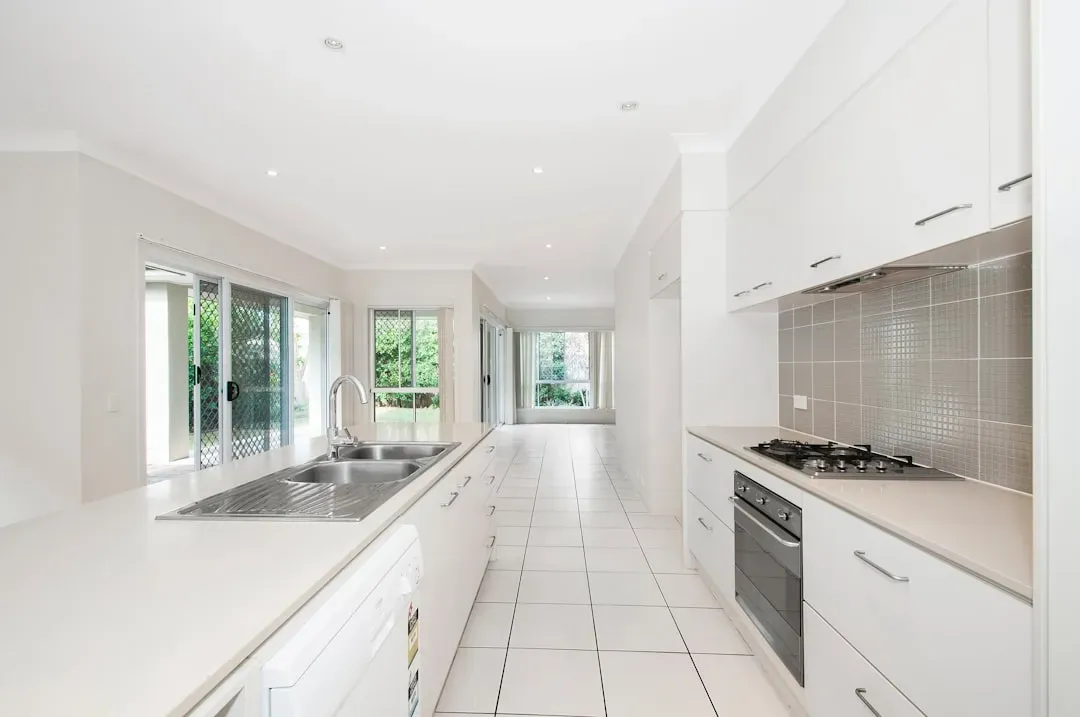
1. The All-White Kitchen (Image Credits: Unsplash)
For a long time, the all-white kitchen was the gold standard of clean, aspirational design. It photographed beautifully, it felt timeless, and builders leaned on it as a safe default. Honestly, it worked – until it was absolutely everywhere. The all-white kitchen era is officially behind us, with rich wood tones, bold stone, and layered textures taking center stage – spaces that feel collected and soulful rather than sterile.
According to a survey of 101 interior design experts, the "all-white" kitchen is on its way out, confirmed by the vast majority of professionals, and it's being replaced by warm neutrals and earth tones. Sterile, monochromatic palettes can feel cold and uninspired in 2026, and today's designers are adding depth with earthy tones, wood accents, and contrasting cabinetry instead.
2. Open Shelving Overload
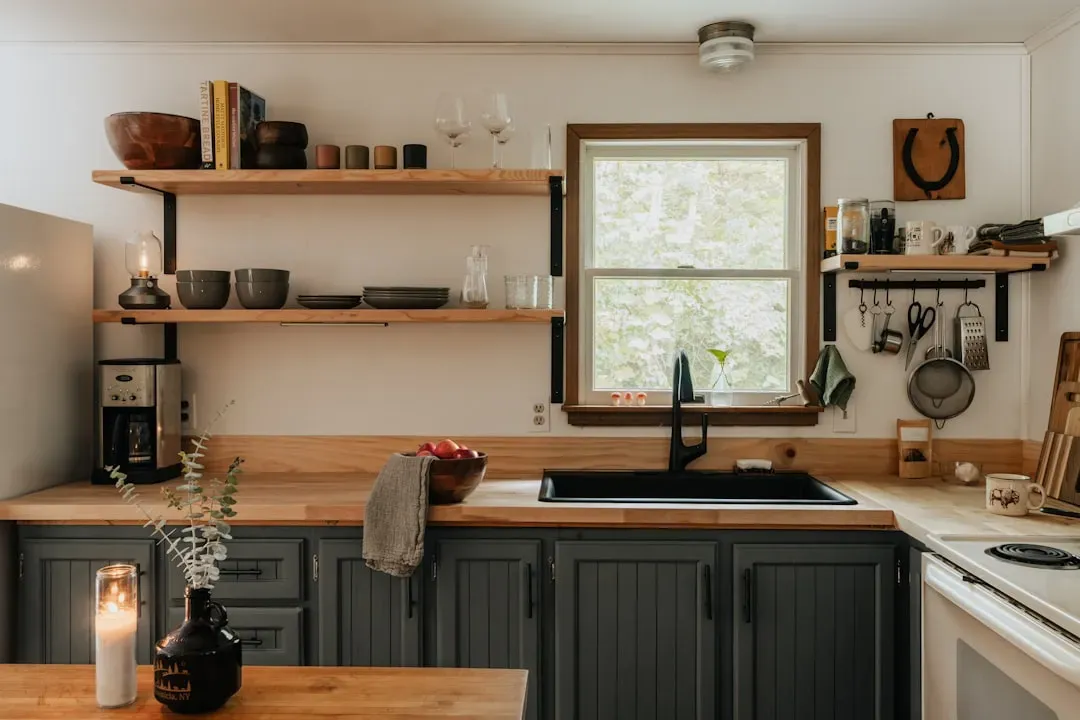
2. Open Shelving Overload (Image Credits: Unsplash)
Open shelving had a serious moment. It felt curated, relaxed, and refreshingly honest – like you were showing off your beautiful pantry rather than hiding chaos behind closed doors. The reality, as most homeowners discovered, was a little less Pinterest-worthy. Once hailed for its "airy charm," open shelving is now criticized for its impracticality, with designers noting that dust build-up and styling demands make it a less functional choice – and homeowners are opting for a few curated open elements within mostly enclosed cabinetry instead.
Any trend that reaches saturation should send alarm bells, and open shelving that once dominated kitchen #shelfies now feels like a source of visual clutter. It's a bit like displaying all your books spine-out with no organizational logic – looks great in theory, exhausting in practice. Multiple contractors have mentioned open shelving as an outdated trend worth reconsidering.
3. The Industrial Kitchen Look
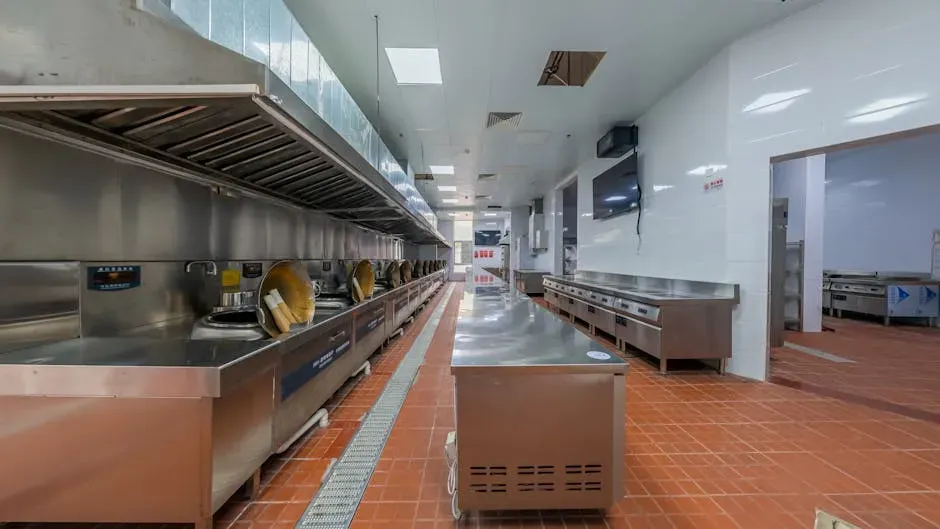
3. The Industrial Kitchen Look (Image Credits: Pexels)
Exposed brick, concrete countertops, hanging metal pipes, and factory-style pendant lighting – the industrial kitchen was undeniably cool for a stretch. It borrowed energy from converted loft apartments and urban restaurants, and it felt edgy in a domestic setting. Then it became the default choice for a certain type of renovation, losing all its edge in the process. The raw, concrete-heavy industrial look complete with exposed ducts and metal finishes is being replaced, with designers pivoting toward warmer, more organic textures like natural stone, reclaimed wood, and softer finishes.
Industrial style has its place, but that place is no longer the kitchen in 2026, as overly industrial looks can take over the aesthetic and overpower other elements of the design. The shift makes sense if you think about it. Kitchens are deeply personal spaces. Cold and cavernous was never really the vibe most people actually wanted to cook in every day.
4. Matte Black Hardware Everywhere
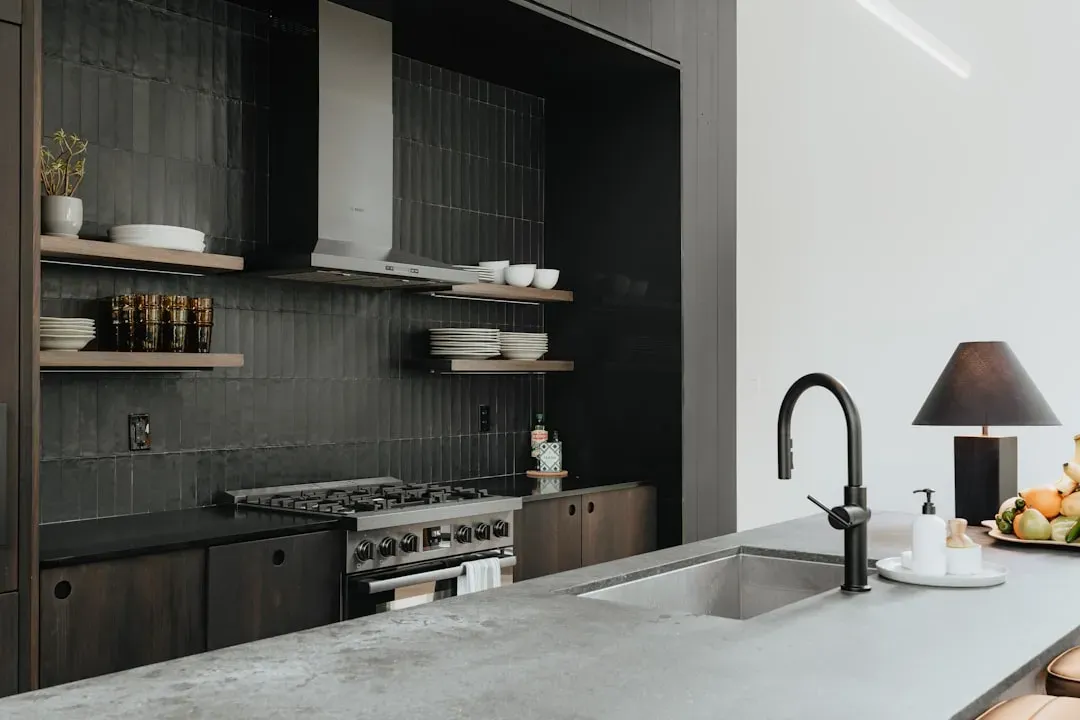
4. Matte Black Hardware Everywhere (Image Credits: Unsplash)
Matte black hardware swept through kitchen design with a kind of ruthless efficiency. It was the easy upgrade – swap out old pulls for sleek black ones and suddenly your kitchen looked five years newer. The problem? Everyone did exactly that, at roughly the same time. Although once stylish, matte black hardware and faucets are becoming overdone, with designers now reporting that warmer metallics like brass, copper, and brushed nickel are favored for adding richness and depth.
High polish finishes are also falling out of favor in 2026, with brushed and satin finishes now the most popular choices – a muted sheen is the safest bet for the kitchen. Think of it as the hardware equivalent of fast fashion. When something becomes ubiquitous, it stops feeling like a choice and starts feeling like a template. Warmer metals simply carry more personality right now.
5. Busy Granite Countertops
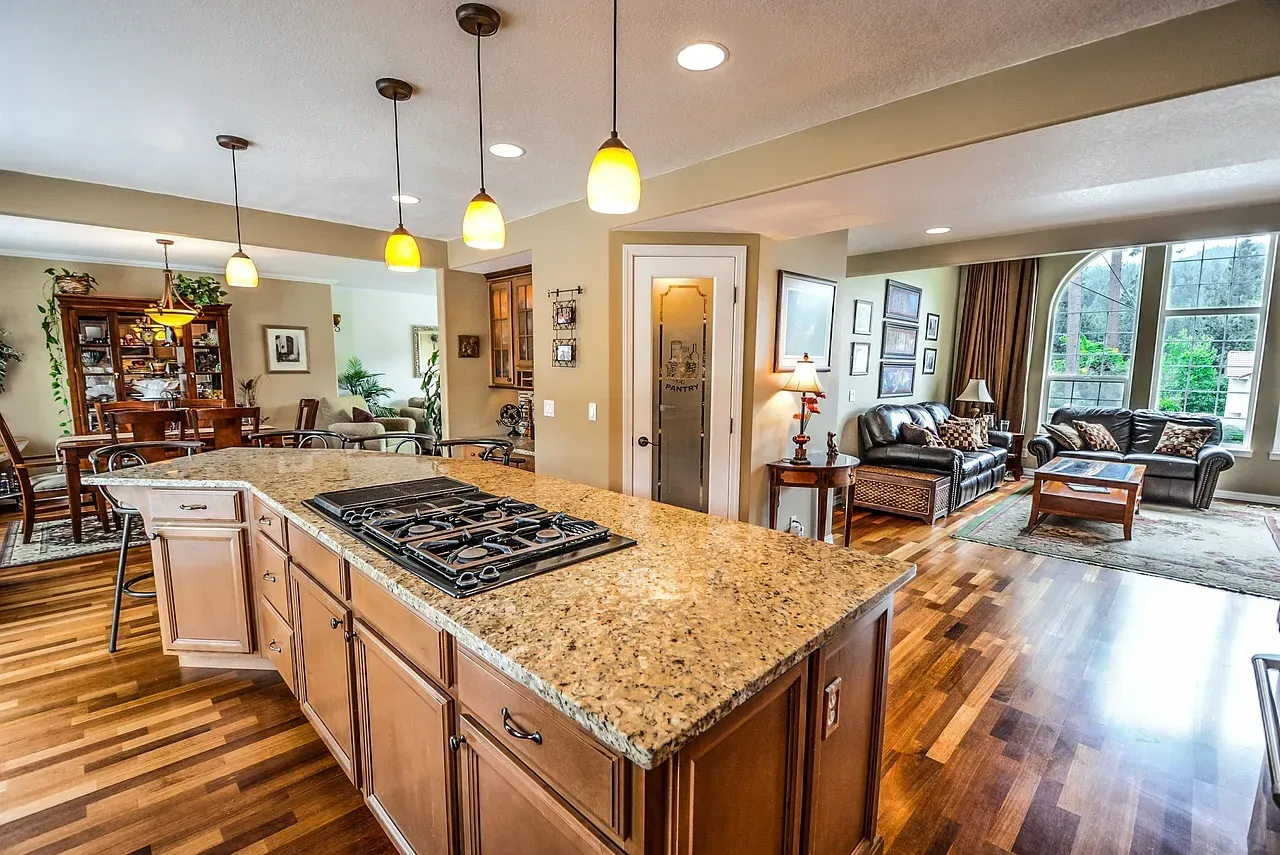
5. Busy Granite Countertops (Image Credits: Pixabay)
Granite countertops were once the undisputed king of kitchen surfaces. They signaled luxury, durability, and serious investment. If your home had granite, you had arrived. That was largely true through the early 2000s, but the aesthetic has aged in a very specific and recognizable way. From the mid-1990s to the 2000s, the popularity of granite countertops was unchallenged, but the strong associations they hold with kitchen design from that era are the very reason they are falling out of favor currently.
Heavily patterned granite is starting to feel dated in 2026, as the busy surface draws significant visual attention and can compete with cabinetry, backsplashes, and other finishes – often becoming the dominant element rather than creating balance – and designers are now favoring calmer surfaces with more subtle movement. Materials such as quartz with soft veining, quartzite, and soapstone create a cleaner look and allow the rest of the kitchen to breathe.
6. The All-Gray Kitchen
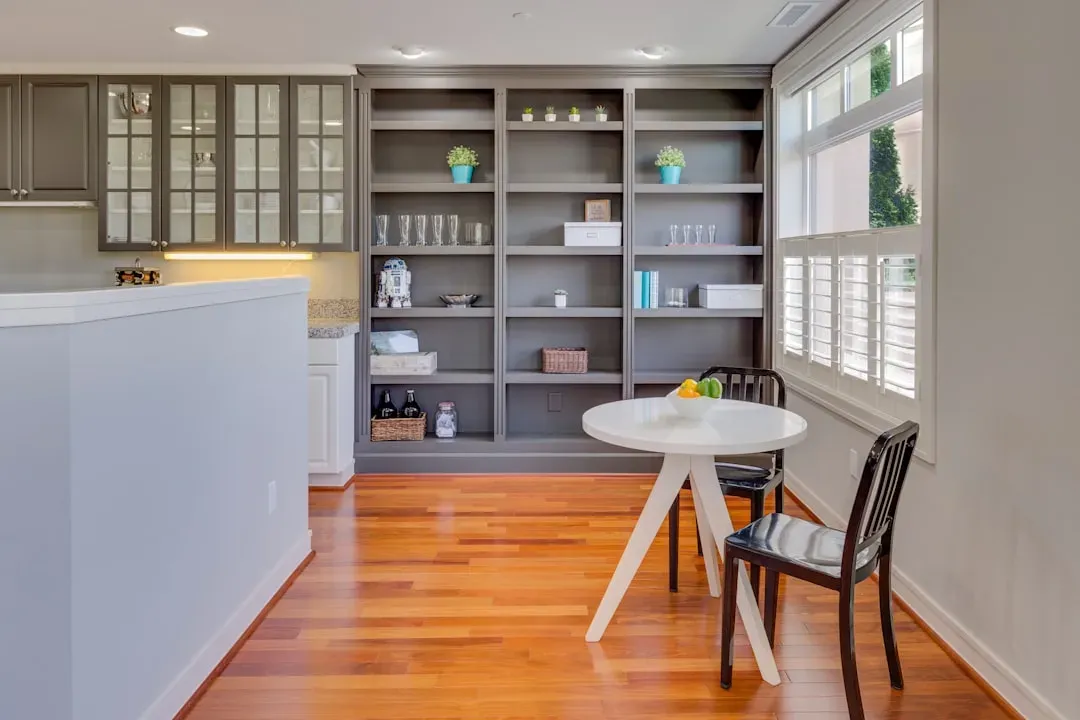
6. The All-Gray Kitchen (Image Credits: Unsplash)
When the all-white kitchen started feeling cold, gray rushed in as the obvious successor. It felt sophisticated, modern, and endlessly versatile. For about a decade, gray was the safe answer to nearly every kitchen color question. It's now suffering the same fate as its white predecessor – death by overuse. Not all shades of gray are created equal, and cooler tones can make a kitchen feel gloomy and lacking warmth, while the ubiquity of gray kitchens made the color start to feel like a formulaic builder template – monotonous and starved of personality.
Gray kitchens are on the way out for 2026, though those partial to the look can opt for greige tones to bring some warmth to the palette. Earthy tones and cool blues and greens are trending instead, with homeowners seeking a cozy and inviting atmosphere drawn to light wood finishes, warm beiges, and even terracotta creating a touch of rustic charm. It's a warmer, more human direction – and honestly, long overdue.
7. The Standard Subway Tile Backsplash
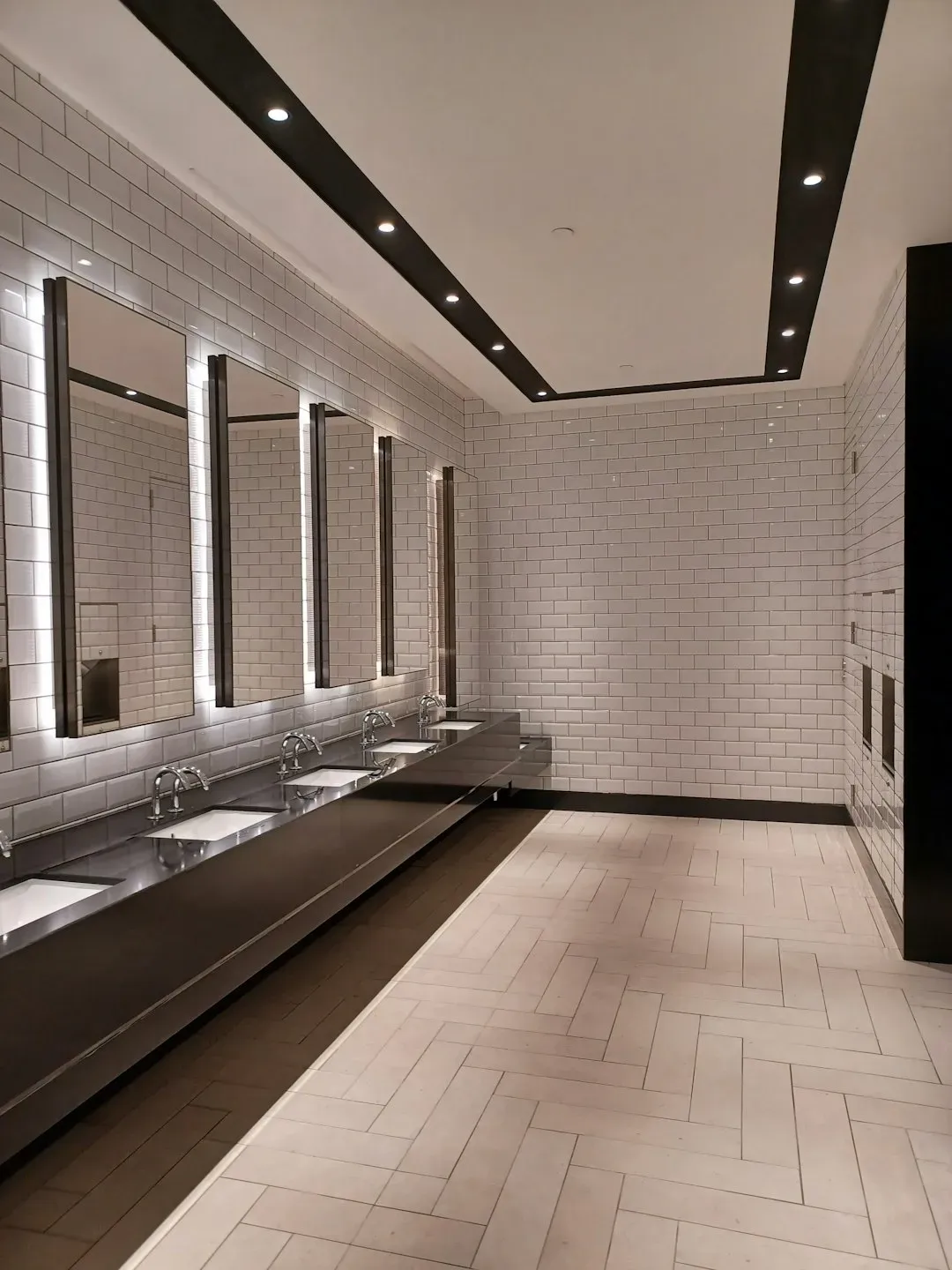
7. The Standard Subway Tile Backsplash (Image Credits: Unsplash)
Here's the thing about subway tiles. They were never bad. They are genuinely practical, affordable, easy to install, and flexible enough to suit almost any kitchen style. That is precisely why they ended up in what feels like every single kitchen renovation of the past fifteen years – and why they now carry the design equivalent of a collective sigh. Subway tile backsplashes became one of the most common kitchen design choices over the past decade, widely used because they were affordable and matched almost any cabinet style, but in 2026 this once-popular backsplash is starting to feel overused and predictable.
Designers are not abandoning tile altogether – far from it. They are simply demanding more from it. Textured surfaces, zellige-style handmade tiles, and large-format stone slabs are taking the spotlight. In 2026, designers are hearing that clients want their homes to feel tactile, soulful, and visually layered. A basic brick-pattern subway tile is none of those things anymore, no matter how clean and timeless it once seemed.
8. Handle-Free, Flat-Front Cabinets
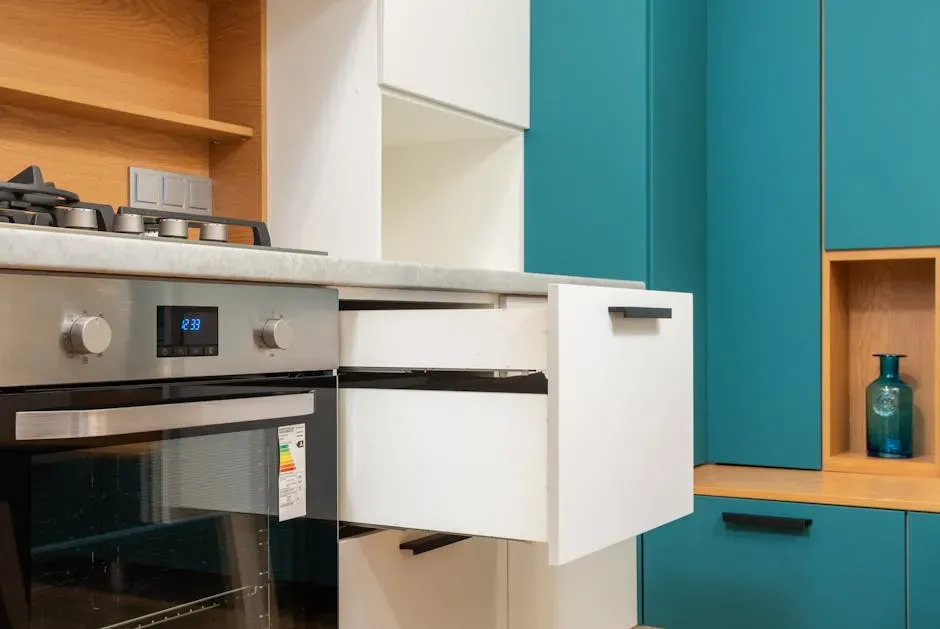
8. Handle-Free, Flat-Front Cabinets (Image Credits: Pexels)
The handle-free cabinet trend arrived with a promise of supreme minimalism. Flat slab fronts, push-to-open mechanisms, and zero visible hardware created kitchens that looked more like modern sculptures than places where actual cooking happened. It was a bold aesthetic statement, and for a while it felt genuinely futuristic. The issue is that "futuristic" has a shorter shelf life than anyone expects. Handle-free cabinets were once a defining feature of ultra-minimal kitchens, and flat cabinet fronts without knobs or pulls created a sleek, seamless appearance – but in 2026, this look can feel overly sterile, and without visible hardware or joinery details, cabinetry often appears flat and impersonal, especially in kitchens that aim to feel warm and inviting.
Designers are now moving back toward cabinetry that shows small craftsmanship details. Over the next several years, the kitchen will continue to evolve toward a more intelligent, personalized space that supports modern lifestyles, swapping overly intricate or overly bare designs for minimal but considered details. There is a real difference between "minimal" and "devoid of character," and the industry is finally drawing that line clearly.
Kitchen design in 2026 is telling a consistent story: function, warmth, and personal expression are winning over aesthetics that were chosen because they photographed well or matched a builder's spec sheet. Designing a kitchen in 2026 is less about chasing trends and more about creating a space that truly works for how you live, with renovations being driven by function, personalization, and smarter storage. The trends being reconsidered are not bad ideas – they simply ran their course. Knowing when to move on is, perhaps, the most underrated design skill of all.
Which of these surprises you the most? Drop your thoughts in the comments – it's always fascinating to see which "timeless" trend people are most reluctant to let go.