
Walk through any major city today and something feels different about the homes people are building, renovating, and buying. The changes aren’t just cosmetic. They reflect a genuine shift in how people think about where they live: what a home is supposed to do for them, what it should feel like, and how much it should cost to run. Some of these shifts are recent. Others have been building quietly for years and are only now tipping into the mainstream.
The picture isn’t all transformation, though. Beneath the biophilic walls and AI-powered thermostats, some things remain stubbornly unchanged – structural forces that no design trend or tech upgrade can easily move. Understanding both sides of that story gives a more honest view of where residential living actually stands in 2026.
1. Smart Home Technology Is Becoming the Norm, Not a Novelty
1. Smart Home Technology Is Becoming the Norm, Not a Novelty (Image Credits: Unsplash)
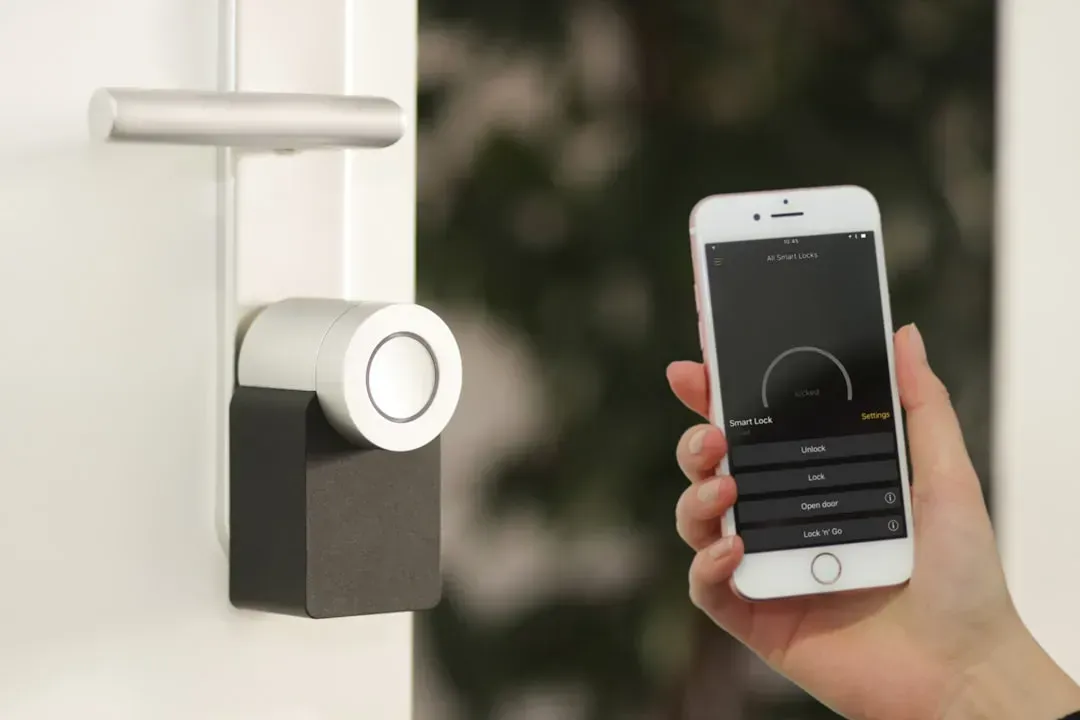
In 2026, smart homes are set to become the standard for comfortable, efficient living. What was once considered a luxury is now an essential part of modern home design. The shift has been fast. Over half of U.S. households are expected to have at least one smart home device by 2026, representing a dramatic acceleration from just over a quarter in 2020.
As energy costs rise and environmental awareness grows, homeowners are increasingly seeking smarter solutions to save on their regular expenses. Smart systems that optimize heating, cooling, and lighting based on daily habits can reduce energy bills by up to roughly a third. Interoperability has also taken a major leap forward. In November 2024, the Connectivity Standards Alliance announced the rollout of Matter 1.5, a pivotal update that introduced standardized interoperability for major home appliances and advanced video surveillance devices to reduce consumer compatibility concerns.
2. Biophilic Design Is Moving from Trend to Philosophy
2. Biophilic Design Is Moving from Trend to Philosophy (Image Credits: Pexels)
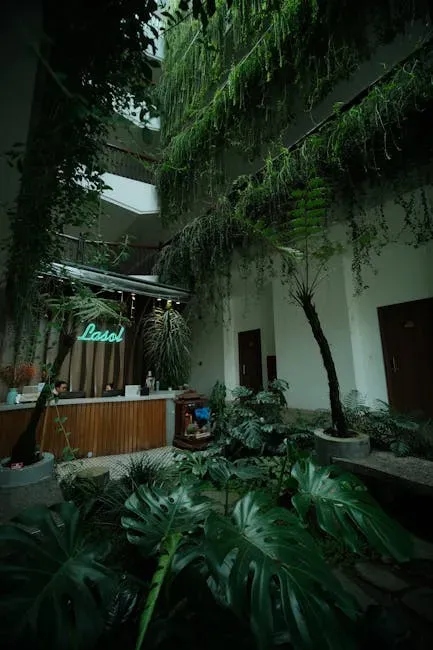
One particular trend that shot to fame in 2025 and is keeping up the momentum going into the new year is biophilic design – a style that keeps nature at the core of its approach, crafting interiors that are inspired by organic elements to give homes a sense of comfort and well-being. It’s not simply about adding a few plants. It goes beyond adding a few plants, focusing instead on creating harmony with the natural world by using elements such as natural light, organic textures, earthy colours, water features, and even glimpses of the sky.
Biophilic and indoor-outdoor home features are ranked second among the fastest-growing listing trends in 2025, according to a recent trend report from Realtor.com. The interest is backed by research too. A 2025 neuropsychological study found that short-term exposure to biophilic indoor spaces reduces activity in the brain’s stress-response areas. Participants also reported less fatigue, anxiety, and depression.
3. Wellness-Centered Spaces Are Reshaping Floor Plans
3. Wellness-Centered Spaces Are Reshaping Floor Plans (Image Credits: Pixabay)
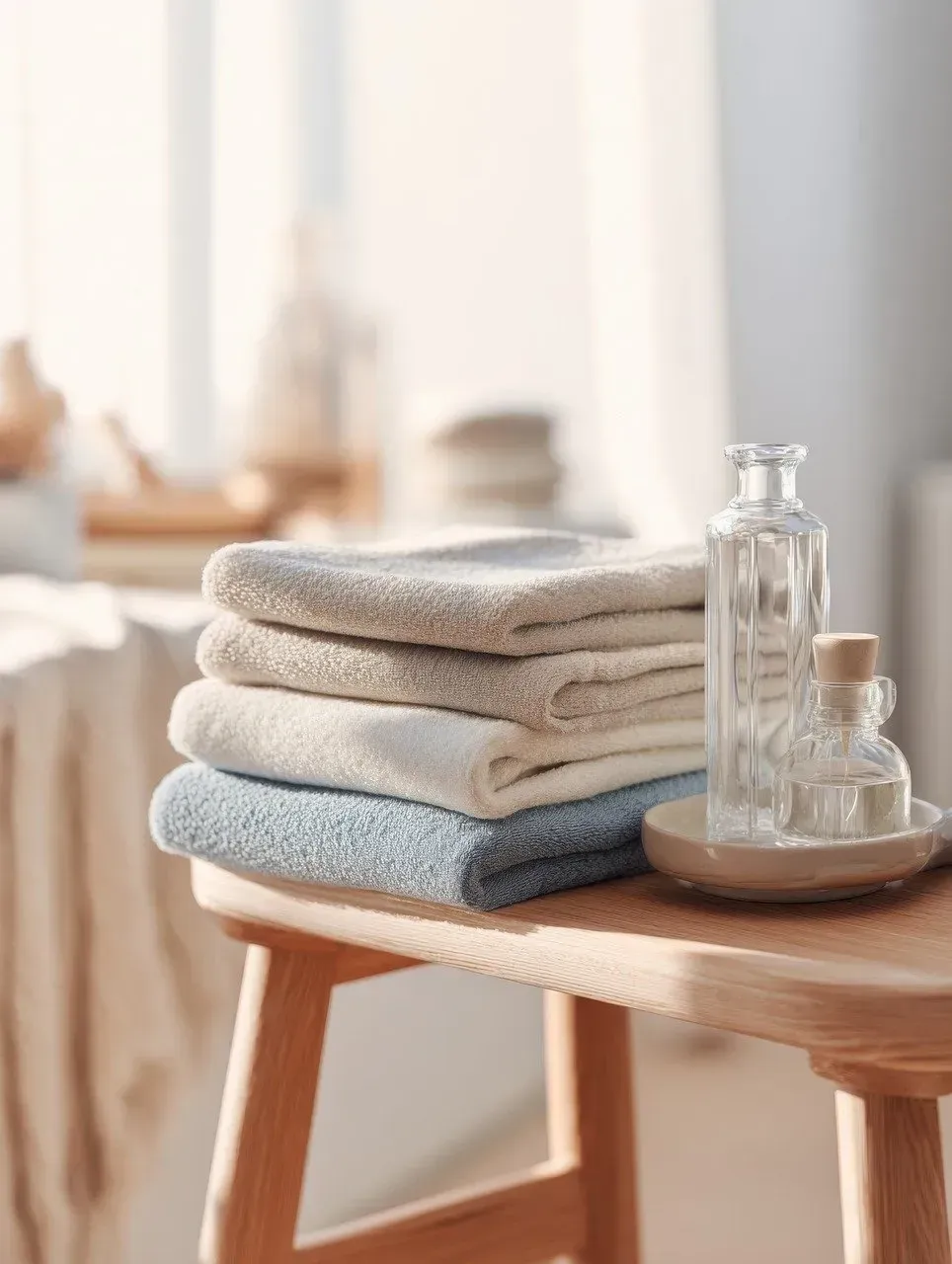
According to a design outlook report from the luxury brokerage Engel & Völkers, homes in 2026 are expected to do much more than look beautiful. Increasingly, design choices are centered on well-being, comfort, and creating spaces that reflect how people truly live. This is showing up room by room. Health and wellness are increasingly influencing home design, with more emphasis on creating spaces that promote physical and mental well-being – including home gyms, spa-like bathrooms, meditation rooms, and features like air purification systems, circadian lighting, and soundproofing for quiet spaces.
As life gets busier and we demand more from our homes, there has been a growing interior design trend for carving out spaces designed for relaxation. Holistic design expert Gala Magriñá calls these spaces – like a cozy reading nook or a calming bedroom – “pockets of sanctuary.” Features that once felt like luxury upgrades are becoming expectations, with homes being designed to support physical and mental well-being through natural light, improved air quality, and materials that promote comfort.
4. The Rejection of All-White Minimalism
4. The Rejection of All-White Minimalism (Image Credits: Unsplash)
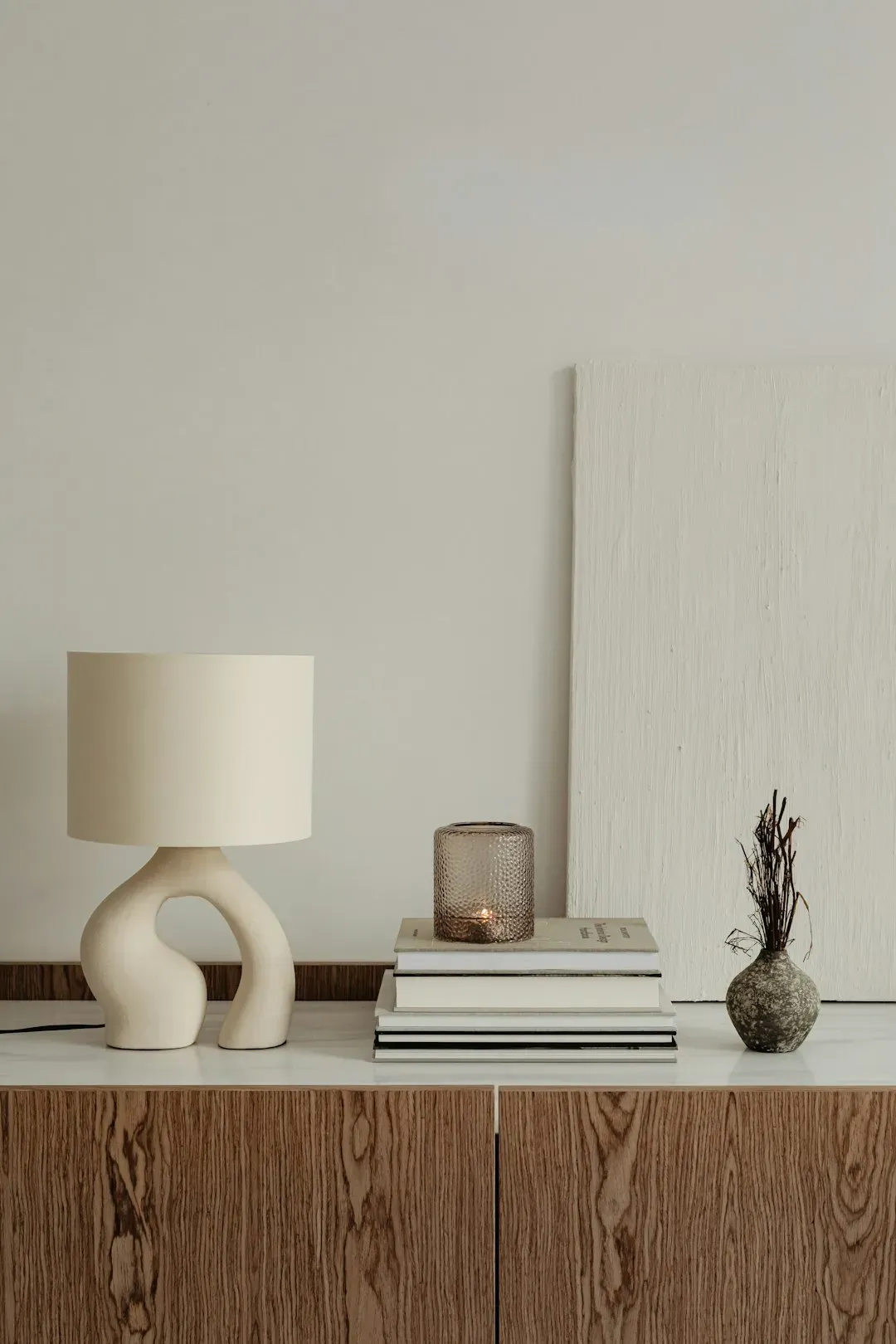
Some designers say that a sentiment away from anything white, including sterile minimalism, is gaining real traction. In its place will come interiors that feel warmer, darker, and more expressive – ones that favor moody atmosphere over brightness and tactility over seamless finishes. This plays out in both color choice and surface texture. After years of restraint, ornamentation is making its way back into architecture. This renewed interest reflects a desire for buildings that engage the senses.
By far the word designers hear most lately when it comes to interior trends is “warmth.” Warm tones, warm woods, warm and welcoming spaces – homeowners are craving warmth. You see this manifest in a shift from cool whites and grays to warm off-whites, tans, beiges, and creams. Earth colors have continued to dominate, which comes as no surprise given the announcement of Pantone’s 2025 Color of the Year.
5. Multifunctional Rooms Are Now a Design Standard
5. Multifunctional Rooms Are Now a Design Standard (Image Credits: Pixabay)
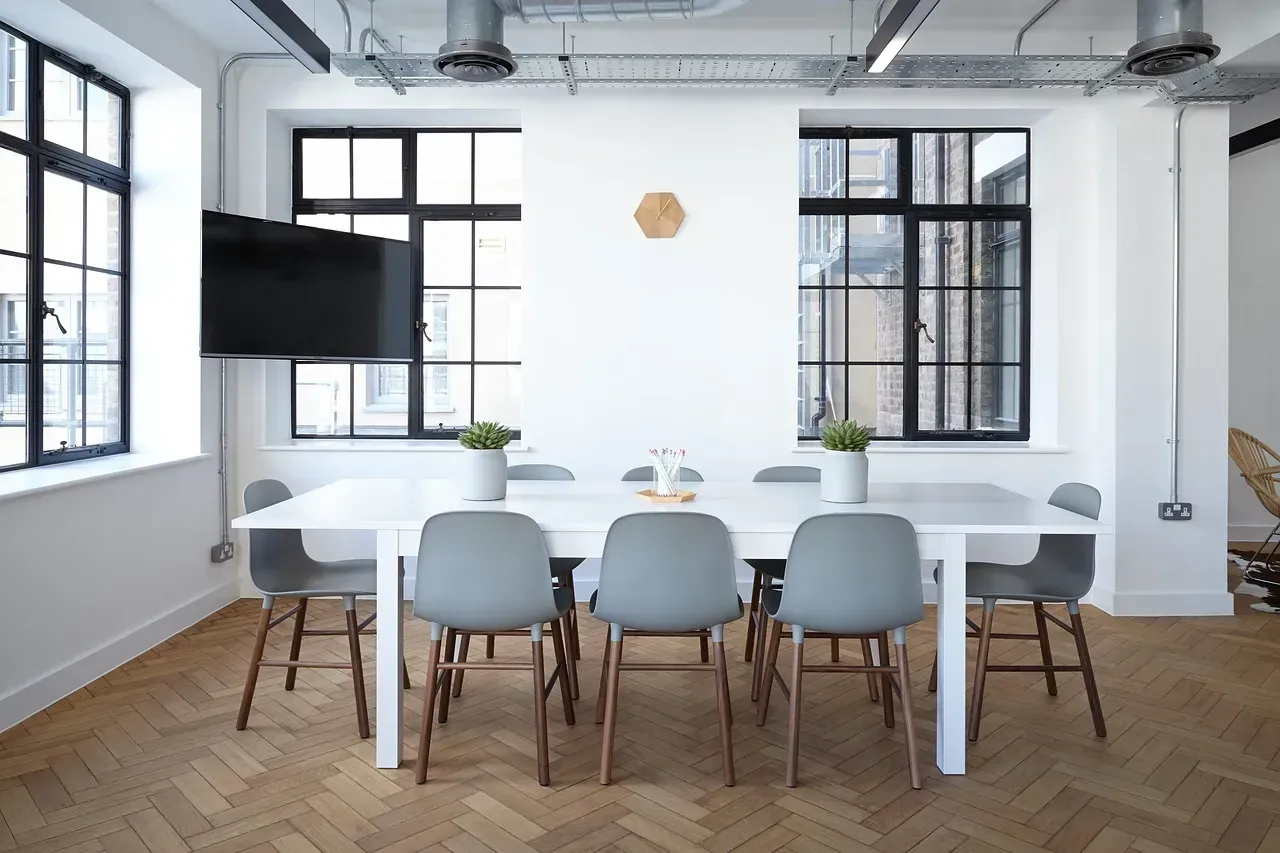
As remote work and hybrid lifestyles become more common, homes are being designed with flexibility in mind. Multifunctional spaces that can easily adapt to different needs are a major trend. Whether it’s a home office that doubles as a guest room, a gym that transforms into a playroom, or a kitchen island that serves as both a prep area and a dining table, versatility is key.
With more people working from home, flexibility is key. Rooms are designed to serve multiple purposes. The shift isn’t purely practical – it’s also about how people have come to see their home as their primary environment for almost everything. The top home design trends for 2026 showcase a shift toward warmth, sustainability, personalization, and flexibility. Homes are becoming more thoughtful, functional, and connected to both nature and modern technology.
6. Sustainable Materials Are Going Mainstream
6. Sustainable Materials Are Going Mainstream (Image Credits: Unsplash)
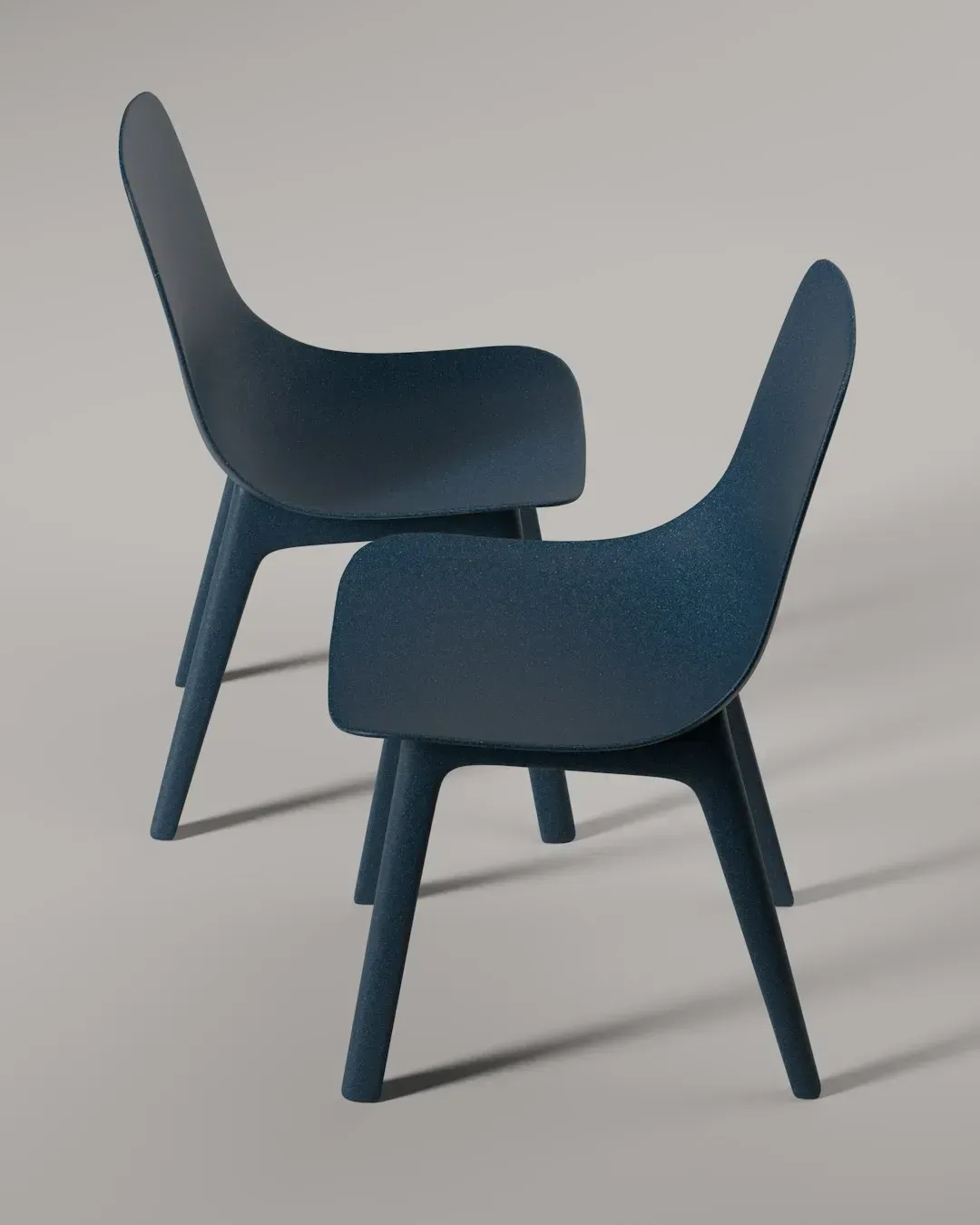
Sustainability continues to be a driving force in home design. Homeowners are increasingly seeking eco-friendly materials, energy-efficient systems, and designs that reduce their carbon footprint. From solar panels and green roofs to recycled materials and energy-efficient windows, sustainability is being integrated into every aspect of home construction.
Sustainability continues to influence home design. In 2026, eco-conscious materials and products are no longer niche – they’re mainstream. Designers and homeowners are prioritizing materials that reduce environmental impact while improving indoor air quality and longevity. The Argentine architecture firm La Base Studio offers one notable example of how this plays out at scale. La Base Studio has primarily used prefab construction for the past five years. In 2025, the studio developed a dry construction system based entirely on wood in collaboration with a modular construction company.
7. Outdoor Spaces Are Being Treated as Rooms
7. Outdoor Spaces Are Being Treated as Rooms (Image Credits: Unsplash)
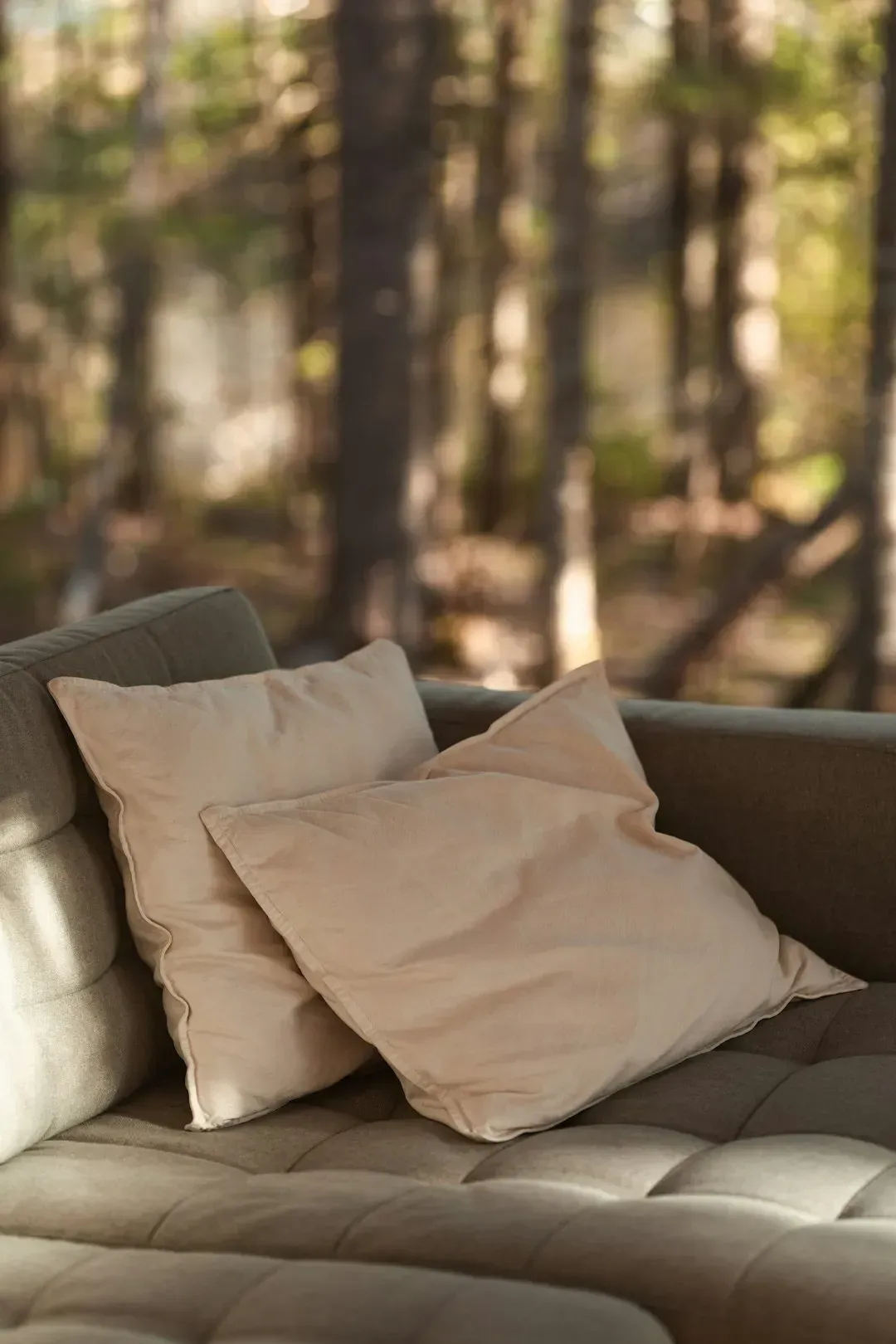
Outdoor spaces are extensions of indoor living areas. In 2026, seamless indoor-outdoor transitions are popular, featuring designs that prioritize continuity in material and color between indoor and outdoor spaces. The numbers back this up. Homeowners continue to show a strong interest in upgrading spaces that connect their indoor and outdoor lives, according to the 2026 State of American Home Renovation report. Respondents said that landscaping and outdoor living remain top priorities for home projects, reflecting an evolving view of whole-home living.
Maximizing natural light is a priority. Larger windows, glass doors, and skylights are common features in new builds and renovations alike. Window-centric design not only improves energy efficiency but also enhances mood and makes spaces feel larger and more connected to the outdoors. Gardens, patios, and terraces are increasingly furnished and finished to the same standard as any interior room – a genuine change in how the boundary between inside and outside is understood.
8. Timeless Style Is Overtaking Fast-Trend Cycles
8. Timeless Style Is Overtaking Fast-Trend Cycles (Image Credits: Unsplash)
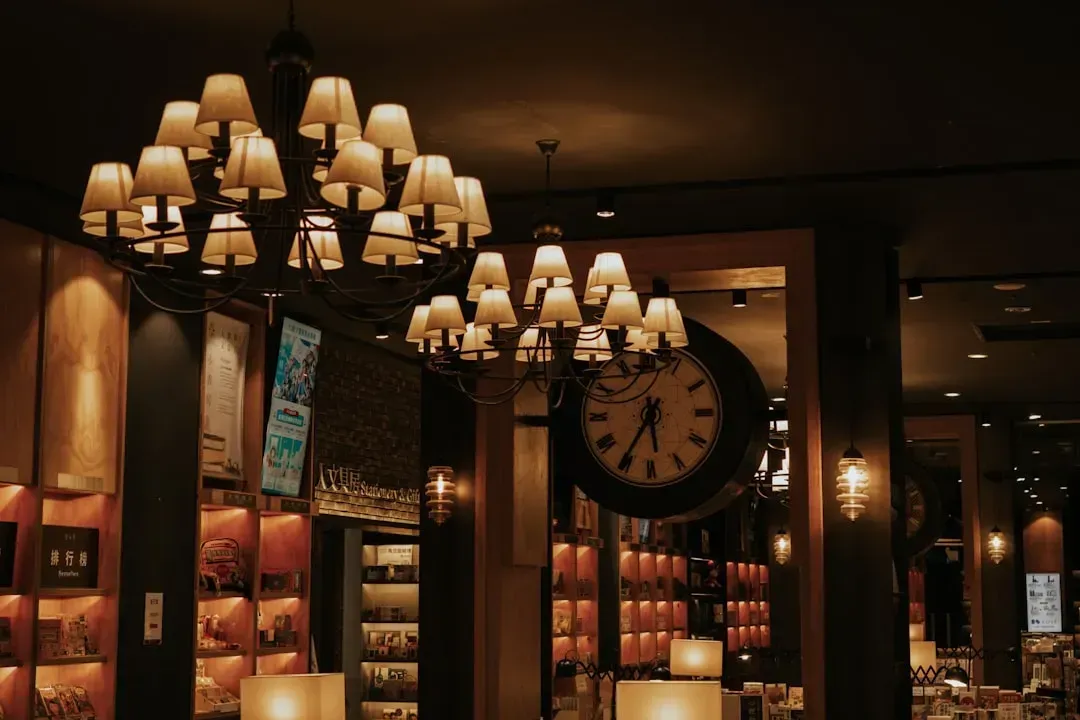
There’s been a noticeable shift away from fleeting, pop-culture-driven fads toward designs inspired by the past and focused on longevity. The “trends” people love are becoming increasingly timeless, as more people prioritize interiors that reflect personal style and enduring appeal rather than constantly chasing what’s new.
Many homeowners are requesting traditional details and materials that create a timeless style, which can be a sustainable choice during renovations, according to the Houzz Kitchen Trends Study. Antiques and vintage furniture are making a comeback in 2026. Instead of fully modern interiors, homeowners are blending old and new – pairing timeless pieces with contemporary design. Vintage textiles, classic lighting, and heirloom furniture add character and history to modern spaces.
9. AI Is Beginning to Shape How Homes Are Managed
9. AI Is Beginning to Shape How Homes Are Managed (Image Credits: Unsplash)
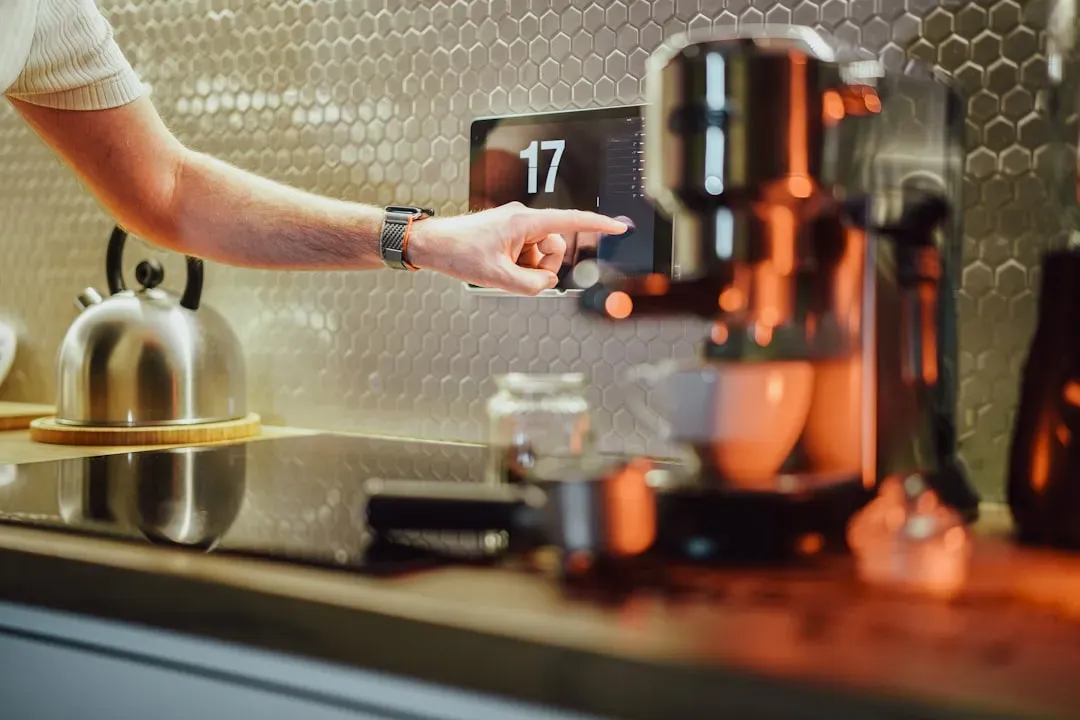
From AI assistants with emotional intelligence to fully autonomous home management systems, the technologies emerging in 2026 will create living spaces that truly understand and anticipate our needs. As we advance through 2026, smart homes are transitioning from simple device connectivity to intelligent ecosystems that anticipate needs, optimize resources, and create personalized living experiences.
A smart home in 2026 won’t just respond to commands – it’ll anticipate needs. While yesterday’s automation required constant manual input, tomorrow’s AI-driven systems will process enormous volumes of data points daily for autonomous optimization. The shift is from programming routines to supervising intelligent ecosystems. Health is becoming a central focus of smart home design. Devices like sleep trackers, circadian rhythm lighting, and smart air quality monitors are becoming standard. Smart kitchen tools and home gadgets are supporting healthier lifestyles, detecting allergens or prompting behavioral changes based on user data.
10. The Build-to-Rent Sector Is Reshaping How New Homes Look
10. The Build-to-Rent Sector Is Reshaping How New Homes Look (Image Credits: Pixabay)
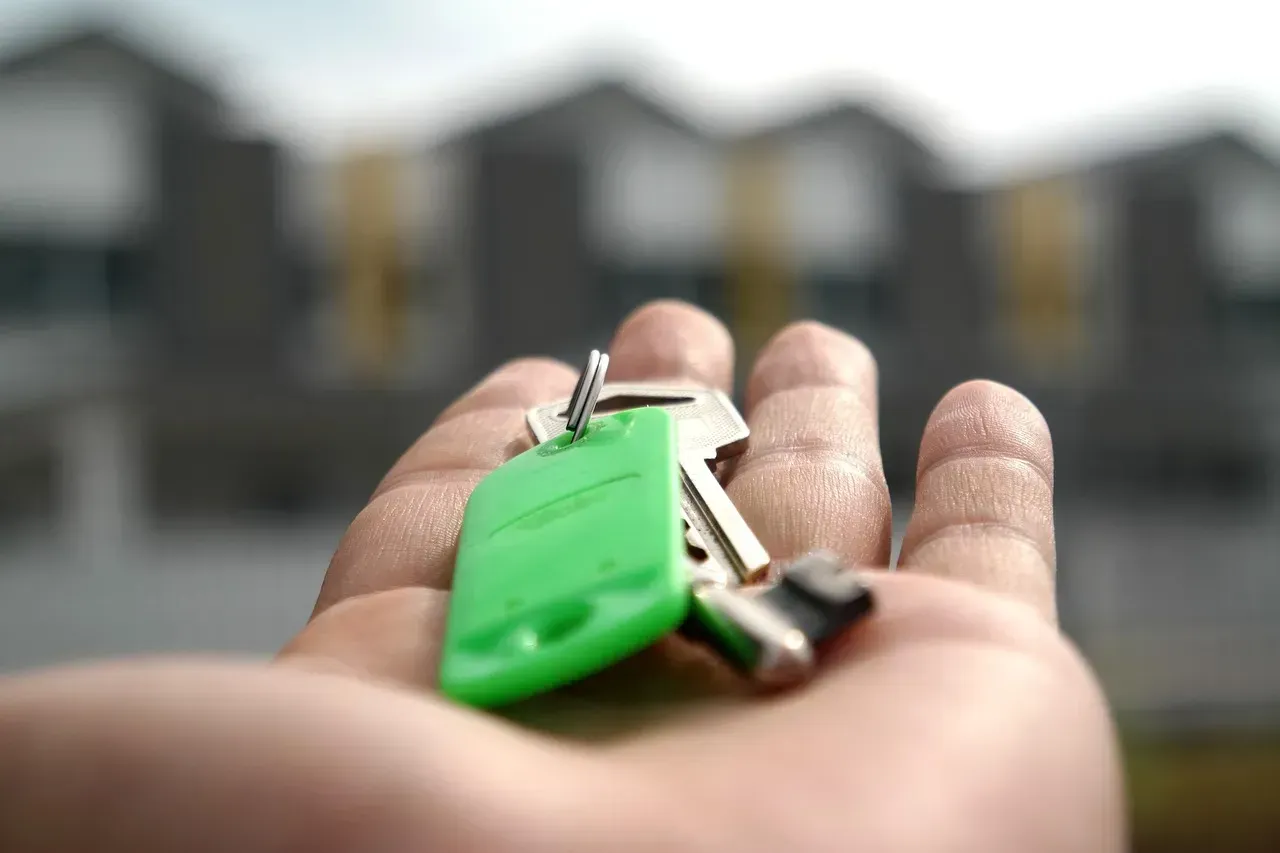
With home prices and interest rates making homeownership less affordable for many, the build-to-rent trend is growing as a response to demand, providing newly constructed homes for rent. The sector saw a record roughly 93,000 build-to-rent homes completed in 2023, a nearly two-fifths increase from the prior year, followed by around 99,000 starts in 2024. These purpose-built rental homes are shifting design expectations even for buyers who don’t plan to rent.
Gen Z and millennial cohorts are finding innovative ways to enter the market, often through co-living arrangements or equity-sharing programs. House hacking – buying properties with multiple units and renting out portions to offset mortgage payments – is growing in popularity. The way people think about their homes as financial instruments, not just residences, is influencing the kinds of layouts and features that builders are prioritizing at every price point.
What Isn't Changing: The 4 Stubborn Constants
What Isn't Changing: The 4 Stubborn Constants (Image Credits: Unsplash)
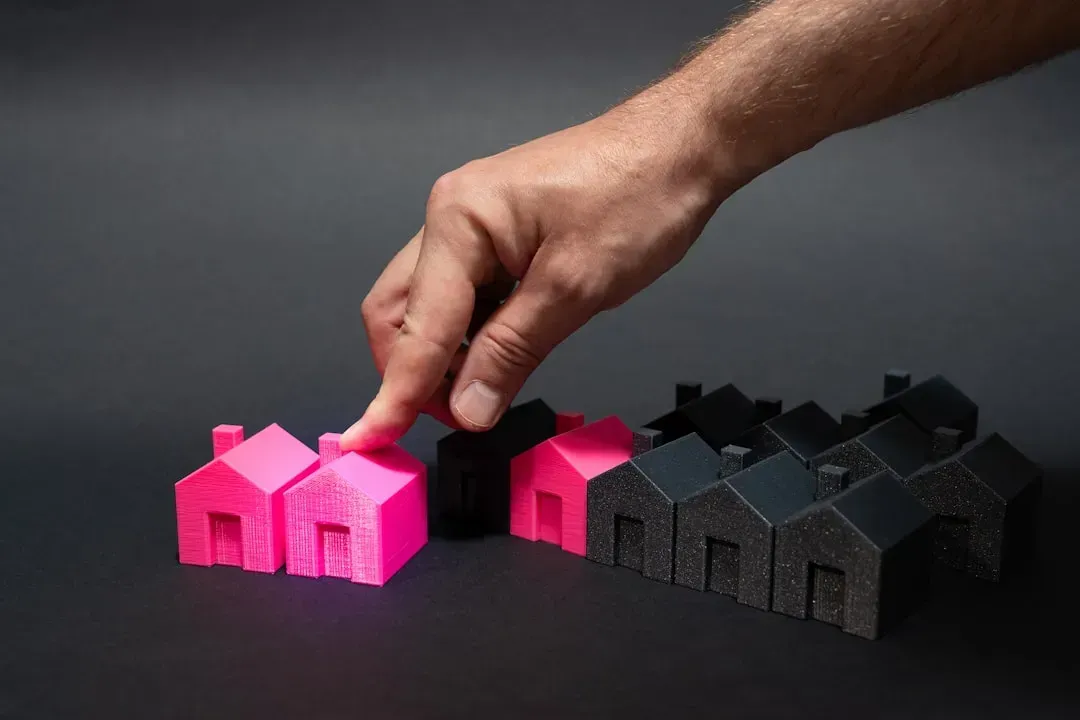
For all the transformation above, four fundamental forces have remained largely unmoved through 2024, 2025, and into 2026. They deserve to be named plainly.
Housing affordability remains a deep structural problem. What’s striking about 2024 is not just the record-breaking highs in home values, but the stark contrast between optimistic housing market predictions and harsh economic realities. Interest rates that were expected to decline instead hit new peaks, pushing affordability to the lowest level in decades. That dynamic has not fundamentally resolved itself entering 2026.
Supply shortages persist globally. The inventory of homes for sale has been a recurring issue in recent years, with many markets experiencing a shortage of available properties. Zillow analysis found that the U.S. would need to build roughly 4.5 million homes to have an adequate housing supply. Construction has picked up in places, but the deficit accumulated over years of underbuilding won’t close quickly.
Location still drives value above almost everything else. The housing market is shaped by a variety of factors, including home prices, supply and demand, broader economic conditions, trends in new home construction, and prevailing mortgage rates. Some of the most significant influences remain the state of the economy, fluctuating mortgage rates, and limited housing supply. No interior trend changes the fundamental premium placed on the right neighborhood, school district, or commute corridor.
The desire for a stable, personal place to live never goes out of style. In response to rapid change, some people are looking to slow life down by creating nurturing homes with warm, neutral colors, natural materials, and a style that will last through whatever the world stirs up. Whatever the exterior palette or smart device count, the underlying human reason people care about their homes at all has remained completely constant. That one needs no forecast.