
Walk into almost any office, warehouse break room, or Slack channel these days and you’ll notice something: the youngest people in the room are talking to their colleagues the same way they talk to their friends. That’s not laziness or a lack of professionalism. It’s a genuine shift in how an entire generation processes information and builds relationships, shaped by growing up with a phone in hand and a feed to scroll.
Understanding these shifts matters for anyone managing a team or working alongside younger colleagues in 2026, since Gen Z’s share of the workforce keeps climbing every year. Here’s a closer look at seven specific ways their communication style stands apart from what came before.
1. They Would Rather Text Than Talk on the Phone

1. They Would Rather Text Than Talk on the Phone (Image Credits: Unsplash)
For Gen Z, the phone call has quietly slipped from “default option” to “last resort.” Research from Australia’s CommBank and More found that nearly half of Australian Gen Zers feel anxious about speaking on the phone, with 87% admitting they would rather send a text than make a call. This isn’t a fringe attitude either. A separate UK survey found that nearly 70% of respondents in this age group would rather receive a text than a phone call.
The reasoning tends to be practical rather than dramatic. Text gives people greater control over the timing and nature of interactions, letting someone think through a reply instead of being caught off guard mid task. Employers have noticed the ripple effects too. In fact, one recent survey noted that if you hire college grads into entry-level jobs, you may have to train them to overcome their fear of phone calls, and even teach them about business call etiquette.
2. They Use Emojis as a Real Tone-Setting Tool
2. They Use Emojis as a Real Tone-Setting Tool (Image Credits: Unsplash)
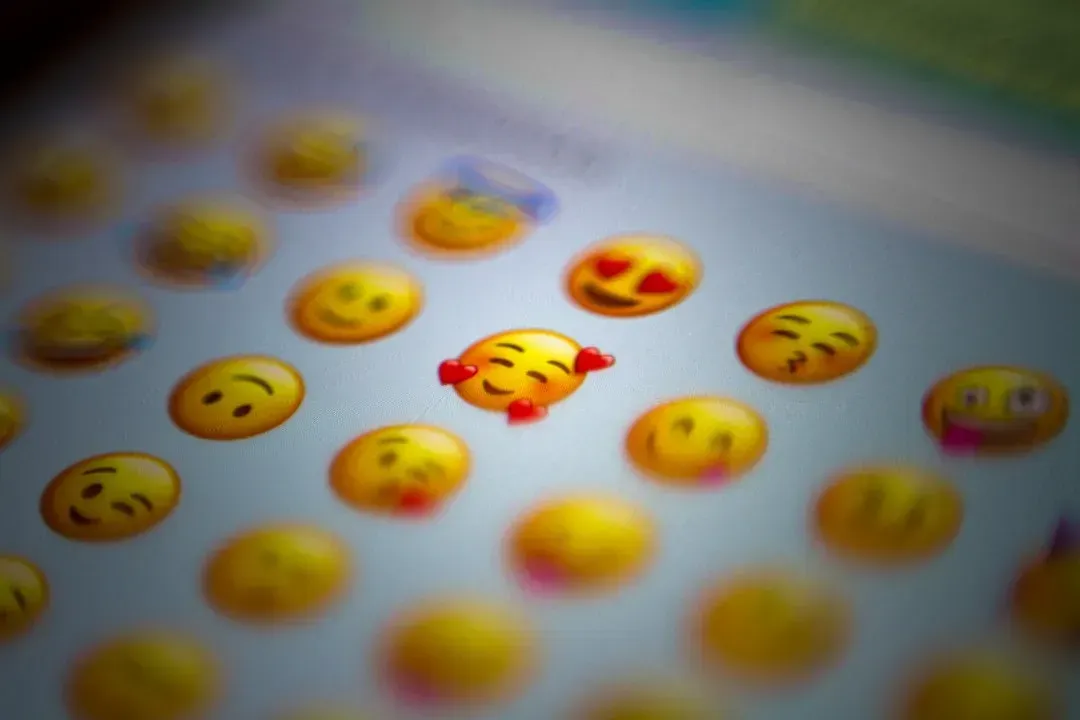
Where older generations might see emojis as decoration, Gen Z treats them as functional grammar for digital conversation. A YouGov and Atlassian survey of ten thousand workers found that 65% of employees used emojis to convey tone, with 88% of Gen Z finding them helpful, versus only 49% of Baby Boomers and Gen X. That gap shows up in daily behavior too, since Gen Zers are 2.5 times as likely to say they’re motivated by emoji message reactions than are Boomers, and are likelier to read messages that include emojis.
The catch is that meanings have shifted underneath everyone’s feet. A Perspectus Global survey found that a majority of respondents between the ages of 16 and 29 believed you were officially old if you used a thumbs-up or red heart emoji, with nearly one in four viewing the thumbs-up as outright rude. Even the clapping emoji isn’t safe from reinterpretation, since Gen Z often uses it not as a show of support, but as sarcastic emphasis, which can trip up a well-meaning manager trying to celebrate a colleague’s win.
3. Voice Notes Fill the Gap Between Texting and Calling

3. Voice Notes Fill the Gap Between Texting and Calling (Image Credits: Pixabay)
If a phone call feels too intense and a text feels too flat, Gen Z has found a middle ground. According to Uswitch survey data, 37% of 18-34-year-olds prefer voice notes over phone calls, a stark contrast to the 1% preference among 35-54-year-olds. The appeal comes from blending warmth with flexibility, since a voice note carries emotional nuance while still letting the recipient listen whenever it suits them.
Not everyone finds this format efficient, though. Some critics note that voice notes are less efficient, noting that they often include unnecessary filler and could be more succinctly conveyed through text. Still, in workplaces where quick check-ins matter more than polished prose, a fifteen-second voice memo often beats typing out a paragraph on a phone keyboard.
4. They Push for Asynchronous, Flexible Collaboration

4. They Push for Asynchronous, Flexible Collaboration (Image Credits: Pexels)
Gen Z generally isn’t asking to be reachable at all hours. Rather than expecting instant replies around the clock, many younger employees prefer asynchronous communication models that allow people to collaborate across different schedules and time zones. This preference has grown alongside hybrid work, since this expectation gap is especially damaging in remote and hybrid work environments, the very models preferred by 65% of Gen Z workers.
The shift is changing how teams measure output too. As one industry analysis put it, the rise of asynchronous collaboration is reshaping how organizations evaluate productivity and teamwork. Fewer live meetings and more shared documents or recorded updates mean fatigue drops, but it also requires everyone to get comfortable writing clear, self-contained messages instead of relying on a quick verbal clarification.
5. They Expect Feedback in Real Time, Not Once a Year
5. They Expect Feedback in Real Time, Not Once a Year (Image Credits: Pexels)
Annual performance reviews feel almost archaic to many Gen Z workers. Survey findings cited by workspace provider Instant Offices show that 97% of Gen Z workers are open to receiving feedback on an ongoing basis or after completing major tasks or projects, with 63% preferring timely, constructive feedback delivered throughout the year rather than in isolated annual reviews. That appetite ties directly back to how they grew up online, where responses and reactions arrive within seconds rather than months.
This isn’t about needing constant praise, either. As one workplace partnerships lead explained, Gen Z grew up in a digitally dominated world, and this means they value real-time feedback and high engagement, so employers should provide regular, ongoing feedback so employees know how they’re performing as they go. Weekly or even daily check-ins, delivered through quick digital tools rather than formal sit-downs, tend to land better with this group than a once-a-year evaluation ever could.
6. They Bring a Blunt, No-Frills Directness to Conversations

6. They Bring a Blunt, No-Frills Directness to Conversations (Image Credits: Pexels)
Corporate euphemism doesn’t go very far with Gen Z employees. Research on generational communication styles notes that Gen Z workers valued honest, sincere feedback, at the same time as older generations tend to soften their language. One Gen Z voice summed up the expectation plainly, saying colleagues and managers should just be blunt, be forward, be honest, adding that anything less tends to be seen through immediately.
That directness cuts both ways, though. Gen Z also expects clarity from leadership, since this generation is quick to spot inconsistency; they expect direct communication and honest leadership. Vague instructions or corporate-speak from a manager tend to generate more frustration among Gen Z employees than they would with older colleagues who’ve learned to read between the lines over the years.
7. They Lean on AI to Draft and Fine-Tune Their Messages
7. They Lean on AI to Draft and Fine-Tune Their Messages (Image Credits: Unsplash)
A newer habit is emerging fast: using AI tools before hitting send. One 2026 Fortune analysis from a CEO reflecting on his daughters entering the workforce described feeding a presentation into an AI system and asking how his message might land with different audiences, the board, his direct reports, a customer, noting that it surfaces perspectives he might not have considered. That same logic is spreading among younger employees who use AI to pressure test tone before a tricky email or Slack message goes out.
The time savings appear to be real and measurable. Grammarly’s research, cited in a 2026 workplace communication report, found that younger generations can also regain many of the hours they lost by incorporating AI tools into their communication, with Gen Z reclaiming 6.3 and Millennials 9.3 hours per week. For a generation already fluent in switching between apps and platforms, treating an AI assistant as another communication tool feels less like a novelty and more like a natural extension of how they already work.