
Freezing a meal is easy. Freezing a meal that still tastes like something you’d want to eat, rather than a sad reheated version of its former self, is a different challenge entirely. Texture changes, sauces separate, and some proteins turn rubbery the moment they hit the microwave.
The good news is that certain dishes hold up remarkably well, sometimes even improving after a few days in the freezer as flavors settle in. Here are eight meals that consistently reheat well, based on how their ingredients and cooking methods interact with the freezing and thawing process.
1. Chili
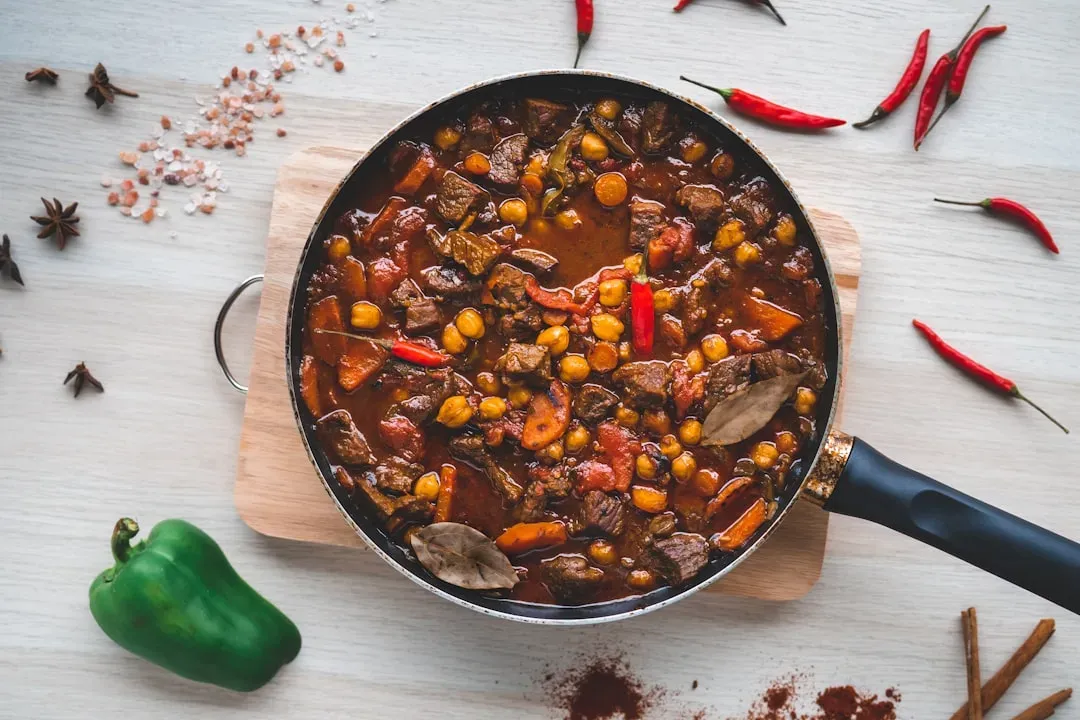
1. Chili (Image Credits: Unsplash)
Chili is practically built for the freezer. Ground meat or beans suspended in a thick tomato based sauce do not suffer from the same ice crystal damage that plagues more delicate dishes, since the sauce protects the solid ingredients during the freeze thaw cycle. Beans in particular hold their shape well because they are already soft and starchy before freezing even begins.
Reheating chili on the stovetop rather than in the microwave tends to bring back a fuller flavor, since the slow heat allows spices to redistribute through the sauce. Many home cooks and food writers note that chili actually tastes better the next day or after freezing, because the extra time lets the seasoning deepen. A splash of water or broth while reheating helps loosen any thickness that develops in the freezer.
2. Lasagna
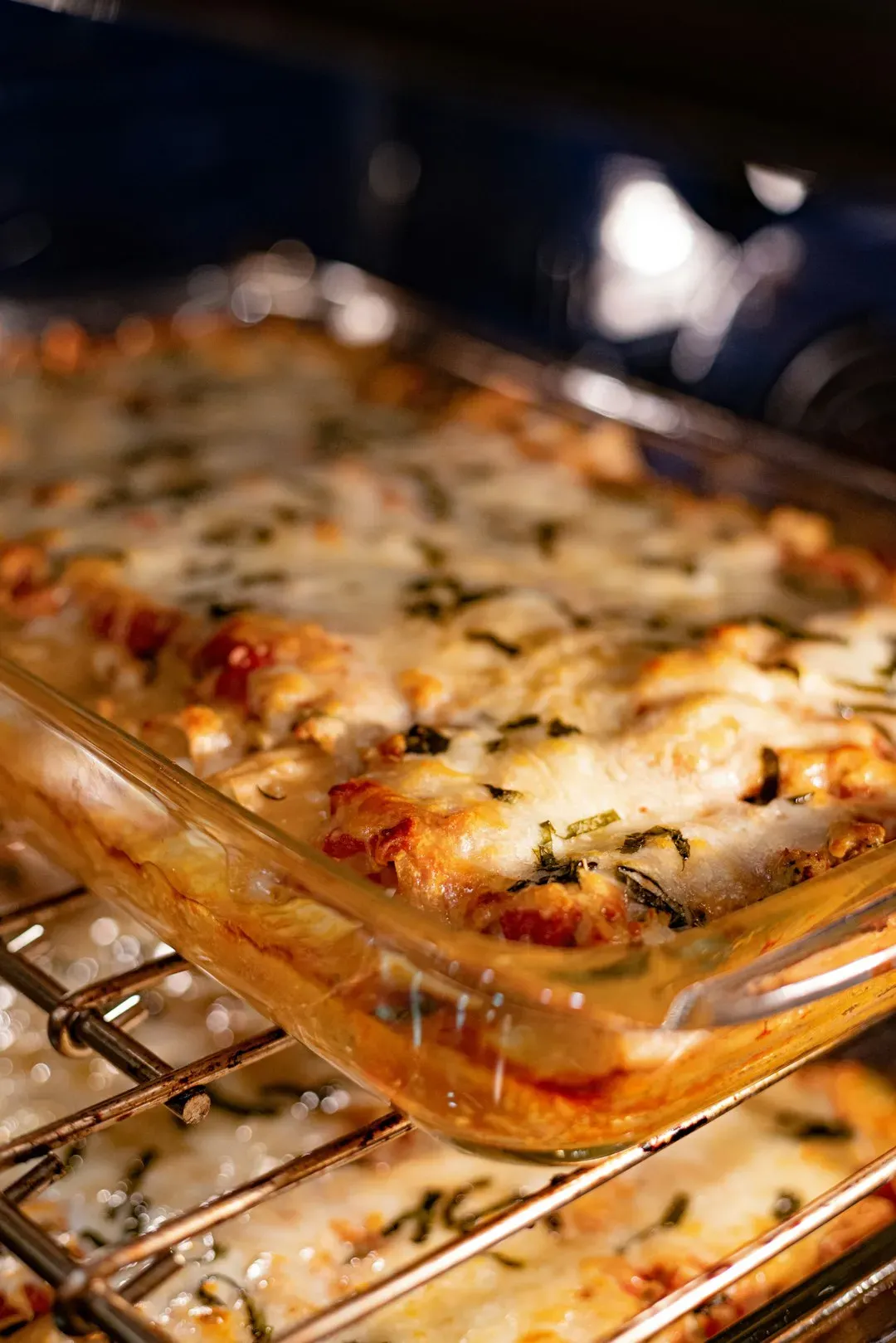
2. Lasagna (Image Credits: Unsplash)
Lasagna freezes exceptionally well largely because of its layered structure. The pasta sheets are cushioned between sauce, cheese, and filling, which limits direct exposure to the dry air inside a freezer that typically causes freezer burn on unprotected surfaces. Cheese based dishes in general tend to reheat with more consistency than dishes relying on cream sauces alone, since the fat content in cheese resists separation better.
The key to good reheated lasagna is thawing it in the refrigerator overnight before baking, rather than attempting to cook it straight from frozen at high heat. This slower approach lets the layers heat evenly instead of leaving a cold center while the edges overcook. Covering the dish with foil during reheating also prevents the top layer of cheese from drying out or burning before the inside is warm.
3. Beef Stew
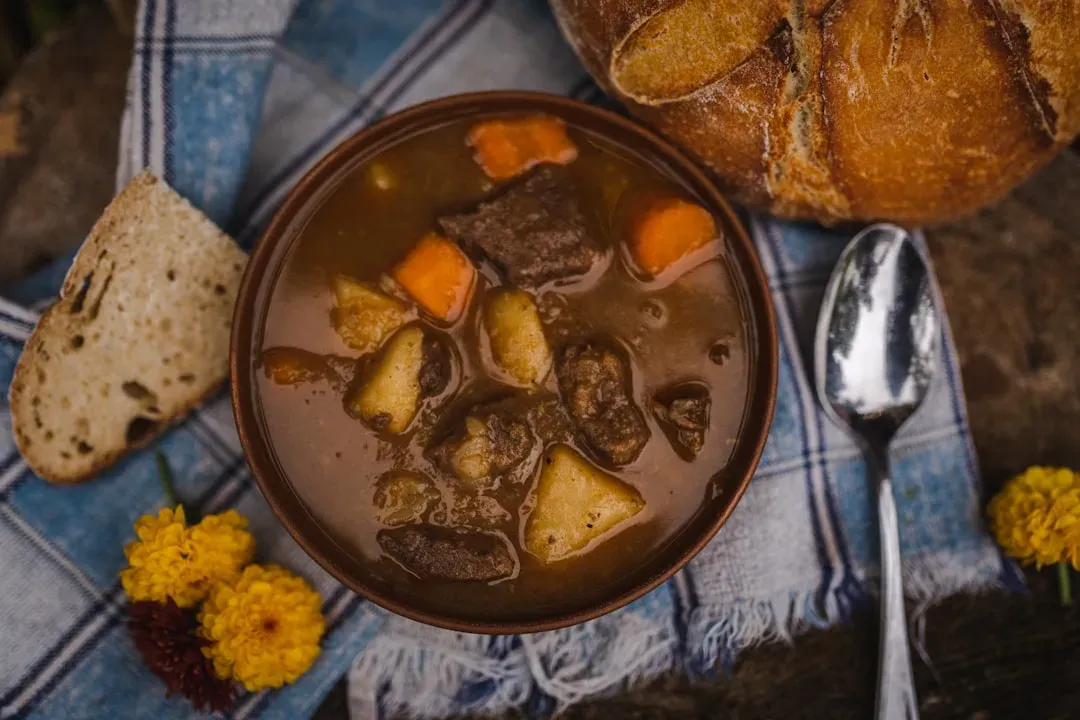
3. Beef Stew (Image Credits: Unsplash)
Beef stew belongs in the same category as chili for a simple reason: the meat is slow cooked until tender, and that same tenderness carries through the freezing process. Tougher cuts like chuck roast, which are traditionally used in stew, actually benefit from the extended cooking and freezing timeline because collagen breaks down further, keeping the meat from turning tough or dry after reheating.
Root vegetables like carrots and potatoes generally hold up in stew better than leafy vegetables, which can turn mushy or watery once frozen and thawed. Reheating stew gently on low heat, rather than blasting it in the microwave, helps preserve the texture of the vegetables and prevents the sauce from becoming too thin. Some cooks add potatoes fresh after thawing rather than freezing them in the original batch, since potatoes are known to develop a grainy texture in the freezer.
4. Curry
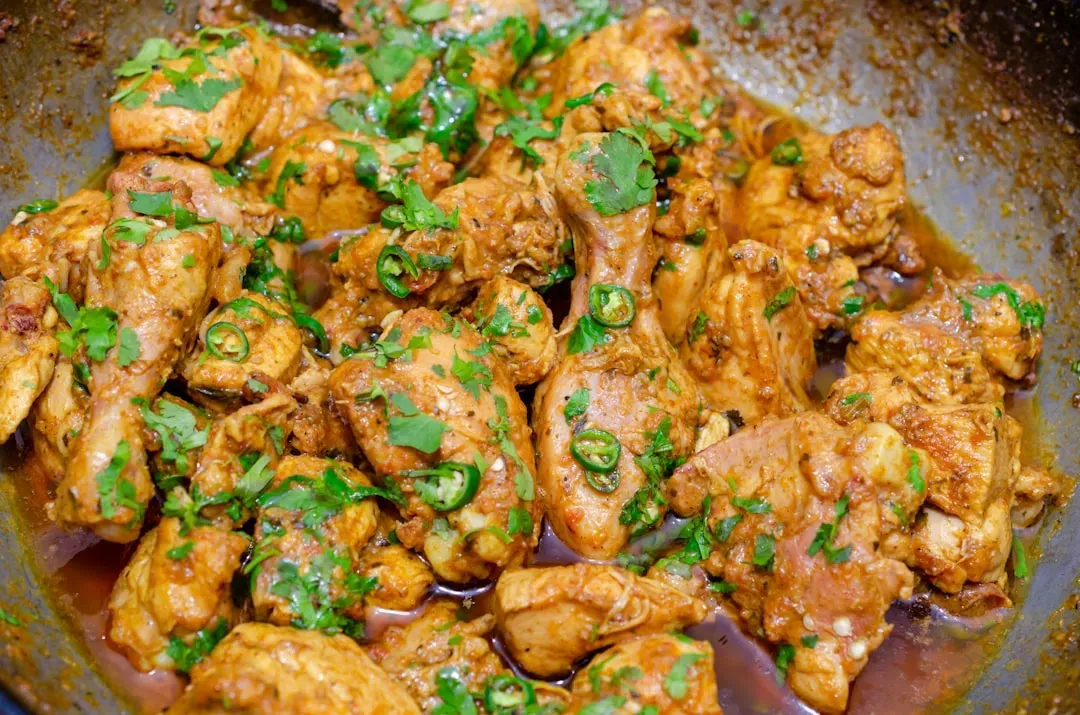
4. Curry (Image Credits: Unsplash)
Curries, particularly those built on a coconut milk or tomato base, tend to freeze and reheat with impressive consistency. The fat in coconut milk helps stabilize the sauce, preventing the graininess that sometimes affects dairy based dishes after freezing. Because curry spices are cooked into an oil or fat base early in the process, the flavor tends to stay concentrated rather than fading during storage.
Chicken and lamb curries generally reheat better than dishes with delicate seafood, since seafood proteins are more prone to becoming tough or chewy after a freeze thaw cycle. Reheating curry slowly on the stove, with a small amount of added water or stock, restores the sauce to its original consistency far better than a quick microwave reheat. Rice should ideally be cooked fresh rather than frozen alongside the curry, since frozen rice can turn dry and clumpy.
5. Soup
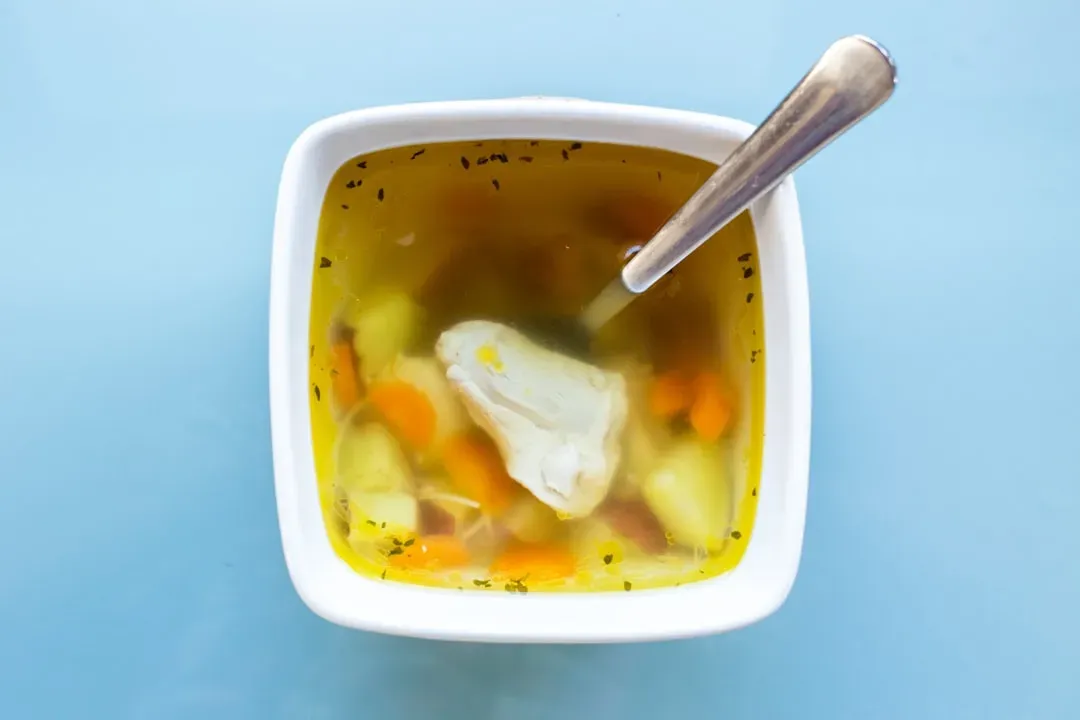
5. Soup (Image Credits: Unsplash)
Broth based soups are among the most freezer friendly meals that exist, largely because liquid based dishes do not rely on texture in the same way solid foods do. Vegetable soups, lentil soups, and bean based soups in particular freeze well since their ingredients are already soft before freezing occurs. Cream based soups are a bit trickier, as dairy can separate when frozen, though this can often be fixed by whisking the soup vigorously while reheating.
Leaving headspace in the container before freezing is important, since liquids expand as they freeze and can crack containers or force lids open if packed too tightly. Reheating soup slowly on the stove rather than in short microwave bursts allows the ingredients to warm evenly without overcooking the vegetables at the edges of the bowl. Many soups also benefit from a fresh addition of herbs after reheating, since dried herbs frozen into the broth can lose some of their aromatic punch over time.
6. Pulled Pork or Shredded Chicken
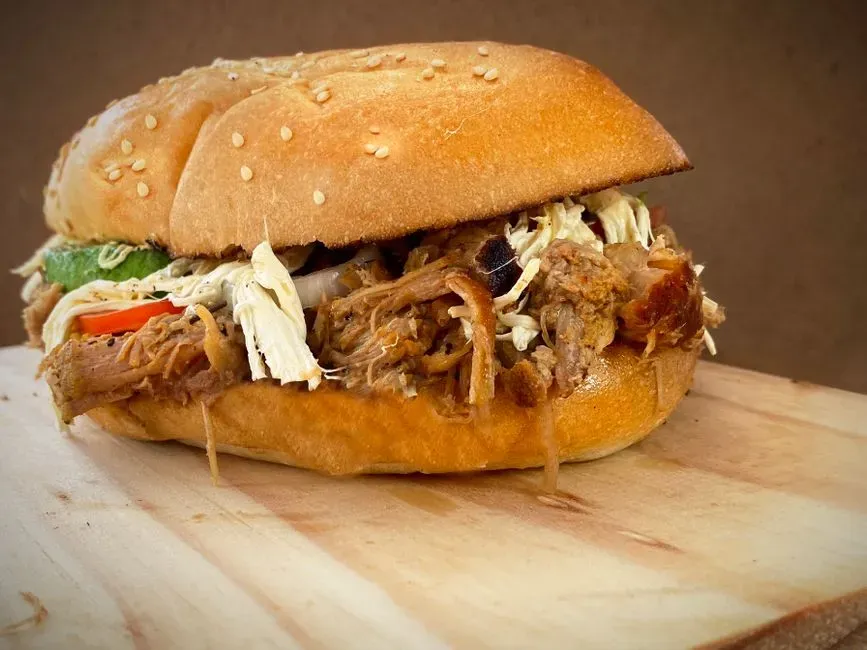
6. Pulled Pork or Shredded Chicken (Image Credits: Pexels)
Shredded meats in sauce, such as pulled pork with barbecue sauce or shredded chicken in salsa, freeze remarkably well because the sauce coats each strand and limits moisture loss. This is different from freezing a whole chicken breast or a solid piece of pork, which tends to dry out more easily due to less surface contact with a protective liquid. The shredding process itself actually helps here, since more surface area is exposed to sauce rather than air.
Reheating shredded meats works best with added moisture, whether that is a splash of broth, extra barbecue sauce, or a bit of the original cooking liquid saved separately. Covering the dish while reheating in the oven or on the stovetop traps steam and helps keep the meat from turning stringy or tough. This method is commonly used by meal prep cooks specifically because shredded meats tend to outperform whole cuts in taste tests after freezing.
7. Baked Ziti or Other Baked Pasta Dishes
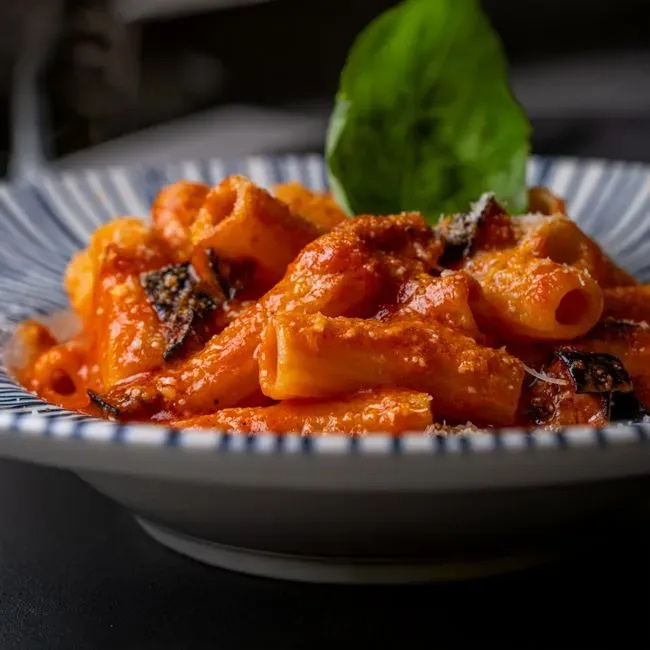
7. Baked Ziti or Other Baked Pasta Dishes (Image Credits: Pexels)
Baked pasta dishes share many of the same freezer advantages as lasagna, since cheese, sauce, and pasta work together to create a protective barrier against freezer burn. Ziti, in particular, holds its shape well because the tube shape of the pasta traps sauce inside, keeping it from drying out during storage. Ricotta and mozzarella, common in these dishes, tend to reheat with better texture than thinner cream sauces because of their higher fat content.
Freezing baked ziti before baking, rather than after, is a method many cooks prefer because the pasta finishes cooking during the initial bake rather than being reheated twice. Thawing overnight in the refrigerator before baking produces the most even results, since baking straight from frozen can leave the center undercooked while the edges dry out. A layer of foil for the first part of baking, removed near the end, helps the cheese brown properly without scorching.
8. Meatballs in Sauce
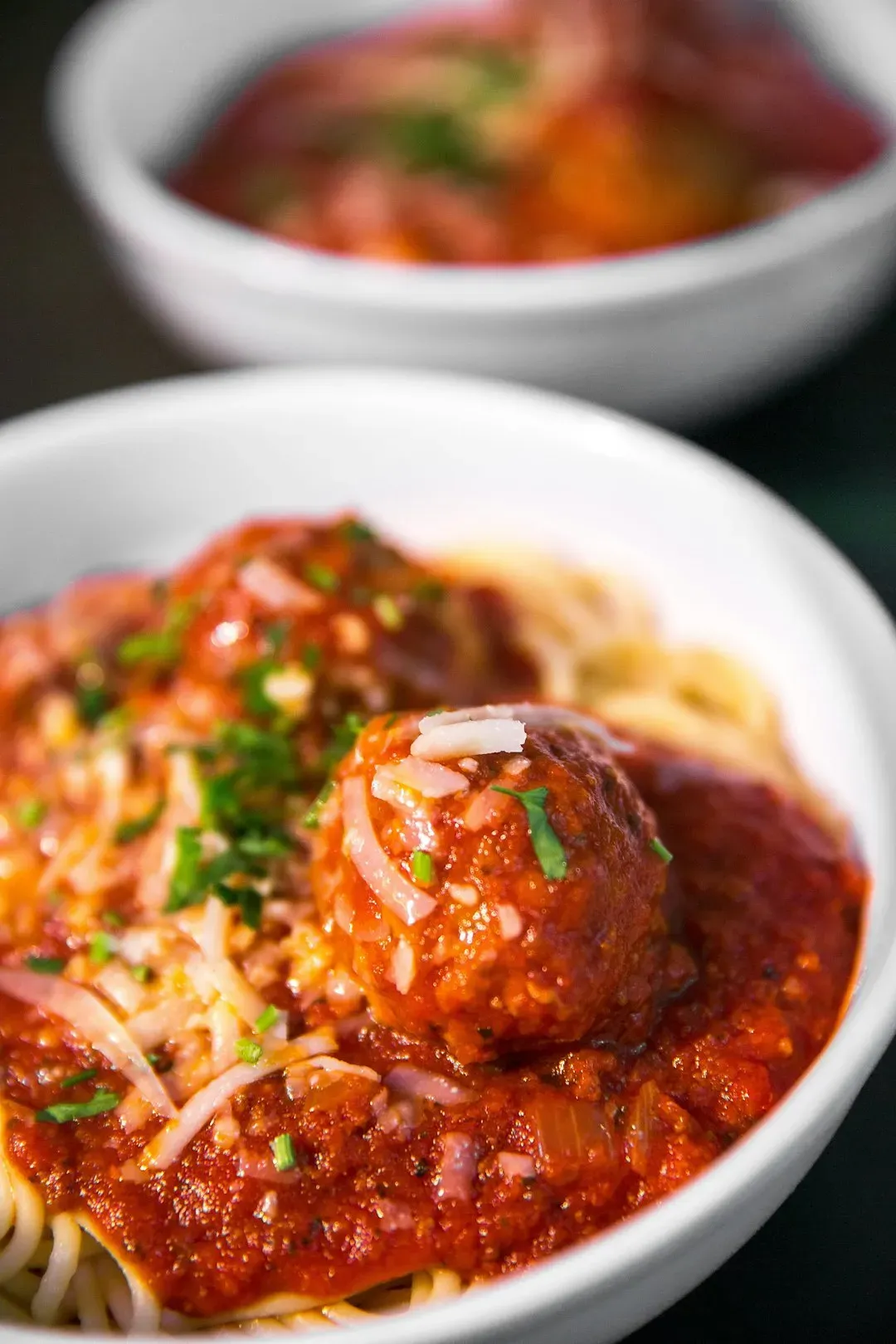
8. Meatballs in Sauce (Image Credits: Unsplash)
Meatballs simmered in marinara or another tomato based sauce freeze exceptionally well, again due to the protective quality of a thick liquid surrounding a solid protein. The fat content in ground meat, combined with the acidity and moisture of tomato sauce, helps meatballs retain a tender texture rather than becoming dense or rubbery after freezing. This is a notable contrast to meatballs frozen without sauce, which are far more prone to drying out.
Reheating meatballs gently on the stovetop, submerged in their sauce, allows heat to distribute evenly without drying out the exterior of each meatball. Microwaving can work in a pinch, but covering the dish and reheating in shorter intervals helps prevent the outer layer of the meatballs from becoming tough while the center stays cold. Freezing meatballs in individual sauce portions, rather than one large batch, also makes it easier to reheat only what is needed without repeatedly thawing and refreezing the rest.
Sauces, fats, and slow cooking methods are the common threads running through all eight of these dishes. Meals built around a protective liquid, whether that is tomato sauce, coconut milk, or broth, consistently outperform drier dishes when it comes to freezing and reheating. Choosing the right reheating method, usually low and slow rather than fast and high heat, makes just as much difference as the recipe itself.