
There's a particular kind of denial that happens between the moment you tap "confirm order" and the moment your bank statement arrives. The number always looks bigger than you remember agreeing to. Somewhere between the appetizer you didn't need and the "small order fee" you never noticed, takeout has quietly become one of the biggest line items in the average household budget, and most people have no real sense of how much it adds up to over a year.
The Real Monthly Number Most People Underestimate
The Real Monthly Number Most People Underestimate (Image Credits: Unsplash)
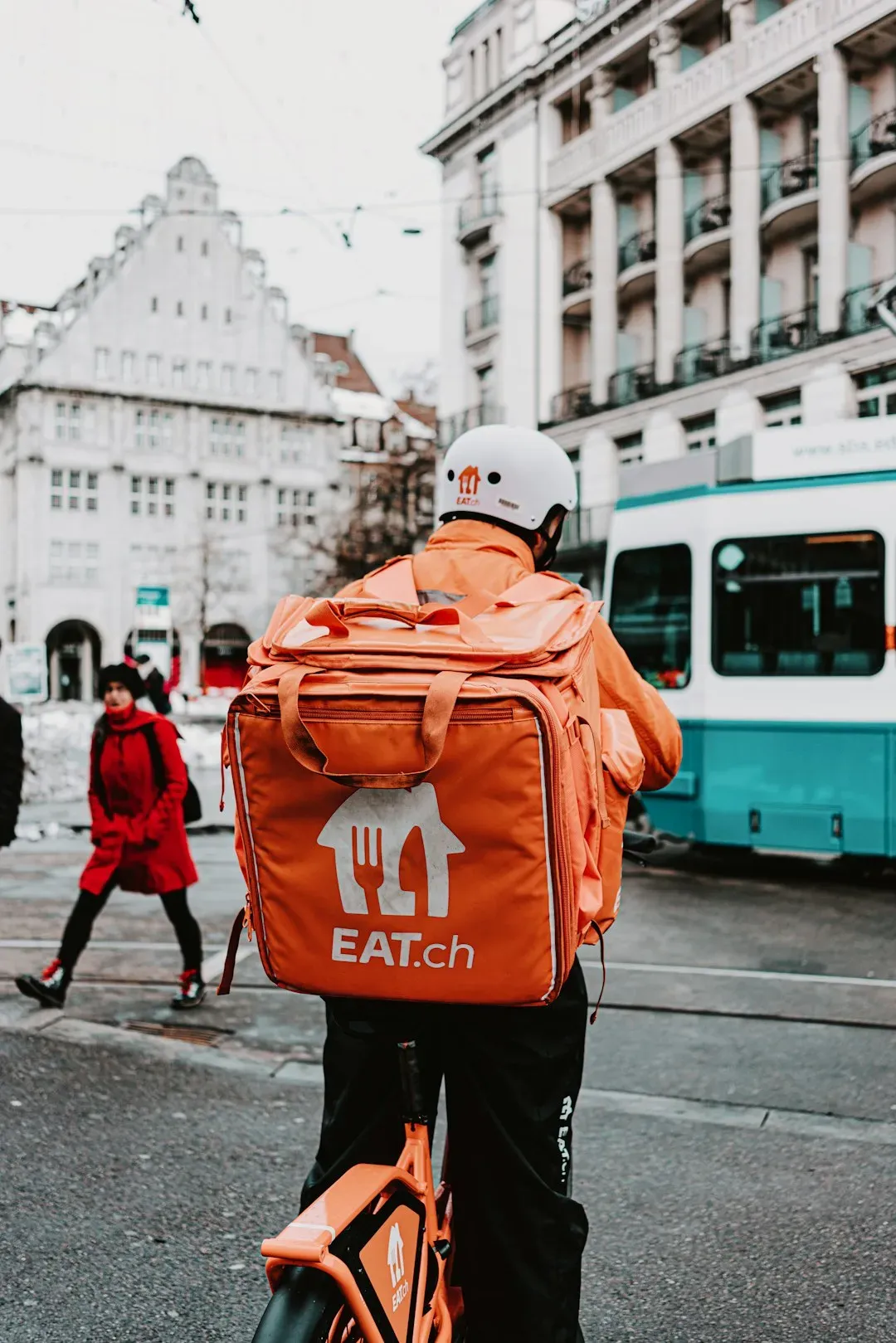
Ask someone how much they spend on takeout and delivery each month, and they'll usually guess low. The actual figure tells a different story. On average, consumers spend about $88.50 per month on food ordered for takeout or delivery, in addition to what they spend dining out. Other research pegs the number even higher.
On average, people spend $118 a month on food delivery, the third highest non-essential monthly expenditure after travel and fine dining, according to Empower data. Stack twelve months of that spending together and it starts to look less like a treat and more like a second car payment. None of this even includes what people spend sitting down at a restaurant.
What a Year of Ordering In Actually Costs
What a Year of Ordering In Actually Costs (Image Credits: Unsplash)
Monthly numbers are easy to dismiss. Annual totals are harder to ignore. The average American spends $33.89 per order on food delivery, which translates to $37.28 a week, $152.51 per month, and $1,843.72 a year.
A separate survey found a similar pattern, with Americans spending over $1,566 annually on food delivery services, with an average order cost of $35.42. Whichever figure you trust more, the range sits comfortably above fifteen hundred dollars a year for the average household, money that could just as easily go toward savings, debt, or literally anything else.
Why Delivery Costs So Much More Than Pickup
Why Delivery Costs So Much More Than Pickup (Image Credits: Unsplash)
The gap between ordering delivery and simply walking in to grab your own food isn't small. A detailed 2025 analysis found that if you want fast-food or fast-casual delivery, be ready to pay nearly 80% more, with ordering delivery costing 79.5% more than pickup across major chains in the ten biggest U.S. metro areas.
That study compared identical orders from chains like Chipotle, Chick-fil-A, and Starbucks, and the pattern held steady across cities. The 10-metro average pickup cost was $11.71, ranging from $5.27 at Starbucks to $18.28 at Buffalo Wild Wings. Add delivery fees, service charges, and a tip on top of that base price, and the "convenience" starts to look expensive by design rather than by accident.
Where the Hidden Fees Actually Go
Where the Hidden Fees Actually Go (Image Credits: Unsplash)
Delivery apps rarely advertise the true cost upfront, and that's not an accident either. Research on delivery spending found that delivery fees, service fees, and tips make up roughly 36% of food delivery costs, an average of $654 each year per customer. That's over a third of what you're paying going toward charges that have nothing to do with the food itself.
Some platforms are worse offenders than others. Postmates users spend the most on hidden delivery fees, at 46%. Regulators have started paying attention to this too. The FTC reached a $60 million settlement with Instacart in 2025 over allegations that it falsely advertised free delivery on some orders but charged a service fee, and a $25 million settlement with Grubhub in 2024 over allegations that it misled consumers about the cost of delivery.
The Subscription Trap Nobody Talks About Enough
The Subscription Trap Nobody Talks About Enough (Image Credits: Unsplash)
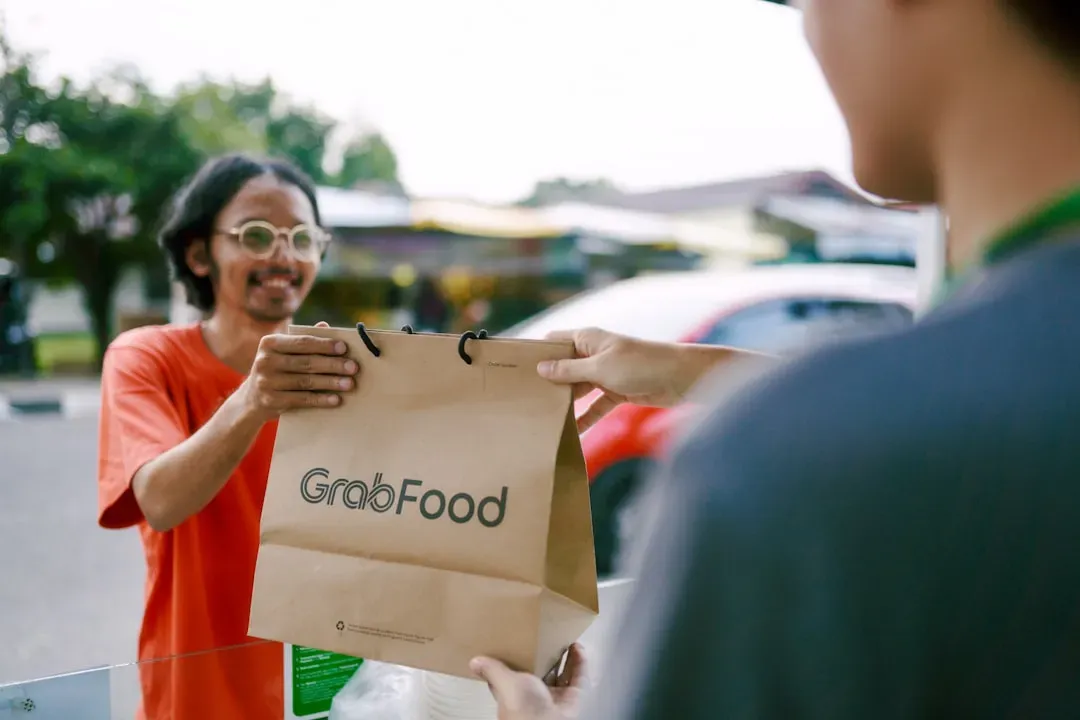
Delivery apps have gotten good at converting occasional users into subscribers, and the numbers show it's working. 62% of Americans who get food delivered pay for a premium subscription. The pitch is simple: pay a flat monthly fee, skip the delivery charges.
The problem is what that convenience does to ordering behavior. Delivery app premium subscribers order nearly twice as often as others. A subscription designed to save money on individual orders often ends up increasing total spending, simply because it removes the mental friction that would otherwise make someone think twice before ordering again.
Restaurants Are Quietly Marking Up Delivery Prices
Restaurants Are Quietly Marking Up Delivery Prices (Image Credits: Pexels)
It isn't just the apps adding fees. Many restaurants raise their own menu prices specifically for delivery orders to offset the commissions platforms charge them. Many restaurants increase prices by 10%-15% on these platforms while keeping in-house pricing lower.
That markup exists because the commissions restaurants pay are steep to begin with. Platforms like DoorDash, Uber Eats, and GrubHub typically charge 15–30% per order as a commission on the food total. The customer rarely sees this directly, but they feel it in a menu price that's quietly higher than what's posted on the restaurant's own door.
Regulators Are Finally Stepping In

Regulators Are Finally Stepping In (Image Credits: Pexels)
This isn't just a consumer complaint anymore, it's become a policy issue. In early 2026, the Federal Trade Commission proposed to commence a rulemaking proceeding to address certain unfair or deceptive acts or practices relating to fees and charges for food and grocery items ordered through online delivery platforms.
Congress has been moving in a similar direction. A bill introduced in May 2026 would require that delivery apps disclose all costs up front and explain any fees so that consumers can shop confidently without unexpected charges at checkout. Studies cited in that legislative push reiterated that Americans pay nearly 80% more when using delivery apps compared to picking orders up from restaurants themselves.
Who Spends the Most, by Generation and Income
Who Spends the Most, by Generation and Income (Image Credits: Unsplash)
Takeout spending isn't evenly distributed across age groups. Gen Z is likely to spend the highest percentage of their income on food delivery, around 4%, with their average order totaling $30.39. They also order more frequently than anyone else.
Higher earners spend more per order but feel it less. People making over 100K a year are likely to spend the most on each order, just over $40, and still only spend 1% of their income over a year. It's a reminder that the same dollar amount can represent a rounding error for one household and a real budget strain for another.
The Regional Divide in Takeout Habits
The Regional Divide in Takeout Habits (Image Credits: Unsplash)
Where you live shapes how much you spend, sometimes dramatically. Iowa indulges in delivery more than any other state, spending about $3,366 annually, with residents spending the most per order at $45.11, 27.4% higher than the national average.
Compare that to the more frugal end of the spectrum. Wisconsin orders delivery the least, with only 2.5 times per month, and spends less than $1,000 annually on delivery, with a total of $938. That's a difference of more than three thousand dollars a year between states, driven largely by how often people order rather than what they order.
Why Most People Still Choose to Pick It Up Themselves
Why Most People Still Choose to Pick It Up Themselves (Image Credits: Pexels)
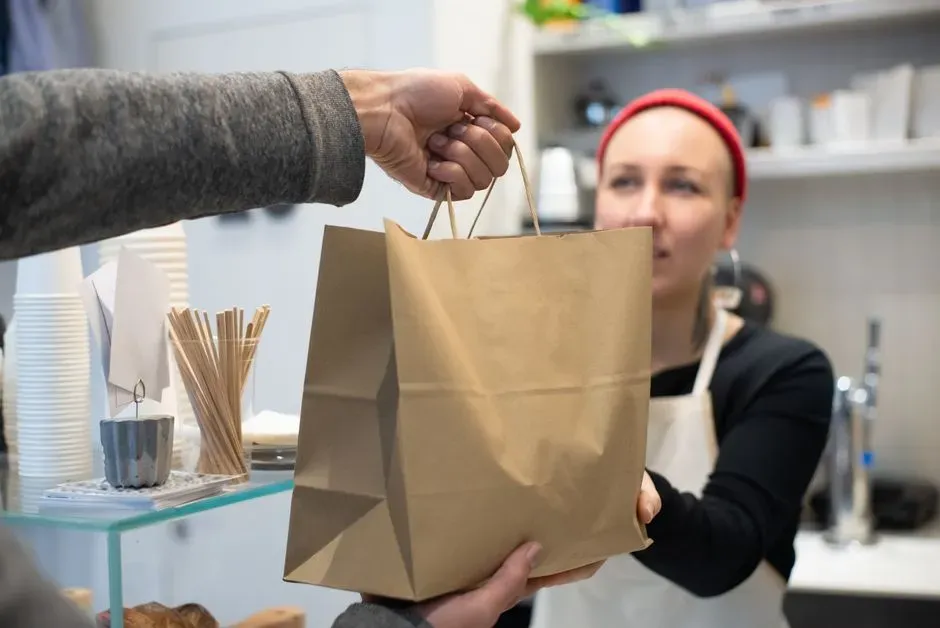
Despite the dominance of delivery apps in the cultural conversation, most orders still involve someone walking in and grabbing their own food. About 65% of consumers say they opt to pick up takeout orders themselves, versus 35% who primarily use delivery. Given everything above, that instinct looks less like an inconvenience and more like a genuinely smart financial habit.
The reasoning tracks with the cost data. Takeout often avoids delivery fees and can be quicker for those who have a restaurant nearby. It's a small behavioral choice that, multiplied across dozens of orders a year, translates into real savings without requiring anyone to give up the convenience of not cooking.
Small Changes That Actually Cut the Cost
Small Changes That Actually Cut the Cost (Image Credits: Unsplash)
None of this means takeout has to disappear from anyone's routine. It means the habit deserves the same scrutiny as any other recurring expense. Financial advisors who study delivery spending suggest treating it like a real budget category rather than an afterthought, since if you're passionate about something and spend a lot of money on it regularly, you should account for it in your budget.
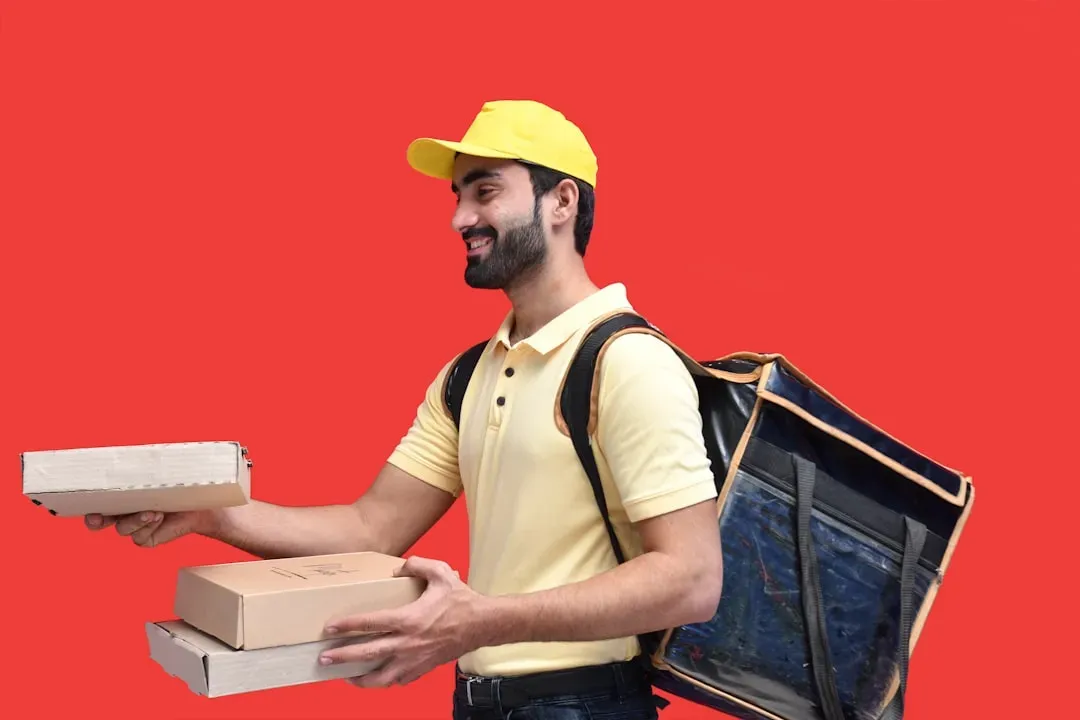
Practical adjustments matter more than they sound. Picking up orders instead of paying for delivery, skipping the premium subscription unless the math clearly works out, and comparing the in-app price to what the restaurant actually charges at the counter can each shave off a meaningful chunk of that fifteen-hundred-to-two-thousand-dollar annual figure. The savings won't happen automatically. They happen when the true cost finally gets counted instead of guessed at.