
Walk into any butcher shop and you’ll probably find the usual suspects lined up in the display case: ribeye, New York strip, tenderloin, maybe a rack of ribs. What you won’t find is everything. There have always been a handful of cuts on an animal that customers didn’t know to ask for, and these were often called “butcher’s cuts” because the people who broke down the animal would keep them for themselves and cook them up for lunch, with none of their clients any the wiser.
In the pre-supermarket era, local butchers reigned supreme, and with their deep knowledge of meat, they sometimes kept choice cuts for themselves and their families, giving rise to the term “butcher’s cuts.” Some of these prized cuts came from muscles that might be initially overlooked, like the diaphragm. The knowledge gap has narrowed in recent years, but these cuts still remain largely invisible to most shoppers. Here are the twelve that butchers have been hiding in plain sight.
1. Hanger Steak
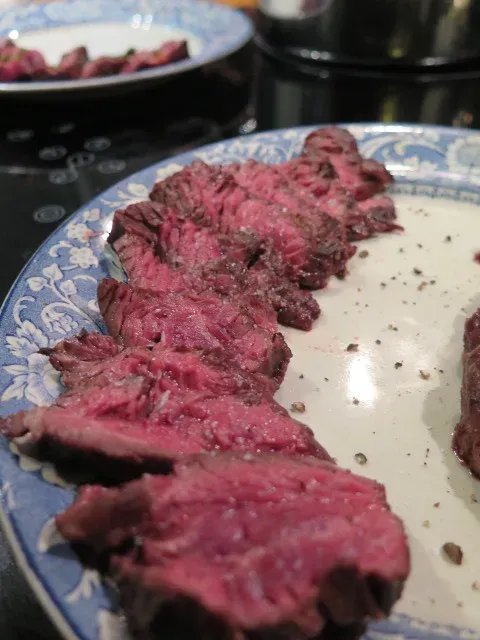
1. Hanger Steak (Peyman Zehtab Fard, Flickr, <a href="https://creativecommons.org/licenses/by/2.0/" target="_blank" rel="noopener">CC BY 2.0</a>)
Hanger steak gets its name from its location on the cow, hanging from the lower belly between the loin and the rib. There is only one hanger per animal, and it has long been nicknamed "butcher's steak" because the butcher would secretly keep this cut for themselves. Its bold flavor and tenderness made it a prized cut among those in the know, and the texture is slightly coarser than premium cuts like ribeye, but the intensity of beef flavor more than makes up for it.
The reason butchers were able to keep this cut a secret for so long is that many people thought the meat was rough or fatty. Hanger is actually a tender and juicy cut with a rich, full-flavored taste, it cooks quickly, making it perfect for weeknight meals, and it can be marinated, pan seared, grilled or skewered and barbecued. Cook it to medium-rare and slice across the grain for the best result.
2. Flat Iron Steak
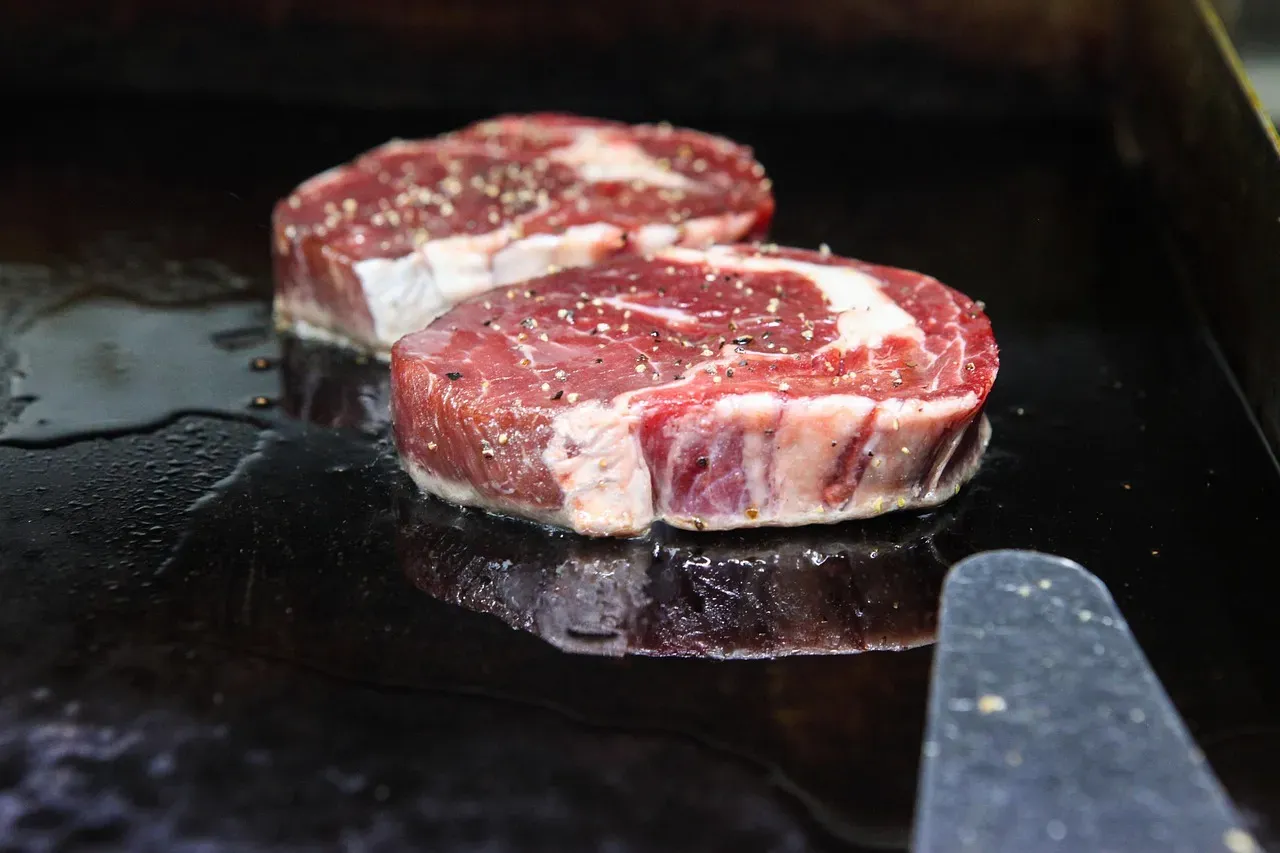
2. Flat Iron Steak (Image Credits: Pixabay)
The flat iron steak used to be called "butcher's steak" because meat cutters would keep it for themselves instead of selling it to customers. They knew it tasted amazing and was incredibly tender, so why share the secret? Often mistaken for flank steak, the flat iron comes from the shoulder of the cow, cut off the blade, and is another lean and tender option that butchers like to keep for themselves.
The flat iron is found right under the cow's shoulder blades, and the rarity comes from the fact that there are only six to eight pounds of it available per cow. Even then, with one cut, you can feed three to four people. The flat iron is a marvel of modern butchery, carved from the shoulder, and is the second-most tender steak after the filet mignon. It's juicy, rich, and full of beefy flavor, handling marinades and high heat with ease.
3. Teres Major (Shoulder Tender)
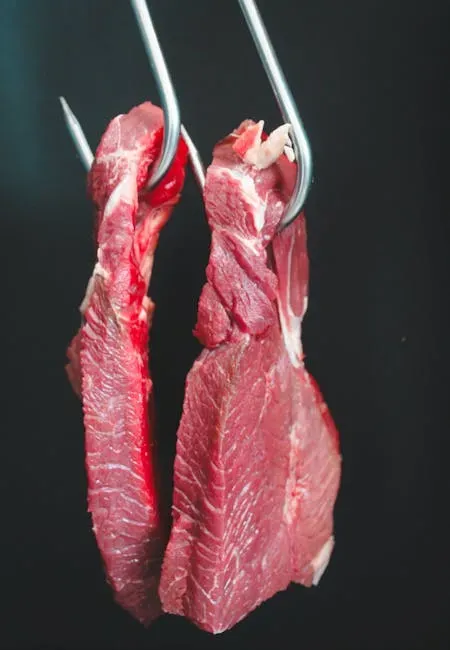
3. Teres Major (Shoulder Tender) (Image Credits: Pexels)
The teres major is a lean cut of beef from the chuck section of a cow, located right below the front leg and mostly known only by skilled butchers. It takes a skilled butcher to access this steak and only two filets per animal can be harvested. Although not a common retail beef cut, it costs much less than beef tenderloin but delivers meat that is almost as tender and far more flavorful.
The teres major has much more flavor than a tenderloin because it comes from a heavily used, active muscle, which means it gets more blood flow and helps develop complex, rich beefy flavor with hints of iron, similar to a hanger steak. The teres major is encased within a group of muscles called the shoulder clod, and it is extremely difficult for butchers to extract in one clean piece, so it is often ground along with the rest of the shoulder clod, or chopped into stew meat. Those who do isolate it treat it like a prize.
4. Ribeye Cap (Spinalis Dorsi)
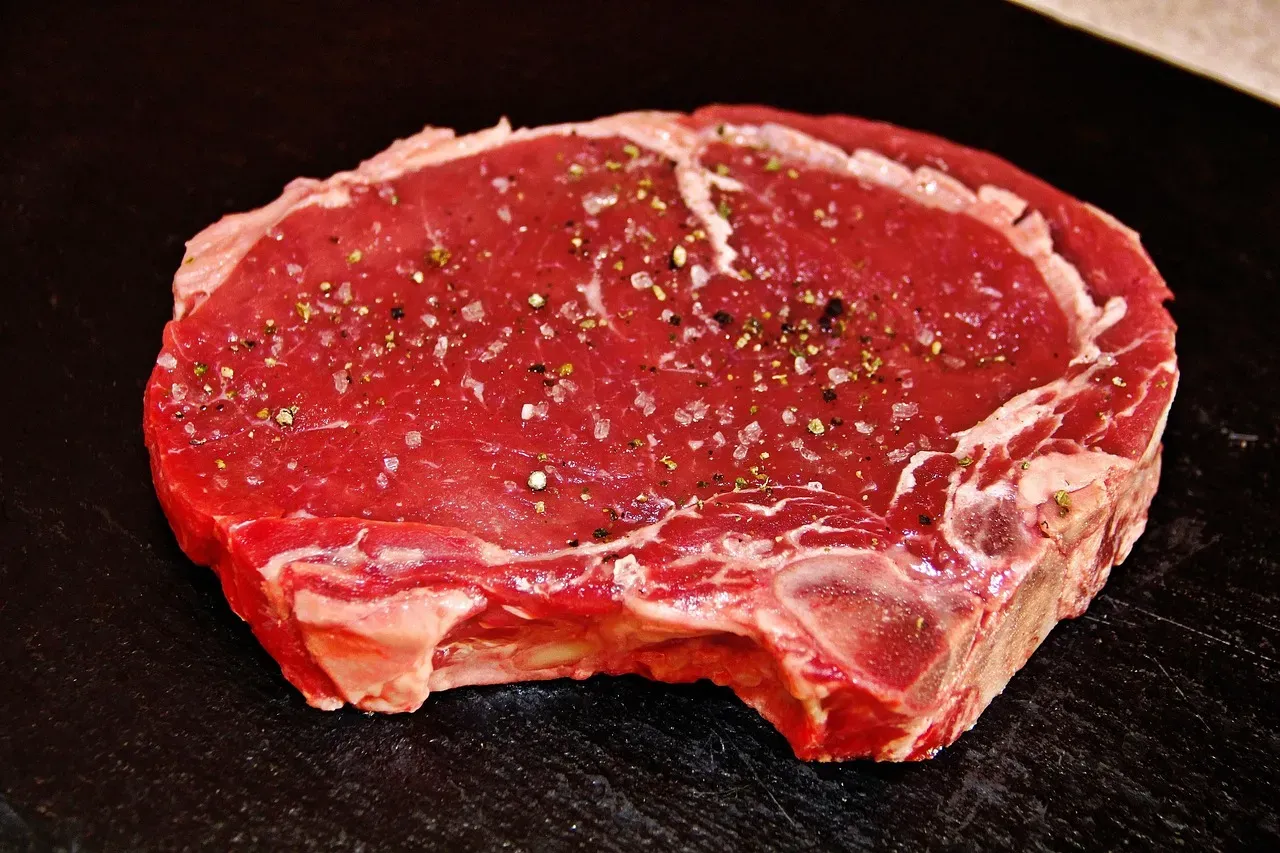
4. Ribeye Cap (Spinalis Dorsi) (Image Credits: Pixabay)
The Spinalis ribeye cap, also known as butcher's butter, is very sought after yet rare to find, and most butchers know this is the crown jewel of beef, which is exactly why they often set it aside for their own dinner tables. It is almost as tender as the tenderloin but has every bit of the flavor of a ribeye. The real name of the ribeye cap is spinalis dorsi, and an unsexy moniker can't take anything away from this luscious cut, the tender and flavorful rind of ribeye.
It's a rarity in butcher shops, although premium meat purveyors may have it. You can also buy a hunk of prime rib and carve it off the eye yourself along the natural separation. When you do find this cut, it's typically rolled and tied with butcher's twine, creating a compact medallion that's perfect for high-heat cooking. It's the kind of thing butchers cook on a Tuesday night and don't mention to customers.
5. Denver Steak
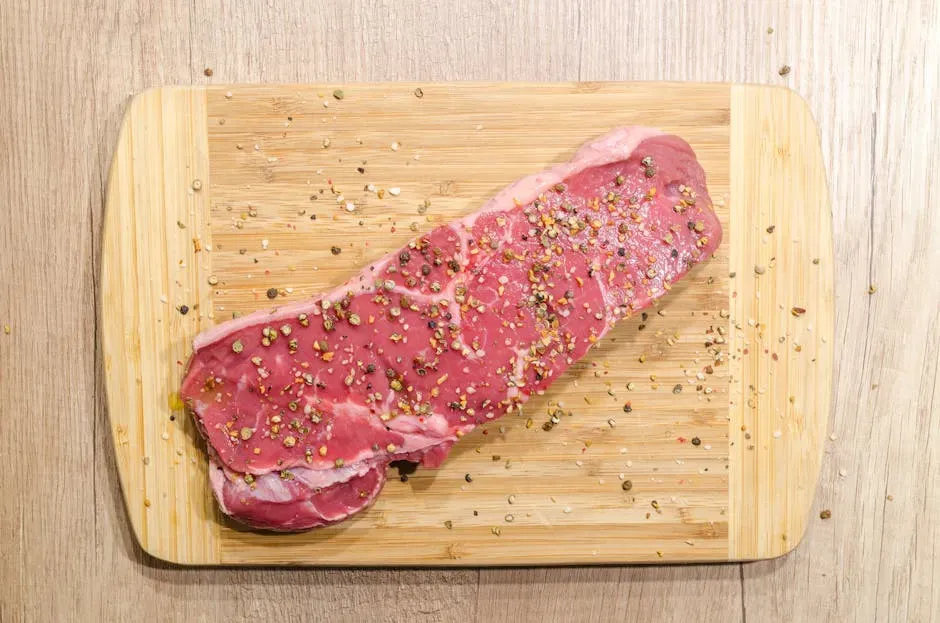
5. Denver Steak (Image Credits: Pexels)
The Denver steak comes from a chuck roll, which is the fattiest and most flavorful part of the cow. The reason you don't see it much is because it is difficult to break down and is easier to use for ground beef. It comes from the serratus ventralis muscle beneath the chuck eye steak under the shoulder blade, and unlike most muscles on the chuck, this one is underused and more tender than other shoulder parts.
There are only about twelve steaks per cow, which makes this one genuinely hard to find at a standard grocery counter. A skilled butcher needs to specifically and carefully remove this strategically located cut from the rest of the chuck. Often, the tender Denver steak is left intact as part of larger chuck pot roasts simply because it's less labor intensive. When a knowledgeable butcher does take the trouble, the result is a deeply marbled, juicy steak worth every bit of the effort.
6. Bavette (Flap Meat)
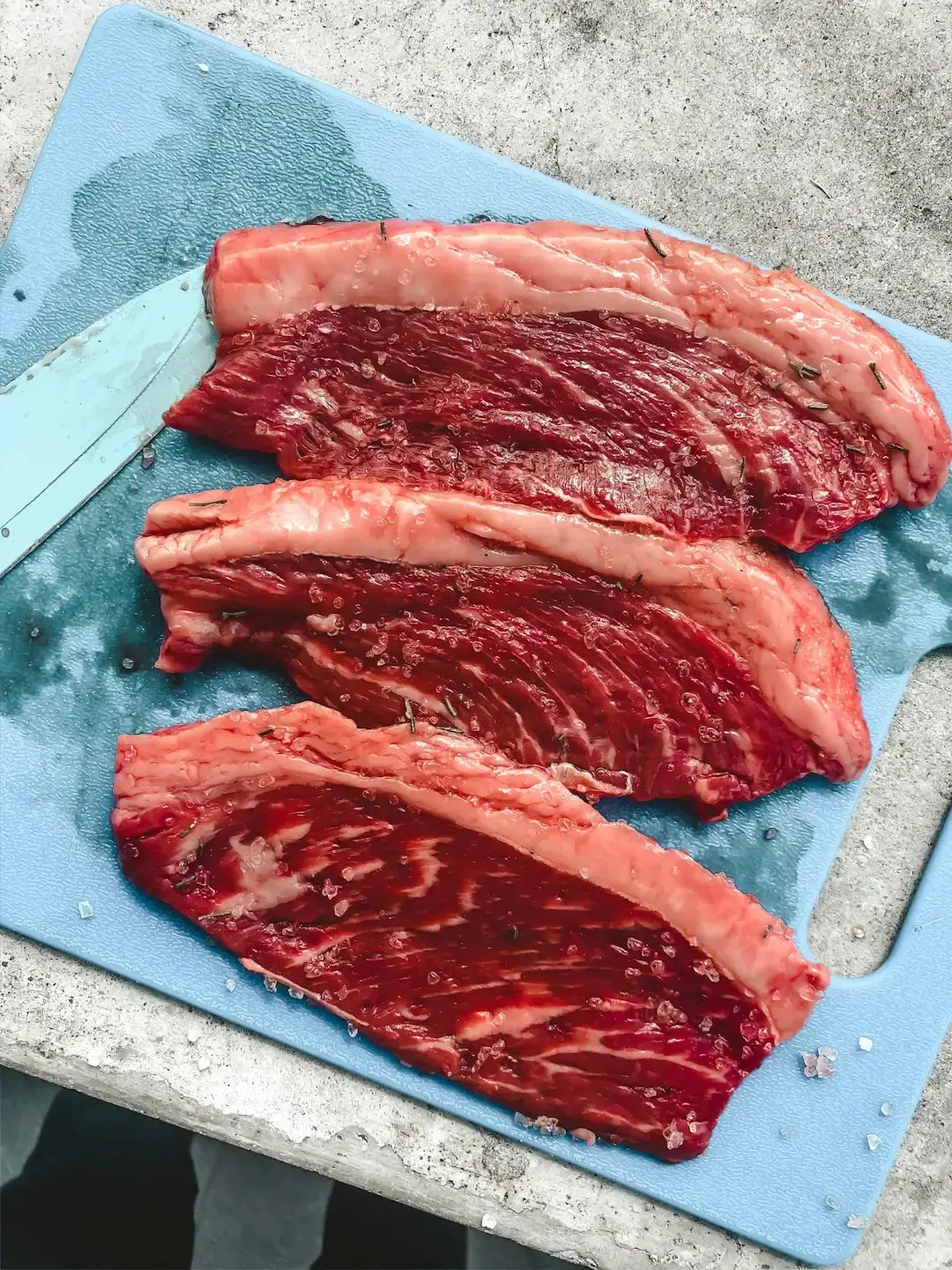
6. Bavette (Flap Meat) (Image Credits: Unsplash)
The bavette comes from the same area as a flank steak and has a similar chewy and lean consistency. It can even be mistaken for a flank or flap steak, however the bavette is thicker and more tender. A cow will only carry about ten pounds of bavette, which is a fraction considering the animal could weigh up to 650 pounds on average.
Bavette is another type of flank or skirt steak that is under-used. A relatively unknown cut, it is thicker and meatier than the flank, has a rich beefy flavor, and is quite tender if cooked properly. The key is simple: cook it fast over very high heat and always slice against the grain. Bavette is a favorite among chefs for its ability to deliver on both flavor and presentation. Sear it hard for crispy edges, then slice and serve with compound butter or chimichurri.
7. Oyster Steak (Spider Steak)
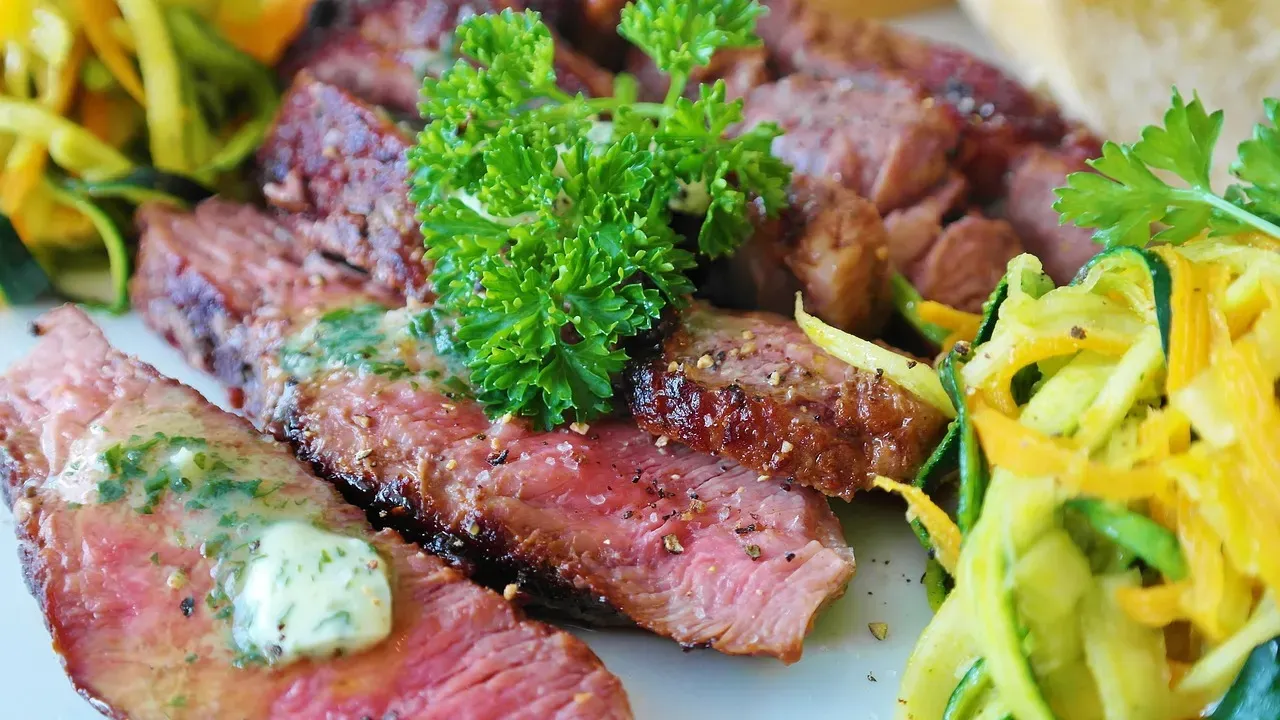
7. Oyster Steak (Spider Steak) (Image Credits: Pixabay)
The oyster steak is a tiny gem of a steak nestled inside the cow's aitchbone. It's very small, especially on a grass-fed animal, and generally weighs no more than six ounces. Because of the way beef is usually processed, the oyster steak is exposed to air during the week or so that the animal hangs, which gives it an intense flavor. It's called the oyster steak because the webs of fat running along it make it look a bit like an oyster shell.
There are only two oyster steaks in the cow, and each weighs about eight ounces. It's the hardest cut for butchers to get to, as it cannot be removed until the entire cow is de-boned, adding yet another layer to why it's so rare to see. The oyster steak represents the ultimate insider knowledge. Butchers that still break down whole animals by themselves and cut steaks by hand know just where some of the tastiest meat is on every cow and traditionally keep these cuts to themselves.
8. Tri-Tip
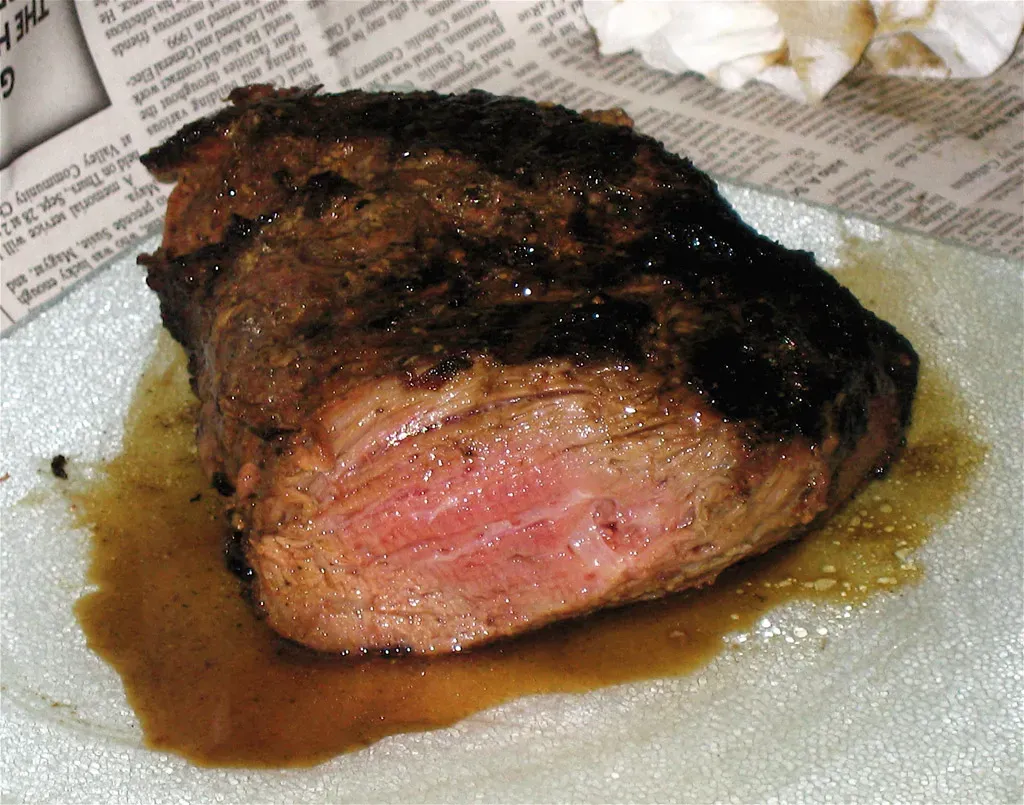
8. Tri-Tip (By MCB at English Wikipedia, <a href="https://commons.wikimedia.org/w/index.php?curid=25331350" target="_blank" rel="noopener">CC BY-SA 2.5</a>)
This triangular-shaped cut comes from the bottom of the sirloin, often referred to as a "Poor Man's Brisket," as it grills fast like a steak but cuts like a brisket. Tri-tip steak is cut from a tri-tip roast, which is a small, triangular cut from the sirloin, popularized in Santa Maria, California, perfect for slow and low reverse sear. This cut has a fascinating history of being overlooked until California pitmasters discovered its potential. Prior to the 1950s, it was only used to make stew meat or ground beef.
Tri-tip is versatile and takes well to both wet and dry rubs, but should be seasoned aggressively due to its thickness. It has a desirable flavor profile and makes a great roast, and can also be portioned into steaks for a quick and easy cook-up on the grill. Knowledgeable butchers appreciate this versatility and often grab these cuts for their own barbecue adventures.