
Most parents today have access to more child development research than any previous generation. There are podcasts, evidence-based books, pediatric websites, and parenting communities at their fingertips. Yet somehow, the same patterns keep showing up – not because parents don’t care, but because knowing something and actually doing it consistently in the middle of a chaotic Tuesday night are two very different things.
What follows isn’t a list designed to make anyone feel bad. These are patterns that well-meaning, informed families fall into repeatedly, often without realizing it. Some are subtle. Some feel entirely logical in the moment. All of them are worth a closer look.
1. Giving Empty or Outcome-Based Praise

1. Giving Empty or Outcome-Based Praise (Image Credits: Pexels)
Research by psychologist Carol Dweck shows that outcome-focused praise, like "You're so smart," may lead kids to fear failure and avoid challenges. Children can begin to associate their value with achievement, which creates pressure to always perform perfectly. That pressure quietly erodes the willingness to try hard things – the very opposite of what parents intend when they offer a compliment.
The myth is that all praise is good praise. In reality, blanket or hollow praise can undermine a child's resilience. Instead of boosting confidence, it can actually foster perfectionism and discourage effort if children begin to associate their value with a particular outcome. The fix isn't to stop praising – it's to praise effort and process instead of talent or results.
2. Overprotecting and Hovering Too Closely

2. Overprotecting and Hovering Too Closely (Image Credits: Pexels)
Research on helicopter parenting effects consistently shows that this form of overprotective parenting can interfere with healthy child development, independence, and self-efficacy, particularly as children grow older and are expected to manage challenges on their own. It's a pattern that often intensifies during the primary school years, precisely when children most need the chance to stumble safely.
A meta-analysis of 53 studies found helicopter parenting significantly correlated with higher levels of internalizing behaviors, including anxiety and depression. Children who cannot handle normal life stresses develop learned helplessness and persistent worry about their capabilities. Parental overinvolvement is thought to limit offspring's opportunity to learn from natural consequences, and as a result, emerging adults who grew up with helicopter parents are more likely to have lower levels of self-efficacy and self-regulatory skills.
3. Being Inconsistent With Rules and Discipline
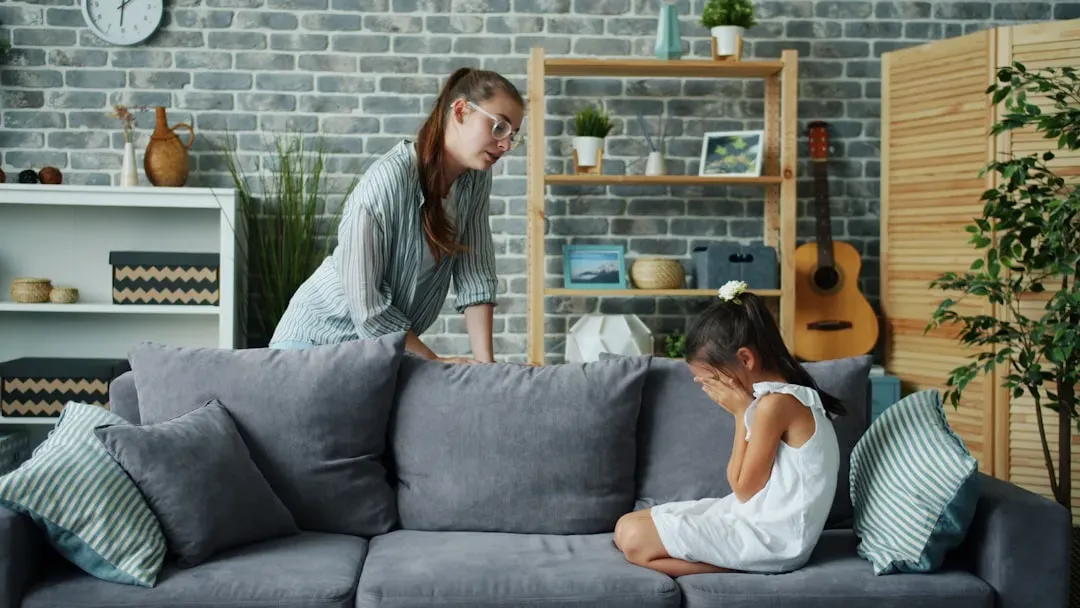
3. Being Inconsistent With Rules and Discipline (Image Credits: Unsplash)
Inconsistency in applying discipline will not help a child respect their parents. Harsh discipline such as humiliation, shouting, or name-calling also makes it hard for the child to trust the parent. Effective discipline means discipline applied with mutual respect in a firm, fair, reasonable, and consistent way. When rules shift depending on the parent's mood or energy level, children don't learn boundaries – they learn to test them.
Ineffective parenting approaches, such as harsh discipline, inconsistent rules, and permissive parenting styles, have been linked to increased behavioral problems in children. Research has also shown that parental stress, frustration, and feelings of incompetence can contribute to inconsistent discipline and negative interactions with children. Recognizing stress as a trigger – rather than ignoring it – is genuinely useful here.
4. Using Screens as a Default Pacifier
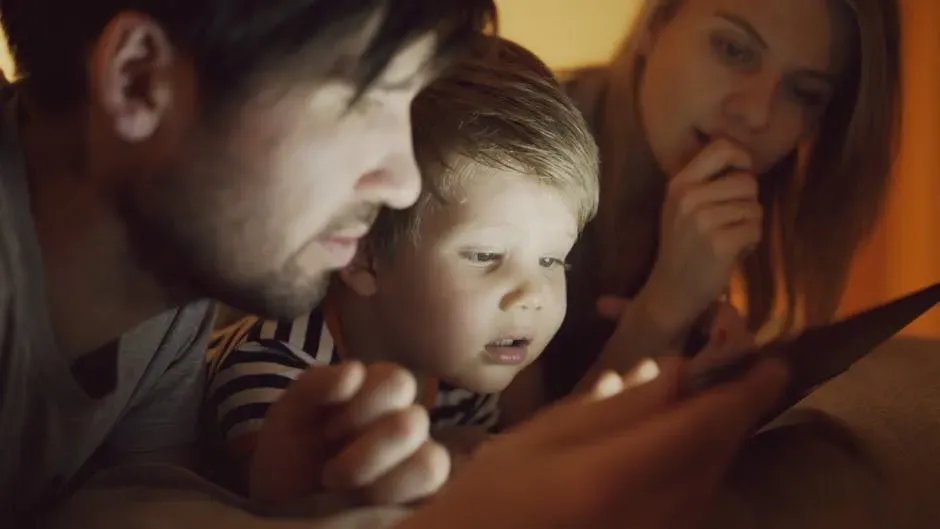
4. Using Screens as a Default Pacifier (Image Credits: Pexels)
Research indicates that many parents rely on screen time as a substitute for a babysitter, using it as a distraction to keep their children engaged while they attend to household tasks or responsibilities. Some parents also use it strategically as a reward for good behavior or as a form of punishment for undesirable actions. Neither approach teaches children to manage boredom or discomfort on their own.
Experts recommend avoiding screens as a source of comfort or consolation. In the long run, this tactic actually worsens things, because it does nothing to help children learn to regulate their emotions. Instead, it teaches children to rely on media for relief and to seek external sources of comfort and support. The goal isn't to eliminate screens entirely – it's to make sure they're not filling an emotional gap that needs something else.
5. Ignoring the Parent's Own Screen Habits

5. Ignoring the Parent's Own Screen Habits (Image Credits: Pexels)
While parents may heed warnings and limit their kids' use of screens according to pediatric guidelines, the truth is that parental use of screens also has a dramatic impact on children's development at any age, from infancy to adolescence. This is one of the quieter blind spots – a parent can follow every recommended guideline for children while still undermining those efforts through their own behavior.
When a parent is deeply absorbed in a device and their child breaks through that concentration, the subsequent interaction is of much lower quality. Studies show that parents are less likely to respond meaningfully when interrupted during screen use, and children are more likely to perceive parental responses as hostile. Children quickly learn that interrupting a parent who is using a screen brings a very negative reaction, so they stop trying.
6. Dismissing or Minimizing Children's Emotions

6. Dismissing or Minimizing Children's Emotions (Image Credits: Pexels)
Telling a child "you're fine" or "stop crying, it's not a big deal" might feel like pragmatic reassurance, but it tends to communicate something else entirely. Children who don't feel heard often escalate – not because they're being manipulative, but because the message they received was that their inner experience doesn't register. Research on attachment theory shows that consistently responding to a child's emotional signals fosters secure attachment, which lays the foundation for emotional resilience and trust later in life.
Parents often fall into the trap of being the fixer, believing that shielding their children from struggles is an expression of love. This approach inadvertently sends a message that only happiness is acceptable. Children may internalize a damaging belief – that they are not capable. Learning to sit with a child's difficult feelings, rather than rushing to eliminate them, is one of the most underrated skills in parenting.
7. Skipping Consistent Bedtime Routines
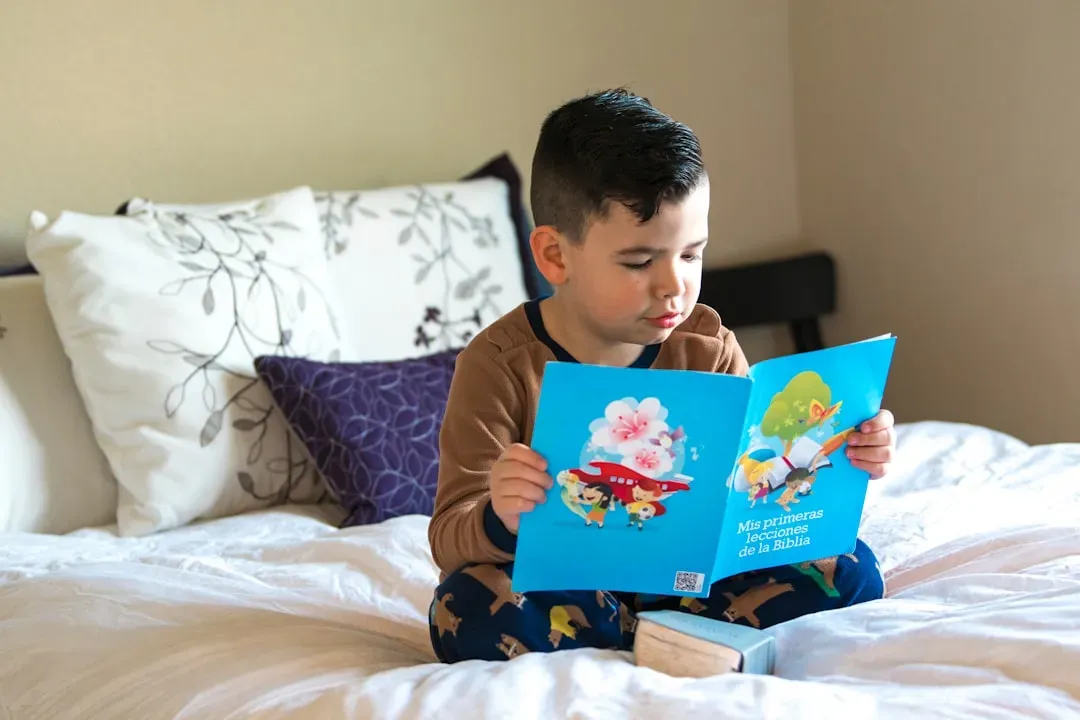
7. Skipping Consistent Bedtime Routines (Image Credits: Unsplash)
Greater sleep onset variability – meaning inconsistent bedtimes – was associated with lower emotion regulation and higher impulsivity in children. Many parents focus on the total number of sleep hours and treat the timing as flexible, but the regularity of the routine matters just as much as the duration. Children with inconsistent bedtime routines are more vulnerable to problem behaviors including anxious, withdrawn, and aggressive behaviors during the preschool years.
Research found that the presence of routines at 14 months led to improvements in children's self-regulation by 36 months, covering aspects such as impulse control, aggression management, inhibitory control, attention, and working memory. A predictable wind-down signal every night does far more for a child's emotional stability than most parents would guess. It's one of those things that pays off slowly but consistently.
8. Comparing Children to Siblings or Peers

8. Comparing Children to Siblings or Peers (Image Credits: Pexels)
One of the most common mistakes parents make is comparing their kids to their siblings, peers, or other children. Each child has its own strengths and unique features. Comparisons can damage their self-confidence and prevent them from doing their best. When children are constantly compared to others, they may struggle to perform at their best.
What makes this pattern so persistent is that it often comes from a place of encouragement. A parent who says "your sister always finishes her homework right away" usually means it as motivation. The child, though, typically hears it as a verdict on their worth. Framing the same concern around the individual child's own past behavior changes everything – "you usually finish faster than this; what's different today?" keeps the comparison internal rather than relational.
9. Applying Physical Punishment
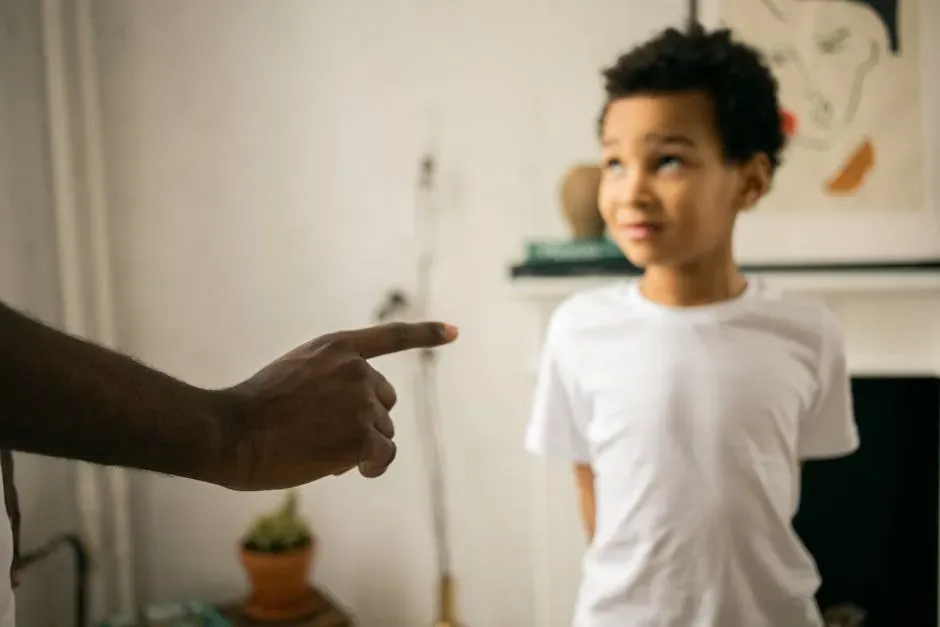
9. Applying Physical Punishment (Image Credits: Pexels)
A comprehensive NYU study published in May 2025, analyzing 195 studies across 92 low- and middle-income countries, concluded that physical punishment leads to exclusively negative outcomes for children. Crucially, this research debunks the "cultural normativeness hypothesis," which suggested physical punishment might have different, less harmful effects in cultures where it is more common. The findings indicate that the negative impacts are universal.
Harsh parenting, including excessive criticism or punitive measures, typically leads to low self-esteem, anxiety, and difficulties with emotional regulation. Research suggests that children who have overly strict or authoritarian parents are more likely to develop behavioral issues and struggle with healthy relationships later in life. Resilience isn't born from fear – it grows in an environment where children feel supported and understood, even when they make mistakes. Tough love might seem effective in the short term, but long-term character is built through a combination of structure and loving support.
10. Failing to Set Clear and Reasonable Boundaries

10. Failing to Set Clear and Reasonable Boundaries (Image Credits: Unsplash)
Another mistake parents make is failing to set boundaries. Some parents are very harsh when they make rules, while many others think they are doing their best by not making boundaries and allowing their kids whatever they want. Both scenarios are wrong. Without boundaries, children struggle with self-control. The permissive path tends to feel kinder in the moment – it avoids conflict and keeps everyone calm – but it leaves children without the internal scaffolding they need.
The outdated myth suggests that showering children with love and affection will make them spoiled or entitled, but research tells a different story. Love isn't what spoils children – indulgence without boundaries does. Children may develop a sense of entitlement when parents set no limits and fulfill every whim. Warmth and structure aren't opposites; the strongest outcomes for children consistently emerge when both are present together.
11. Sharenting – Oversharing Children's Lives Online

11. Sharenting – Oversharing Children's Lives Online (Image Credits: Unsplash)
Sharenting describes parents who share their children's lives online and has existed since the early days of social media. Research suggests the trend increased dramatically during the pandemic. Now, some children of parenting influencers are growing up and sharing their negative experiences of having been documented publicly. The concern isn't hypothetical – it's being raised by the children who lived it.
Beyond emotional impact, there are concrete privacy considerations. Artificial intelligence now shapes many of the digital experiences children encounter every day, from smart toys and voice assistants to image generators and learning apps. As these tools become more capable, they also introduce new questions for families about privacy, safety, advertising, and wellbeing. Photos and details shared casually online in 2025 can exist indefinitely and be processed in ways parents never anticipated.
12. Prioritizing Achievement Over Emotional Connection

12. Prioritizing Achievement Over Emotional Connection (Image Credits: Pexels)
Many well-resourced families today invest heavily in academic tutoring, extracurricular activities, and skill development – all with genuine good intentions. The risk is when the daily rhythm of a child's life becomes almost entirely performance-oriented, with little room for unstructured connection. The American Academy of Pediatrics states that child media use becomes problematic when it displaces other important real-world experiences, such as physical activity or social interaction. A screen-time induced reduction in offline social interaction suggests that increased media use might harm the integrity of familial relationships, and research shows that parent-child activities and interaction relate directly to increased relationship quality.
Authoritative parenting consistently emerges as a highly effective and beneficial approach, strongly supported by decades of research, and remains a gold standard in 2025. This style is characterized by a balance of high expectations and high responsiveness. Authoritative parents set clear and consistent rules and boundaries, but they do so with warmth and understanding. They encourage open communication, listen to their children's perspectives, and often use reasoning and explanation rather than coercive or punitive tactics. Connection, it turns out, isn't separate from good parenting – it's the foundation everything else depends on.
None of these mistakes make someone a bad parent. Most of them are the natural result of exhaustion, good intentions applied imperfectly, or habits inherited from one's own upbringing. The parents most likely to keep falling into these traps are usually the ones trying hardest not to. Awareness rarely fixes things overnight, but it tends to shift things quietly – and that shift, over years, is what actually matters.