
Every parent has stood in the kitchen at midnight, completely baffled by what just happened. The child was fine an hour ago. Now the world is ending because the wrong cup was placed on the table. Parenting is, by almost any measure, one of the most studied human experiences in modern psychology – yet researchers keep running into corners they genuinely can’t see around.
Some parenting moments sit in a strange middle ground: science has theories, partial answers, and educated guesses, but no clean, settled explanation. These are five of the most interesting ones.
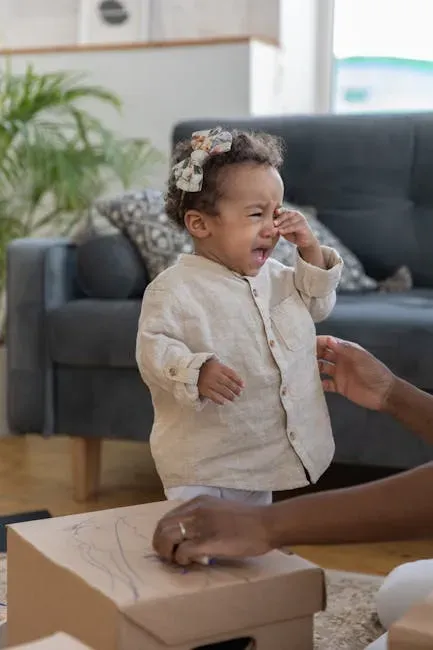
The Tantrum That Gets Worse When You Try to Help
The Tantrum That Gets Worse When You Try to Help (Image Credits: Pexels)
Meltdowns are a physiological response connected to the brain's natural threat detection system, and parents who understand what's happening internally may actually be able to help mitigate the perceived threat. That sounds logical. The strange part? Parental intervention often makes things worse in the short term, not better. Calm voices, soft touch, and reassurance can send a child deeper into distress rather than pulling them out of it.
The development of the prefrontal cortex is a slow process and doesn't reach full maturity until adulthood. Because children haven't yet developed the impulse control and inhibition functions associated with it, they simply may not be able to manage their emotions through appeals to logic. Still, that doesn't fully explain why comfort itself sometimes prolongs a tantrum. Functional MRI studies have revealed increased activity in the amygdala during meltdowns, with minimal activation in regions governing logic – neurochemical storms, not character flaws, explain the tidal wave. The precise mechanism that makes a parent's soothing attempt backfire, however, remains an open question in developmental neuroscience.
Sleep Regressions That Appear Out of Nowhere

Sleep Regressions That Appear Out of Nowhere (Image Credits: Pexels)
A child who has been sleeping through the night for months suddenly wakes screaming at 2 a.m. for no apparent reason. No illness, no new teeth, no obvious disruption. A sleep regression simply means your child is working hard to master new skills and concepts, and these can happen any time a child is experiencing a progression in learning or going through a big event. The timing, though, is notoriously unpredictable – and researchers haven't been able to reliably map exactly when or why they strike individual children.
By age 2, emotional development is surging. Toddlers begin to understand big feelings but don't always know how to manage them, which can result in tantrums or bedtime resistance. By age 3, imagination is blooming and fears of the dark or being alone may appear, and combined with transitions like starting preschool or changing nap schedules, this can contribute to more frequent night wakings or resistance to going to bed. The overlap between developmental leaps and sleep disruption is real, but why some children experience severe regressions while others sail through the same milestones completely undisturbed is something researchers still can't predict or consistently explain.
The Parenting Paradox: More Stress, Yet More Meaning

The Parenting Paradox: More Stress, Yet More Meaning (Image Credits: Unsplash)
Ask parents if raising children makes them happy and the answers are contradictory. Studies have repeatedly found that parents report higher daily stress than non-parents, yet simultaneously report greater meaning and purpose in life. Separate brain processes cope with moment-to-moment versus big-picture experiences, which helps to explain how parenting both increases and decreases aspects of well-being. That's a partial explanation, not a complete one.
Many people hold a deep-seated conviction that children are a source of happiness, yet the empirical literature on exactly this topic does not unreservedly confirm this intuition – it has produced a spectacular variety of findings covering the entire spectrum of possible relationships between parenthood and happiness. The activities that give our lives the most purpose frequently involve difficulty, challenge, and even suffering, and parents consistently report higher levels of meaning despite the stresses of child-rearing. Why the brain weights meaning so heavily in the face of chronic exhaustion and worry is a question that neuroscience is still working through.
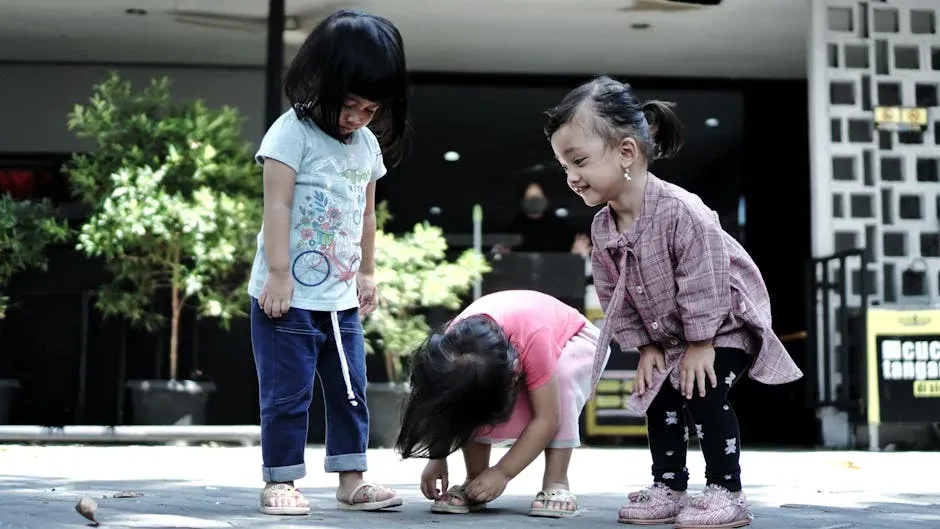
Why Children Prefer Real Tasks Over Play
Why Children Prefer Real Tasks Over Play (Image Credits: Pexels)
Parents invest heavily in toy kitchens, miniature tool sets, and pretend doctor kits. The underlying assumption is solid: children learn through imaginative play. Except research suggests they often don't actually prefer it. When psychology professor Angeline Lillard at UVA studied whether kids preferred pretending or doing real activities, the results were clear: they prefer the real thing. By age 3, about half preferred real activities over pretending to do them, and by age 4 or 5, that preference becomes even stronger.
This creates a genuine puzzle for child development experts. If children inherently prefer authentic participation over symbolic imitation, why does imaginative play remain so central to developmental frameworks? Despite a large number of empirical studies linking different parenting practices to child and adolescent social-emotional development, the underlying psychological and behavioral mechanisms are still largely unknown, especially with regard to different age groups and different contexts. The gap between what children are drawn to and what educators recommend they do is something that development researchers are still trying to reconcile in meaningful, practical terms.
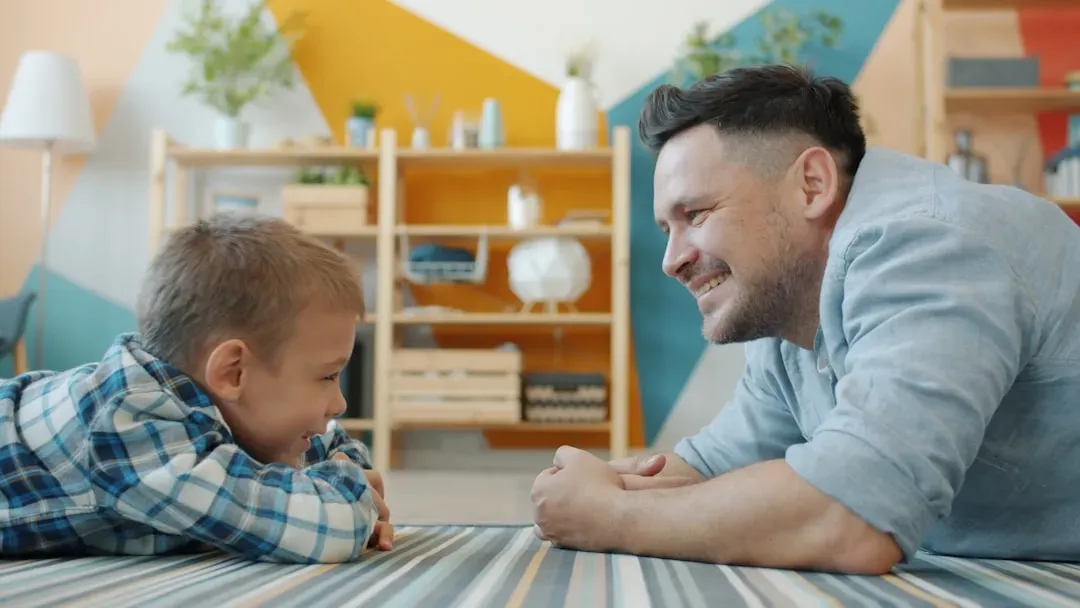
How a Child's Own Traits Shape Parenting Behavior
How a Child's Own Traits Shape Parenting Behavior (Image Credits: Unsplash)
For a long time, the dominant model was straightforward: parents act, children respond. The direction of influence ran one way. Research has significantly complicated that picture. There is clear evidence that parents can and do influence children. There is equally clear evidence that children's genetic makeup affects their own behavioral characteristics, and also influences the way they are treated by their parents. In other words, a child's temperament actively shapes parental behavior just as much as parental behavior shapes the child.
While both inherited traits and environmental influences affect parent-child interactions, not much is known about how child behavior impacts parenting and, in turn, later child outcomes. Some children are more affected by specific family environments than others as a function of differences in their genetic makeup, yet longitudinal studies of genetic moderation of parenting effects during early childhood have not been fully conducted. The feedback loop between a child's innate personality and the kind of parent their caregiver gradually becomes is one of the most fascinating unsolved puzzles in developmental science – a quiet, ongoing negotiation that neither party is entirely aware of.
What ties all five of these moments together is not mystery for its own sake, but the honest limits of what even rigorous research can fully capture about the daily, lived experience of raising a child. The variables are too many, the children too individual, and the relationships too layered. Science keeps getting closer to satisfying answers – but parenting keeps reminding researchers just how much still sits quietly beyond the edge of what they know.