
Something has quietly changed about the way families organize their lives. It’s not one big rupture but dozens of small recalibrations, playing out at kitchen tables and in real estate offices and school enrollment forms across the country. The choices that once seemed settled – where to live, how to educate your kids, how to handle money – are all being reconsidered.
The reasons are familiar on the surface: rising costs, shifting technology, a pandemic that rearranged what felt normal. Yet the depth of the change goes beyond circumstance. Many families aren’t just reacting; they’re actively choosing differently, with intention. Here are twelve of the most significant shifts happening right now.
1. Moving In Together Across Generations

1. Moving In Together Across Generations (Image Credits: Unsplash)
According to the National Association of Realtors, seventeen percent of homes bought in 2024 were for multigenerational households, up from eleven percent in 2021, and the highest share since NAR began tracking the data back in 2013. That's a striking number, and it reflects something real. In 2024, a notable roughly one in three homebuyers cited cost savings as the primary reason for purchasing a multigenerational home, while caring for aging parents, adult children moving back home, and adult children who never left were the next most common drivers.
About six million U.S. households are currently multigenerational, and longer life expectancies could mean more families navigating elder care for extended periods – often without the safety net of affordable long-term care. In some major cities, childcare is the single most significant daily expense for working parents, and live-in grandparents may help families reduce those costs while strengthening family bonds.
2. Choosing to Homeschool as a Long-Term Lifestyle
2. Choosing to Homeschool as a Long-Term Lifestyle (Image Credits: Pexels)
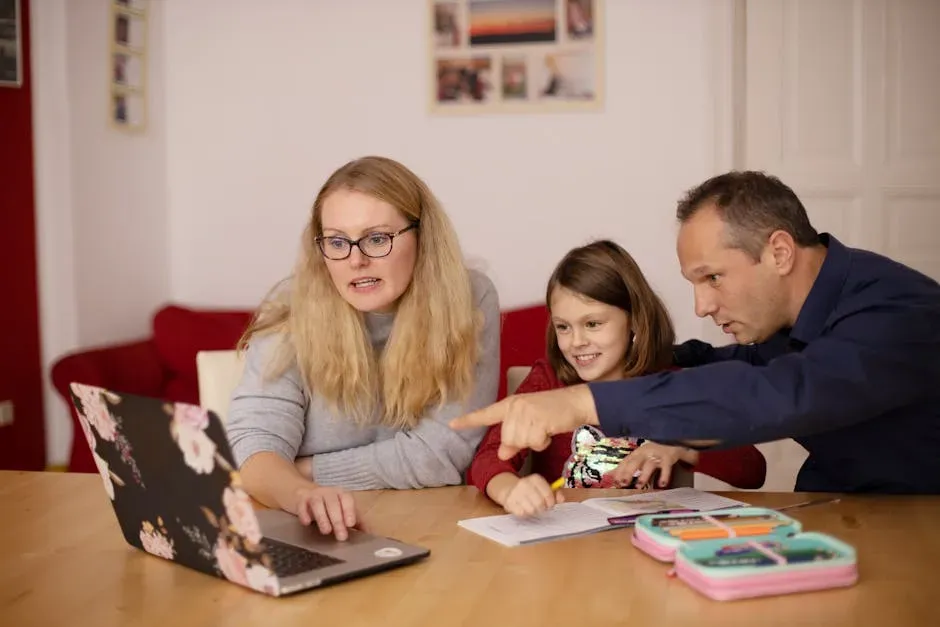
The NCES reports that about five percent of children in the U.S. received homeschool instruction in 2024, with Johns Hopkins Homeschool Research Lab tracking a slight increase into the 2024 to 2025 school year – a dramatic rise compared to the pre-pandemic figure of around 2.8 percent in 2018 to 2019. The pandemic highlighted the flexibility and adaptability of homeschooling, and many families who began homeschooling during that period have chosen to continue even as schools have reopened.
Homeschooling has become America's fastest-growing form of education and is undergoing major changes, particularly in how families can combine it with other forms of school choice. Many parents are drawn to the ability to tailor the curriculum to their child's unique learning style, interests, and pace – an approach that can lead to a more engaging and effective educational experience. The community around homeschooling has expanded considerably, making the choice feel less isolated than it once did.
3. Teaching Kids About Money Earlier Than Ever

3. Teaching Kids About Money Earlier Than Ever (Image Credits: Pexels)
Teaching kids about money is no longer just a school activity; parents are prioritizing financial literacy at home, with apps, games, and subscription programs helping children understand saving, spending, and budgeting from an early age. Greenlight's 2025 Annual Family Trends Report found that kids are saving and investing more at a younger age, with twice as many kids auto-investing from their accounts and twelve being the average age of investors.
The Pew Research Center reports that young adults with low financial literacy are more inclined to make poor financial decisions, and children learn about the world by watching their parents – the same is true for financial management habits. Research highlights that the family serves as the primary source of financial literacy for children, emphasizing the crucial role of parental involvement in teaching children about money management and financial decision-making.
4. Rethinking Screen Time With Real Structure

4. Rethinking Screen Time With Real Structure (Image Credits: Pexels)
With roughly three in four parents agreeing that technology is a valuable tool in caregiving, today's parents are navigating a delicate balance of leveraging AI and technology to support education, creativity, and connectivity, while also setting mindful boundaries to ensure a healthy lifestyle. That balance is harder to strike than it sounds. More than two thirds of parents now use AI tools for caregiving, including voice assistants and educational apps, and a clear majority of millennial and Gen Z parents prefer online advice over family input.
Just as previous generations look back in disbelief at earlier norms, the removal of phones from school classrooms throughout 2024 was just the beginning, with some studies suggesting schools implementing phone bans are seeing at least a six percent improvement in test scores. Families who intentionally carve out media-free times and consistent check-in moments report better balance and connection.
5. Prioritizing Experiences Over Things

5. Prioritizing Experiences Over Things (Image Credits: Pexels)
Families are discovering that joy isn't about buying all the viral trends; purchases have become more intentional and less impulsive, swapping quick buys for the things that stick – like experiences. From raising the most culturally aware kids yet and redefining wellness, to prioritizing an experiences-over-things mindset and integrating AI into daily life, parents are navigating a new societal era thoughtfully.
Families are responding to economic pressures with future and emergency funds growing year over year, with parents cutting back on dining out and travel while making purchases more deliberately. The shift goes deeper than frugality. Many parents describe it as a conscious effort to model values, not just manage budgets – choosing a camping trip over a toy haul because the former tends to last longer in memory.
6. Embracing Diverse and Nontraditional Family Structures

6. Embracing Diverse and Nontraditional Family Structures (Image Credits: Unsplash)
The nuclear family is no longer the dominant household type for Americans; singles, blended families, single-parent households, multigenerational homes, and nontraditional structures now make up a significant share of households. As family structures diversify and values shift toward inclusivity, blended households, same-sex couples, co-parenting setups, and multigenerational living arrangements are becoming more celebrated, with parenting resources adapting to acknowledge that modern families no longer fit one mold.
The definition of family and parenting is expanding beyond traditional structures, reflecting broader societal and cultural shifts, with parenting today involving a redefinition of what family means and an embrace of diverse forms of caregiving that extend beyond biological roles. The practical implication is that children are growing up in a wider variety of household arrangements than any previous generation, and most of them are navigating it with more ease than outside observers might expect.
7. Placing Children's Mental Health at the Center

7. Placing Children's Mental Health at the Center (Image Credits: Pexels)
One of the most resonant findings from recent research on families confirmed what many parents already sense: today's young people are carrying heavy emotional burdens, with parents ranking anxiety, depression, and loneliness among their top concerns for their teens. Wellness is now a top parenting priority, with a growing emphasis on physical activity, nutrition, and mental health, and amid rising concerns about adolescent anxiety, parents are embracing stress management, nutrient-rich foods, and postpartum care to build lifelong healthy habits.
About nine in ten parents prioritize emotional well-being, and more than two thirds focus on mental health awareness from an early age. Research also highlights a hopeful reality: a warm, steady parent-child relationship is one of the strongest buffers against mental health struggles. Families aren't just reacting to mental health crises when they arise; they're trying to build the kind of environment that prevents them.
8. Shifting How Discipline Works at Home
8. Shifting How Discipline Works at Home (Image Credits: Unsplash)
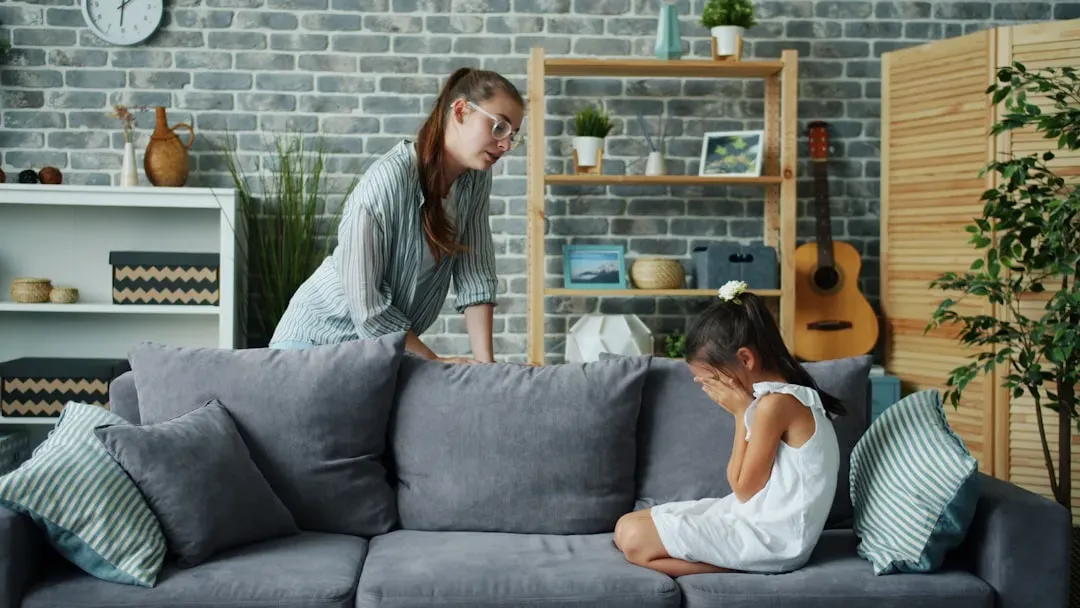
The field is finally moving beyond the tired helicopter versus free-range parenting debate; in its place, a more nuanced approach is emerging, where parents stand firm and steady, offering guidance while allowing their children to navigate their own waters. The American Academy of Pediatrics has been clear for years that effective discipline combines warmth with structure, discourages physical punishment, and recommends positive, developmentally appropriate strategies.
Multiple studies link authoritative parenting, which combines high warmth with high expectations, to better outcomes across the board – including academic performance, emotional regulation, and social skills – compared to permissive or authoritarian styles. The cultural conversation around parenting styles is maturing. Rather than picking a camp and defending it, more families are treating discipline as something they actively calibrate, not a philosophy they simply inherit.
9. Raising More Culturally Aware Children
9. Raising More Culturally Aware Children (Image Credits: Pexels)
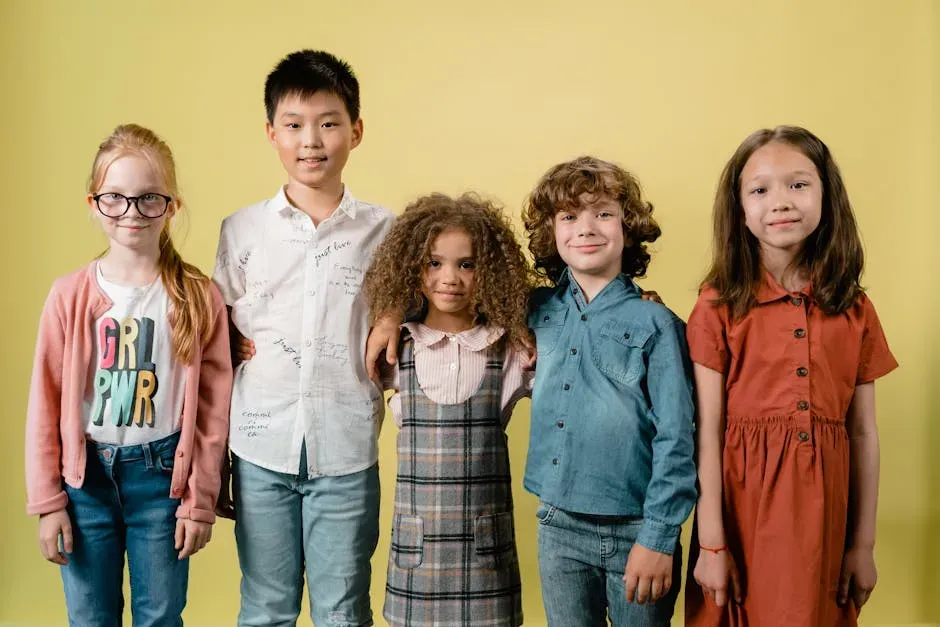
Families are expanding their children's horizons, from inclusive books and toys to international foods, museums, and cultural events. Efforts to instill empathy, acceptance, and a global perspective in children are becoming increasingly central to parenting values, with toys, books, and educational resources promoting inclusivity shaping how kids perceive the world.
Sustainability is no longer a niche practice; it's becoming the norm as more families prioritize the planet alongside their parenting choices, because environmental responsibility begins at home. Simple steps – whether gardening together to reduce food waste, explaining climate issues on walks, or choosing vacations focused on nature conservation – foster a sense of responsibility from an early age. Cultural awareness and environmental consciousness are becoming intertwined in how many parents think about raising well-rounded kids.
10. Rethinking Work Arrangements Around Family Needs

10. Rethinking Work Arrangements Around Family Needs (Image Credits: Pexels)
Balancing work and family life has always been a challenge for parents, but in 2025 new workplace norms and a focus on mental well-being are redefining what work-life harmony looks like, with remote and hybrid work opportunities allowing modern parents to structure their days around family needs. Workplaces offering paid parental leave, flexible scheduling, and on-site childcare are increasingly becoming deal-breakers for parents choosing their employers, and employers who fail to adapt may find it harder to attract and retain talented working parents.
The more lasting shift toward remote work long after the pandemic has made it more feasible for families to consider options like homeschooling and flexible education arrangements that would have been impractical before. The relationship between work and family has been permanently renegotiated for a large segment of the workforce. Flexibility is no longer a perk; for many parents, it's a baseline requirement.
11. Building Parenting Pods and Shared Support Networks

11. Building Parenting Pods and Shared Support Networks (Image Credits: Pexels)
The "it takes a village" philosophy is making a major comeback in the form of parenting pods, with families thinking co-op childcare, shared homeschooling duties, and group extracurriculars – teaming up to lighten the load and save money. With childcare costs soaring, this trend offers both financial relief and emotional support. The concept isn't new, but the scale and intentionality behind it are different now.
Today's parents are navigating a myriad of nuances given the social climate, the state of the economy, technological advancements, and more – and these issues are dramatically influencing their approach to parenting and unlocking new considerations in shaping the development and lifestyle of their children. Parenting pods are one way families are acknowledging that no single household can absorb all of those pressures alone. Shared caregiving, pooled resources, and rotating responsibilities are becoming genuinely practical solutions.
12. Delaying or Redesigning Milestones Like Marriage and Homeownership

12. Delaying or Redesigning Milestones Like Marriage and Homeownership (Image Credits: Unsplash)
The rise in multigenerational households reflects the fact that today's younger generation seems to be slower to reach the milestones of adult life – staying in school longer, marrying later, getting out and forming their own households at a later age, and being less likely to set up independent households. It's been widely reported that the birth rate in the U.S. has been falling in recent years, a trend with implications not just for individuals and families but for the country more broadly.
Rising housing costs have made it harder for young adults to afford homes of their own, while retirees on fixed incomes may struggle to maintain independent housing – and sharing a home can ease financial strain for everyone involved. These global transformations are not isolated trends; together, they are risk multipliers that deepen instability and make it harder for families and their communities to flourish, creating a more volatile and uncertain world for raising children. Still, most families aren't simply waiting for conditions to improve. They're designing their lives around the conditions that exist, and that practical adaptability may be the defining trait of family life in this decade.
What's striking about these twelve shifts, taken together, is that they aren't random. Nearly all of them trace back to the same underlying forces: economic pressure, technological acceleration, and a growing desire among parents to be intentional rather than just habitual. The families doing this well aren't necessarily the ones with the most resources – they're the ones paying the closest attention.