
Every parent has had that feeling, the sense that something is going on just beneath the surface of a conversation, a slightly too-casual shrug or a phone screen going dark a little too quickly. Kids have always kept secrets from their parents. It’s part of growing up, part of finding out where they end and where the world begins. Most of the time, that’s normal. Sometimes, though, what’s being hidden actually matters.
Teenage secrets are a normal part of adolescence. Kids are developing their own sense of identity, which means they may not want to share everything with others. Secrecy and privacy are part of developing independence. Still, knowing what children commonly conceal gives parents a better chance of staying connected and responding well when the stakes are genuinely high. Here are nine things kids most often try to hide.
1. Their Online Activity
1. Their Online Activity (Image Credits: Unsplash)
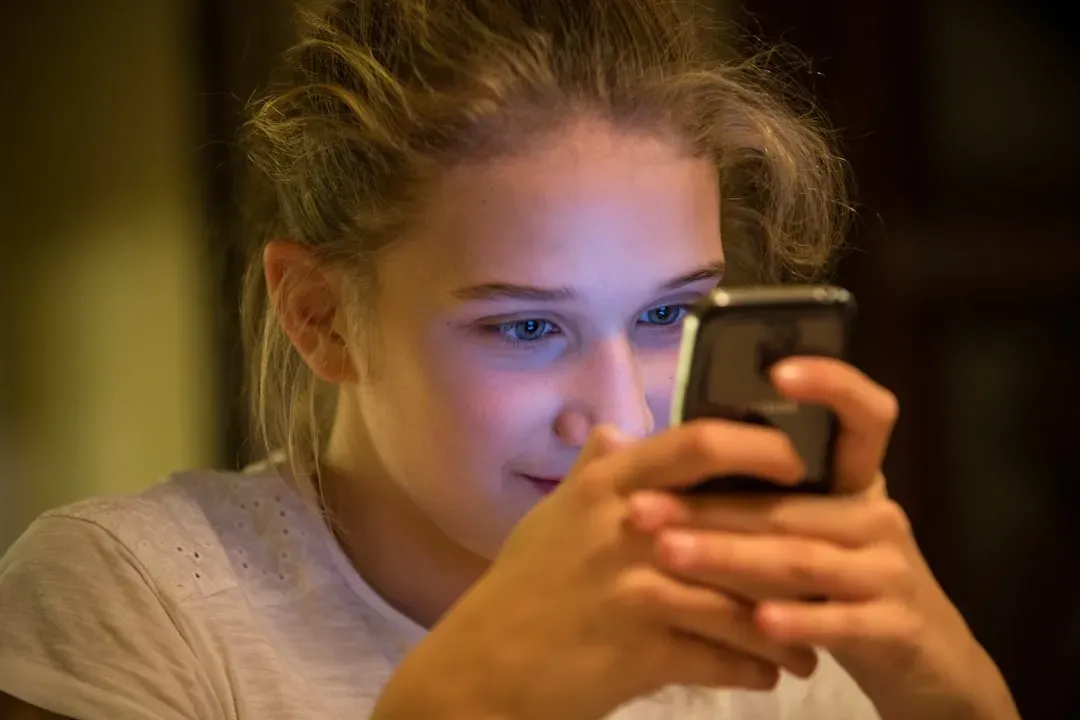
A global survey found that more than half of children between the ages of 8 and 16 have hidden something related to their online activities from their parents. The range of what gets concealed is broad. From accessing simulated violence online to sharing explicit content, the variety of activities teenagers are concealing is vast and concerning.
From utilizing private browsing modes and deleting browser history to accessing proxy websites, teens have found a multitude of ways to navigate the digital world without leaving a trace. Private browsing modes are commonly used. Features such as Incognito mode enable teens to browse the internet without leaving behind evidence, and these modes do not retain browsing history or inputted information. Up to roughly seven in ten parents are unaware that their kids conceal potentially damaging online activities from them, including bad content, cyberbullying, or talking to the wrong people online.
2. Secret Social Media Accounts

2. Secret Social Media Accounts (Image Credits: Pexels)
A majority of adolescents under 13 are on social media, even though most platforms like TikTok, Instagram, and YouTube require users to be 13 or older. Studies have shown that kids under 13 have an average of more than three social media accounts, with more than two thirds having TikTok accounts. The accounts parents know about are often not the only ones.
A notable share of adolescents maintain secret social media accounts that are hidden from their parents' knowledge entirely. There are many apps that make it easy for kids to hide photos, videos, files, conversations, and whatever they don't want their parents to see. These apps create a password-protected vault where content can be stored, then conceal themselves by camouflaging as a calculator, flashlight, or other utility app.
3. Being Bullied at School or Online
3. Being Bullied at School or Online (This image was released by the United States Navy with the ID 090828-N-5032P-007 (next).
This tag does not indicate the copyright status of the attached work. A normal copyright tag is still required. See Commons:Licensing.
العربية ∙ বাংলা ∙
Bahaso Jambi ∙
Deutsch ∙ Deutsch (Sie-Form) ∙ English ∙ español ∙ euskara ∙ فارسی ∙ français ∙ italiano ∙ 日本語 ∙ 한국어 ∙ македонски ∙ മലയാളം ∙ Plattdüütsch ∙ Nederlands ∙ polski ∙ پښتو ∙ português ∙ русский ∙ slovenščina ∙ svenska ∙ Türkçe ∙ українська ∙ 简体中文 ∙ 繁體中文 ∙ +/−, <a href="https://commons.wikimedia.org/w/index.php?curid=8369072" target="_blank" rel="noopener">Public domain</a>)
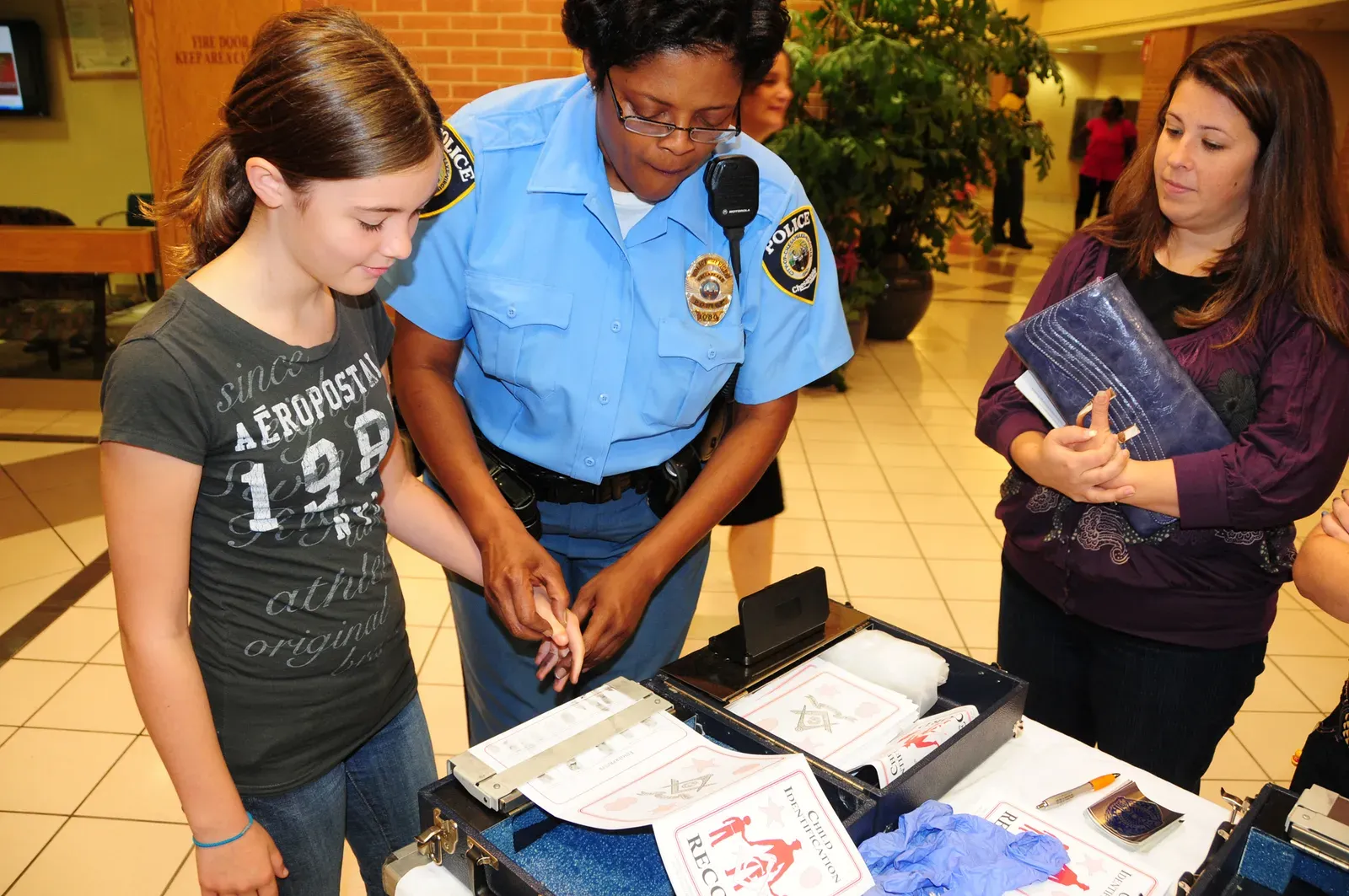
One study found that nearly two thirds of bullied kids did not report it to a parent or teacher. The reasons are understandable. Many children fear they won't be believed, worry the situation will get worse if adults intervene, or feel shame about what's happening to them. Children don't always come home and say they're being bullied. Many go to great lengths to hide it from parents, which is why recognizing warning signs is crucial, because some signals may seem small in isolation but together can point to something more serious.
Although most kids who are bullied do not experience suicidal thoughts or self-harm, there is a strong connection between those who do and a history of bullying. In one study of youth visiting emergency departments with suicidal ideation, researchers found that kids who reported cyberbullying were dramatically more likely to present suicidal ideation. Research shows that victimized children who told an adult about being bullied reported being less victimized the following year. When no one reports the bullying, children who bully feel they can carry on without consequences, and secrecy effectively empowers them.
4. Bad Grades or Trouble at School
4. Bad Grades or Trouble at School (Image Credits: Pexels)
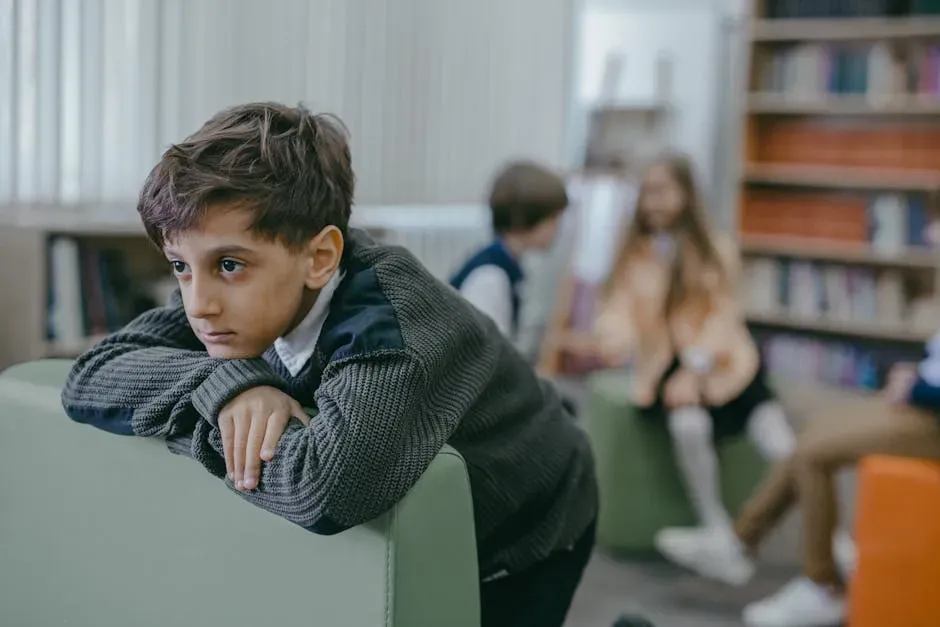
Few things drive a child to deception faster than a report card they're not proud of. Kids commonly hide bad grades or trouble at school because they're afraid parents might be upset with them or punish them. The fear of disappointment often outweighs the discomfort of the lie, at least in the short term.
The problem tends to compound over time. A child who hides one failing test may feel compelled to hide the next, and the one after that, until the gap between what parents believe and what's actually happening at school becomes very wide. Teens sometimes believe that sharing struggles will lead to punishment or a loss of privacy, and as a result they internalize emotions, which may trigger depressive symptoms, anxiety, or even thoughts about suicide.
5. Mental Health Struggles

5. Mental Health Struggles (Image Credits: Unsplash)
Sometimes teens keep secrets because they're struggling with their mental health. Depression, anxiety, and feelings of deep worthlessness are among the things kids most commonly suffer through in silence. Some adolescents can't express complex thoughts and feelings because they lack emotional vocabulary. They might know something feels wrong but can't describe it, and this confusion can lead to frustration, secrecy, or risky behaviors such as self-harm or substance use.
Children often don't want to stress out parents by sharing their challenges or mental health struggles. There's also a fear of what disclosure might lead to. Teen secrecy can sometimes indicate a mental health or substance use problem, in which case the support of a mental health professional may be necessary. Keeping the door open through consistent, non-judgmental conversations is one of the most effective things parents can do to change this pattern.
6. Romantic Relationships and Crushes

6. Romantic Relationships and Crushes (Image Credits: Pexels)
Kids often avoid talking with parents about their crushes or romantic relationships because it makes them feel uncomfortable. That awkwardness is mutual in many households, which is part of why these conversations so rarely happen. Although romantic relationships during adolescence are often short-lived rather than long-term committed partnerships, their importance should not be minimized. Adolescents spend a great deal of time focused on romantic relationships, and their positive and negative emotions are more tied to romantic relationships than to friendships, family, or school.
In adolescence, the relationship between children and their parents changes dramatically as youth seek increased independence. With increased independence comes the possibility of increased risk, and teens need parents to help them navigate the challenges adolescence presents. When romantic relationships stay completely hidden, warning signs like unhealthy dynamics or early dating violence can go unnoticed for a long time. Adolescents in dating relationships are at risk for verbal, emotional, physical, and sexual abuse from their partners, and young adolescents who are just beginning to learn relationship skills are more vulnerable than older teens.
7. Substance Use

7. Substance Use (Image Credits: Unsplash)
One of the most common reasons for teen secrets is drug and alcohol use. Substance abuse often goes hand in hand with other mental health challenges, such as depression, low self-esteem, being bullied, and self-loathing. The combination of shame, fear of consequences, and loyalty to friends who are also using makes this one of the hardest things for kids to bring to a parent voluntarily.
Many adolescents experiment with things like drugs or alcohol. They might be sneaking out to meet their friends, taking the car when they shouldn't, driving under the influence, and lying about these activities. If parents don't trust their teens, the risky behaviors they're trying to hide may worsen or increase. If a teen is hiding dangerous behaviors for fear of repercussions and punishment, it might be time to reassess the approach to discipline.
8. Their Gender Identity or Sexual Orientation

8. Their Gender Identity or Sexual Orientation (Image Credits: Unsplash)
A teen who is exploring their sexual orientation or gender expression may not be ready to share because they're still figuring out what it feels like and aren't prepared to talk about it. They may fear being misunderstood, bullied, or disappointing their parents. This is one of the most deeply personal things a young person can carry, and the secrecy around it is rarely about dishonesty.
For sexual minority youth, romantic partners may be the only people with whom they feel comfortable sharing their thoughts and feelings about their sexual identity, as social norms often compel them to keep their orientation secret from family and friends. That's why it's so important to parent with compassion and make sure kids know they can be open and honest. Research consistently shows that family acceptance has a meaningful protective effect on the mental health of LGBTQ+ young people.
9. What They're Really Doing With Their Phones Late at Night

9. What They're Really Doing With Their Phones Late at Night (Image Credits: Unsplash)
Data shows that 4:00 AM is the least active time of day for screen use, while 4:00 PM is the most active, but parents who assume phones go quiet after bedtime are often mistaken. Late-night phone use is a widespread and largely invisible behavior. Analysis of millions of family accounts found that a large share of tweens and teens encountered nudity or sexually explicit content, and a substantial number engaged in conversations surrounding drugs and alcohol.
One in three teens who use AI chatbots has discussed important or serious matters with AI companions instead of real people. That's a striking shift in where young people are turning when they need to talk. Of children surveyed globally, roughly three quarters said they would feel safer if they could talk to their parents about the dangers that lurk online. The gap between what kids actually want and what they feel they can say is one worth closing, and it usually starts with how parents respond when conversations do happen.
Secrecy in childhood and adolescence is rarely a sign of a broken relationship. More often, it reflects a normal push for independence, a fear of judgment, or simply not knowing how to start a hard conversation. Research shows that controlling, authoritarian parenting is associated with increased teenage secrecy, while authoritative parenting characterized by responsiveness, autonomy support, and structure results in fewer teenage secrets. The goal isn't to eliminate all privacy, it's to stay close enough that kids feel they can come to you when something genuinely matters.