
Meeting the family for the first time is one of those moments that can make or break how a relationship feels going forward. Some partners walk in and instantly click with parents, siblings, and even the skeptical aunt in the corner, while others spend years trying to earn that same level of comfort. There’s a pattern to who tends to get the warm welcome right away, and it usually has less to do with luck than with specific habits and qualities that families genuinely respond to.
Understanding what makes certain partners so easy to embrace can help anyone walking into a new family dynamic, whether it’s a holiday dinner or a first introduction. Below are eight types of partners who consistently earn that instant approval, along with the reasons their approach tends to work so well.
1. The Partner Who Shows Genuine Curiosity

1. The Partner Who Shows Genuine Curiosity (Image Credits: Pexels)
Families notice quickly when someone asks real questions instead of just nodding along politely. A partner who wants to know about grandma’s recipe, dad’s old job, or how the parents met tends to stand out because curiosity signals investment. It shows the in-laws that this person isn’t just tolerating family time but actually wants to understand where their partner comes from.
This kind of engagement also tends to open up conversation naturally, which eases the awkwardness that often comes with early meetings. Parents in particular seem to warm up faster to partners who remember small details from previous conversations, since it suggests the interest wasn’t just performative. Over time, that habit builds a foundation of trust that’s hard to replicate through gifts or grand gestures alone.
2. The Partner Who Respects Family Traditions
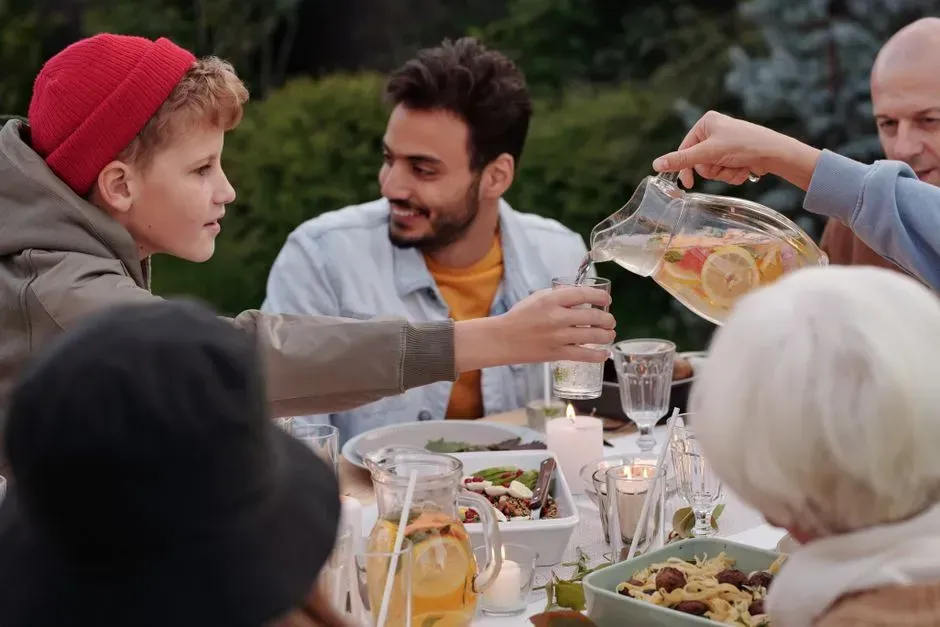
2. The Partner Who Respects Family Traditions (Image Credits: Pexels)
Every family has its own rituals, whether it’s a specific way holidays are celebrated or unspoken rules about who sits where at dinner. Partners who take the time to learn and respect these traditions, rather than dismissing them or suggesting changes too soon, tend to be welcomed with open arms. It’s a small gesture, but it communicates humility and a willingness to fit into the existing rhythm of the family rather than disrupt it.
This doesn’t mean abandoning one’s own background or beliefs. It simply means showing flexibility and appreciation for how things are done, at least until a deeper relationship has been established. In-laws often mention that this kind of respect is one of the first things they notice, long before any deeper personality traits come into play.
3. The Partner Who Communicates Openly

3. The Partner Who Communicates Openly (Image Credits: Pexels)
Clear, honest communication tends to be a major factor in how quickly in-laws feel comfortable. Partners who speak directly about intentions, whether regarding the relationship’s future or simple logistics like visits and holidays, remove a lot of the guesswork that can breed suspicion. Families tend to relax around people who don’t seem to be hiding anything or playing games.
This openness also extends to conflict. Partners who can acknowledge disagreements calmly, without deflecting or getting defensive, often earn more respect than those who avoid difficult topics altogether. In-laws generally appreciate knowing where someone stands, even if the answer isn’t always what they hoped to hear.
4. The Partner Who Shows Up Consistently

4. The Partner Who Shows Up Consistently (Image Credits: Unsplash)
Reliability matters more than most people realize when it comes to building trust with a partner’s family. Showing up to birthdays, helping during a family crisis, or simply being present for smaller, less glamorous moments builds a track record that words alone can’t replicate. Families remember who shows up when it’s inconvenient, not just when it’s easy.
This consistency also helps normalize the partner’s presence within the family unit over time. What starts as an occasional guest slowly becomes a regular fixture at gatherings, and that transition often happens faster for partners who prioritize dependability. It’s a quiet kind of effort, but it tends to speak louder than grand romantic gestures.
5. The Partner Who Treats Siblings With Respect

5. The Partner Who Treats Siblings With Respect (Image Credits: Pexels)
While parents often get the most attention during early meetings, siblings play a surprisingly large role in shaping the overall family impression. Partners who make an effort to build a rapport with brothers and sisters, rather than focusing solely on impressing parents, tend to create a more well-rounded welcome. Siblings often have candid conversations with parents about new partners, so their opinion carries more weight than people expect.
Treating siblings as equals, rather than as obstacles to get past, also signals emotional maturity. Partners who can joke around, offer help, or simply have normal conversations with siblings usually find that this ease trickles upward into how parents perceive them as well. It’s a detail that’s easy to overlook but often shapes the family’s collective opinion.
6. The Partner Who Handles Disagreements With Grace

6. The Partner Who Handles Disagreements With Grace (Image Credits: Unsplash)
No family is without its friction, and partners inevitably get pulled into disagreements at some point, whether directly or as observers. Those who handle these moments with patience and neutrality, rather than picking sides or escalating tension, tend to earn long-term respect. Families notice who can stay calm and fair even when emotions run high.
This kind of composure doesn’t mean staying silent or avoiding involvement altogether. It means choosing words carefully and showing empathy toward all parties, which helps de-escalate rather than inflame situations. In-laws often cite this quality as one of the clearest indicators of whether a partner will be a stabilizing presence in the family long-term.
7. The Partner Who Supports Without Overstepping

7. The Partner Who Supports Without Overstepping (Image Credits: Pexels)
There’s a fine balance between being supportive and inserting oneself into matters that aren’t theirs to manage, and partners who strike that balance well tend to be welcomed more warmly. Offering help when asked, staying present during hard times, but avoiding unsolicited opinions on family matters shows a level of self-awareness that families appreciate. It communicates respect for boundaries, which is something many families value highly, especially early on.
This restraint becomes especially important during sensitive situations like financial struggles, health issues, or family disputes. Partners who know when to step back rather than push their way into decisions tend to be seen as trustworthy rather than intrusive. That trust often becomes the foundation for a much deeper acceptance later on.
8. The Partner Who Brings Positive Energy to Gatherings

8. The Partner Who Brings Positive Energy to Gatherings (Image Credits: Pexels)
Family gatherings can be stressful, especially when multiple personalities and old dynamics are in play, so partners who bring a calm, positive presence tend to be remembered fondly. This doesn’t mean being the loudest or most entertaining person in the room. It simply means contributing to a pleasant atmosphere rather than adding tension or awkwardness.
Small gestures, like helping in the kitchen, engaging in light conversation, or simply being pleasant during long events, tend to leave a lasting impression. Families often associate this kind of energy with someone who will be easy to have around for years to come, which plays a significant role in how quickly they extend a warm welcome. Over time, this consistent positivity becomes one of the strongest predictors of lasting in-law approval.
Earning a warm welcome from a partner’s family rarely comes down to one dramatic gesture. It’s built through small, repeated actions that show respect, reliability, and genuine interest in the people who matter most to the person someone loves. Partners who understand this tend to find that the initial nervousness of meeting the family fades into something far more comfortable and lasting.