
A leaky roof, a cracked foundation, storm damage on the siding: these are the moments when homeowners are most vulnerable to a smooth talker with a clipboard and a van. The words a contractor chooses in that first conversation often matter more than the estimate itself, because certain phrases are designed to short circuit the normal process of comparing bids, checking licenses, and reading a contract line by line. Recognizing these lines before signing anything can be the difference between a smooth renovation and a very expensive lesson.
"This price is only good if you sign today"

"This price is only good if you sign today" (Image Credits: Pexels)
Urgency is one of the oldest tools in the sales playbook, and contractors who rely on it are betting that a homeowner won’t take the time to get a second opinion. Consumer protection groups have flagged this tactic for years, noting that legitimate professionals understand renovations are major financial decisions and rarely need a same day signature. High-pressure sales tactics are always a red flag, since legitimate contractors understand that renovations are major financial decisions, and if you’re being pushed to sign today or told a deal disappears immediately, it pays to step back.
The math behind this pressure rarely favors the homeowner. Even when a homeowner has asked a contractor to come look at a problem, that contractor might use high-pressure tactics to get a quick decision, even though decisions probably don’t have to be that quick and homeowners should have time to get a few quotes and weigh their options. A reputable business that has been doing solid work for years doesn’t need to manufacture a deadline out of thin air.
"I've got leftover materials from another job, so I can give you a deal"

"I've got leftover materials from another job, so I can give you a deal" (By Tomascastelazo, <a href="https://commons.wikimedia.org/w/index.php?curid=69784737" target="_blank" rel="noopener">CC BY-SA 4.0</a>)
This line sounds like good luck for the homeowner, but it’s one of the most recognizable scam openers in the industry. Contractors offering significant discounts and claiming they can use leftover materials from a previous job may be using substandard or illegally obtained supplies, and inadequate materials can result in dangerous outcomes. There’s rarely a legitimate reason a contractor would have unused shingles, siding, or lumber sitting around that just happens to match a stranger’s house.
Beyond safety, the scam has a financial twist too. Variations of this scheme involve the contractor charging the homeowner for leftover materials from a previous job or substituting cheaper materials without the consumer’s knowledge, while keeping the difference. Homeowners who hear this phrase should ask for documentation on where the materials came from, or simply walk away and get an estimate built on materials priced for the actual job.
"I was just in the neighborhood and noticed a problem with your roof"
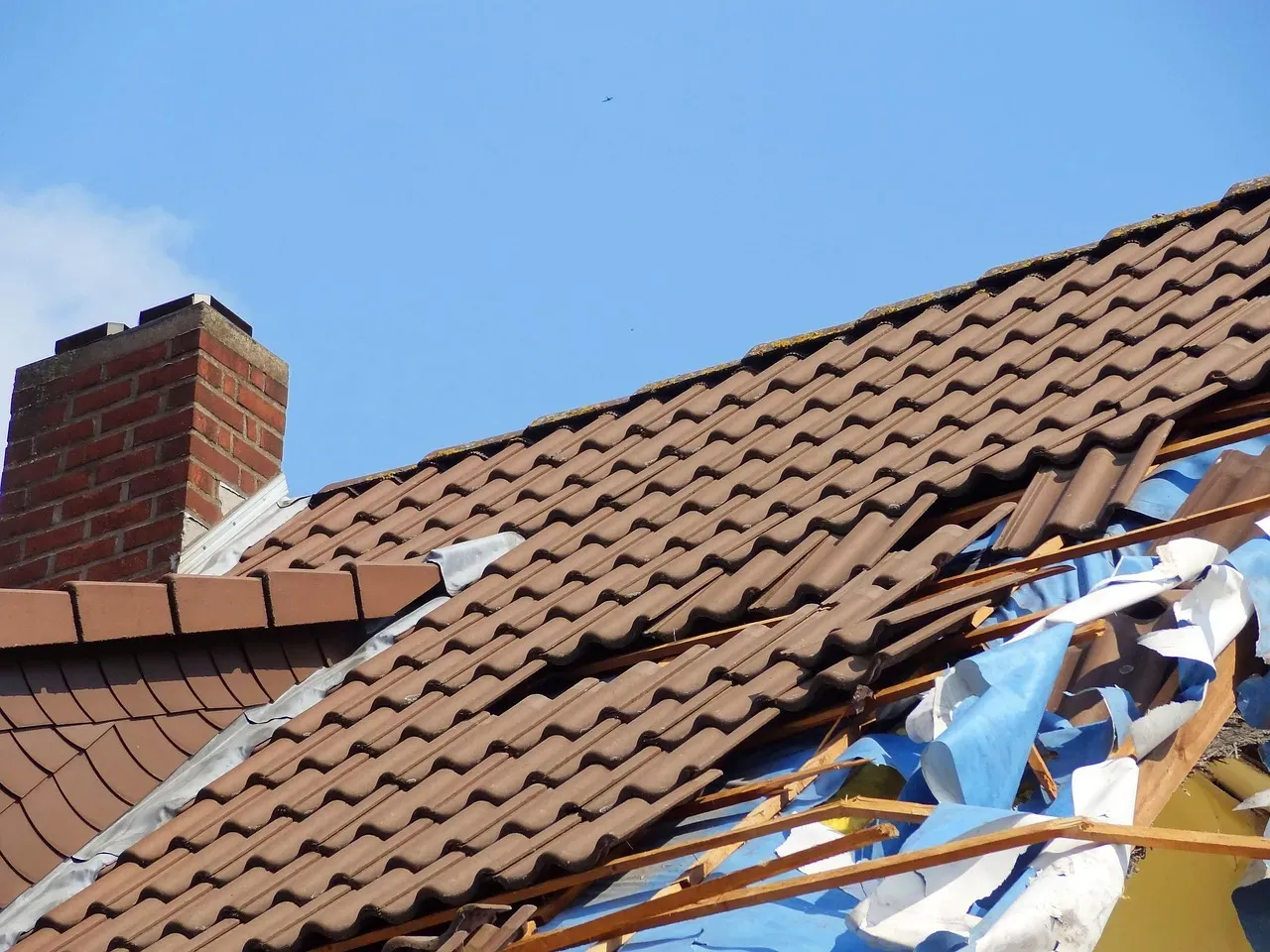
"I was just in the neighborhood and noticed a problem with your roof" (Image Credits: Pixabay)
Unsolicited visits, especially right after a storm, are a classic setup. Contractors who appear uninvited in the aftermath of a storm, wildfire, or severe weather event, claiming they noticed urgent damage to a roof, siding, or chimney, are often called storm chasers who move from neighborhood to neighborhood offering quick inspections and immediate repairs. These operators count on adrenaline and fear doing the persuading instead of an honest inspection.
The financial toll of this pattern is not small. In 2023 the U.S. saw 9.3 billion dollars in losses due to post-disaster fraud, with storm chasers pressuring vulnerable homeowners into immediate repairs that often resulted in low-quality or unfinished work. Anyone who shows up unannounced claiming to have spotted damage from the street should be treated as a sales pitch first, not a safety warning.
"You'll need to pull the permit yourself"
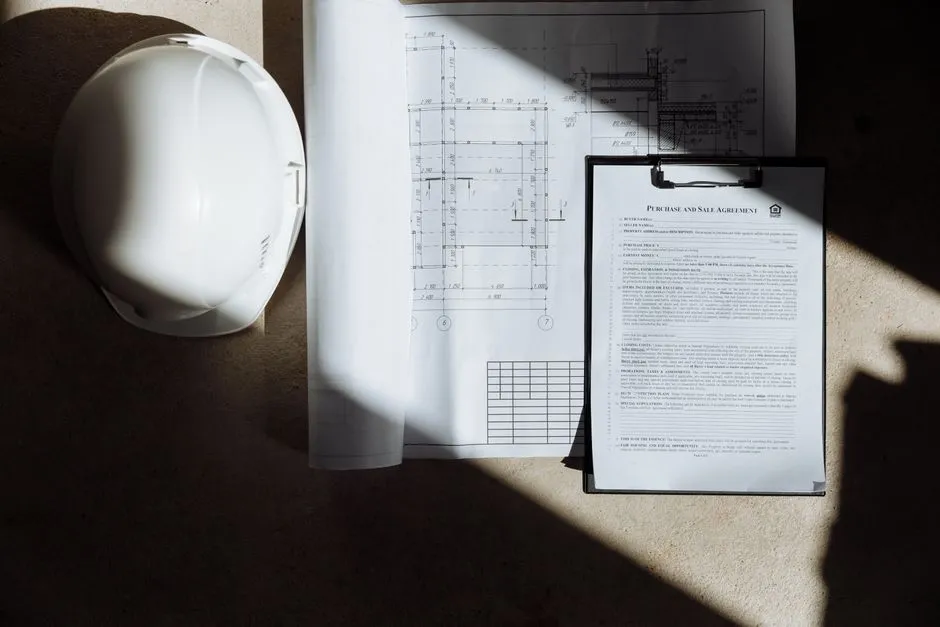
"You'll need to pull the permit yourself" (Image Credits: Pexels)
This phrase sounds like a minor administrative detail, but it usually signals something more serious. Scammers ask homeowners to get any required building permits themselves rather than handling it as part of the job, which is standard practice for licensed professionals. Once the homeowner is the one listed on the permit, the accountability for code compliance shifts to them instead of the contractor.
The consequences can surface long after the work is finished. Contractors who actively discourage homeowners from pulling permits, framing it as cost savings or a bureaucratic inconvenience, create undisclosed liability, since unpermitted work in structural, electrical, plumbing, or HVAC categories can void homeowner’s insurance claims, fail real estate inspections at point of sale, and trigger municipal correction orders at the homeowner’s expense. A contractor unwilling to handle their own paperwork is often a contractor who isn’t licensed to pull it in the first place.
"I just need a deposit to order materials, we'll settle the rest later"
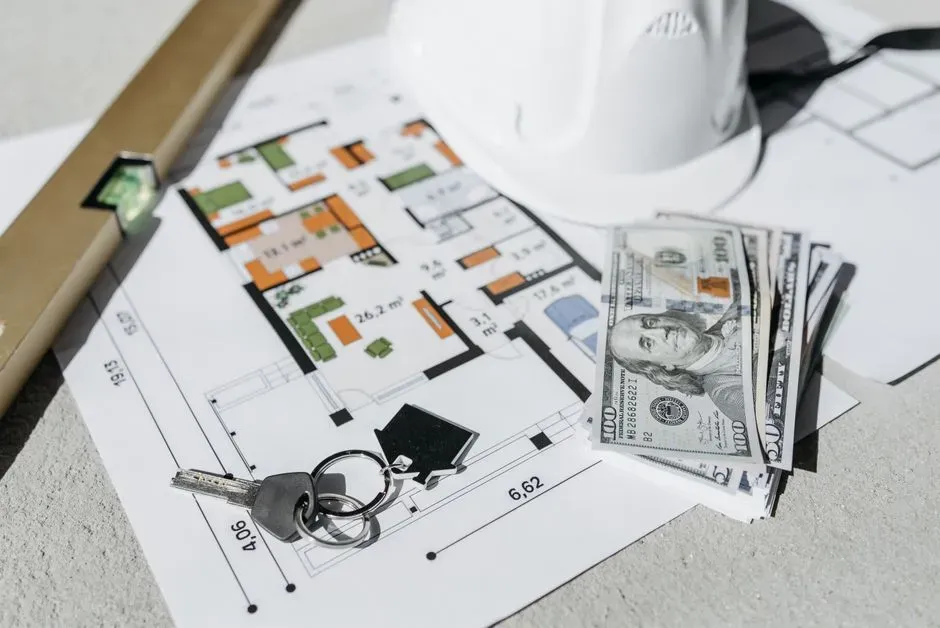
"I just need a deposit to order materials, we'll settle the rest later" (Image Credits: Pexels)
Deposits are normal in the trades, but the size and framing of the request matter a great deal. Industry guidance is fairly consistent on this point. Reputable contractors typically won’t ask for more than 10 to 30 percent upfront. Anything well beyond that range, especially paired with vague language about materials, should raise questions.
Full payment upfront is an even bigger warning sign. Scammers ask homeowners to pay for everything up front or only accept cash, which removes the homeowner’s main source of leverage if the work is never finished or done poorly. Paying by check or card rather than cash also creates a paper trail that can matter if a dispute ever needs to go further.
"Don't worry, we can finance this for you right now"
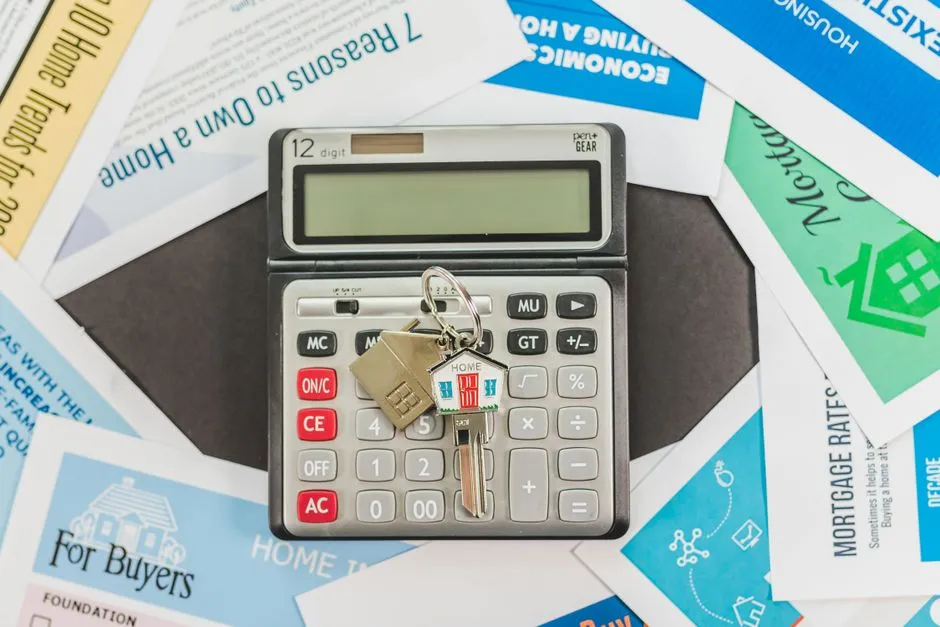
"Don't worry, we can finance this for you right now" (Image Credits: Pexels)
In-house financing offers can be convenient, but they can also be the entry point to a much bigger problem. Some contractors set up a scheme that ends with a loan against the home, where a contractor calls or shows up at the door, offers a deal on a roof or kitchen remodel, and says financing can be arranged through a lender they know. The homeowner may not realize what they’ve agreed to until much later.
The fallout from these arrangements has shown up in real enforcement actions. One financing company and its network of door-to-door contractors were accused of deceptively selling a home-improvement financing program while using high-pressure sales tactics, and in some cases forgery, resulting in liens recorded without homeowners’ informed consent. Shopping around for financing independently, rather than accepting whatever the contractor arranges, keeps that decision in the homeowner’s hands.
"We'll figure out the details as we go, no need for a written contract"

"We'll figure out the details as we go, no need for a written contract" (Image Credits: Pexels)
A contractor who resists putting anything on paper is removing the homeowner’s main legal protection before the job even starts. A contractor who refuses to provide a written contract is removing the homeowner’s primary legal recourse instrument, and oral contracts for home improvement are unenforceable in several states above a dollar threshold, with California’s Contractors State License Board requiring written contracts for projects over 500 dollars. Verbal promises about scope, timeline, or price mean very little once a dispute begins.
Blank contracts carry a similar risk, just in a sneakier form. A contractor who asks a homeowner to sign a contract with blank sections should be turned down, since the contractor could fill in those sections later with higher costs or different work. Every line of a contract should be filled in and reviewed before a signature goes on it, no exceptions for busy schedules or friendly reassurances.
"Once we opened it up, we found a lot more damage than we thought"
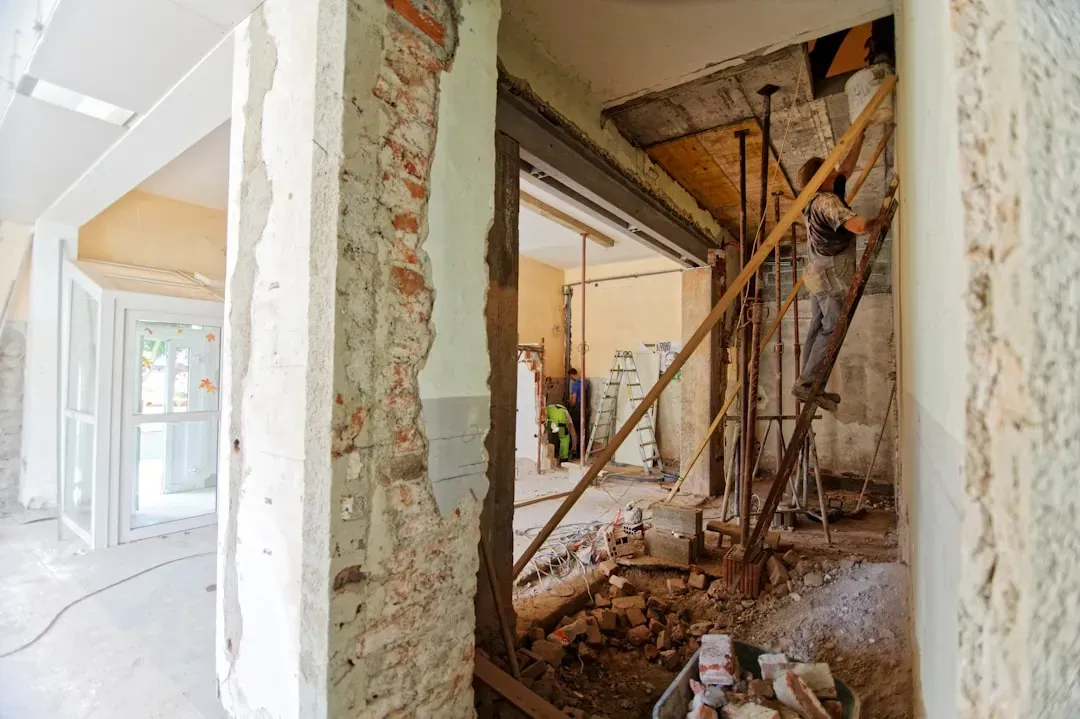
"Once we opened it up, we found a lot more damage than we thought" (Image Credits: Unsplash)
This is the phrase that turns a modest job into a runaway budget. This scheme usually begins with hiring a contractor to complete a small job, and when they arrive they point out other, costlier issues that demand immediate attention, sometimes threatening to walk away or intentionally performing poor-quality work to ensure repeat business. The escalation feels reasonable in the moment because it’s framed as a safety issue rather than a sales tactic.
Real cases show how far this can go. One example described contractors offering free electrical inspections after storms, then claiming an entire panel needs immediate replacement for thousands of dollars, when in one instance an actual inspection revealed only a two hundred dollar outlet replacement was needed. Getting a second, independent opinion before agreeing to expanded work is the simplest way to check whether the new damage is real or invented.
The financial stakes behind these phrases are not small. In 2024, the Federal Trade Commission received 81,925 reports of home improvement scams, and according to the Better Business Bureau, each scam costs homeowners an average of 1,800 dollars. Older homeowners are disproportionately affected, with roughly 1 in 10 Americans having experienced a contractor scam, and baby boomers being the most likely to encounter this type of scam.
None of these phrases automatically mean a contractor is dishonest, and plenty of legitimate businesses use casual language without any intent to deceive. Still, when two or more of these lines show up in the same conversation, especially paired with pressure to decide quickly, it’s worth slowing down, asking for references, verifying a license, and getting at least one more estimate before any money changes hands.