
Walking through an open house feels casual, almost like browsing a store. There's a listing agent smiling near the kitchen island, a stack of flyers on the counter, maybe some cookies baking in the oven for effect. But that relaxed atmosphere is deceptive. Every word you say is being noted, weighed, and sometimes reported straight back to the seller, and a few careless comments can quietly cost you thousands of dollars before you ever make an offer.
Real estate agents who host these events do it for a reason: to gather leads, gauge interest, and figure out who's a serious buyer. That means the small talk you make while admiring the backyard isn't as harmless as it feels. Here are nine phrases agents say buyers should keep to themselves.
1. "This is our dream home, we'll pay whatever it takes"

1. "This is our dream home, we'll pay whatever it takes" (Image Credits: Unsplash)
It’s an easy sentence to blurt out when you walk into a house that genuinely excites you, but it hands the seller’s side enormous leverage before negotiations even start. One real estate professional interviewed by U.S. News noted that if the seller is there, you’re not likely to be as free with your feelings and say something like, “This is my dream home. I’ll pay whatever I can to get it.” Once that kind of enthusiasm is on record, there’s little incentive for the seller to negotiate down from asking price.
Agents remember these comments, and listing agents in particular are working for the seller, not you. Even if you love the layout, the light in the living room, or the size of the backyard, it pays to keep your expression neutral and your comments general until you’re ready to put something in writing.
2. "We don't have our own agent, could you just represent us too?"
2. "We don't have our own agent, could you just represent us too?" (Image Credits: Pexels)
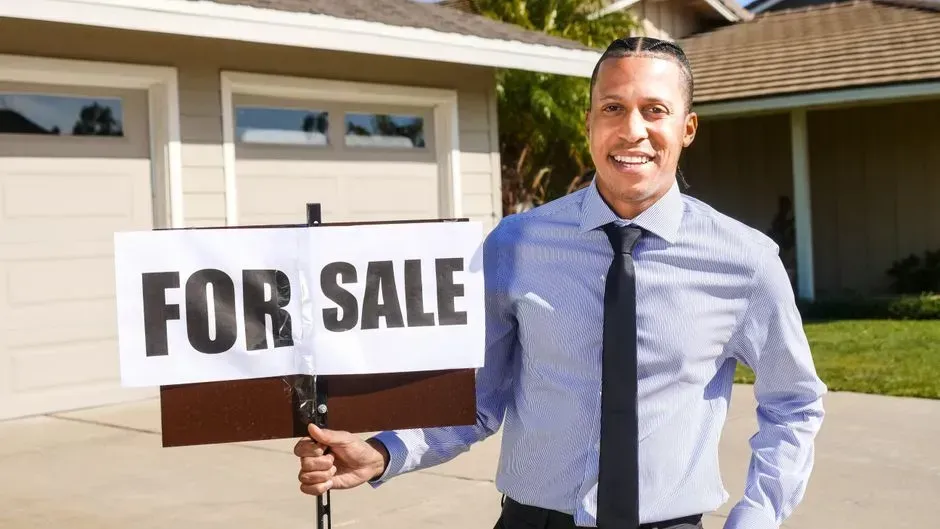
This question seems practical, but the way it’s phrased matters more than most buyers realize. Some visitors approach the hosting agent implying that representing a buyer is just paperwork and a payday, which comes across as dismissive of the actual work involved. As one longtime Silicon Valley agent described it, total strangers will sometimes approach the person holding the house open and say things that imply that they do not value the agent’s expertise at all, that they believe the agent is only an order taker who will complete the paperwork and get a huge commission, calling this not a heart-warming comment to make and in fact pretty insulting.
If you genuinely need representation, ask thoughtfully and be upfront that you’re weighing your options. Dual agency situations, where one agent represents both sides, also carry real conflicts of interest that are worth understanding before you agree to anything on the spot.
3. "Are there any other offers on this place yet?"
3. "Are there any other offers on this place yet?" (Image Credits: Pexels)
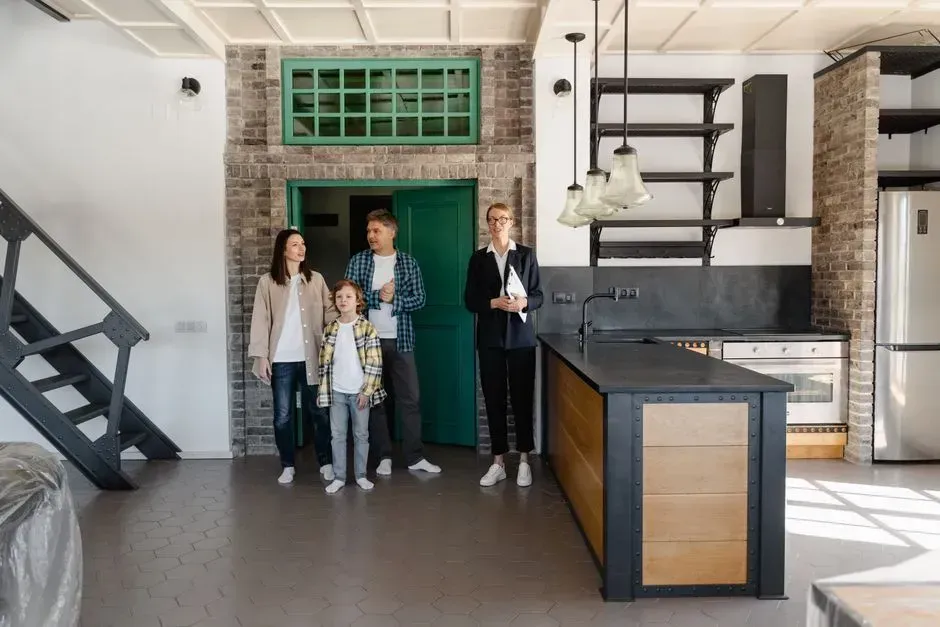
Fishing for competing offer information at an open house rarely works in your favor, and pushing too hard on this question can actually flag you as anxious or unprepared. A New York City agent explained that even when a property is clearly getting a lot of foot traffic, buyers need to stay composed. She noted that even if the open house is clearly full of eager beavers, buyers should hold their bid, and if they’re seriously interested and see a lot of activity, they need to be discreet when inquiring whether there are offers, since a buyer should never enter into negotiations at an open house.
Trying to negotiate informally in the middle of a crowded showing puts you at a disadvantage anyway, since you don’t have full information and the agent has no obligation to give you an edge. Save the real questions about offer status for your own agent, who can follow up formally after the event.
4. "This place is totally overpriced"
4. "This place is totally overpriced" (Image Credits: Pexels)
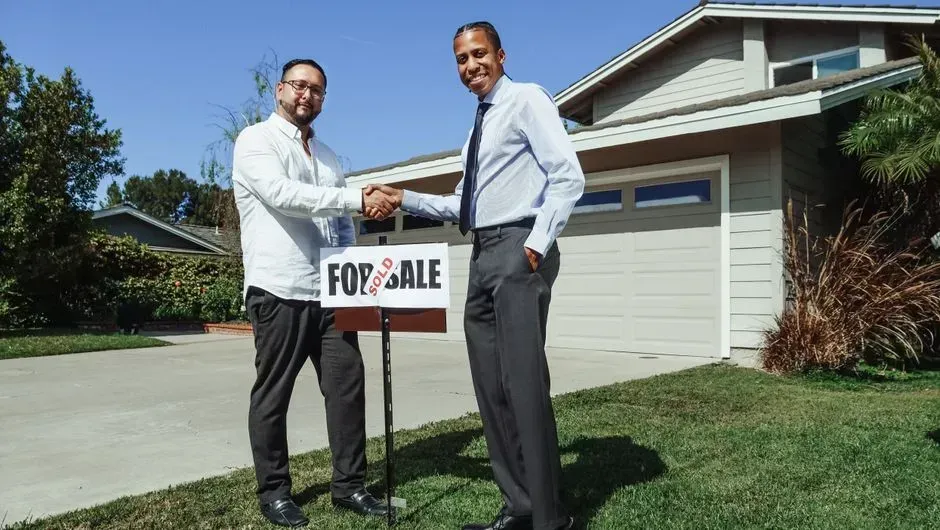
Announcing your opinion on the price out loud, especially within earshot of the listing agent, tells the room exactly where you stand before any real negotiation has started. Buying a home is unavoidably personal, and agents are quick to pick up on emotional cues from both sides of a transaction. As real estate columnists have pointed out, buying a house is a business transaction, but it’s almost impossible for it to not feel personal, and if negotiating a much better deal is a goal, buyers shouldn’t offer too much information about how excited they are about buying or selling.
The same logic applies in reverse. Loudly declaring a home overpriced can come across as an opening negotiating tactic that undermines your credibility rather than strengthening your position. If the number seems off, it’s worth researching comparable sales quietly and letting your own agent build the case with data instead of volume.
5. Loud criticism of the finishes or condition
5. Loud criticism of the finishes or condition (Image Credits: Pexels)
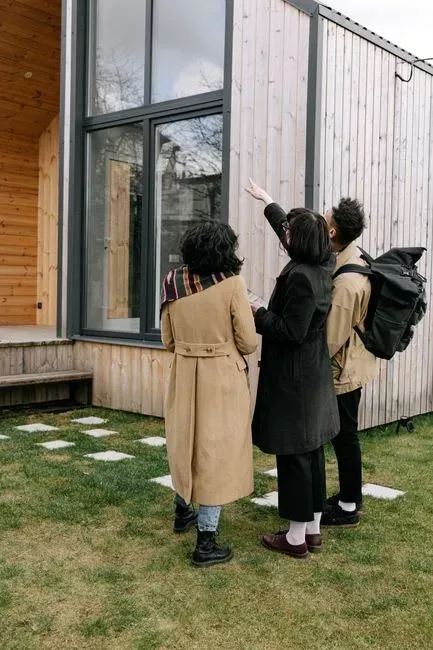
Walking room to room announcing that the kitchen is dated or the bathrooms are dingy might feel like harmless observation, but it reads as rude when the listing agent, and sometimes the seller, can hear every word. One veteran agent who has witnessed this firsthand described how potential buyers who walk through the house insulting it loudly will irritate the listing agent because that kind of behavior is just unnecessary and nasty.
There’s a difference between quietly noting issues for your own records and narrating every flaw for the room. Save detailed critiques for the car ride home or for your notes app, and stick to polite, neutral language while you’re still inside someone’s home.
6. Mentioning a hard, urgent moving deadline

6. Mentioning a hard, urgent moving deadline (Image Credits: Unsplash)
Telling a listing agent that you absolutely need to be in a new home by a specific date gives away information that can be used against you later in negotiations. The general principle in real estate is straightforward: urgency is leverage, but only for the buyer. When that urgency flows the wrong direction, meaning the seller’s side learns you’re the one under time pressure, it removes your ability to walk away, which is often your strongest negotiating tool.
It’s fine to mention general timing if directly asked, but there’s no need to volunteer specifics about lease expirations, job start dates, or family pressures. Keep those details between you and your own agent, who can use timing strategically rather than let it be used against you.
7. "We could probably go higher if we had to"
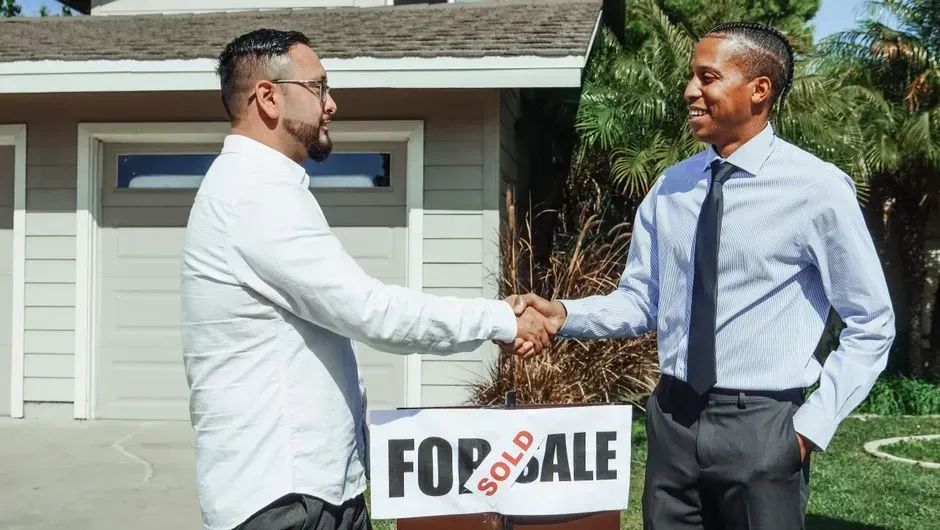
7. "We could probably go higher if we had to" (Image Credits: Pexels)
Casually admitting that your offer has room to grow is one of the fastest ways to anchor a negotiation against yourself before it even begins. Communication experts who study real estate deals warn that a poorly timed comment can kill leverage, and a throwaway remark can anchor negotiations far below, or in a buyer’s case well above, where they should land. Once a seller’s agent hears that a buyer has flexibility, that number effectively becomes the new floor.
This applies even in friendly, low-pressure conversation. A relaxed chat with the hosting agent about your budget range can circle back to the seller within hours, so it’s worth treating those numbers as private until you’re formally submitting an offer through your own representative.
8. Negative opinions about the neighborhood or schools
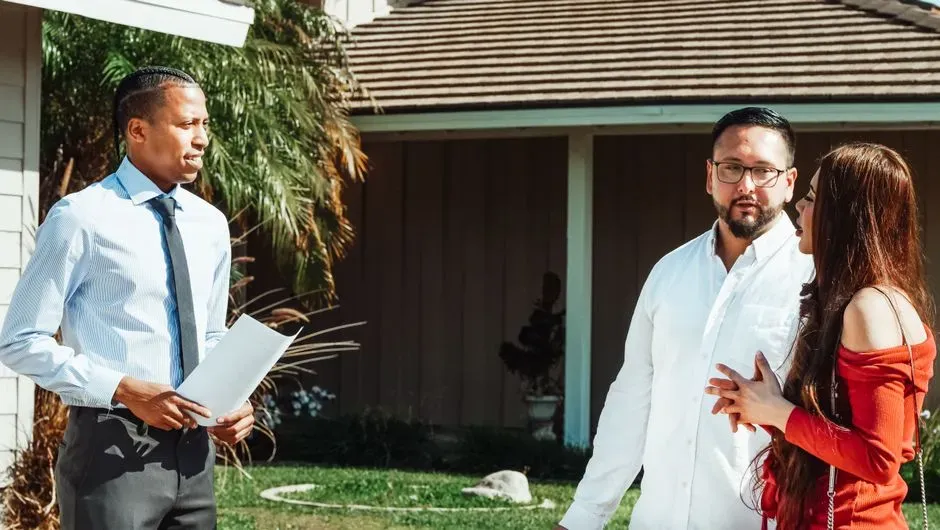
8. Negative opinions about the neighborhood or schools (Image Credits: Pexels)
It might seem like harmless small talk to say a neighborhood feels sketchy or that the local schools have a bad reputation, but these comments touch on sensitive fair housing territory that agents are trained to avoid discussing. Industry guidance from the National Association of Realtors is direct on this point, stating that rather than give out opinion-based information about a neighborhood or school, real estate professionals can ask their clients to define what they want and then provide reliable resources to help them make their own decisions.
Voicing strong opinions yourself can make an agent uncomfortable and puts them in an awkward position, since anything resembling steering based on demographics is legally risky for them. If you have real concerns about a location, it’s better to research crime data, school ratings, and commute times independently rather than fishing for the agent’s personal take.
9. "We haven't really looked into financing yet"
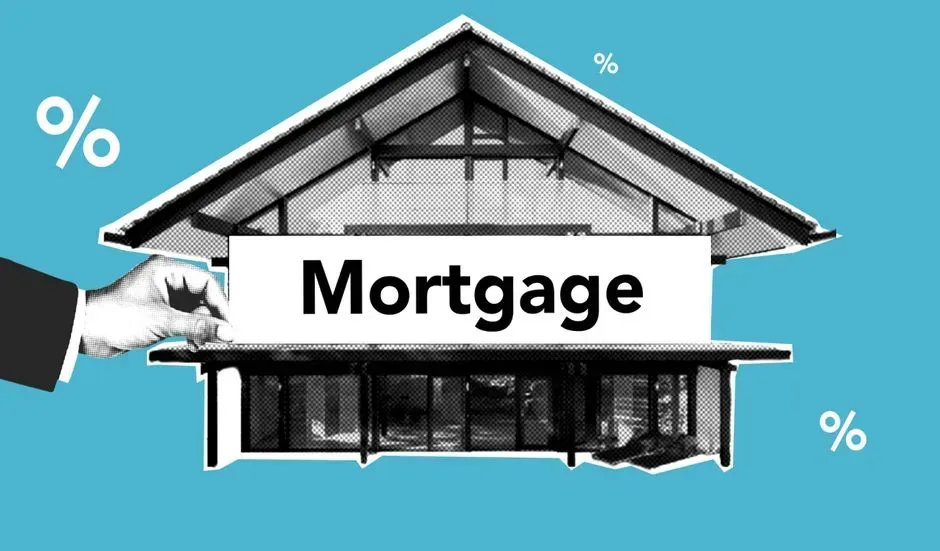
9. "We haven't really looked into financing yet" (Image Credits: Pexels)
Brushing off questions about your financial readiness, or admitting you haven’t started the mortgage process, signals to the agent that you’re not a serious contender in a competitive market. Lending experts point out that when buyers make an offer without proof of funding, they’re likely to get passed over for other buyers, which is why getting pre-approved for a mortgage before house hunting is crucial, since a preapproval letter confirms the mortgage amount a buyer qualifies for and shows sellers they’re serious.
Even at the browsing stage, mentioning that you’re pre-approved, or at least actively working with a lender, changes how an agent perceives your visit. It takes only a phone call before a weekend of open houses to get that letter in hand, and it can make the difference between being remembered as a serious buyer or forgotten as a casual visitor.
Staying quiet about price flexibility, urgency, and personal opinions isn’t about being secretive for its own sake. It simply keeps the negotiating power where it belongs, in the hands of your own representative rather than scattered across casual conversation with someone working for the seller. A little discretion at the open house door goes a long way toward a stronger position at the closing table.