
Eating out is supposed to be a treat, but not every item on the menu earns its place on your table. Some dishes arrive looking more impressive than they taste, others turn out to be clever profit vehicles dressed up in appealing language, and a few are simply not worth what they charge given how easy they'd be to make at home.
The National Restaurant Association's 2026 State of the Industry report found that roughly two in five consumers are already cutting their restaurant frequency, and more than sixty percent of operators reported traffic declines in 2025. According to the U.S. Consumer Price Index, food away from home rose about six percent from January 2024 to September 2025, driven by rising labor, rent, and ingredient costs. When every dollar counts at a restaurant, knowing which dishes disappoint the most can save you real money and real frustration.
The Wedge Salad: A Quarter Head of Lettuce at a Premium Price
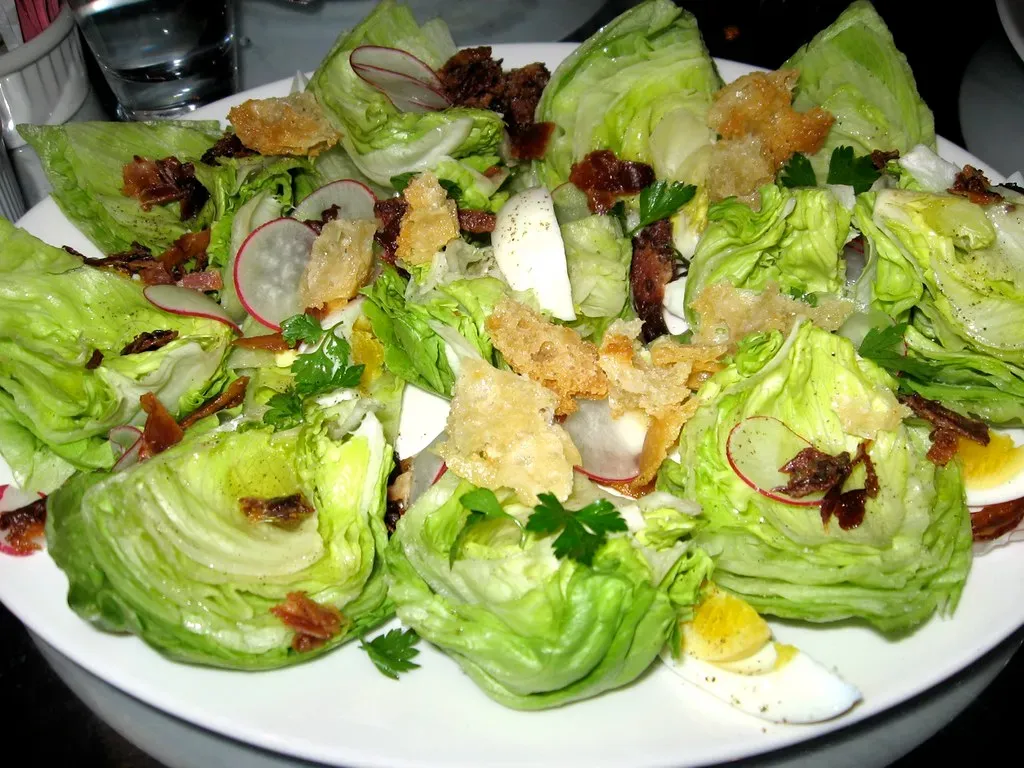
The Wedge Salad: A Quarter Head of Lettuce at a Premium Price (arnold | inuyaki, Flickr, <a href="https://creativecommons.org/licenses/by/2.0/" target="_blank" rel="noopener">CC BY 2.0</a>)
Few menu items have generated as much quiet resentment as the wedge salad. It's quite cheap and easy to make at home, and while it's a steakhouse staple, the wedge salad is a source of bewilderment for many diners. This salad isn't even chopped and tossed, leaving you to do all the work yourself, arriving as a large hunk of iceberg lettuce drizzled in blue cheese dressing.
The preparation involves cutting a head of lettuce into quarters and adding perhaps fifty cents worth of blue cheese dressing and bacon bits, with total ingredient cost under two dollars and a markup that can exceed seven hundred percent. Some restaurants offer a wedge salad for ten or twelve dollars, but at ritzier establishments the cost could be closer to thirty dollars. Diners in 2025 and 2026 are increasingly unwilling to pay steakhouse prices for something that requires zero cooking skill.
Truffle Fries: Synthetic Oil, Real Markup
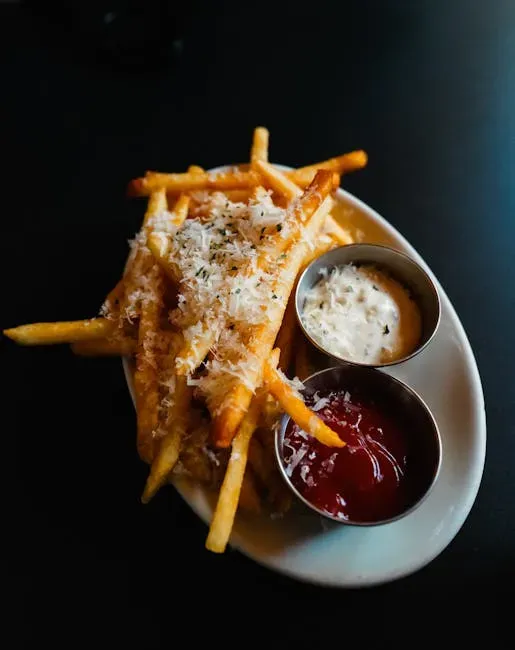
Truffle Fries: Synthetic Oil, Real Markup (Image Credits: Pexels)
Truffle fries are meant to be the stuff of luxury, and real truffles are a decadent treat that can elevate even the most simplistic ingredients, often draped over pasta dishes and other refined meals. The trouble is that the fries version is rarely what it claims to be. Truffle fries actually tend to contain no genuine truffle at all, relying instead on synthetic truffle oils to provide the flavor addition.
The vast majority of "truffle oil" contains no actual truffles, being a synthetic chemical compound designed to mimic the scent, which chefs often view as a cheap trick to inflate a dish's price, with its overpowering aroma masking the flavor of other ingredients. Popular items like truffle fries often carry markups ranging from roughly double to nearly six times what the dish costs to make, and when you weigh that against the actual quality of most synthetic truffle preparations, diners increasingly feel shortchanged. The truffle era, at least in its oil-drizzled form, is clearly fading.
The Plant-Based Burger: A Trend That Never Quite Delivered on Taste
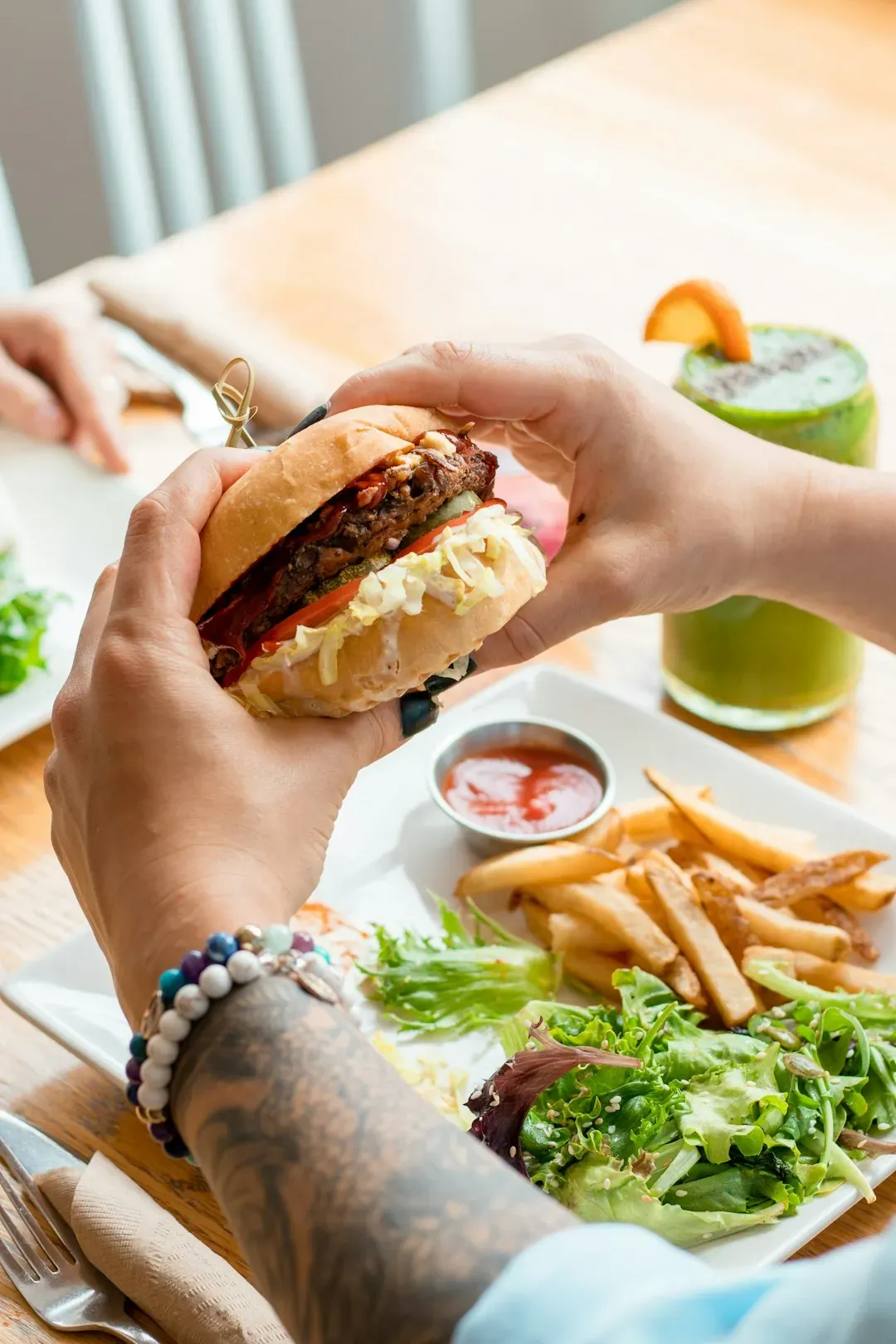
The Plant-Based Burger: A Trend That Never Quite Delivered on Taste (Image Credits: Unsplash)
Few dishes captured the restaurant world's imagination quite like the plant-based burger, and for a few years it felt unstoppable. That momentum has shifted considerably. According to SPINS data analyzed by the Good Food Institute, U.S. retail sales of most plant-based categories were down in 2024 against a backdrop of rising sales for conventional meat, with sales of plant-based meat and seafood specifically dropping roughly seven percent to $1.2 billion in 2024, and unit sales falling an even steeper eleven percent.
Sales of refrigerated plant-based burgers, which were driving significant growth in the category a few years ago, continued their steep decline, dropping about a quarter year over year, with chefs who once championed these dishes now rethinking their menu space. For years, the push behind plant-based options was driven by health-conscious dining culture, but diners who expected the same satisfaction as a traditional burger found the experience consistently fell short. Taste, it turns out, was always the hill this trend couldn't fully climb.
The Soup of the Day: Leftovers in a Bowl
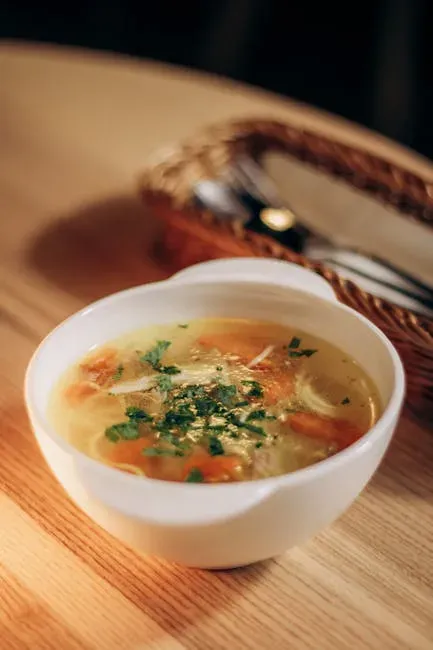
The Soup of the Day: Leftovers in a Bowl (Image Credits: Pexels)
There is something fundamentally suspicious about a dish the kitchen won't even name on the menu, and while "soup of the day" sounds charming, the reality is often less poetic. Historically, it comes down to restaurants aiming to get the most out of their food and throw away as little as possible, with soups of the day allowing a restaurant to use up whatever food they have leftover.
Chefs take unsold vegetables or meats from the previous day and repurpose them into a new dish to avoid throwing them away, meaning the primary ingredients have effectively already been paid for by other diners, and while the soup might taste delicious it represents almost pure profit for the restaurant. If you still want soup, the smarter play is to order something more complex with a longer ingredient list, like gumbo or chowder, which are more expensive to make but often the same price for the customer.
The Lengthy Tasting Menu: Too Many Courses, Too Much Money
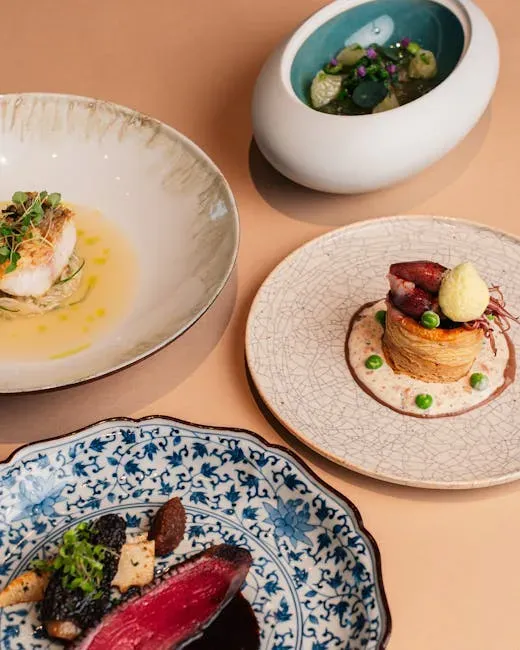
The Lengthy Tasting Menu: Too Many Courses, Too Much Money (Image Credits: Pexels)
Inflation has reshaped consumer dining habits broadly, with guests still wanting to eat out but in more rational, budget-conscious ways, and a sixteen-course dinner costing several hundred dollars per person is a harder sell when grocery bills feel punishing. The tasting menu format hasn't disappeared, but its grip on the dining conversation has genuinely loosened. On Eater's Best New Restaurant list in 2026, only two of the fifteen restaurants solely offer a tasting menu, while just three out of twenty listed by Bon Appétit are tasting-menu restaurants.
If a chef were trying to guarantee recognition in 2026, a tasting menu doesn't exactly seem like a slam dunk, partly because traditional media increasingly can't afford to send writers to eat five-hundred-dollar meals every week, shifting coverage toward more everyday dining experiences. According to Technomic's 2025 annual outlook, nearly three quarters of consumers wish more restaurants would offer value meals, and ordering four overpriced side dishes on top of a sixty-dollar entrée doesn't feel like value, with diners increasingly leaving these off the order. The format isn't gone, but its unchallenged dominance over serious dining culture is clearly over.