
Experienced realtors have a way of reading a home that goes well beyond the listing price. Within minutes of stepping through the front door, a seasoned agent has already formed a fairly precise picture of whether the asking price matches reality. It’s part instinct, part pattern recognition built from years of walking hundreds of properties.
In 2026, real estate agents and brokers say buyers and professionals can spot overpriced homes through subtle signals. With higher mortgage rates and a more balanced market, buyers have more leverage, if they know what warning signs to look for. The same signals that alert buyers also light up like a dashboard for any sharp realtor the moment they arrive on site. Here are the eight that come up again and again.
1. The Condition Doesn't Justify the Number
1. The Condition Doesn't Justify the Number (Image Credits: Unsplash)
If the finishes look dated, the layout feels awkward, or the condition isn’t on par with the price tag, the home is unlikely to sell at list price. A realtor walking through a property immediately compares what they see against what the comparable sales suggest. When the two don’t line up, the mismatch is obvious fast.
As well as comparing local properties on size and location, it’s important to compare like for like when it comes to condition. A house that has not been modernized and kept up to date will be worth less than a property that has been well cared for. Sellers who price on optimism rather than condition almost always find themselves facing a price correction later.
2. Deferred Maintenance Hidden in Plain Sight

2. Deferred Maintenance Hidden in Plain Sight (Image Credits: Rawpixel)
Sellers and real estate agents typically post only photos that show the house in a good light. Touring in person allows you to get a better sense of the property’s condition and a better idea as to whether the home is overpriced given its wear and tear. You may notice problems in areas of the home that weren’t obvious in listing photos. A realtor walking through can spot peeling caulk, soft flooring, or stained ceilings in seconds.
Experienced photographers and agents encourage buyers to look beyond the beautiful photos that showcase staging and decor and focus on the condition of the home itself. Zooming in on details such as baseboards, ceilings, flooring, windows, and cabinetry can reveal the level of care the property has received over time. A home with visible deferred maintenance priced as if it were move-in ready is one of the clearest signs of overpricing a realtor will encounter.
3. The Listing Photos Don't Match the Reality
3. The Listing Photos Don't Match the Reality (Image Credits: Pexels)
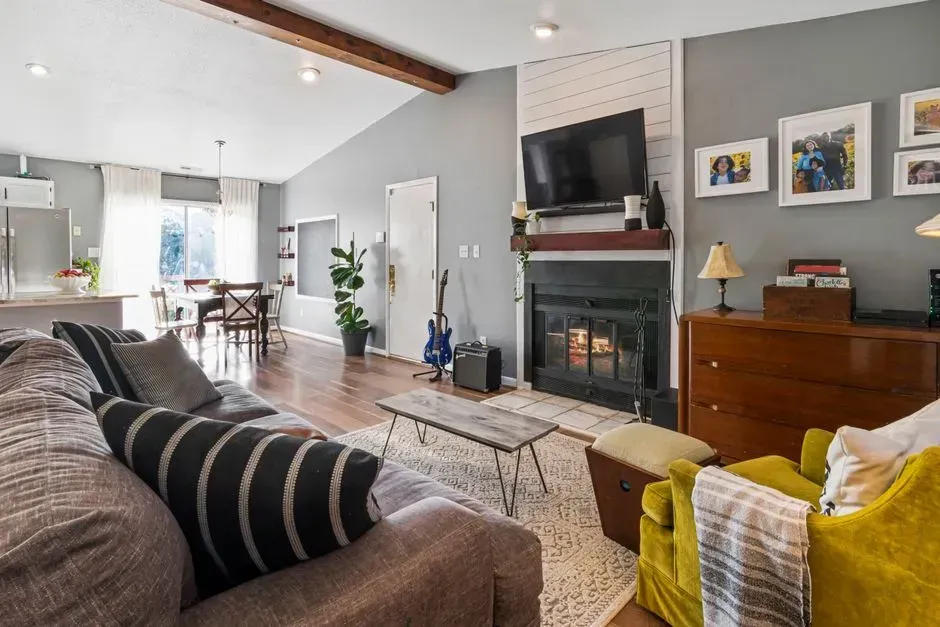
Fake or AI-edited listing photos mislead buyers and renters by showing a property in an unrealistically perfect condition that doesn’t match reality. Advanced AI tools can digitally renovate rooms, hide flaws, or even generate entirely artificial images of a home, leading to false expectations. When a realtor walks through the door and immediately notices the gap between the photos and the actual space, that discrepancy is telling.
Wide-angle lenses already stretch reality by making rooms appear bigger, and AI can take it further, adjusting proportions or merging images to create an illusion of space. Realtors learn to mentally subtract that polish. When home seekers arrive in person, they may find smaller rooms, visible wear and tear, or missing features that were masked or enhanced in the photos. This gap between online listings and real-life homes causes disappointment and erodes trust in the real estate process.
4. The Price Sits Above Every Comparable in the Neighborhood
4. The Price Sits Above Every Comparable in the Neighborhood (Image Credits: Unsplash)
Generally speaking, home values will be relatively consistent and close in most neighborhoods. One telltale sign that a home is overpriced is if it is listed significantly higher than similar homes for sale in the community. While it’s not impossible that there can be homes with a meaningful value difference, it is pretty rare. A realtor who knows the neighborhood checks comparable sales instinctively as they tour.
A house priced well above its neighbors doesn’t automatically justify that gap. If other homes on the street are worth considerably less, the higher-priced home may actually be worth less than its purchase price, depending on what an actual buyer would be willing to pay. When several similar homes in an area have recently come on the market at a lower price point, the subject home can appear overpriced by comparison.
5. The Seller Priced Around Upgrades That Don't Add Dollar-for-Dollar Value

5. The Seller Priced Around Upgrades That Don't Add Dollar-for-Dollar Value (Image Credits: Unsplash)
Just because a seller added a significant kitchen upgrade or a backyard pool does not mean the house has increased in equivalent dollars. A house with a substantial kitchen upgrade doesn’t automatically become worth exactly that much more. Realtors understand this arithmetic cold, even if sellers don’t always want to hear it.
Pricing a home based on original purchase price or based on purchase price plus cost of upgrades is a surefire way to get the price wrong on the high side. The market doesn’t reimburse every renovation dollar spent. Another misstep is pricing based on what the seller wants to make on the sale, and not necessarily on current market value. A realtor spots this pattern quickly when touring a home that has been recently renovated but is priced far beyond what the neighborhood will support.
6. Too Many Days on Market, Often with a Re-List Attempt
6. Too Many Days on Market, Often with a Re-List Attempt (Image Credits: Pexels)
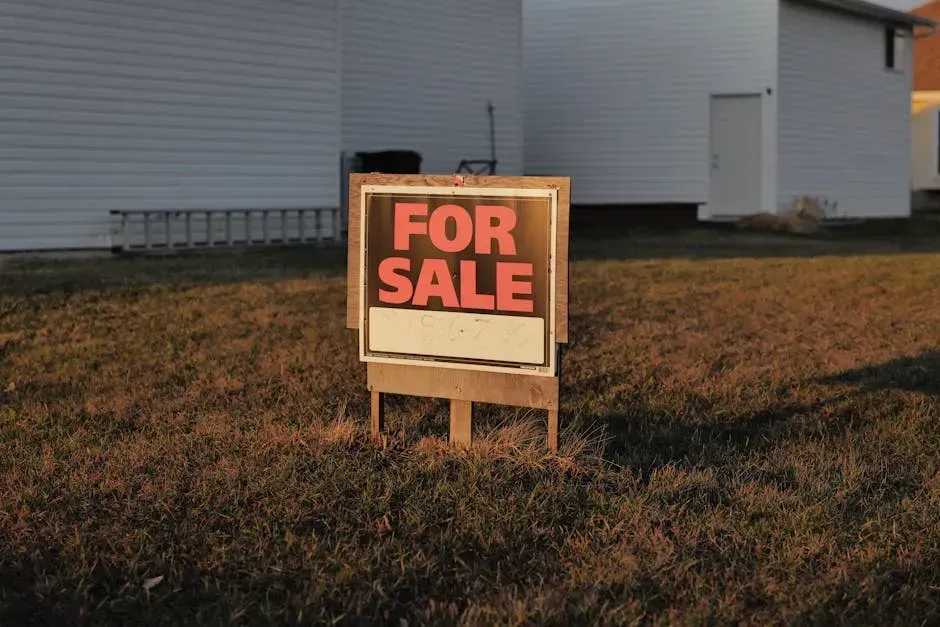
If a home’s days on market are significantly higher than comparable homes in the area, it signals to buyers that something might be an issue, often leading to lower offers or continued lack of interest. Realtors check this number the moment a showing request comes in. Roughly three in five homes sell within one month, according to a 2024 Realtor survey. A listing that has been sitting for months stands out.
Some listings stay active for a year or more, cycling through multiple agents at different prices, and sometimes even increasing in price after a re-listing. This pattern tells you everything: the property was overpriced, the market rejected it, and instead of accepting market reality, the seller listed it again with a new agent and a different price. The stale listing stigma is hard to shake. Even if the seller pulls it off the market and tries again later, that record remains in the home’s MLS history.
7. Feedback from Buyers and Agents Has Already Flagged the Price
7. Feedback from Buyers and Agents Has Already Flagged the Price (Image Credits: Pexels)
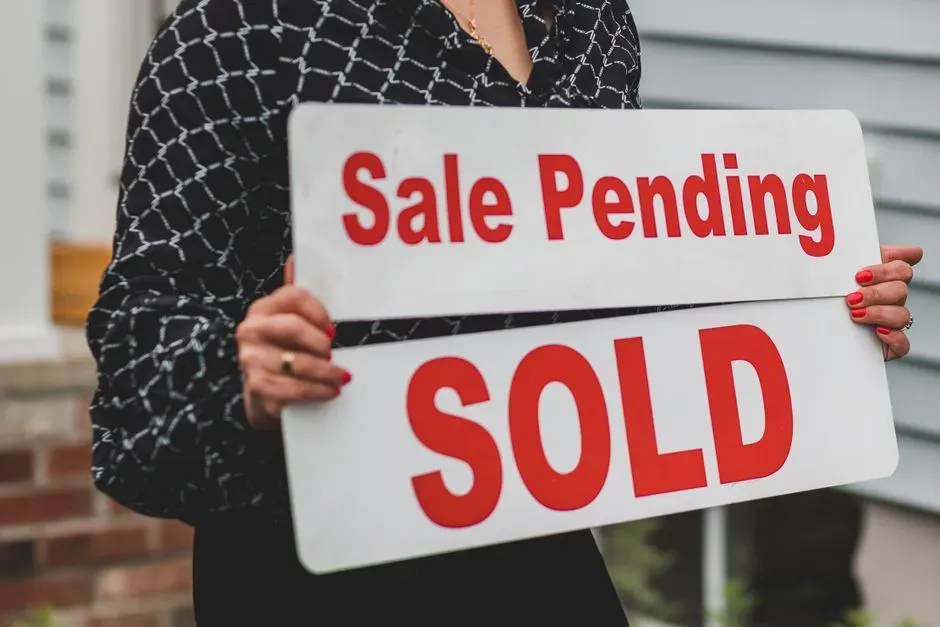
Sometimes, realtors or potential buyers will subtly, or not so subtly, hint that a home is overpriced. That feedback is a direct reflection of market perception. When a realtor walks through a property and hears about consistent negative feedback from previous showings, it confirms what the price tag already suggests.
Homeowners also need to read between the lines, as buyers who don’t want to offend sometimes won’t come right out and say a home is overpriced. Instead, buyers may comment that the home lacks updates, has a dated look, needs attention, or could use some freshening up. If feedback consistently indicates that a home is perceived as overpriced, it becomes a clear signal to adjust the price. A skilled real estate agent will interpret this feedback and guide the seller through the necessary steps to align the asking price with market expectations.
8. The Listing Strategy Feels Emotional, Not Market-Driven

8. The Listing Strategy Feels Emotional, Not Market-Driven (Image Credits: Pexels)
Sellers sometimes set their asking price based on what happened during the pandemic. The market has moderated considerably since then, making it far better to align the price with today’s reality. Real estate agents stay updated on market trends and how they impact the pricing strategy for a home. When a realtor senses that a seller’s price is rooted in emotional attachment rather than data, they know the road ahead will be difficult.
Overpricing a standard home isn’t strategic; it’s lazy analysis masquerading as optimism. In today’s market, with inventory at elevated levels in many areas, precision pricing matters more than ever. On average, overpriced homes stay on the market significantly longer than homes priced appropriately. Overpricing a house by just a small margin can decrease the chances of selling it dramatically. Realtors who recognize this emotional pricing pattern the moment they step inside a property are the ones who can have an honest, constructive conversation with a seller before more time and money is lost.
The ability to read a home’s true market position within minutes of arrival is one of the most practical skills a realtor develops over time. These eight signals, individually, might each have a reasonable explanation. Together, they form a pattern that experienced agents recognize instantly. A fair price, set with clear eyes and solid data, remains the most reliable way to actually sell a home rather than simply list it.